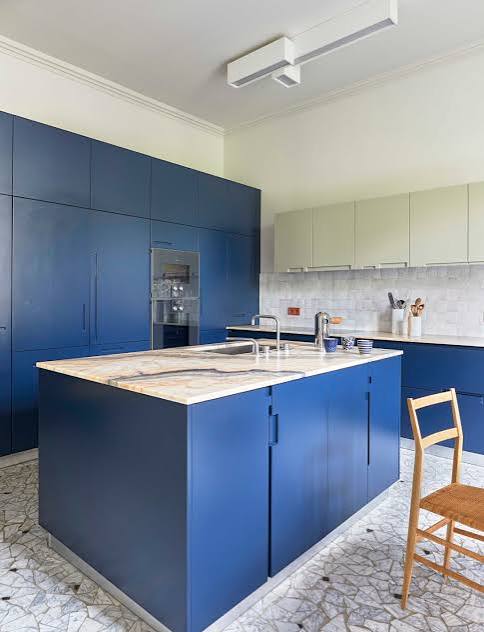
A kitchen remodel can improve the way a home looks, feels, and functions. Since the kitchen is used for cooking, cleaning, storage, and family activities, even small design problems can affect everyday comfort. A well-planned renovation provides an opportunity to correct these issues while introducing features that make the room more practical. With the right preparation, homeowners can create a space that supports their routines and complements the rest of the property.
The remodeling process should begin with a clear understanding of the existing kitchen. Some rooms need more storage, while others have outdated appliances, poor lighting, or limited countertop space. Identifying the biggest problems helps homeowners decide which improvements deserve priority. It also prevents unnecessary spending on decorative changes while important functional issues remain unresolved.
Improving the kitchen layout can make a significant difference. Appliances and work areas should be positioned to allow comfortable movement during meal preparation. The refrigerator, sink, and cooking zone need convenient access without creating crowded walkways. If the kitchen has enough space, adding an island can provide an additional work surface and create a natural gathering point. In smaller rooms, a compact peninsula or movable trolley may offer similar benefits without occupying too much floor space.
Cabinet upgrades can completely change the appearance of an older kitchen. Replacing damaged units, installing new doors, or updating hardware can give the room a refreshed look. Homeowners should also consider how cabinets function internally. Adjustable shelves, pull-out baskets, and deep drawers make it easier to organize cookware and household supplies. Good storage planning helps keep countertops clear and improves the overall working environment.
Countertops are another important part of a remodeling project. They should provide enough space for preparing meals while being suitable for regular use. Quartz, granite, laminate, and solid-surface materials offer different appearances, maintenance needs, and price ranges. Comparing samples and understanding the manufacturer’s care instructions can help homeowners select an option that suits their budget and lifestyle.
Lighting improvements can make the kitchen brighter and more comfortable. A combination of ceiling fixtures and focused task lighting provides better illumination than relying on a single light source. Under-cabinet fixtures are useful for work surfaces, while pendant lights can add character above an island. If the renovation includes changes to windows or doors, natural light can also become an important part of the design.
Flooring should be selected with durability and maintenance in mind. Kitchen floors are exposed to spills, dropped objects, and constant movement, so the material needs to withstand everyday demands. Porcelain tiles, ceramic tiles, and suitable waterproof flooring products are common options. Professional preparation and installation are important because an uneven or poorly prepared base can cause problems later.
Modern ventilation is another valuable remodeling improvement. Cooking produces heat, moisture, smoke, and odors that can affect indoor comfort. A suitable extractor hood helps remove these pollutants and keeps nearby surfaces cleaner. The ventilation system should be selected according to the cooking equipment and installation conditions. Filters and ducts also require periodic maintenance to maintain proper performance.
A kitchen remodel is a good opportunity to review electrical and plumbing systems. Older connections may need attention before new appliances or fixtures are installed. Adding outlets in convenient locations can make the kitchen easier to use, while updated plumbing fixtures may improve water efficiency. Work involving gas, electrical wiring, or major plumbing changes should be completed by qualified professionals.
Budget planning is essential for avoiding unnecessary stress. Homeowners should account for materials, labor, appliance purchases, permits where required, and unexpected repairs. Keeping a reasonable contingency amount can help manage issues discovered after cabinets or flooring are removed. Getting written estimates and confirming project details before work begins can also make the process more predictable.
A successful kitchen remodel is not simply about following current design trends. It is about creating a space that fits the household, uses available room effectively, and remains easy to maintain. By prioritizing layout, storage, lighting, durable materials, and essential repairs, homeowners can achieve a kitchen that improves everyday living and adds lasting appeal to their home.
Leave a Reply