Have you ever stood in your kitchen, holding a shiny piece of stainless steel cookware, and wondered, "Is this safe for my family?" You’re not alone.
With so many cookware options available, it’s easy to feel overwhelmed and uncertain about which is the best choice for your health and cooking needs. Stainless steel is a popular choice because of its durability and sleek appearance, but questions linger about its safety.
This article will reveal the truth behind stainless steel cookware, helping you make informed decisions for your kitchen. Keep reading to discover the surprising facts and science-backed answers to ensure you’re cooking safe and sound. Your health and peace of mind are just a few paragraphs away!
Stainless Steel Composition
Stainless steel cookware is safe due to its strong and durable composition. It contains iron, chromium, and nickel, which make it resistant to rust and heat. Ensure your cookware is of high quality and food-grade for the best cooking experience.
When you think about upgrading your kitchen with durable and long-lasting cookware, stainless steel often tops the list. But have you ever wondered what makes up stainless steel? Understanding its composition can help you make informed decisions about its safety and effectiveness in your kitchen.
Metal Alloys Used
Stainless steel is not a single metal but a combination of different metal alloys. The primary metals used are iron, chromium, nickel, and sometimes molybdenum. Each metal plays a crucial role in enhancing the properties of stainless steel, making it resistant to rust and corrosion. You might be surprised to learn that the amount of each metal in the alloy can vary. For instance, stainless steel typically contains about 10-30% chromium and 8-10% nickel. These variations can affect the quality and safety of the cookware you use every day.
Role Of Chromium And Nickel
Chromium is a vital component in stainless steel. It forms a thin layer of oxide on the surface, which protects the steel from rust. This is particularly important if you live in a humid area or often cook with acidic ingredients. Nickel adds a layer of protection by enhancing the steel's resistance to corrosion. It also provides a shiny, polished finish that makes your pots and pans look sleek and modern. However, if you have a nickel allergy, you might want to consider the nickel content in your cookware. Have you checked the labels on your stainless steel pots and pans? Knowing the composition can help you avoid allergic reactions and ensure the safety of your meals. Understanding these elements can make a difference in your cooking experience. Why settle for less when you can choose cookware that supports your health and culinary adventures?
Benefits Of Stainless Steel Cookware
Stainless steel cookware is safe and offers many benefits. It is durable, resists rust, and does not react with food. Easy to clean, it ensures healthy cooking without harmful chemicals.
Stainless steel cookware has long been a favorite in kitchens around the world, and for good reason. Its popularity stems from a variety of benefits that make it an excellent choice for both amateur cooks and seasoned chefs. Whether you're whipping up a quick weeknight dinner or preparing an elaborate feast, stainless steel cookware can enhance your cooking experience in several ways.
Durability And Longevity
Stainless steel cookware is renowned for its durability. Unlike other materials that may warp or scratch over time, stainless steel retains its shape and appearance even after years of use. I've had my stainless steel pots for over a decade, and they still look as good as new. This means you're investing in cookware that can withstand the test of time, saving you money in the long run.
Non-reactive Properties
One of the key benefits of stainless steel is its non-reactive nature. It doesn't interact with acidic or alkaline foods, which means your tomato sauce or lemon-based dishes won't have a metallic taste. This ensures that the flavors of your ingredients remain pure. Have you ever noticed an odd taste when using other types of cookware? With stainless steel, that concern is a thing of the past.
Heat Conductivity
While stainless steel on its own isn't the best conductor of heat, most stainless steel cookware is designed with an aluminum or copper core. This construction ensures even heat distribution, preventing hot spots that can ruin a dish. Have you ever had a meal burn in one spot while being undercooked in another? With stainless steel, you get consistent cooking results every time. Incorporating stainless steel into your kitchen arsenal not only enhances the quality of your meals but also adds an element of reliability and safety. Why compromise on the quality of your cookware when you can enjoy these tangible benefits?
Health Concerns
Stainless steel cookware is generally safe for everyday use. It doesn't react with food, ensuring meals remain uncontaminated. Proper care prevents any metal leaching, maintaining its health benefits.
Stainless steel cookware is a popular choice in many kitchens due to its durability and sleek appearance. However, there are health concerns that some people consider when choosing this type of cookware. Understanding these concerns can help you make an informed decision about what you use in your kitchen.
Nickel Allergies
Nickel is a common component in stainless steel. If you have a nickel allergy, this could be a potential issue. Cooking acidic foods like tomatoes in stainless steel might release small amounts of nickel, which can cause allergic reactions in sensitive individuals. Are you one of the many who experiences skin irritation from nickel jewelry? It's worth considering this when choosing cookware. If you're concerned, look for stainless steel that is labeled as "nickel-free."
Leaching Risks
Leaching refers to the transfer of metals from cookware into the food. While stainless steel is generally considered safe, some conditions might cause metals to leach into your meals. High heat and acidic foods can increase this risk. Imagine making a tangy tomato sauce in your favorite stainless steel pot. The acidity might cause tiny amounts of metals like chromium or nickel to mix into the sauce. While these levels are typically low, if you're worried about exposure, it's something to think about. Would switching to another type of cookware give you peace of mind? If so, you might explore options like cast iron or ceramic, which have different leaching properties. Always weigh the benefits and potential risks to find what works best for you and your loved ones. Are there any other health concerns you consider when choosing cookware? Let us know in the comments below!
Comparing Stainless Steel To Other Materials
Stainless steel cookware is a popular choice in kitchens, but how does it stack up against other materials? Each type of cookware brings its own set of pros and cons to the table. Understanding these differences can help you make a more informed decision for your kitchen needs.
Aluminum Cookware
Aluminum cookware is known for its excellent heat conductivity, making it ideal for quick and even cooking. However, it's prone to scratching and can react with acidic foods, which may affect taste and safety. If you've ever experienced a metallic taste in tomato sauce, your aluminum pots could be the culprit.
Some aluminum cookware is anodized to prevent these issues, but this treatment can wear off over time. Do you find yourself frequently replacing your aluminum pans? Stainless steel might be a more durable alternative.
Cast Iron Cookware
Cast iron is a classic favorite for its durability and exceptional heat retention. It's perfect for dishes that require slow cooking, like stews and roasts. However, it requires regular seasoning to maintain its non-stick properties and prevent rust.
Have you ever forgotten to dry your cast iron properly and found it rusted the next day? While cast iron is a kitchen staple, it demands more maintenance than stainless steel. Do you have the time to maintain it?
Non-stick Cookware
Non-stick cookware offers the convenience of easy food release and minimal cleaning effort. It’s perfect for frying eggs or pancakes. However, non-stick coatings can degrade at high temperatures, releasing potentially harmful fumes.
Have you ever been concerned about the safety of your non-stick pans when cooking on high heat? In contrast, stainless steel can handle higher temperatures without worries about coating degradation. Could this peace of mind be worth the switch?
When weighing your options, consider what you value most in your cookware. Is it durability, easy maintenance, or safety? Each material has its strengths, but only you can decide what fits best in your kitchen.
Proper Use And Maintenance
Stainless steel cookware is a popular choice for many kitchens. Its durability and heat resistance make it a favorite. But, proper use and maintenance are key to ensuring safety and longevity. Let's explore how you can keep your stainless steel cookware in top condition.
Avoiding Overheating
Overheating can damage stainless steel cookware. It can cause discoloration and affect food taste. Always use low to medium heat settings. This prevents overheating and keeps your cookware safe. Let the pan heat up slowly. Avoid leaving empty pans on a hot stove. This can warp the material.
Cleaning Techniques
Proper cleaning is essential for maintaining stainless steel cookware. Use warm soapy water for regular cleaning. Avoid abrasive sponges or harsh chemicals. They can scratch the surface. For tough stains, try a paste of baking soda and water. Gently scrub the affected area. Rinse thoroughly and dry with a soft cloth.
Storage Tips
Store your cookware properly to avoid damage. Stack pans carefully to prevent scratches. Use a soft cloth between them for extra protection. Hang pots and pans if space allows. This prevents stacking damage. Keep lids separate or on a dedicated rack. This avoids unnecessary pressure on the cookware.
Credit: www.pureandsimplenourishment.com
Industry Standards And Certifications
Stainless steel cookware is safe when it meets industry standards and certifications. These ensure the material is non-toxic and durable. Checking for certifications helps confirm the cookware's safety and quality.
When choosing cookware, safety is usually a top priority. Stainless steel cookware is popular for its durability and sleek appearance, but how safe is it? The answer lies in understanding the industry standards and certifications that govern its production. These standards ensure that the cookware you use is not only functional but also safe for cooking your favorite meals.
Food Grade Standards
Stainless steel cookware must meet specific food-grade standards to be deemed safe. Food-grade stainless steel is made from metals that are safe for cooking and won't react with food. Next time you're shopping, look for labels like 18/8 or 18/10. These numbers indicate the ratio of chromium to nickel, ensuring resistance to rust and enhancing the cookware's safety. Have you ever noticed that some cheaper pots and pans rust easily? This is often due to inferior materials that don't meet these standards.
Safety Regulations
Cooking safely isn't just about the materials; it's also about how they're regulated. Stainless steel cookware is subject to stringent safety regulations that manufacturers must follow. These regulations help ensure that the cookware won't leach harmful substances into your food. Regulatory bodies like the FDA and NSF International provide certifications that can serve as a safety guarantee. When you see these certifications, it's a sign that the product has undergone rigorous testing. Remember the last time you bought cookware without checking for these signs? It might be time to rethink your purchase strategy. Choosing cookware with the right certifications can make all the difference in the quality of your cooking experience. Why take chances with your health when the information is right at your fingertips? As you explore your options, consider how these standards and regulations can guide you to safer, more reliable cookware.
Choosing The Right Stainless Steel Cookware
Stainless steel cookware is safe for everyday cooking, offering durability and resistance to rust. Its non-reactive surface is ideal for preparing acidic foods, ensuring no unwanted flavors. Prioritize high-quality stainless steel to ensure optimal performance and safety in your kitchen.
Choosing the right stainless steel cookware can improve your cooking experience. Stainless steel cookware offers durability and versatility in the kitchen. But not all stainless steel is the same. Understanding the differences can guide you to the best choice.
Types Of Stainless Steel
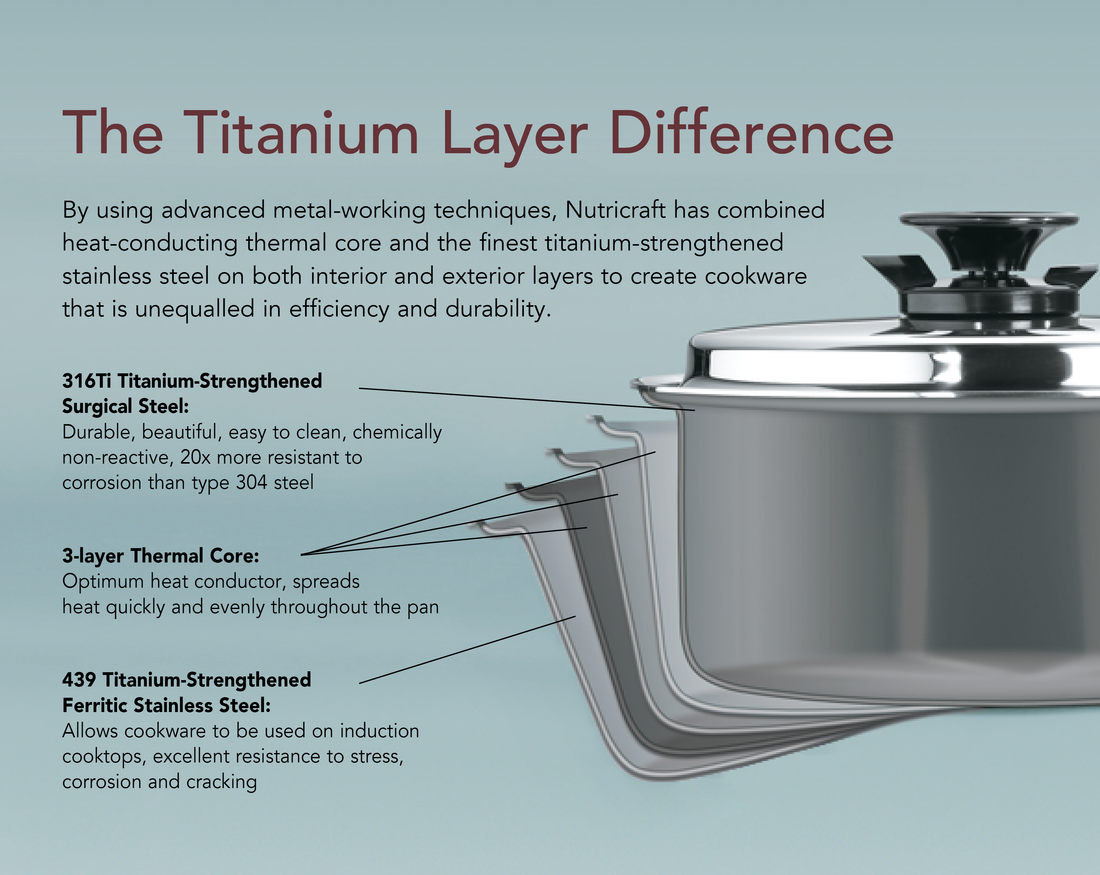
Stainless steel cookware comes in various grades and compositions. The most common types are 18/10, 18/8, and 18/0. These numbers refer to the percentage of chromium and nickel in the alloy. Chromium adds rust resistance. Nickel enhances shine and durability. 18/10 stainless steel is highly resistant to corrosion and maintains its shine. It is often the choice for premium cookware. 18/8 is similar but may be slightly less resistant to corrosion. 18/0 lacks nickel, making it less shiny but more affordable. It's ideal for those allergic to nickel.
Buying Tips
Consider the cookware's weight. Heavier stainless steel pots and pans offer better heat distribution. Lightweight cookware might warp over time. Check for a multi-ply construction. Multi-ply cookware often includes an aluminum or copper core. This improves heat conductivity and cooking performance. Inspect the handles and lids. Look for sturdy, heat-resistant handles for safety. Tight-fitting lids help retain moisture and flavor. Compatibility with your stovetop is crucial. Ensure the cookware works with your induction or gas stove. Lastly, consider your cooking habits. Choose sets or individual pieces that match your needs.

Credit: prudentreviews.com
Consumer Experiences
Stainless steel cookware is generally safe for cooking, providing durability and resistance to rust. Some consumers worry about nickel exposure, but most stainless steel products are designed to minimize risks. Proper use and care can enhance safety and cooking experiences.
When it comes to choosing cookware for your kitchen, stainless steel often stands out as a popular choice. But is it safe? Many consumers have shared their experiences, and their insights can help you make an informed decision. Let's dive into what real users have to say about their stainless steel cookware.
User Reviews
Stainless steel cookware often receives praise for its durability and sleek appearance. Users frequently highlight how these pots and pans withstand heavy use without warping or losing their shine. One home cook shared that her stainless steel skillet remained scratch-free even after five years of daily cooking. However, there are mixed feelings about the learning curve. Some users mention the initial challenge of cooking with stainless steel, such as food sticking to the surface. Yet, they often find that with practice, and the right amount of oil, they achieve perfect results. Have you mastered your stainless steel skillet yet?
Common Issues
While many love their stainless steel cookware, some users report common issues. Staining and discoloration can occur, especially when acidic foods are cooked. One user noted that cooking tomato sauce left a faint rainbow tint on her pan. Cleaning can also be a topic of debate. Although stainless steel is dishwasher safe, some users prefer hand washing to avoid water spots. A few even recommend using a gentle scrub with baking soda for stubborn stains. How do you keep your stainless steel shining? Despite these concerns, many consumers feel that the benefits outweigh the drawbacks. The consensus seems to be that with a little care and know-how, stainless steel cookware can be a reliable kitchen companion. What’s your take on stainless steel cookware safety?
Credit: nutricraftcookware.com
Frequently Asked Questions
Is Stainless Steel Cookware Safe For Health?
Yes, stainless steel cookware is generally considered safe for health. It is non-reactive, meaning it won't leach harmful chemicals into your food. Stainless steel is also durable and resistant to rust and corrosion. To ensure safety, choose high-quality stainless steel and avoid cooking highly acidic foods for extended periods.
Does Stainless Steel Cookware Contain Harmful Chemicals?
No, stainless steel cookware does not contain harmful chemicals. It is made from a blend of metals, including iron, chromium, and nickel. These materials are stable and safe for cooking. Unlike non-stick cookware, stainless steel does not have chemical coatings that can degrade over time.
Can Stainless Steel Cookware Cause Metal Leaching?
Stainless steel cookware may leach small amounts of nickel and chromium. However, these levels are typically safe for most people. High-quality stainless steel and proper cooking practices minimize metal leaching. If you have nickel sensitivities, consider using cookware with lower nickel content.
Is Stainless Steel Better Than Non-stick Cookware?
Stainless steel is often preferred over non-stick cookware for its durability and safety. Unlike non-stick coatings, stainless steel does not release harmful fumes when overheated. It also withstands higher temperatures and is more resistant to scratching and peeling. While it may require more oil, it offers consistent cooking results.
Conclusion
Stainless steel cookware is a safe choice for many kitchens. It offers durability and resistance to rust. Cleaning is easy, which makes it convenient for busy cooks. Choose quality stainless steel to avoid unwanted chemicals. It ensures food safety and health for your family.
Cooking with stainless steel can be a reliable option. It withstands high temperatures without releasing toxins. This makes it a great investment for long-term use. Always check for labels indicating safe materials. Enjoy cooking with peace of mind, knowing your cookware is safe for daily use.