Blog

  • The Importance of Breakfast in Daily Life

    The Importance of Breakfast in Daily Life

    Breakfast is often considered one of the most important meals of the day. After several hours of sleep without food, the body needs energy to begin daily activities. A healthy breakfast provides essential nutrients and helps people feel refreshed, active, and ready for work or study. Preparing breakfast at home also gives families an opportunity to enjoy fresh and nutritious food together.

    1. Providing Energy for the Day

    During sleep, the body continues using energy to perform important functions. Breakfast helps replenish energy in the morning and supports everyday activities.

    Foods such as whole-grain bread, oatmeal, eggs, and fruit provide useful nutrients and energy. A balanced breakfast can help people begin their day feeling satisfied and prepared.

    2. Improving Concentration

    Eating a nutritious breakfast can support concentration and mental performance. Students may find it easier to participate in classroom activities when they have eaten a balanced morning meal.

    Adults can also benefit from starting their working day with suitable nutrition. However, good concentration also depends on sufficient sleep, hydration, and other healthy habits.

    3. Supporting Physical Health

    Breakfast provides an opportunity to include important nutrients in the daily diet. Milk, yogurt, eggs, fruits, and whole grains contain different vitamins, minerals, proteins, and fiber.

    Choosing a variety of nutritious foods helps support normal body functions. A balanced breakfast can also contribute to an overall healthy eating pattern.

    4. Developing a Healthy Routine

    Eating breakfast at a regular time can help people establish a consistent morning routine. It encourages better meal planning and reduces the temptation to rely on convenient but less nutritious snacks.

    Preparing breakfast the night before can also save time for people with busy schedules. Simple planning makes it easier to maintain healthy habits.

    5. Preparing Different Breakfast Dishes

    Breakfast does not need to be boring or repetitive. Families can enjoy a variety of dishes, including boiled eggs, omelets, porridge, fruit salads, sandwiches, and homemade parathas.

    In Pakistan, traditional breakfast foods such as chana, yogurt, and parathas are popular choices. Preparing different meals throughout the week makes breakfast more interesting.

    6. Bringing Families Together

    Breakfast can provide a valuable opportunity for family members to spend time together. Sharing a morning meal allows parents and children to communicate before beginning their daily responsibilities.

    Even a short breakfast together can create positive family habits. It also gives everyone a chance to discuss their plans for the day.

    7. Making Nutritious Food Choices

    A healthy breakfast should include a suitable combination of food groups. Whole grains, protein-rich foods, fruits, and dairy products can help create a balanced meal.

    It is also useful to limit excessive amounts of sugary cereals, sweets, and heavily processed foods. Drinking water in the morning supports hydration and contributes to general well-being.

    Conclusion

    Breakfast can play a valuable role in maintaining a healthy daily routine. It provides an opportunity to consume essential nutrients, supports energy needs, and encourages better eating habits. By preparing simple and balanced morning meals, individuals and families can begin their days with greater comfort and confidence.

  • The Importance of Washing Dishes Properly

    The Importance of Washing Dishes Properly

    Washing dishes is an essential household activity that helps maintain cleanliness and prevent the spread of harmful germs. Plates, glasses, spoons, cooking pots, and other utensils are used every day to prepare and serve food. If they are not cleaned properly, leftover food and grease can encourage bacterial growth and attract insects. Developing good dishwashing habits helps keep the kitchen hygienic and protects the health of family members.

    1. Removing Food Particles

    The first step in washing dishes is removing leftover food from plates and cooking utensils. Food particles should be placed in a waste container rather than washed directly into the sink.

    Removing large pieces of food makes washing easier and helps prevent kitchen drains from becoming blocked. It also reduces unpleasant smells around the washing area.

    2. Using Clean Water and Dishwashing Liquid

    Clean water and suitable dishwashing liquid are important for removing grease and food residue. Dishwashing products help break down oily substances that ordinary water may not remove effectively.

    Using a clean sponge or dishwashing brush makes the process more effective. However, these cleaning tools should also be washed regularly to prevent the accumulation of bacteria.

    3. Washing Dishes in an Organized Order

    Washing dishes in a particular order can save time and effort. It is generally helpful to begin with glasses and cups, followed by plates, spoons, and cooking utensils.

    Greasy pots and pans can be washed separately at the end. This approach helps keep the washing water cleaner while making the task more organized.

    4. Cleaning Cooking Pots and Pans

    Cooking pots and pans often contain stubborn grease, burnt food, and thick sauces. Soaking suitable cookware in warm water can help loosen dried food and make cleaning easier.

    Nonstick cookware requires special attention because rough scrubbers and metal tools may damage its coating. Using appropriate cleaning materials helps preserve cookware.

    5. Drying Dishes Properly

    After washing, dishes should be rinsed thoroughly with clean water to remove soap residue. They should then be placed on a clean drying rack or dried using a clean towel.

    Proper drying helps prevent water spots and reduces the accumulation of moisture in storage areas. Clean, dry dishes should be stored in cupboards protected from dust and insects.

    6. Maintaining a Clean Kitchen Sink

    The kitchen sink is used frequently and can collect food particles, grease, and other waste. It should be cleaned regularly with a suitable cleaning product.

    The sink drain should also be checked to prevent blockages. Keeping this area clean reduces unpleasant odors and makes dishwashing more hygienic.

    7. Making Dishwashing a Shared Responsibility

    Dishwashing becomes easier when family members share the responsibility. One person can wash dishes while another dries and stores them.

    Children can also help with simple tasks under adult supervision, such as arranging clean spoons or putting away safe utensils. Sharing household duties encourages cooperation and responsibility.

    Conclusion

    Washing dishes properly is an important part of maintaining a healthy and organized kitchen. Removing food particles, using suitable cleaning products, drying utensils properly, and keeping the sink clean all contribute to better hygiene. By developing regular dishwashing habits and sharing responsibilities, families can maintain a cleaner and more comfortable home.

  • The Benefits of a Well-Planned Kitchen Remodel

    The Benefits of a Well-Planned Kitchen Remodel

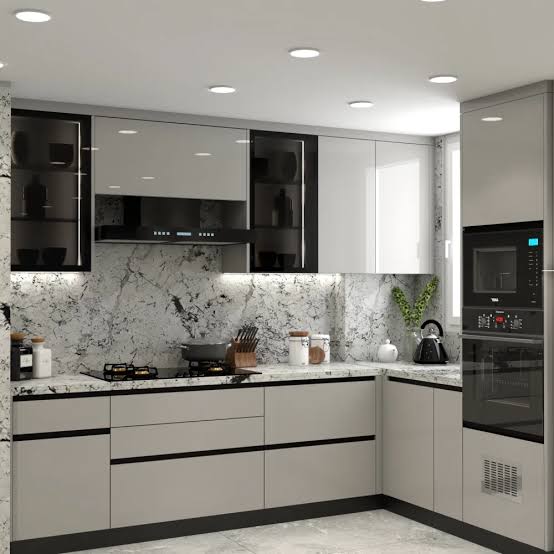
    A kitchen remodel can improve the way a home looks, feels, and functions. Since the kitchen is used for cooking, cleaning, storage, and family activities, even small design problems can affect everyday comfort. A well-planned renovation provides an opportunity to correct these issues while introducing features that make the room more practical. With the right preparation, homeowners can create a space that supports their routines and complements the rest of the property.

    The remodeling process should begin with a clear understanding of the existing kitchen. Some rooms need more storage, while others have outdated appliances, poor lighting, or limited countertop space. Identifying the biggest problems helps homeowners decide which improvements deserve priority. It also prevents unnecessary spending on decorative changes while important functional issues remain unresolved.

    Improving the kitchen layout can make a significant difference. Appliances and work areas should be positioned to allow comfortable movement during meal preparation. The refrigerator, sink, and cooking zone need convenient access without creating crowded walkways. If the kitchen has enough space, adding an island can provide an additional work surface and create a natural gathering point. In smaller rooms, a compact peninsula or movable trolley may offer similar benefits without occupying too much floor space.

    Cabinet upgrades can completely change the appearance of an older kitchen. Replacing damaged units, installing new doors, or updating hardware can give the room a refreshed look. Homeowners should also consider how cabinets function internally. Adjustable shelves, pull-out baskets, and deep drawers make it easier to organize cookware and household supplies. Good storage planning helps keep countertops clear and improves the overall working environment.

    Countertops are another important part of a remodeling project. They should provide enough space for preparing meals while being suitable for regular use. Quartz, granite, laminate, and solid-surface materials offer different appearances, maintenance needs, and price ranges. Comparing samples and understanding the manufacturer’s care instructions can help homeowners select an option that suits their budget and lifestyle.

    Lighting improvements can make the kitchen brighter and more comfortable. A combination of ceiling fixtures and focused task lighting provides better illumination than relying on a single light source. Under-cabinet fixtures are useful for work surfaces, while pendant lights can add character above an island. If the renovation includes changes to windows or doors, natural light can also become an important part of the design.

    Flooring should be selected with durability and maintenance in mind. Kitchen floors are exposed to spills, dropped objects, and constant movement, so the material needs to withstand everyday demands. Porcelain tiles, ceramic tiles, and suitable waterproof flooring products are common options. Professional preparation and installation are important because an uneven or poorly prepared base can cause problems later.

    Modern ventilation is another valuable remodeling improvement. Cooking produces heat, moisture, smoke, and odors that can affect indoor comfort. A suitable extractor hood helps remove these pollutants and keeps nearby surfaces cleaner. The ventilation system should be selected according to the cooking equipment and installation conditions. Filters and ducts also require periodic maintenance to maintain proper performance.

    A kitchen remodel is a good opportunity to review electrical and plumbing systems. Older connections may need attention before new appliances or fixtures are installed. Adding outlets in convenient locations can make the kitchen easier to use, while updated plumbing fixtures may improve water efficiency. Work involving gas, electrical wiring, or major plumbing changes should be completed by qualified professionals.

    Budget planning is essential for avoiding unnecessary stress. Homeowners should account for materials, labor, appliance purchases, permits where required, and unexpected repairs. Keeping a reasonable contingency amount can help manage issues discovered after cabinets or flooring are removed. Getting written estimates and confirming project details before work begins can also make the process more predictable.

    A successful kitchen remodel is not simply about following current design trends. It is about creating a space that fits the household, uses available room effectively, and remains easy to maintain. By prioritizing layout, storage, lighting, durable materials, and essential repairs, homeowners can achieve a kitchen that improves everyday living and adds lasting appeal to their home.

  • The Importance of Proper Kitchen Lighting

    The Importance of Proper Kitchen Lighting

    Lighting is an important feature of every kitchen. It helps people prepare food safely, clean surfaces properly, and perform everyday cooking activities comfortably. A well-lit kitchen also looks more attractive and welcoming. Whether a kitchen is large or small, choosing suitable lighting can improve its appearance and make it more practical.

    1. Improving Visibility While Cooking

    Good lighting makes it easier to see ingredients, read recipes, and prepare meals. Poor lighting can make simple tasks difficult and increase the risk of accidents.

    Bright and evenly distributed light helps people work comfortably. It is especially useful when cutting vegetables, measuring ingredients, or checking whether food is properly cooked.

    2. Increasing Kitchen Safety

    Kitchen activities often involve sharp knives, hot pots, boiling water, and electrical appliances. Proper lighting helps people see potential hazards and avoid unnecessary injuries.

    Well-lit floors and work surfaces also reduce the chances of slipping or accidentally knocking over kitchen equipment.

    3. Using Natural Sunlight

    Natural sunlight is an excellent source of kitchen lighting during the daytime. Windows, glass doors, and suitable openings allow sunlight to enter the room.

    Natural light creates a pleasant atmosphere and reduces the need to switch on electric lights during daylight hours. It can also make a small kitchen feel more spacious and cheerful.

    4. Choosing Suitable Artificial Lights

    Different types of artificial lighting serve different purposes. Ceiling lights provide general illumination, while focused lights can brighten specific working areas.

    LED lights are a popular choice because they are energy-efficient and generally have a long lifespan. Selecting suitable brightness and color temperature helps create a comfortable environment.

    5. Lighting Kitchen Work Areas

    Certain kitchen areas require additional lighting. Countertops, sinks, cooking ranges, and food preparation spaces should be sufficiently illuminated.

    Under-cabinet lights are particularly useful because they brighten countertops that may otherwise be covered by shadows. Properly positioned lights make everyday tasks easier.

    6. Creating an Attractive Atmosphere

    Lighting can influence the overall appearance and mood of a kitchen. Warm lighting can create a comfortable and welcoming feeling, while brighter neutral lighting can provide a clean and practical appearance.

    Decorative pendant lights and modern ceiling fixtures can also improve kitchen design. However, appearance should not come at the expense of proper visibility.

    7. Saving Electricity Through Smart Choices

    Choosing energy-efficient lighting helps reduce electricity consumption. LED bulbs use less electricity than traditional incandescent bulbs while providing effective illumination.

    People can also switch off unnecessary lights when leaving the kitchen. Making use of daylight and installing suitable lighting controls can further reduce energy waste.

    Conclusion

    Proper kitchen lighting improves visibility, safety, comfort, and appearance. Natural sunlight, energy-efficient bulbs, and focused lighting in important work areas can make a kitchen more useful and attractive. By selecting suitable lighting and using electricity responsibly, families can create a pleasant environment for everyday cooking and household activities.

  • Designing an Efficient Kitchen for Busy Households

    Designing an Efficient Kitchen for Busy Households

    A busy household needs a kitchen that can handle daily cooking, grocery storage, cleaning, and family activities without becoming difficult to manage. When several people use the same space, poor organization can quickly lead to crowded countertops and unnecessary delays. An efficient kitchen design focuses on making essential items accessible, reducing wasted movement, and creating enough room for different activities.

    A practical starting point is to organize the kitchen according to everyday tasks. Food preparation, cooking, washing, and storage should each have a convenient location. Keeping chopping boards, knives, and mixing bowls near the main preparation surface saves time. Cooking utensils and frequently used ingredients should be stored close to the stove, while cleaning supplies can remain near the sink in a secure cabinet. This arrangement reduces the need to walk across the room repeatedly.

    Meal preparation becomes easier when the kitchen includes a dedicated area for planning and organizing ingredients. A clear countertop provides space for washing vegetables, measuring ingredients, and arranging cookware before cooking begins. Families that prepare meals in advance may benefit from additional containers and refrigerator storage. Keeping these supplies organized can make weekday cooking faster and reduce last-minute stress.

    A well-designed refrigerator area can also improve efficiency. The refrigerator should be easy to access without blocking the main walkway. Nearby counter space is useful when unpacking groceries or preparing ingredients. Inside the appliance, separate storage sections help organize dairy products, vegetables, beverages, and prepared meals. Regularly checking stored food can prevent waste and make shopping decisions more straightforward.

    Kitchen drawers and cabinets should support quick access to essential equipment. Deep drawers are useful for cookware, while narrow organizers can hold spices, cutlery, and cooking tools. Pull-out pantry shelves make it easier to locate ingredients without searching through crowded cupboards. Storing heavy objects in lower cabinets can also make the kitchen safer and more convenient to use.

    Lighting can improve productivity in a busy kitchen. General ceiling fixtures provide overall illumination, but focused lighting is important for detailed tasks. Under-cabinet lights can brighten preparation surfaces, while suitable lighting above the sink makes washing dishes easier. If the kitchen includes a dining counter, a separate fixture can create a comfortable atmosphere for quick meals and conversations.

    Durable surfaces are particularly valuable in households where the kitchen is used throughout the day. Countertops should withstand regular cleaning and everyday food preparation. Cabinet finishes should be easy to maintain, and flooring should handle spills and frequent movement. Choosing materials according to their maintenance requirements can help homeowners avoid unnecessary repairs and replacements.

    Waste management should be simple and accessible. Separate containers for general rubbish and recyclable materials can encourage better household habits. A pull-out bin system inside a cabinet keeps containers out of sight while making them convenient to reach. Food waste should be removed regularly to prevent unpleasant odors and discourage pests. Keeping cleaning supplies organized in a designated area also makes routine maintenance easier.

    Appliance selection should reflect the actual needs of the household. A large family may require a spacious refrigerator and dishwasher, while a smaller household might benefit from compact equipment. Before purchasing appliances, homeowners should compare capacity, energy consumption, noise levels, and maintenance requirements. Proper measurements are essential to ensure that doors and drawers can open without interfering with nearby cabinets.

    A kitchen used by several family members should also include enough room for safe movement. Clear walkways, accessible storage, and appropriately positioned appliances can reduce interruptions during cooking. If children regularly enter the kitchen, potentially dangerous items should be stored securely, and hot cooking areas should remain separate from busy pathways.

    An efficient kitchen is created through practical planning rather than expensive decorations. A sensible layout, organized storage, reliable appliances, durable materials, and suitable lighting can make everyday tasks easier. By arranging the space around household routines, homeowners can create a kitchen that remains organized and comfortable even during the busiest parts of the day.

  • The Role of Spices in Traditional Cooking

    The Role of Spices in Traditional Cooking

    Spices play an important role in traditional cooking around the world. They add flavor, aroma, color, and character to everyday meals. In countries such as Pakistan, spices are an essential part of many popular dishes, including biryani, karahi, nihari, and different types of curries. Learning how to use spices correctly can transform simple ingredients into delicious and memorable meals.

    1. Adding Flavor to Food

    The main purpose of spices is to improve the taste of food. Each spice has a unique flavor that can make a dish sweet, spicy, earthy, warm, or slightly bitter.

    For example, cumin adds an earthy taste, black pepper provides mild heat, and cinnamon gives a warm sweetness. Combining different spices in suitable quantities creates balanced and flavorful dishes.

    2. Enhancing Food Aroma

    A pleasant aroma makes food more attractive and enjoyable. Spices such as cardamom, cloves, cinnamon, and cumin release distinctive fragrances when added during cooking.

    Many traditional recipes begin by heating whole spices in oil or ghee. This process helps release their natural aromas and creates a flavorful foundation for the dish.

    3. Giving Food Beautiful Colors

    Spices also contribute to the appearance of meals. Turmeric provides a golden-yellow color, while red chili powder adds a rich reddish appearance.

    Paprika and saffron are also used in different cuisines to improve the color of food. A beautifully colored meal often looks more appetizing and inviting.

    4. Preserving Cultural Traditions

    Every region has its own traditional combinations of spices. Pakistani cuisine commonly uses coriander, cumin, turmeric, red chili, garam masala, and other seasonings.

    These combinations are often passed down through generations. Family recipes preserve traditional cooking methods and connect younger generations with their cultural heritage.

    5. Encouraging Cooking Creativity

    Spices allow cooks to experiment with different flavors and create unique recipes. Changing the quantity of a particular spice can produce a completely different taste.

    People can also explore international cuisines by trying new seasoning combinations. This makes cooking more interesting and encourages creativity in the kitchen.

    6. Using Spices in Balanced Quantities

    Although spices improve food, using too much can overpower other ingredients. A balanced combination is important for achieving the desired flavor.

    Beginners should start with small quantities and adjust the seasoning gradually. Understanding how spices interact with one another helps produce delicious and consistent results.

    7. Storing Spices Properly

    Proper storage helps maintain the freshness and quality of spices. They should generally be kept in airtight containers away from direct sunlight, moisture, and excessive heat.

    Whole spices often retain their flavor longer than ground spices. Labeling containers and checking their freshness regularly also makes kitchen organization easier.

    Conclusion

    Spices are an essential part of traditional cooking because they improve flavor, aroma, color, and cultural identity. They allow cooks to prepare a wide variety of delicious dishes using simple ingredients. By learning about different spices, using them in balanced quantities, and storing them properly, anyone can develop better cooking skills and enjoy the richness of traditional food.

  • Kitchen Design Ideas for Open Living Spaces

    Kitchen Design Ideas for Open Living Spaces

    Open-plan living has changed the way many homeowners think about kitchen design. Instead of being a separate room used only for cooking, the kitchen often connects directly with dining and living areas. This arrangement creates a more social environment where family members and guests can interact while meals are being prepared. However, designing an open kitchen requires careful planning to maintain comfort, organization, and visual balance throughout the home.

    One of the most important considerations is creating a natural connection between the kitchen and nearby living areas. Cabinet finishes, flooring, wall colors, and decorative details should complement the surrounding interior. This does not mean every space must look identical. Using similar materials or coordinating colors can create a consistent appearance while allowing the kitchen to maintain its own identity.

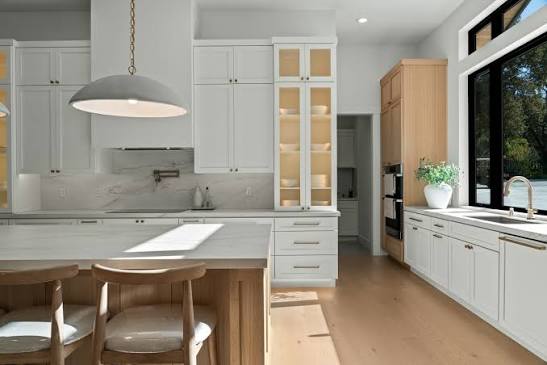
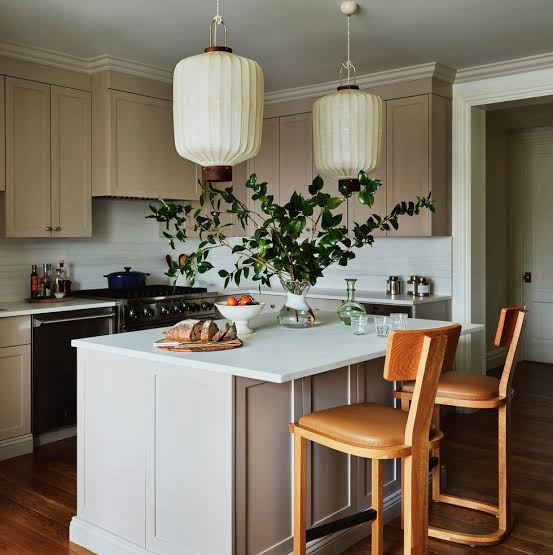
    A kitchen island can serve as a useful dividing feature in an open-plan layout. It creates a clear boundary between the cooking area and the living space without completely separating them. Depending on its size, an island can provide additional countertop space, storage drawers, and casual seating. It can also become a central gathering point for conversations, quick meals, and family activities. Adequate clearance around the island is essential to keep movement comfortable.

    Storage becomes especially important in an open kitchen because more of the room remains visible from other areas. Unorganized countertops can make the entire living space appear untidy. Cabinets with sufficient internal storage help keep cookware, food containers, and small appliances out of sight. A dedicated pantry can provide additional space for groceries, while built-in organizers make frequently used items easier to access.

    Ventilation should receive particular attention when the kitchen shares space with a living room or dining area. Cooking smells, steam, and airborne grease can travel into nearby spaces if the ventilation system is inadequate. A suitable extractor hood can help remove cooking fumes at their source. Regularly cleaning filters and maintaining the equipment supports effective operation. Opening windows when appropriate can also improve airflow.

    Lighting helps define different zones within an open-plan room. Bright task lighting should illuminate countertops, sinks, and cooking areas. Pendant fixtures above an island can create a visual focal point, while softer lighting in the dining and living sections supports a relaxed atmosphere. Using compatible fixture styles helps connect the spaces without making them feel repetitive.

    Flooring choices can influence how unified the entire area looks. Continuing the same flooring from the kitchen into the dining or living room can create a sense of spaciousness. However, the selected material must also be suitable for kitchen conditions, where spills and moisture are common. Durable flooring with appropriate cleaning requirements is a practical choice for households that use the space frequently.

    Sound control is another factor that can affect comfort. Dishwashers, extractor fans, refrigerators, and other appliances may create noise that travels into nearby seating areas. Choosing quieter appliances can make an open-plan home more pleasant, particularly during family gatherings. Soft furnishings, rugs in suitable areas, and curtains can also help reduce sound reflections in larger spaces.

    Furniture placement should allow people to move easily between the kitchen, dining table, and living area. Dining chairs should not block access to appliances, and sofas should be positioned away from busy cooking routes. Planning these details before purchasing furniture can prevent overcrowding and make the entire space more functional.

    Decorative features can help give an open kitchen a welcoming personality. Pendant lights, indoor plants, wooden accessories, and carefully selected artwork can introduce warmth. Display shelves may provide space for attractive dishes or decorative objects, but they should be kept organized to avoid visual clutter.

    An effective open-plan kitchen combines the convenience of a practical cooking area with the comfort of a shared living environment. Thoughtful zoning, suitable ventilation, coordinated materials, efficient storage, and balanced lighting can make the arrangement work beautifully. With careful planning, homeowners can create a connected space that supports cooking, entertaining, and everyday family life.

  • The Importance of Choosing Quality Kitchen Utensils

    The Importance of Choosing Quality Kitchen Utensils

    Kitchen utensils are essential tools that make cooking easier, faster, and more enjoyable. From simple spoons and spatulas to pots, pans, and knives, every utensil has a specific purpose. Choosing good-quality kitchen utensils helps improve cooking results, saves time, and supports a safe and comfortable cooking environment. Understanding different materials and their uses can help families make better choices for their kitchens.

    1. Making Cooking Easier

    The right kitchen utensils simplify everyday cooking activities. A sharp knife helps cut vegetables efficiently, a good spatula makes stirring easier, and a suitable cooking pot helps prepare different dishes properly.

    Having the necessary tools within reach also reduces unnecessary effort. When utensils are selected according to their purpose, cooking becomes more organized and convenient.

    2. Choosing Durable Materials

    Kitchen utensils are available in different materials, including stainless steel, wood, silicone, glass, and plastic. Each material has its own advantages and suitable uses.

    Stainless steel is popular because it is strong and generally resistant to rust. Wooden utensils are useful for stirring, while heat-resistant silicone tools are suitable for many nonstick cookware surfaces.

    Selecting durable materials helps utensils last longer and reduces the need for frequent replacements.

    3. Supporting Food Safety

    The quality and condition of kitchen utensils can affect food safety. Damaged, rusty, or poorly cleaned tools may create hygiene problems.

    Utensils should be made from food-safe materials and washed properly after use. Separate chopping boards for raw meat and vegetables can also help prevent cross-contamination.

    4. Protecting Cookware

    Using unsuitable utensils can damage expensive cookware. For example, metal tools may scratch the coating of certain nonstick pans.

    Wooden or silicone spatulas are often better choices for these surfaces. Selecting compatible utensils helps protect cookware and maintain its usefulness for a longer period.

    5. Improving Cooking Results

    Different utensils are designed for specific cooking tasks. A whisk helps combine ingredients smoothly, measuring cups support accurate quantities, and a sieve helps separate unwanted particles from flour or other ingredients.

    Using the correct tool can improve the texture, appearance, and consistency of prepared dishes. It also helps beginners follow recipes more accurately.

    6. Saving Time and Money

    Good-quality utensils may cost more initially, but durable products can provide better long-term value. Cheap tools that break easily may need to be replaced repeatedly.

    Choosing reliable utensils according to household needs helps avoid unnecessary spending. It is better to purchase a few useful, well-made items than to fill the kitchen with tools that are rarely used.

    7. Maintaining Kitchen Utensils

    Proper care helps extend the life of kitchen utensils. They should be washed according to their material and dried thoroughly before storage when necessary.

    Sharp knives should be stored safely, wooden utensils should not remain soaked in water, and damaged tools should be replaced when they are no longer safe to use.

    Conclusion

    Choosing quality kitchen utensils is an important part of creating an efficient and safe cooking environment. Suitable materials, durable designs, and proper maintenance help improve cooking results and reduce unnecessary expenses. By selecting the right tools for everyday needs, families can make their cooking activities easier, safer, and more enjoyable.

  • Bringing Natural Warmth Into Your Kitchen

    Bringing Natural Warmth Into Your Kitchen

    A kitchen can feel more welcoming when its design includes natural textures, warm colors, and thoughtful details inspired by the outdoors. While modern finishes often create a clean appearance, natural elements bring softness and character to the room. Wood, stone, greenery, and natural light can work together to create a comfortable environment that feels connected to the rest of the home.

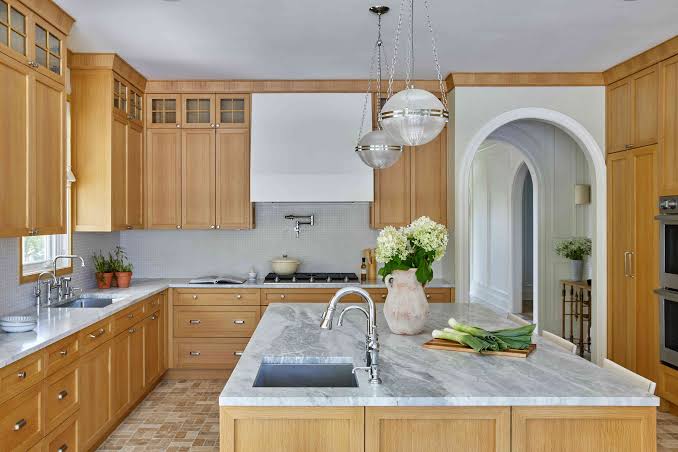
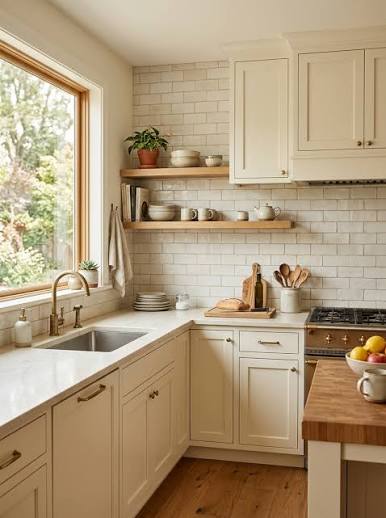
    Wood is one of the most versatile materials for introducing warmth into a kitchen. It can be used for cabinet doors, floating shelves, flooring, dining furniture, or decorative accents. Light oak and maple often create a bright and relaxed atmosphere, while darker wood tones can add depth and a more traditional appearance. Homeowners should select finishes suitable for kitchen conditions and protect wooden surfaces from excessive moisture and heat.

    Natural stone can provide another attractive feature. Granite countertops, stone backsplashes, and textured floor tiles introduce patterns that are difficult to reproduce exactly with manufactured materials. Each piece of natural stone may have its own variations in color and texture, giving the kitchen a distinctive appearance. Since different stones have different care requirements, it is important to understand whether sealing or specialized cleaning products are needed.

    Indoor plants can make a kitchen feel fresher and more lively. Small herb pots containing basil, mint, rosemary, or parsley can provide convenient ingredients for everyday cooking. A sunny windowsill may be suitable for growing certain herbs, while other plants may need indirect light. Choosing plants that are appropriate for the available conditions helps prevent unnecessary maintenance. Their containers should also be placed away from hot surfaces and areas where they could easily be knocked over.

    Natural light can have a significant effect on the atmosphere of a kitchen. Large windows, glass doors, and appropriately positioned skylights can help brighten the room during daylight hours. Light-colored curtains or blinds allow homeowners to manage privacy without completely blocking sunlight. Keeping window areas relatively uncluttered can also make a smaller kitchen feel more spacious.

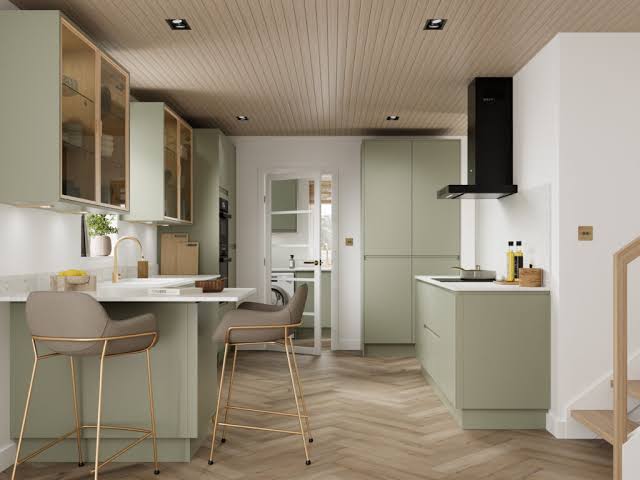
    A natural color palette can connect different materials and create a balanced interior. Warm white, sandy beige, muted green, and earthy brown are useful choices for walls, cabinets, and decorative details. These colors complement wood and stone while maintaining a calm appearance. Instead of using several strong shades, homeowners can select a neutral foundation and introduce a few natural accent colors through accessories or textiles.

    Lighting fixtures can reinforce the overall design. Pendant lights made with wood, glass, or natural-looking finishes can add character above a kitchen island or dining counter. Under-cabinet lighting provides practical illumination for food preparation, while ceiling fixtures brighten the entire room. Combining different types of lighting makes the kitchen more adaptable to cooking, cleaning, and relaxed family meals.

    Natural textures can also appear in smaller details. Woven baskets can hold fruit or kitchen towels, while wooden chopping boards can be displayed neatly when not in use. Linen curtains and simple cotton runners may introduce softness without making the room feel crowded. These accessories should remain easy to clean because kitchens are exposed to cooking grease, moisture, and occasional spills.

    Ventilation is essential when incorporating natural materials and plants into a kitchen. Cooking produces steam and moisture that can affect cabinets, wooden surfaces, and nearby walls if airflow is inadequate. A suitable extractor hood helps remove excess moisture and odors. Regularly checking ventilation equipment and cleaning its filters can support a healthier indoor environment.

    Homeowners should also consider sustainability when selecting natural finishes. Responsibly sourced wood, long-lasting countertops, reusable storage containers, and energy-efficient lighting can support more environmentally conscious choices. Durable materials may cost more initially, but their longer service life can reduce the need for frequent replacements.

    Bringing natural warmth into a kitchen is not about filling every corner with decorative objects. It is about choosing a thoughtful combination of materials, colors, plants, and lighting that makes the room feel comfortable. With balanced design choices and practical maintenance, a kitchen can become a relaxing space that combines natural beauty with everyday functionality.

  • The Beauty and Benefits of Kitchen Gardening

    The Beauty and Benefits of Kitchen Gardening

    A kitchen garden is a small area where people grow vegetables, herbs, and sometimes fruits for household use. It can be created in a backyard, on a rooftop, on a balcony, or even near a sunny kitchen window. Kitchen gardening is a rewarding activity that brings nature closer to home. It also encourages healthy eating, saves money, and makes everyday cooking more enjoyable.

    1. Growing Fresh Vegetables

    One of the greatest benefits of a kitchen garden is having access to fresh vegetables. People can grow tomatoes, green chilies, spinach, coriander, mint, and other useful plants.

    Freshly harvested vegetables can be added directly to homemade meals. Growing food at home also helps families understand where their ingredients come from.

    2. Saving Household Money

    Purchasing fresh vegetables and herbs regularly can increase household expenses. A small kitchen garden can reduce some of these costs by providing commonly used ingredients.

    For example, growing coriander, mint, and green chilies can be especially useful because these ingredients are frequently included in everyday recipes. Although gardening requires some initial effort, it can provide benefits over time.

    3. Encouraging Healthy Eating

    Growing vegetables at home can encourage family members to eat more fresh and nutritious foods. Children may become more interested in trying vegetables when they have helped grow them.

    A kitchen garden also makes it easier to include fresh herbs and vegetables in salads, soups, curries, and other meals.

    4. Making Better Use of Small Spaces

    Kitchen gardening does not always require a large garden. People living in apartments or houses with limited outdoor space can use pots, containers, hanging baskets, and vertical shelves.

    Plants such as mint, coriander, and lettuce can grow in suitable containers. Choosing the right plants for the available space makes gardening practical for almost any household.

    5. Improving the Home Environment

    Plants add natural beauty and freshness to the surroundings. A small collection of green plants can make a balcony, rooftop, or backyard look more attractive.

    Gardening also provides an opportunity to spend time outdoors and enjoy nature. Caring for plants can become a relaxing activity after a busy day.

    6. Teaching Children Responsibility

    A kitchen garden can be a useful learning experience for children. They can help plant seeds, water plants, remove weeds, and observe how vegetables grow.

    These activities teach patience, responsibility, and respect for nature. Children also learn that producing food requires time, effort, and care.

    7. Practicing Environmentally Friendly Habits

    Kitchen gardening can encourage families to adopt environmentally responsible practices. They can reuse suitable containers, collect rainwater where practical, and turn certain kitchen scraps into compost.

    Composting suitable vegetable and fruit waste helps create natural material that improves soil quality. These practices reduce household waste and support more sustainable living.

    Conclusion

    Kitchen gardening is a simple and rewarding way to bring nature into everyday life. It provides fresh ingredients, helps reduce some household expenses, encourages healthy eating, and creates opportunities for learning and relaxation. Whether someone has a large backyard or just a small balcony, growing a few useful plants can make the home greener and more enjoyable.