A Food Worker Finishes Cleaning.
You’ve just finished a long day at work, and now it’s time for one of the most crucial tasks: cleaning and sanitizing the kitchen. Imagine the satisfaction of seeing every surface gleam, the fresh scent of cleanliness filling the air, and knowing that the kitchen is safe and ready for the next day.
But why is this task so important, and what’s the best way to ensure you’re doing it right? We’ll dive into the essential steps a food worker takes to clean and sanitize a kitchen effectively, ensuring both health and safety standards are met.
By the end, you'll not only understand the process but also gain insights that can enhance your own cleaning routine. Ready to discover the secrets to a spotless kitchen that keeps everyone safe and satisfied? Let's get started.
Preparing For Cleaning
Cleaning and sanitizing a kitchen is a crucial task. Before diving in, preparation is essential. A well-prepared kitchen worker ensures a clean and safe environment. This preparation helps in completing the job efficiently and effectively.
Gathering Supplies
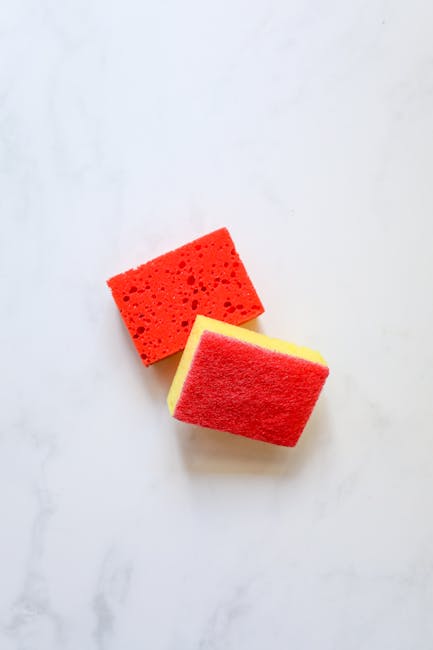
First, gather all necessary cleaning supplies. This includes disinfectants, sponges, and cloths. A mop and bucket are also important. Make sure everything is within reach. This saves time during the cleaning process.
Safety Precautions
Safety is key in a kitchen environment. Wear gloves to protect your hands. Use goggles if working with strong chemicals. Ensure the area is well-ventilated. This prevents inhaling harmful fumes. A safe environment is a productive one.

Credit: www.amazon.com
Organizing The Kitchen
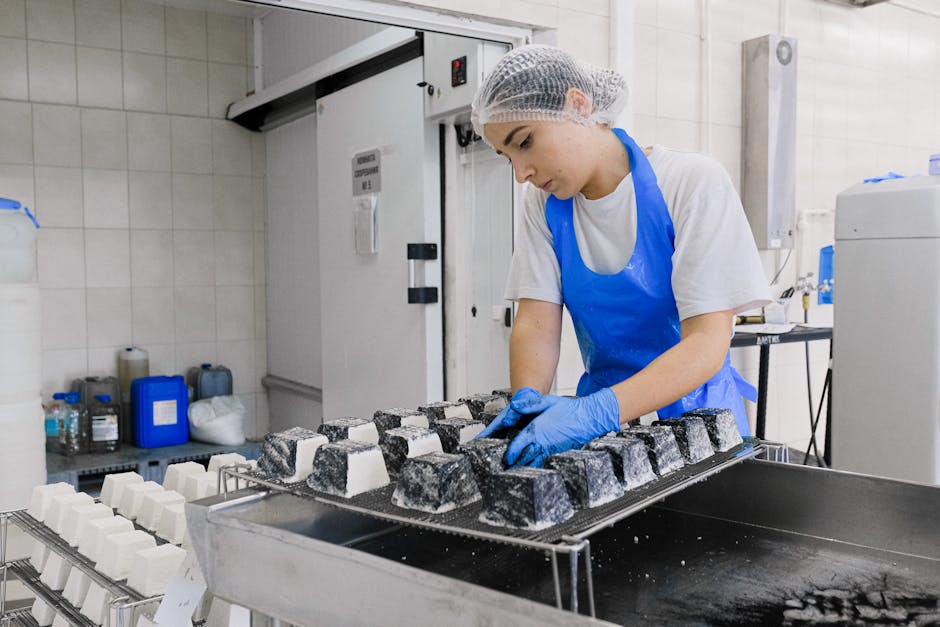
A food worker completes cleaning and sanitizing the kitchen, ensuring surfaces sparkle and germs are eliminated. Organization becomes key, with utensils neatly arranged and ingredients stored properly, creating a tidy and safe cooking environment.
Organizing the kitchen after cleaning and sanitizing is crucial for maintaining efficiency and ensuring a seamless workflow. A well-organized kitchen not only makes cooking more enjoyable but also helps in reducing food waste and saving time. Imagine finishing your cleaning routine, and instead of chaos, you find a harmonious space ready to serve your culinary creativity. Let’s dive into how you can achieve this by focusing on decluttering countertops and arranging utensils and equipment effectively.
Decluttering Countertops
Start by clearing every item off your countertops. It sounds simple, but removing everything helps you see the space with fresh eyes. With a clear view, you'll realize how much space you actually have and how to best utilize it. Next, evaluate which items truly need to be on the countertops. Think about your daily habits. Do you use your coffee maker every morning? If yes, then it deserves a spot.
However, if that juicer hasn’t seen a fruit in months, maybe it’s time for it to find a new home in the cupboard. Finally, consider the aesthetic aspect. An organized kitchen should be pleasing to the eye. Align small appliances and decorative items in a way that adds to the visual appeal. Remember, less is more. Keeping your countertops clutter-free not only enhances your kitchen's appearance but also makes cleaning easier.
Arranging Utensils And Equipment
Begin by categorizing your utensils and equipment. Group similar items together. For instance, place all your baking tools in one drawer and cooking spatulas in another. This way, when you're in a hurry, you won’t waste time searching for the right tool. Consider the frequency of use when deciding where to store items. Those cookie cutters you use only during holidays can be stored in the back of the cabinet, while the essential frying pan should be within arm’s reach.
Personalize your space to fit your cooking style. If you love cooking Italian dishes, maybe you need easy access to pasta pots and strainers. Arrange your kitchen in a way that complements your culinary interests. What items do you find yourself reaching for most often? Finally, don’t overlook the importance of labels. Labeling shelves and drawers helps everyone in your household find what they need without confusion. It's a small detail that makes a big difference. By organizing your kitchen effectively, you create a welcoming space that invites you to cook and enjoy the process. What is the one change you will make today to transform your kitchen into an organized haven?
Cleaning Surfaces
Cleaning surfaces in a kitchen is crucial for food safety. A sanitized kitchen prevents bacteria and germs. This keeps food fresh and safe for consumption. Clean surfaces also enhance the kitchen's appearance. Let's explore the essential steps to achieve this.
Wiping Down Counters
Start with clean cloths or disposable wipes. Ensure they are free from dirt. Use a mild detergent mixed with water. This solution effectively removes food residues. Wipe the counters in a circular motion. Pay attention to corners and edges. These areas often trap crumbs and spills. Rinse the cloth frequently to avoid spreading dirt.
Once wiped, dry the counters with a clean towel. A dry surface prevents bacteria growth. Regularly clean counters to maintain a hygienic space. This routine ensures a safe environment for food preparation.
Scrubbing Appliances
Appliances require thorough cleaning to function efficiently. Start by unplugging the appliance to ensure safety. Use a soft brush or sponge for scrubbing. Avoid abrasive materials that may scratch surfaces. Apply a gentle cleaning solution to the sponge. Scrub the appliance's exterior in small sections.
Focus on knobs and handles as they gather grime. Rinse the sponge often to remove dirt. Dry the appliance with a soft towel after cleaning. This prevents water spots and streaks. Regular appliance maintenance prolongs their lifespan. It also enhances the overall kitchen hygiene.
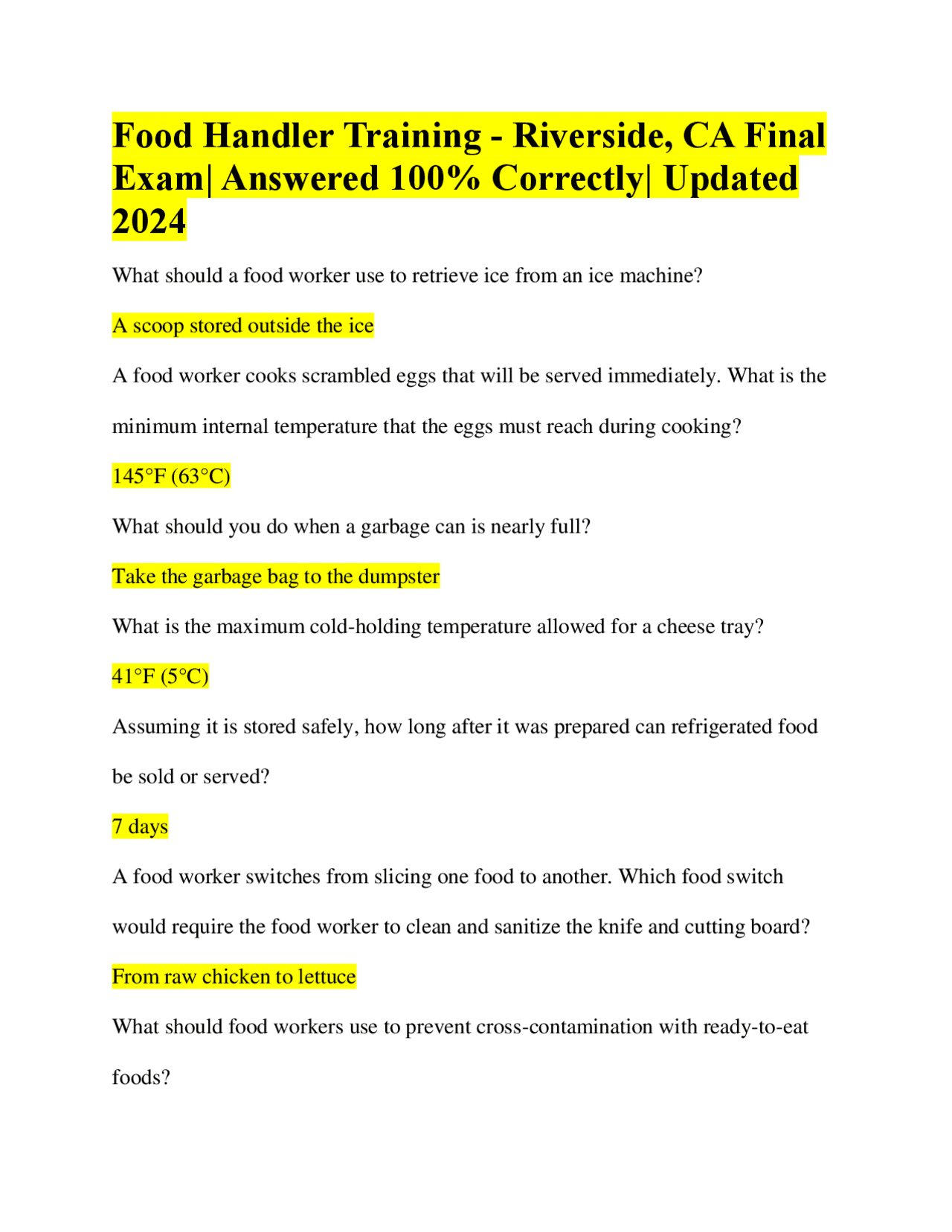
Credit: www.docsity.com
Deep Cleaning Techniques
Deep cleaning a kitchen is vital for maintaining a safe cooking environment. It ensures all surfaces are free from harmful bacteria and grime. By employing effective techniques, food workers can maintain cleanliness and uphold health standards.
Sanitizing The Sink
The sink is a hotspot for germs and bacteria. To sanitize it, first scrub the surface with a mild detergent. Rinse thoroughly with warm water to remove soap residues. Next, apply a disinfectant spray or solution. Let it sit for a few minutes to kill germs. Finish by rinsing with clean water. Dry with a clean cloth to prevent water spots.
Degreasing Stovetops
Stovetops accumulate grease and food particles over time. Start by removing burners and grates. Soak them in hot, soapy water. Use a degreasing agent on the stovetop surface. Scrub with a non-abrasive pad to remove stubborn grease. Wipe down with a damp cloth to remove residue. Dry all parts thoroughly before reassembling.
Floor Care
A food worker ensures cleanliness by completing the kitchen's sanitization. The floor shines, free from spills and germs. Proper floor care enhances safety and hygiene in food preparation areas.
Ensuring that the kitchen is spotless and hygienic is crucial, especially after a long day of meal prep and cooking. The floor, often the unsung hero of the kitchen, takes on the brunt of spills, crumbs, and foot traffic. Proper floor care not only maintains a clean appearance but also ensures safety by reducing slip hazards. But how do you tackle the task efficiently and effectively? Let's dig into the essentials of floor care, starting with sweeping and mopping, and then handling those stubborn stains.
Sweeping And Mopping
Begin your floor care routine with sweeping. A good quality broom can make all the difference. Sweep the entire kitchen floor, paying close attention to corners and under appliances where dirt tends to accumulate. Once the floor is free of loose debris, it's time to mop. Use warm water and a mild detergent to remove any remaining dust and grime.
A microfiber mop is ideal because it traps more dirt and requires less water, which helps the floor dry faster. For a little extra shine, consider adding a splash of vinegar to your mop water. It’s a natural disinfectant and leaves tiles gleaming. But always test on a small area first to ensure it doesn’t affect the floor finish.
Handling Stubborn Stains
Stubborn stains can be frustrating, but they're not impossible to remove. Identify the type of stain before choosing a cleaning solution. For instance, grease stains might respond well to a baking soda paste, while coffee stains may require a bit of hydrogen peroxide. Apply the cleaning solution directly to the stain and let it sit for a few minutes.
Use a scrub brush to work the solution into the stain gently. Rinse the area with clean water and dry it with a cloth to prevent any residue. Regular attention to these trouble spots will make future cleaning easier and keep your kitchen floor looking pristine. Have you ever found a surprise stain that seemed impossible to remove? What tricks have you discovered that work wonders in your kitchen? Share your experiences and tips with others—they might just save someone else's day!
Final Touches
A food worker diligently finishes cleaning and sanitizing the kitchen, ensuring every surface sparkles. This meticulous attention guarantees a safe and hygienic environment for food preparation. Cleanliness and care lay the foundation for a healthy kitchen.
Cleaning and sanitizing the kitchen is a crucial task for any food worker, but it's the final touches that truly make a difference. These last steps ensure the kitchen is not only safe and clean but also welcoming and pleasant. It's about creating an environment where both staff and guests feel comfortable. Let’s dive into the essential final touches that complete the kitchen cleaning process.
Polishing Fixtures
Once the countertops are spotless and the floors gleam, it's time to focus on the fixtures. Start by polishing faucets, handles, and knobs. A shiny faucet can transform the look of your kitchen. Use a microfiber cloth to wipe away any smudges or fingerprints. If you’ve ever noticed how a simple polish can make even an old fixture look new, you know the impact this small task can have. Have you considered how polished fixtures can reflect the cleanliness of the entire kitchen? It’s not just about appearance; it's about pride in your work.
Refreshing The Air
With surfaces clean and fixtures polished, the next step is refreshing the air. A fresh scent can enhance the sense of cleanliness in your kitchen. Open windows to let in natural air or use a safe air freshener. Consider using essential oils like lemon or lavender to create a pleasant aroma. This can be particularly effective after cooking dishes with strong odors. Is there anything more inviting than walking into a kitchen filled with a fresh, light scent?
This simple step can make a world of difference in how the space feels. These final touches, though small, play a significant role in completing the kitchen cleaning process. They add that extra layer of care and attention that sets apart a good kitchen from a great one. So next time you finish cleaning, remember: the details matter.
Maintaining The Sparkle
After a long day in the kitchen, cleanliness is key. A clean kitchen sparkles and shines. It ensures food safety and hygiene. The effort you put into cleaning pays off. A spotless kitchen is welcoming and pleasant. Let's explore how to maintain that sparkle.
Regular Cleaning Schedule
A regular cleaning schedule is essential. It keeps the kitchen in top shape. Start with a daily routine. Wipe down counters and surfaces. Mop the floors to remove stains. Clean spills immediately to prevent buildup. A weekly deep clean tackles hidden dirt. Focus on appliances and hard-to-reach areas.
Consistency is the secret. Mark cleaning days on your calendar. This habit prevents overwhelming dirt. It also saves time in the long run. Regular cleaning protects kitchen equipment. It extends their lifespan and ensures efficiency.
Tips For Quick Clean-ups
Quick clean-ups save time and effort. Keep cleaning supplies within reach. Use a cloth or sponge for spills. A quick wipe prevents sticky messes. Clean as you cook to minimize post-cooking mess. This habit maintains a tidy workspace. Empty the trash daily to avoid odors.
Organize your kitchen for efficiency. Store items where you use them most. This reduces clutter and makes cleaning easier. Lastly, involve everyone in the household. Shared responsibilities make cleaning less daunting.

Credit: www.dreamstime.com
Frequently Asked Questions
Why Is Kitchen Cleaning Essential For Food Safety?
Kitchen cleaning is crucial for preventing foodborne illnesses. It removes bacteria, viruses, and allergens from surfaces. Ensuring cleanliness helps maintain a hygienic environment. This practice protects customers and staff, complying with health regulations. Regular cleaning schedules enhance overall food quality and safety.
How Often Should A Kitchen Be Sanitized?
A kitchen should be sanitized daily, especially after each food prep session. Regular sanitization prevents contamination and maintains cleanliness. High-traffic areas and equipment require frequent attention. Following health guidelines ensures safe food handling. This routine helps prevent the spread of harmful bacteria and viruses.
What Are Effective Kitchen Sanitization Methods?
Effective methods include using disinfectant sprays, wipes, and steam cleaners. Hot water and soap are essential for cleaning surfaces. Follow manufacturer instructions for chemical disinfectants. Regularly clean cutting boards and utensils. Ensure thorough sanitization of high-touch areas like handles and switches.
How Can A Clean Kitchen Improve Efficiency?
A clean kitchen improves efficiency by reducing the risk of contamination. It enhances workflow by organizing supplies and tools. Staff can locate items quickly, saving time. Clean environments boost morale and productivity. Maintaining cleanliness ensures compliance with health standards, avoiding disruptions.
Conclusion
A clean kitchen means safe food for everyone. Regular cleaning avoids germs and illness. It ensures food stays fresh and tasty. Workers must clean and sanitize daily. This keeps the kitchen ready for use. Clean tools and surfaces support healthy cooking.
Every effort counts. A clean kitchen builds trust with customers. It shows care and professionalism. This is essential for any food business. Good hygiene practices protect everyone. Let's keep the kitchen clean and safe always. It's worth the effort.