
Are your old kitchen appliances taking up valuable space in your cupboards? You’re not alone.
Many people face the challenge of figuring out what to do with those small kitchen gadgets that no longer serve their purpose. Simply tossing them in the trash can feel wasteful and even harmful to the environment. But don't worry.
In this guide, you'll discover practical and eco-friendly ways to dispose of your small kitchen appliances. Imagine freeing up space in your kitchen, contributing to a cleaner environment, and feeling good about your choices. Dive in and learn how you can make a positive impact while decluttering your home.
Identify Appliance Types
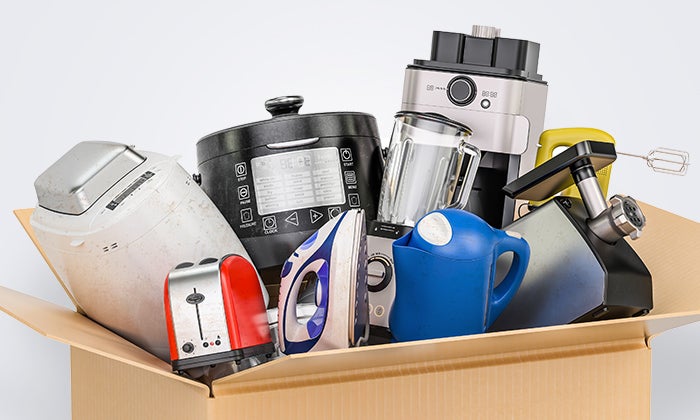
Sorting old blenders or toasters for disposal? Check local recycling centers for proper appliance disposal options. Many offer special bins or events for small kitchen items.
Properly disposing of small kitchen appliances starts with identifying the types of appliances you have. By understanding what you're dealing with, you can make informed decisions about how to recycle or dispose of them responsibly. This not only helps in decluttering your space but also contributes to environmental sustainability. So, which appliances are we talking about?
Common Small Appliances
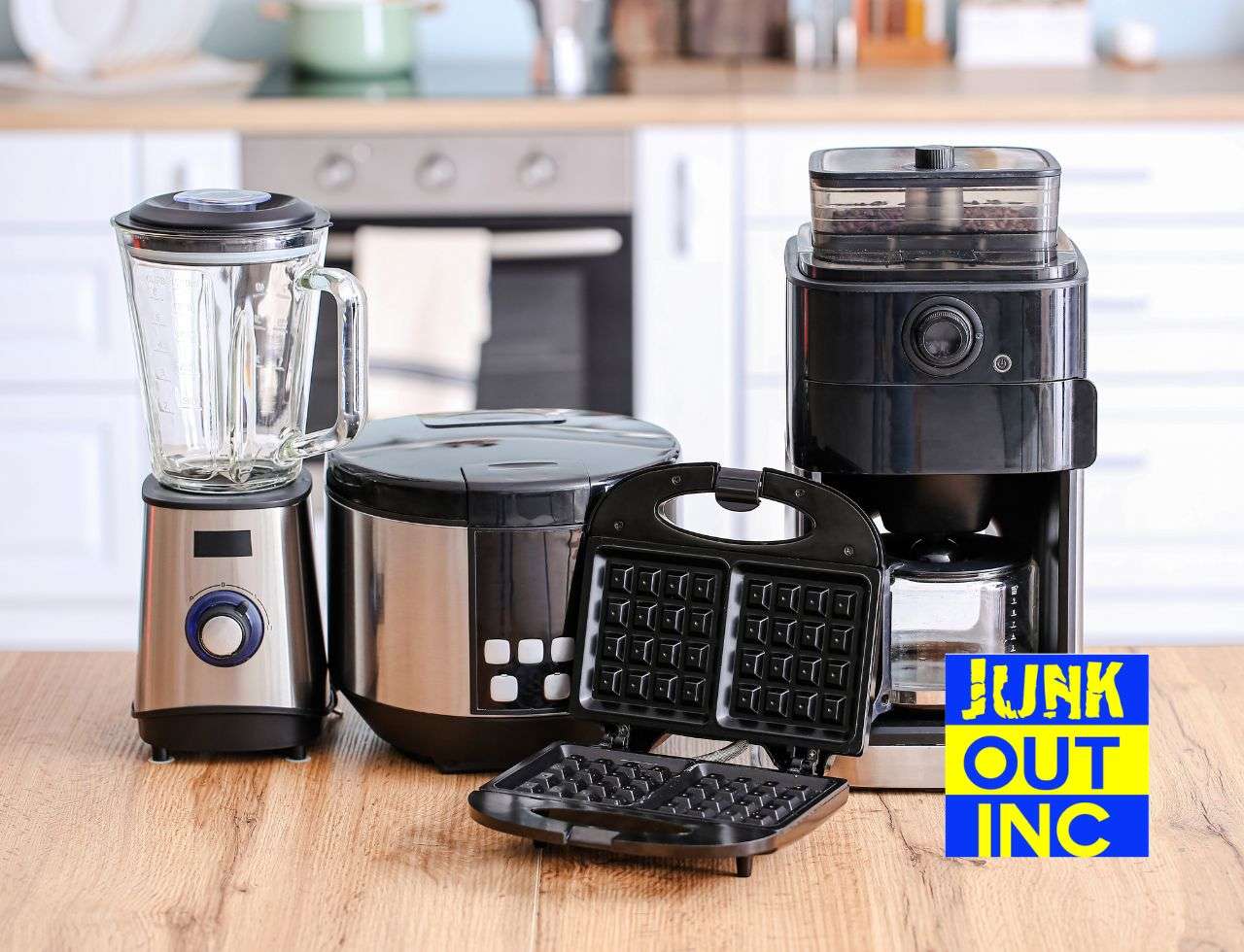
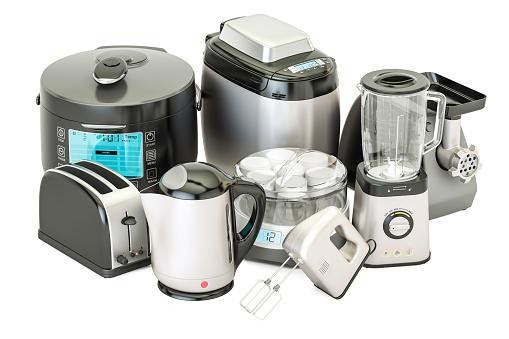
Think about the appliances you use daily or weekly. Items like toasters, blenders, coffee makers, and microwaves are common in many kitchens. These gadgets make our lives more convenient but eventually wear out or get replaced. Have you ever wondered what happens to that old toaster when you toss it out? Simply throwing it away can harm the environment. Knowing the category of each appliance helps in determining the best disposal method. You might even find some appliances you forgot you had! Sorting through your collection can be a fun trip down memory lane.
Hazardous Components
Many small kitchen appliances contain parts that shouldn't end up in a landfill. For example, appliances like microwaves and coffee makers may have electronic components or batteries that are considered hazardous. These parts can leak toxins into the soil and water if not disposed of properly. Ever opened up a blender to find a fuse or small circuit board inside? These components need special attention. Before disposing of any appliance, check if it contains parts that require special handling. This simple step can make a big difference in protecting the environment. Have you checked the back of your microwave for disposal instructions? Manufacturers often provide guidance to safely dispose of their products. Being aware of these hazardous components helps you take the right steps in disposing of your appliances responsibly.
Credit: www.junkoutinc.com
Donation And Reuse Options
Disposing of small kitchen appliances can be challenging. Donation and reuse offer sustainable solutions. These options not only reduce waste but also support communities. Discover ways to give your unwanted appliances a second life.
Charitable Organizations
Many charities accept small kitchen appliances. These items often benefit those in need. Check local charities for donation requirements. Some may offer pick-up services. This makes donating convenient and hassle-free.
Research organizations that align with your values. Ensure appliances are in working condition. This guarantees they are useful to recipients. Clean and test each item before donating. This ensures appliances are ready for use.
Community Swap Events
Swap events are excellent for reusing kitchen appliances. These gatherings bring communities together. Participants exchange items they no longer need. This offers a chance to find new kitchen gadgets.
Check local event listings for upcoming swaps. Hosting a swap event is another option. Invite friends and neighbors to participate. Encourage everyone to bring usable appliances. This promotes reuse and community engagement.
Recycling Programs
Disposing of small kitchen appliances can be simple. Many recycling programs accept items like toasters and blenders. Check local guidelines to ensure proper disposal and contribute to a cleaner environment.
Recycling small kitchen appliances can be a bit tricky. Tossing them in the trash isn't the best option, as they contain materials that can harm the environment. Recycling programs offer a sustainable way to dispose of these gadgets. They ensure that valuable materials are reused, reducing the need for new resources. Whether you’re clearing out a cluttered kitchen or upgrading to the latest model, knowing how to recycle these appliances properly can make a difference.
Local Recycling Centers
Local recycling centers are a great place to start. Many communities have facilities that accept small kitchen appliances. Check with your local center to see if they take items like blenders, toasters, and coffee makers. Some centers even offer pick-up services for bulky items. You might be surprised at how easy it is to drop off your unwanted gadgets. Sometimes, they even have special days dedicated to electronics recycling.
Manufacturer Take-back Programs
Did you know that some manufacturers have take-back programs? Brands like LG, Samsung, and Panasonic offer these services. They take back old appliances and recycle them responsibly. This is often a free service, making it convenient for you to dispose of your gadgets. Next time you buy a new appliance, check if the manufacturer offers a take-back program. It’s a simple way to contribute to environmental sustainability while decluttering your kitchen. Have you tried any of these recycling programs? If you have, you probably noticed how straightforward they can be. If not, why not give it a shot? It’s a small step towards a greener planet.
Safe Disposal Methods
Disposing of small kitchen appliances responsibly is crucial for the environment. These devices often contain materials harmful to nature if not handled properly. Safe disposal methods help reduce waste and conserve resources. Understanding these methods ensures your old appliances don't harm the planet.
Electronic Waste Guidelines
Electronic waste, or e-waste, requires special handling. Many local governments offer e-waste collection days. These events allow residents to drop off old appliances for safe disposal. Check your area for nearby recycling centers accepting e-waste. Some stores also provide take-back programs for electronics. This makes disposal easier and more convenient.
Avoiding Landfills
Landfills should be a last resort for appliances. They can leak harmful substances into soil and water. Instead, consider donating or selling working devices. Many charities accept used appliances in good condition. Online marketplaces offer a platform to sell or give away items. This ensures they stay out of landfills and find a new home.
Upcycling And Diy Projects
Upcycling and DIY projects offer a creative way to dispose of small kitchen appliances. Transforming these items into something new reduces waste. It also adds a personal touch to your home. Dive into the world of creative repurposing and enjoy the satisfaction of DIY.
Creative Repurposing Ideas
Turn a blender into a stylish lamp. Use the base as a stand and add a bulb. A toaster can become a quirky planter. Remove the insides and fill it with soil and plants. Old coffee makers can serve as unique storage. Remove the internal components and use them to store utensils.
Diy Safety Tips
Always unplug appliances before starting a project. Wear safety gloves to avoid cuts. Use goggles when cutting or sanding metal parts. Keep a first aid kit nearby in case of minor injuries. Ensure good ventilation when using paints or adhesives.
Government And Retail Initiatives
Disposing of small kitchen appliances can be challenging. Governments and retailers play a crucial role in facilitating this process. They offer structured programs and services that encourage responsible disposal. These initiatives help reduce electronic waste. They also promote environmental sustainability. Let's explore some of the available options.
Incentive Programs
Many governments offer incentive programs to encourage proper disposal. These programs often include financial benefits. For instance, some provide tax credits for recycling appliances. Others offer discounts on future purchases. These incentives make recycling appealing. They also support a cleaner environment.
Retailer Collection Services
Retailers have started providing collection services for old appliances. Many stores now accept returns of used items. They ensure these items are recycled or disposed of correctly. Some retailers even offer pickup services. This convenience encourages more people to recycle. It simplifies the process for everyone involved.
Educational Resources
Proper disposal of small kitchen appliances helps protect our environment. Educational resources provide valuable information on eco-friendly disposal methods. They guide us towards responsible recycling and disposal practices. This section highlights workshops, seminars, and online resources.
Workshops And Seminars
Local workshops offer hands-on learning about appliance disposal. Experts share insights on safe recycling methods. Participants learn about the environmental impact of improper disposal. Seminars connect community members with recycling professionals. They foster a sense of responsibility toward sustainable practices. Many cities host free workshops to encourage community participation.
Online Guides And Tutorials
Numerous online guides explain how to dispose of appliances. They offer step-by-step instructions for eco-friendly disposal. Tutorials often include tips on donating or repurposing old items. Websites provide access to recycling centers and drop-off locations. These resources save time and ensure proper disposal. Online platforms make learning about recycling easy and accessible.
Credit: www.cohenusa.com
Credit: www.1800gotjunk.com
Frequently Asked Questions
Can I Recycle Old Kitchen Appliances?
Yes, many small kitchen appliances can be recycled. Check local recycling programs for specific guidelines. Some appliances have metal, plastic, and electronic components that can be processed. Proper recycling helps reduce waste and environmental impact. Ensure appliances are clean before recycling.
What Should I Do With Broken Appliances?
If appliances are broken, consider repair or donation. Some charities accept broken items for refurbishment. Alternatively, check local e-waste facilities for disposal. Repairing appliances can extend their life and save resources. Always follow local regulations for safe disposal.
Are There Donation Options For Working Appliances?
Yes, many organizations accept working appliances as donations. Charities, shelters, and community centers often welcome them. Donating helps those in need and reduces landfill waste. Ensure appliances are clean and functional before donating. Contact local organizations to confirm they accept donations.
How To Safely Dispose Of Appliances With Cords?
First, remove cords and batteries. Follow local e-waste guidelines for disposal. Cords and batteries contain harmful materials that require special handling. Proper disposal prevents environmental damage. Check local facilities for safe disposal options, as they vary by location.
Conclusion
Proper disposal of small kitchen appliances helps our environment. Choose recycling whenever possible. Many local centers accept these items. Check their guidelines first. Donate working appliances to charities or friends. This reduces waste and helps others. Some manufacturers offer take-back programs.
Explore these options online. Always remove batteries before disposal. They need separate recycling. Avoid throwing appliances in regular trash. It harms nature and fills landfills. Responsible actions create a cleaner planet. Let's protect it for future generations. Take these simple steps seriously.
Make a positive impact today.