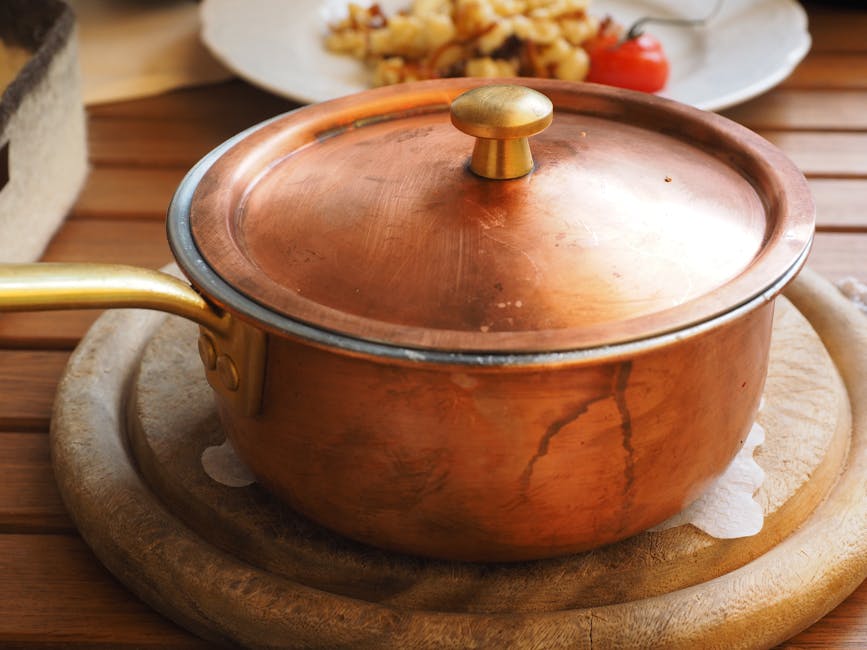
Is copper cookware safe? This question might have crossed your mind if you've ever admired the gleaming beauty of copper pots and pans in a kitchen store.
As you consider adding these stunning pieces to your culinary collection, you might wonder about their safety and practicality. You aren't alone in this curiosity. Many home cooks and professional chefs alike are drawn to copper for its exceptional heat conductivity and aesthetic appeal.
But what about the concerns over safety? You deserve to know the truth before making an investment in your kitchen. We’ll delve into the pros and cons of copper cookware, address any safety concerns, and help you make an informed decision. Keep reading to discover whether copper cookware is the right choice for your cooking needs.
Credit: delishably.com
History Of Copper Cookware
Copper cookware has been a kitchen staple for centuries. Its rich history spans various cultures and periods. From ancient times to modern kitchens, copper has remained a favorite. Let's dive into the fascinating history of copper cookware.
The Origins Of Copper Cookware
Humans have used copper for cooking since ancient times. Copper tools date back to 9000 BC. Early civilizations recognized copper's durability and heat conductivity. It became essential for preparing food efficiently.
Copper Cookware In Ancient Civilizations
Ancient Egyptians crafted copper vessels for cooking and storage. They valued copper for its practical and aesthetic qualities. Copper artifacts from this era showcase intricate designs.
In ancient Rome, copper cookware was popular among the elite. Roman chefs appreciated its ability to cook food evenly. Copper pots and pans were symbols of wealth and sophistication.
Medieval Europe And Copper Cookware
During the Middle Ages, copper gained prominence in European kitchens. Artisans perfected copper crafting techniques. These advancements improved the quality of cookware.
Copper was widely used in castles and noble households. Chefs favored copper for its superior cooking performance. It became synonymous with fine dining and culinary excellence.
The Renaissance And Copper's Golden Age
The Renaissance period saw a surge in copper's popularity. Copper cookware became more refined and widespread. It was used in both royal kitchens and by common folk.
This era also marked the beginning of copper's global reach. Trade and exploration spread copper cookware to new lands.
Modern Copper Cookware
Today, copper remains a preferred choice for many chefs. Its rich history and unmatched performance make it timeless. Modern copper cookware combines traditional craftsmanship with new technologies.
Despite evolving kitchen trends, copper's legacy endures. It continues to be a symbol of quality and culinary mastery.
Benefits Of Copper Cookware
Copper cookware has been cherished by chefs for centuries. Its unique advantages make it a standout choice in the kitchen. Many appreciate the elegance and performance it offers. Let's explore some compelling benefits of copper cookware.
Superior Heat Conductivity
Copper heats up rapidly and evenly. This ensures food cooks perfectly without hot spots. Its excellent heat distribution reduces cooking time. Chefs love the precise control it offers. Temperature adjustments are swift and accurate. This feature is ideal for delicate dishes.
Aesthetic Appeal
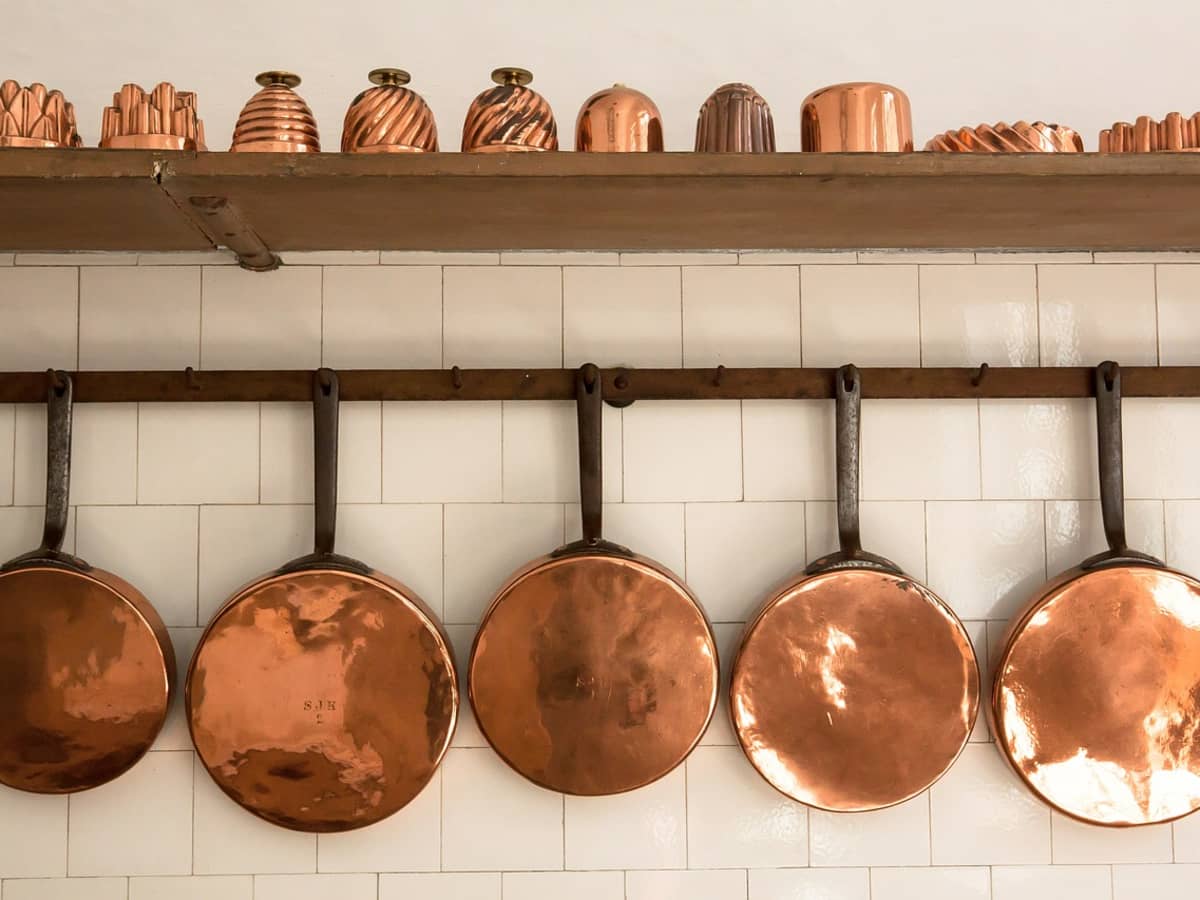
Copper cookware adds beauty to any kitchen. Its warm, shiny appearance is inviting. It complements various kitchen styles effortlessly. Many see it as a symbol of luxury and class. Displaying copper pots creates a charming ambiance. It’s a visual treat that enhances culinary spaces.
Durability And Longevity
Copper cookware is built to last. With proper care, it remains functional for years. Its robust structure withstands frequent use. It's resistant to damage and wear. Many families pass down their copper pots. This quality makes it a valuable investment. Timeless and reliable, it's a staple in many homes.
Potential Risks
Using copper cookware can pose risks if not lined properly. Acidic foods may cause copper to leach into meals, potentially leading to health issues. Regular checks and proper care are essential to ensure safety in the kitchen.
Copper cookware has long been cherished for its excellent heat conduction and aesthetic appeal. However, when considering its use in your kitchen, it's crucial to weigh the potential risks involved. While copper pots and pans can elevate your cooking experience, understanding their possible downsides is key to making an informed decision.
Toxicity Concerns
Copper is a natural element, but that doesn't mean it's always safe. When copper cookware is not lined with a non-reactive metal, such as stainless steel, it can release copper into your food. Consuming high amounts of copper can lead to toxicity, causing symptoms like nausea and stomach pain. Have you ever felt uneasy after a meal cooked in unlined copper cookware? It might be worth considering if copper exposure is the culprit.
Reactivity With Foods
Copper's reactivity with certain foods can be another concern. Acidic foods, such as tomatoes or citrus, can cause copper to leach into your dish. This not only affects the taste but can also increase the risk of copper ingestion. Imagine preparing a rich tomato sauce in a copper pot, only to find an unexpected metallic taste. This is why many cooks opt for lined copper cookware, which combines the benefits of copper with the safety of a non-reactive surface. How often do you check if your pots have that protective layer? Choosing the right cookware means balancing the beauty and function of copper with these potential risks. With awareness and care, you can enjoy the elegance of copper without compromising on safety. Are you ready to make an informed choice for your kitchen?

Credit: cooking.stackexchange.com
Safety Measures
Copper cookware is beloved for its exceptional heat conductivity. But, safety concerns arise regarding its use. To ensure the safe use of copper cookware, specific safety measures must be adopted. These measures protect against potential health risks and ensure a delightful cooking experience.
Proper Lining Materials
Copper cookware should always have a proper lining. Tin and stainless steel are popular choices. Tin provides a non-stick surface, ideal for delicate dishes. Stainless steel offers durability and is easy to maintain. Both options prevent copper from leaching into food. This ensures safe cooking without compromising taste or health.
Safe Cooking Practices
Use wooden or silicone utensils with copper cookware. Metal utensils can scratch the lining, exposing copper. Cook at medium to low heat. Copper heats quickly and evenly, reducing the need for high heat. Clean copper cookware gently with soft sponges. Avoid abrasive cleaners that can damage the lining.
Copper Maintenance Tips
Proper maintenance ensures the longevity and performance of copper cookware. Regular care not only keeps it looking beautiful but also ensures safety. Discover essential tips for cleaning and storing your copper pots and pans effectively.
Cleaning Techniques
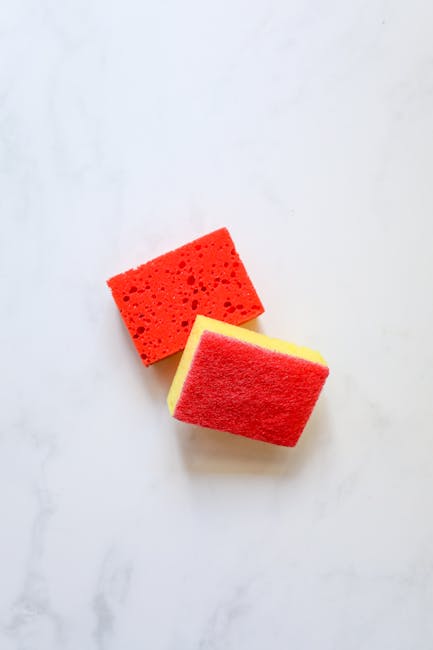
Use mild dish soap and warm water for everyday cleaning. Avoid abrasive scrubbers. They can scratch the copper surface. A soft sponge works best. For stubborn stains, sprinkle salt on a lemon half. Gently rub the stain. Rinse thoroughly and dry with a soft cloth. For tarnish, consider a commercial copper cleaner. Always follow the manufacturer's instructions. Regular cleaning keeps the cookware shiny.
Storage Suggestions
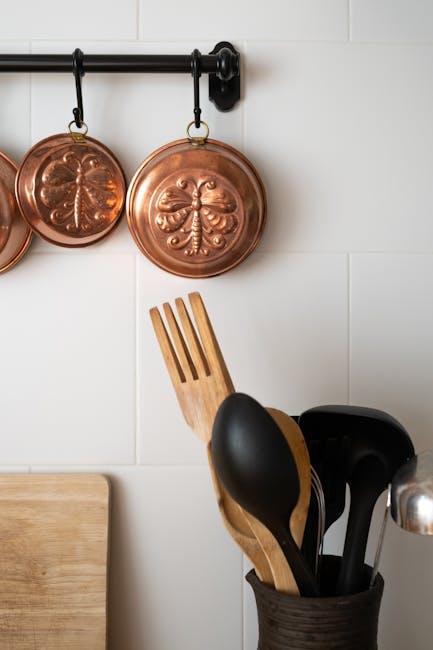
Store copper cookware in a dry place. Moisture can cause tarnish. Use felt or cloth between stacked pans. This prevents scratches. Hanging pots can also work well. Ensure they don't touch each other. Keep them away from direct sunlight. It can cause discoloration. Proper storage maintains their beauty and function.
Alternatives To Copper
Many people love the classic look of copper cookware. But concerns about its safety make some seek alternatives. Fortunately, several options are both safe and effective. These alternatives offer different benefits while ensuring safe cooking. Let's explore some popular choices.
Stainless Steel Options
Stainless steel is a popular choice for many kitchens. Its durability and resistance to rust make it a top pick. It doesn't react with food, keeping flavors intact. Stainless steel is also easy to clean and maintain. It often has a core of aluminum or copper for better heat distribution. This ensures even cooking without hot spots. Many professional chefs trust stainless steel for its reliability. It's a safe and long-lasting option for home cooks too.
Non-stick Cookware
Non-stick cookware provides an easy cooking experience. Food slides off without sticking, making cleanup simple. It's perfect for low-fat cooking, needing less oil or butter. The surface prevents food from burning easily. This makes it great for delicate dishes like eggs or pancakes. Choose PFOA-free non-stick pans for safer cooking. They ensure no harmful chemicals leach into your food. Non-stick pans are lightweight and user-friendly. Ideal for those who want quick and easy meals.
:max_bytes(150000):strip_icc()/__opt__aboutcom__coeus__resources__content_migration__serious_eats__seriouseats.com__2018__12__20181116-copper-pot-making-vicky-wasik-18-ee43034ff3634c8e834f58387fd9c330.jpg)
Credit: www.seriouseats.com
Frequently Asked Questions
Is Copper Cookware Safe For Daily Use?
Copper cookware is generally safe for daily use if properly maintained. Ensure the cookware is lined with non-reactive metals like stainless steel or tin. Unlined copper can leach into food, which may be harmful. Regular polishing and proper cleaning help maintain safety and extend its lifespan.
Does Copper Cookware Affect Food Taste?
Copper cookware can enhance cooking due to its excellent heat conductivity. However, unlined copper may react with acidic foods, altering taste. To avoid this, use lined copper cookware. Lined options prevent copper from interacting with food, ensuring flavors remain intact while benefiting from even heat distribution.
How Do You Maintain Copper Cookware?
Maintaining copper cookware involves regular cleaning and polishing. Use mild soap and warm water for cleaning. To polish, use a mixture of vinegar and salt or a commercial copper cleaner. Avoid abrasive materials that can damage the lining. Proper maintenance ensures longevity and cooking safety.
Is Copper Cookware Suitable For All Stove Types?
Copper cookware is versatile and works well on gas, electric, and induction stoves. However, ensure compatibility with induction by checking for magnetic bases. Its excellent heat conductivity offers precise temperature control, making it ideal for various cooking techniques across different stove types.
Conclusion
Copper cookware can be safe for cooking. Always ensure it’s lined properly. Use it with care to avoid risks. Regular maintenance helps in keeping it safe. Copper provides excellent heat conduction. It's loved by many chefs for even cooking. Be mindful of acidic foods with unlined copper.
Choose quality products to ensure safety. Proper usage makes copper a great kitchen tool. Enjoy the benefits of copper with peace of mind. Always prioritize safety in your kitchen choices. Your health is worth it. Cook smart, cook safe.