
Imagine walking into a bustling restaurant, where the aroma of delicious food fills the air. Yet, behind the scenes, there's a crucial element that ensures the meals are not only tasty but safe to eat—a clean commercial kitchen.
But what exactly does commercial kitchen cleaning involve? If you’re running a food establishment, understanding this process is essential for your business's success and reputation. It's not just about wiping down surfaces; it's about maintaining a pristine environment where culinary magic happens without the risk of contamination.
Stick around to discover how a spotless kitchen can enhance your reputation, boost customer satisfaction, and ensure compliance with health standards. Your peace of mind and the health of your patrons depend on it.
Credit: sheiners.com
Importance Of Commercial Kitchen Cleaning
Commercial kitchen cleaning is vital for any food establishment. It ensures health standards are met and prevents contamination. A clean kitchen reduces the risk of foodborne illnesses. It also extends the life of kitchen equipment. Proper cleaning enhances the efficiency and safety of the kitchen environment.
Importance Of Health And Safety
Maintaining cleanliness in a commercial kitchen is crucial. It helps prevent food contamination. Dirty kitchens can lead to serious health issues. Cleaning removes harmful bacteria and viruses. This ensures food is safe for consumption.
Compliance With Regulations
Every food business must comply with health regulations. Regular cleaning helps meet these standards. Failure to comply can result in fines. It might even lead to business closure. A clean kitchen shows commitment to health standards.
Enhanced Equipment Longevity
Kitchen equipment is expensive. Regular cleaning prevents wear and tear. It keeps equipment running smoothly. This reduces the need for repairs. Clean equipment lasts longer and performs better.
Improved Efficiency
A clean kitchen is more efficient. Staff work better in a tidy space. It helps avoid accidents and mishaps. Clean surfaces make food preparation faster. This boosts productivity and service speed.
Positive Business Image
Customers notice cleanliness. A spotless kitchen reflects professionalism. It builds trust with patrons. A positive image attracts more customers. Cleanliness is a key factor in customer satisfaction.

Credit: commercialcleaningcorp.com
Key Areas To Clean
Keeping a commercial kitchen clean isn't just about ensuring everything looks spotless; it's about maintaining a safe and efficient workspace. When you think about the key areas that need regular attention, consider what happens in each part of your kitchen. Each section plays a crucial role in the daily operations and affects not just the quality of your food but also the safety of your staff and customers. Let's break down the most important areas that need your focus.
Cooking Equipment
Your cooking equipment is the heart of the kitchen. Regularly cleaning stoves, ovens, grills, and fryers ensures they function efficiently and lasts longer. A well-maintained grill can make the difference between a juicy steak and a burnt disappointment. Consider setting a daily schedule to clean surfaces and monthly deep cleans for optimal performance. Have you ever noticed the taste difference when your oven is spotless versus when it's grimy?
Food Preparation Surfaces
These surfaces are where creativity happens. But creativity can quickly turn into chaos without cleanliness. Sanitizing countertops and cutting boards can prevent cross-contamination and foodborne illnesses. You wouldn't want your secret sauce tainted with yesterday's forgotten crumbs, would you? Use color-coded cutting boards and separate prep areas to keep your flavors pure and your customers safe.
Storage Areas
Think of storage areas as your kitchen's foundation. A cluttered pantry or fridge can lead to wasted ingredients and money. Organize them with clear labels and regular checks to ensure expired items are tossed. Have you ever found a mysterious item in the back of your fridge? A clean storage space can help avoid that surprise, saving time and resources.
Ventilation Systems
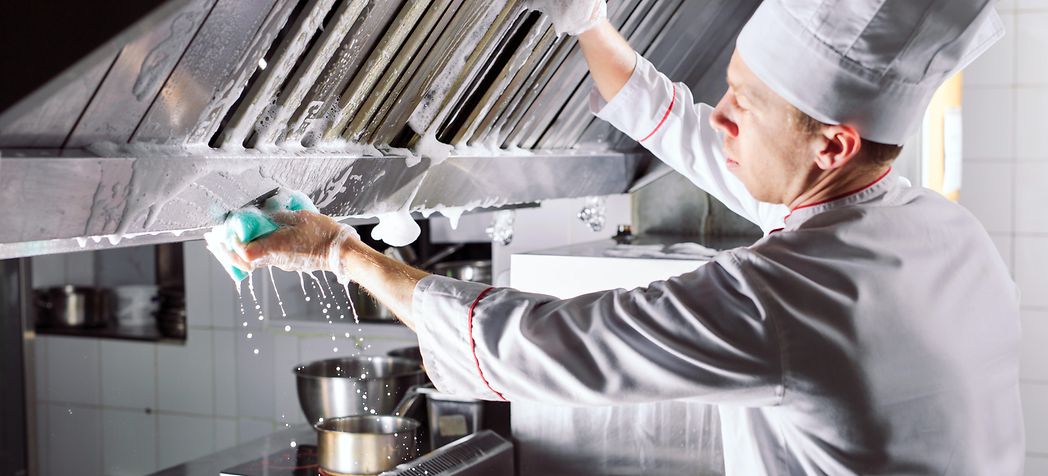
Ventilation systems are the lungs of your kitchen. They keep the air fresh and safe. Regular cleaning prevents grease buildup, which can lead to unpleasant odors and even fire hazards. Imagine cooking in a smoky, greasy kitchen; it's not just uncomfortable but dangerous. A well-maintained ventilation system keeps the environment healthy and the staff happy.
These key areas, when properly maintained, can transform your kitchen into a more efficient and safe space. Have you considered how a cleaner kitchen could impact your business? It's time to take action and ensure each area is given the attention it deserves.
Tools And Products For Effective Cleaning
Commercial kitchen cleaning involves using specialized tools and products to maintain hygiene. Essential tools like degreasers, scrub brushes, and steam cleaners ensure spotless surfaces. Regular cleaning prevents bacteria buildup, ensuring a safe cooking environment.
Maintaining a clean and sanitary commercial kitchen is essential for food safety, employee health, and the overall reputation of your business. But what does it take to achieve a spotless kitchen environment? The right tools and products are key to effective cleaning. From cleaning agents that tackle grease and grime to equipment designed for deep cleaning, each element plays a crucial role in ensuring your kitchen remains pristine. Let's dive into the essential tools and products that make commercial kitchen cleaning not just a task, but a standard of excellence.
Cleaning Agents
The backbone of any cleaning routine is the cleaning agents you choose. These products are specifically formulated to break down tough stains and grease. Degreasers are a must-have for any commercial kitchen, cutting through oily residues on stovetops and fryers. Multi-purpose cleaners can save you time and money, as they are suitable for a variety of surfaces like countertops, walls, and floors. It's all about finding the right balance between effectiveness and safety for your staff and customers.
Sanitizing Solutions
Sanitizing is not just about making surfaces look clean; it's about eliminating bacteria and viruses. Bleach solutions are popular for their powerful disinfecting properties. However, they can be harsh on surfaces and should be used with caution. Quaternary ammonium compounds, often referred to as "quats," offer a gentler alternative, providing effective sanitization without damaging surfaces. Are your sanitizing solutions strong enough to keep harmful germs at bay?
Equipment For Deep Cleaning
Beyond daily cleaning, periodic deep cleaning is essential for maintaining a healthy kitchen environment. Floor scrubbers are invaluable for tackling dirt and grime that a mop might miss. Steam cleaners offer a chemical-free way to sanitize surfaces, reaching into nooks and crannies that are often overlooked. Investing in high-quality cleaning equipment can save you time and reduce the physical strain on your cleaning staff. Incorporating the right tools and products into your commercial kitchen cleaning routine can transform the way you approach hygiene and maintenance. By equipping yourself with effective cleaning agents, reliable sanitizing solutions, and durable cleaning equipment, you not only ensure compliance with health standards but also create a safe and inviting environment for both employees and customers. What changes can you make today to enhance the cleanliness of your kitchen?
Frequency Of Cleaning Tasks
Commercial kitchen cleaning involves regular tasks to maintain hygiene. These tasks include sanitizing surfaces, cleaning equipment, and disposing of waste. Proper scheduling ensures a safe and efficient kitchen environment.
Maintaining a spotless commercial kitchen is crucial for ensuring food safety, enhancing efficiency, and making a positive impression on customers. However, the task can seem daunting without a structured cleaning schedule. Understanding the frequency of different cleaning tasks can help you keep things manageable and consistent. Whether you're a seasoned chef or just starting out in the culinary world, knowing what needs cleaning and when is key to running a successful kitchen.
Daily Tasks
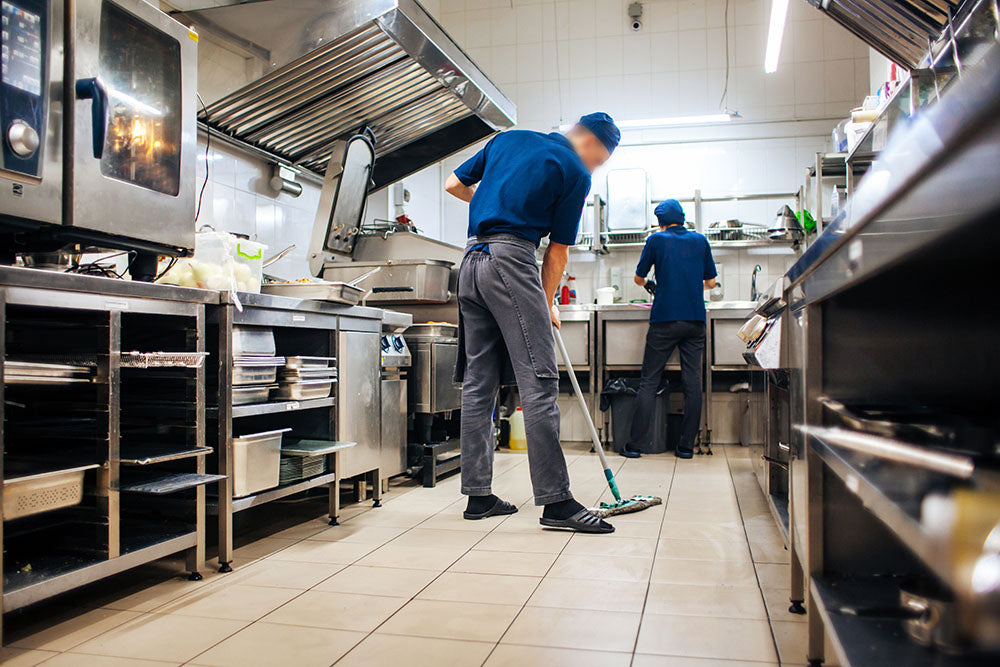
Daily tasks are the backbone of your kitchen’s cleanliness. These tasks help in maintaining a high standard of hygiene and prevent any buildup of grime or bacteria. Start by wiping down all surfaces, including countertops, cutting boards, and stovetops. This prevents cross-contamination and ensures a clean workspace for the next day. Sweep and mop the floors to remove spills and debris that could lead to accidents. Make sure to clean out trash bins to prevent odors and pests. Check refrigeration units to ensure they're at the correct temperature. A quick sweep of these tasks daily can save you from bigger problems down the line.
Weekly Tasks
Weekly cleaning tasks dig a little deeper. They tackle the areas that don’t require daily attention but still need regular upkeep. Focus on cleaning ovens, deep fryers, and grills. Grease buildup not only affects the taste of food but can also be a fire hazard. Wash and sanitize the walls to remove splatters that may have been missed during daily cleanings. Empty and clean refrigeration coils to keep them running efficiently. A friend of mine, who runs a bustling restaurant, swears by his weekly ritual of cleaning the exhaust hoods. It not only keeps his kitchen spotless but also extends the life of his equipment.
Monthly Tasks
Monthly tasks are your chance to do a thorough check-up and deep clean of your kitchen. Focus on areas that can be easily overlooked. Clean light fixtures, as they can gather dust and grease. Empty storage areas to check for expired or spoiled ingredients. This ensures your food is fresh and safe for consumption. Descale dishwashers and other kitchen appliances to maintain their efficiency. Take a moment to reflect on the past month. Are there any areas that needed more attention? Adjust your schedule accordingly. By breaking down cleaning tasks into daily, weekly, and monthly routines, you ensure a high standard of cleanliness. Have you noticed any improvements in your kitchen’s efficiency or customer feedback since implementing a structured cleaning schedule?
Safety And Health Regulations
Ensuring a clean commercial kitchen is crucial for health and safety. Regular cleaning prevents contamination and meets health regulations. It involves sanitizing surfaces, equipment, and floors to maintain hygiene standards.
Ensuring that a commercial kitchen meets safety and health regulations is crucial for any restaurant or food service establishment. These regulations are put in place to protect both employees and customers from potential hazards. They also ensure the establishment maintains a high standard of hygiene. Understanding these rules can feel daunting, but they are essential for running a successful and safe kitchen.
Local Health Codes
Local health codes are your guiding light when it comes to maintaining a clean and safe kitchen. These codes are specific to your area and outline everything from proper food storage temperatures to pest control measures. Ignoring these can lead to fines or even shutting down your establishment. It's important to stay updated on any changes or additions to these codes. Compliance with local health codes isn't just about avoiding penalties. It's about creating a safe environment for your staff and customers. Imagine the consequences of a foodborne illness outbreak traced back to your kitchen. Keeping up with local regulations helps you prevent such nightmares.
Hygiene Standards
Hygiene standards are another critical component of commercial kitchen cleaning. This involves regular cleaning schedules for all kitchen equipment and surfaces. Have you ever noticed how some restaurants have that pristine look even during peak hours? That's the result of strict adherence to hygiene standards. Develop a cleaning checklist to ensure no area is overlooked. From sanitizing cutting boards to cleaning exhaust hoods, every task is essential. Training your staff to recognize and maintain these standards is equally important. Meeting hygiene standards also has a direct impact on your reputation. Customers are more likely to return to a clean restaurant where they feel safe consuming the food. How often do you check the cleanliness of your kitchen? Could there be areas you're neglecting? Incorporating these safety and health regulations into your daily operations can make a significant difference. Not only do they protect everyone involved, but they also boost your establishment's credibility. Why not make safety and hygiene a priority today?
Benefits Of Professional Cleaning Services
Commercial kitchen cleaning ensures a safe and sanitary environment for food preparation. It reduces health risks and adheres to safety standards. Professional cleaning services use specialized equipment to remove tough grease and dirt, keeping kitchens spotless and efficient.
Maintaining a spotless kitchen is crucial for any commercial establishment. But why opt for professional cleaning services? The advantages extend beyond mere cleanliness. Professional services not only save you time and effort but also ensure compliance with health standards, ultimately boosting your business reputation.
Expertise
Professional cleaners bring specialized knowledge to your kitchen. They understand the unique needs of commercial environments. Their expertise ensures every corner is cleaned to perfection, reducing the risk of contamination. Imagine having peace of mind knowing your kitchen is in the hands of experts. They know which cleaning agents are best for different surfaces. This prevents damage and prolongs the life of your equipment.
Time Efficiency
Time is money, especially in the fast-paced world of food service. Outsourcing your cleaning tasks can free up valuable hours. You and your team can focus on what you do best—creating delicious meals for your customers. Think about the time spent scrubbing stubborn grease or sanitizing hard-to-reach areas. Professional services handle these tasks swiftly and efficiently, giving you back precious time. Wouldn’t you rather spend those hours innovating your menu or engaging with customers?
Compliance Assurance
Health and safety compliance is non-negotiable in the food industry. Professional cleaners ensure your kitchen meets all regulatory standards. This not only avoids hefty fines but also promotes a safer environment for your staff and customers. Staying compliant can be a daunting task with ever-changing regulations. Professionals stay updated on the latest requirements, making sure your kitchen remains in good standing. Isn’t it comforting to know compliance is one less thing to worry about? Opting for professional cleaning services is more than just an expense—it’s an investment in your business’s success. Whether it’s leveraging expertise, saving time, or ensuring compliance, the benefits are clear and impactful. How will you make the most of them?
Diy Cleaning Tips
Cleaning a commercial kitchen involves removing grease, grime, and food particles from all surfaces. Regular cleaning ensures a safe and hygienic environment. It includes cleaning floors, walls, and equipment to prevent contamination and maintain health standards.
Cleaning a commercial kitchen might seem daunting, but with some DIY tips, you can keep your space spotless and efficient. The key is understanding effective techniques, steering clear of common pitfalls, and embracing the process. So, roll up your sleeves and let's dive into some practical tips that can transform your cleaning routine.
Effective Techniques
Start with decluttering your surfaces. A clean countertop is a productive countertop. Use hot, soapy water to wipe down areas, focusing on high-touch surfaces like handles and knobs. Consider investing in a good degreaser. It can help you tackle those stubborn grease spots that seem impossible to remove. Schedule regular deep cleaning sessions for your equipment. This prevents build-up and ensures your appliances last longer. Have you ever noticed a funny smell in your kitchen? Sometimes, it’s the drains. Pour a mix of baking soda and vinegar down them, and watch it fizz away the odors.
Common Mistakes To Avoid
Skipping regular cleaning sessions can lead to a mountain of work later. Consistency is crucial. Avoid using abrasive cleaners on stainless steel; they can scratch and damage the surface. Instead, opt for a soft cloth and a gentle cleaner. It's tempting to rush through cleaning to get it over with. However, speed can lead to missed spots and unsatisfactory results. Have you ever wiped over a greasy spot only to see it reappear? That's because you need to clean thoroughly, not just superficially. Neglecting the hood vent is a common oversight. Make sure it's cleaned regularly, as grease can accumulate quickly, leading to fire hazards. Remember, the goal of DIY cleaning is efficiency and effectiveness. With these tips, you can maintain a sparkling clean commercial kitchen without breaking a sweat. Have you tried any of these techniques before?
Sustainability In Kitchen Cleaning
Commercial kitchen cleaning ensures hygiene and safety in food preparation areas. It involves removing grease, sanitizing surfaces, and cleaning equipment. Sustainable practices reduce water usage and use eco-friendly cleaning products, promoting a healthier environment.
Sustainability in kitchen cleaning is more than just a trend—it's a necessity. Commercial kitchens produce a significant amount of waste and consume large quantities of resources. Focusing on sustainable practices helps reduce environmental impact while also cutting costs and maintaining hygiene standards. But how can you make your kitchen more sustainable without sacrificing cleanliness?
Eco-friendly Products
Switching to eco-friendly cleaning products is a straightforward step towards sustainability. These products are made with natural ingredients, which are less harmful to the environment and safer for staff. Look for certifications like Green Seal or EcoLogo to ensure the products meet environmental standards. Have you ever tried cleaning with vinegar or baking soda? These everyday items are not only effective but also gentle on the planet. Your kitchen staff will appreciate the reduced exposure to harsh chemicals, too.
Waste Reduction
Reducing waste in a commercial kitchen involves more than just recycling. It requires a comprehensive strategy that includes reusing materials and reducing single-use items. Implementing a composting system for food scraps is a practical step. This not only reduces landfill waste but also enriches soil if you have a garden or can partner with local farms. Think about the packaging your supplies come in. Can you switch to bulk purchases to reduce packaging waste? Every small change contributes to a larger impact. Consider starting a "green team" among your staff to brainstorm and implement waste reduction strategies. Engaging your team not only spreads responsibility but also sparks innovative ideas. What can you do today to make your kitchen cleaner and greener? By focusing on sustainability in kitchen cleaning, you not only protect the environment but also create a healthier workplace for your team. Isn't it time to make the change?
Credit: www.partstown.com
Frequently Asked Questions
What Is Included In Commercial Kitchen Cleaning?
Commercial kitchen cleaning includes sanitizing surfaces, degreasing equipment, and cleaning floors. It ensures compliance with health standards and improves safety. Regular cleaning helps prevent food contamination and maintains a hygienic environment. Professional services may also offer deep cleaning of exhaust systems and grease traps.
How Often Should A Commercial Kitchen Be Cleaned?
A commercial kitchen should be cleaned daily, with deep cleaning weekly or monthly. Regular cleaning prevents bacteria buildup and maintains hygiene. High-traffic areas and equipment require frequent attention. Scheduling professional cleanings can enhance sanitation and compliance with health regulations.
Why Is Commercial Kitchen Cleaning Important?
Commercial kitchen cleaning is crucial for hygiene and safety. It prevents cross-contamination and foodborne illnesses. Regular cleaning ensures compliance with health codes and prolongs equipment life. A clean kitchen enhances the dining experience and boosts customer trust in your establishment.
What Tools Are Used In Kitchen Cleaning?
Kitchen cleaning uses degreasers, sanitizers, brushes, and microfiber cloths. Professionals may employ steam cleaners for deep cleaning. Specialized equipment targets hard-to-reach areas, ensuring thorough sanitation. Regular use of these tools maintains hygiene and extends the lifespan of kitchen appliances.
Conclusion
Keeping a commercial kitchen clean is crucial. It ensures safety and hygiene. Regular cleaning prevents bacteria and pests. It extends the life of equipment. Employees work better in clean spaces. Customers appreciate a spotless kitchen. Professional cleaning services offer thorough solutions.
They handle tough stains and grease. Your business reputation improves with cleanliness. A clean kitchen meets health regulations. It reduces the risk of foodborne illnesses. Invest in proper cleaning routines. Your kitchen's cleanliness reflects your standards. Prioritize it for success.