
When it comes to keeping your kitchen spotless, you might find yourself wondering: which is better for cleaning—cloth or sponge? Both have their pros and cons, but understanding which tool best suits your needs can make all the difference in maintaining a clean and healthy kitchen.
Imagine effortlessly wiping away grime and spills, knowing you’ve chosen the right tool for the job. You’ve probably noticed how a simple choice can make the whole cleaning process feel smoother and faster. We’ll dive into the benefits and drawbacks of both cloth and sponge, helping you make an informed decision that saves you time and keeps your kitchen sparkling clean.
Ready to discover which cleaning tool deserves a spot in your kitchen arsenal? Let’s get into it!

Credit: www.walmart.com
Cleaning Efficiency
Choosing between a cloth or sponge for kitchen cleaning depends on the task. Cloths are reusable and great for wiping surfaces, while sponges excel in scrubbing grime. Both have their strengths, making them valuable kitchen tools.
When tackling kitchen cleaning, choosing between a cloth and a sponge can significantly impact how efficiently you get the job done. Cleaning efficiency is essential, as it saves you time and effort while ensuring your kitchen stays spotless. Which option removes stains better? Which absorbs spills more effectively? Let’s dive into these questions to help you make the right choice.
Stain Removal Capabilities
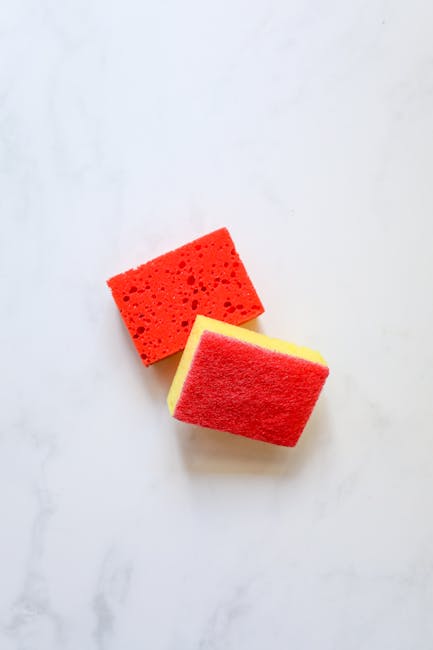
Stains can be stubborn, especially when left unattended for too long. A sponge often has the upper hand here due to its abrasive surface, which can scrub away tough grime and baked-on food particles. Its texture allows you to apply more pressure without damaging your cookware or surfaces. However, a cloth can also be effective, particularly microfiber ones designed to trap dirt. They are gentle yet capable of removing stains on delicate surfaces like glass and stainless steel. Have you ever noticed how some stains seem to disappear effortlessly with a simple swipe of a microfiber cloth?
Absorption Rate
Spills are a common kitchen occurrence, and how quickly you can absorb them is crucial. Sponges typically hold more liquid due to their porous nature, making them ideal for soaking up large spills quickly. Imagine knocking over a glass of juice and needing to act fast—sponges can be your go-to. On the other hand, cloths, especially those made from cotton, also offer excellent absorption. They might take a little longer to soak up a spill, but they can cover a larger surface area. If you’re cleaning expansive countertops, a cloth might save you from having to wring out and rinse multiple times. Ultimately, your choice between a cloth and a sponge might come down to personal preference and specific kitchen needs. Have you considered trying both to see which suits your style of cleaning better?
Durability
Durability matters in kitchen cleaning tools. It's important to choose items that last. When selecting between a cloth and a sponge, considering durability can save money and effort.
Longevity Of Use
Cloths often last longer. They withstand multiple washes and maintain their structure. Sponges may degrade faster. Regular exposure to water and cleaning agents can weaken them. Cloths can be reused many times. Sponges need replacing more often.
Wear And Tear
Cloths resist wear. They can handle tough scrubbing without falling apart. Sponges show signs of wear quickly. They may develop holes or lose shape. Cloths are less prone to damage. Sponges might need replacement after heavy use.
Hygiene Factors
Keeping your kitchen clean is crucial for health. The tools you use matter. Cloths and sponges are common choices. Each has its own hygiene factors.
Understanding these factors can make your cleaning routine more effective. It's important to choose wisely for a germ-free kitchen.
Bacterial Growth
Cloths can harbor bacteria if not dried properly. They stay damp longer, creating a breeding ground for germs. Sponges, with their porous nature, can trap more bacteria. This makes them a potential risk for spreading germs.
Both require regular washing to minimize bacterial growth. Monitoring their condition is vital to ensure hygiene.
Ease Of Sanitization
Sanitizing cloths is simple. A hot wash in the machine does the trick. Sponges need more attention. A microwave zap or dishwasher cycle can help. These methods kill bacteria effectively.
Keep a routine for sanitizing whichever you choose. This ensures your kitchen stays clean and safe.
Environmental Impact
Choosing between a kitchen cloth and a sponge can impact the environment. Both cleaning tools serve their purpose well. Their environmental footprint is worth considering.
Material Composition
Kitchen cloths are often made from cotton or microfiber. Cotton is a natural fiber. It requires water and pesticides to grow. Microfiber is synthetic. It consists of polyester and polyamide. Sponges, on the other hand, are usually synthetic. They are made from materials like plastic or cellulose. Plastic-based sponges can harm the environment. They are derived from non-renewable resources.
Biodegradability
Biodegradability refers to how quickly a material breaks down in nature. Cotton kitchen cloths are biodegradable. They decompose faster than synthetic materials. Microfiber cloths take longer to break down. They can linger in landfills. Synthetic sponges are not easily biodegradable. They contribute to plastic pollution. Cellulose sponges are more eco-friendly. They are derived from wood pulp. They break down faster than plastic sponges.
Cost Considerations
Weighing cost considerations, sponges may appear cheaper initially but require frequent replacements. Cloths, though slightly more expensive upfront, last longer with proper care.
When deciding between a cloth and a sponge for your kitchen cleaning needs, cost is an important factor to consider. Both options have their advantages, but your choice could impact your budget differently in the short and long term. Understanding the cost implications can help you make a more informed decision.
Initial Purchase Price
If you're watching your spending, the initial purchase price is something you'll want to think about. Cloths are often cheaper upfront. You can buy a pack of microfiber cloths for a few dollars, giving you multiple items for various tasks. Sponge prices can vary. Basic sponges are inexpensive, but if you opt for specialized ones with features like scrubber sides or antibacterial properties, the cost can add up. Sometimes, you might find yourself replacing them more frequently due to wear and tear.
Long-term Cost
Consider how often you'll need to replace your cleaning tools. Cloths can be washed and reused many times, making them a cost-effective option over time. They can last for months if cared for properly, saving you the hassle of frequent purchases. Sponges tend to wear out faster. They can harbor bacteria and start to smell, leading you to replace them more often. Over a year, you might find yourself buying multiple packs, which can add up in cost. Have you ever wondered which option is truly more economical for you? Think about how often you clean and how diligent you are with maintenance. Your habits might sway the cost-effectiveness of one choice over the other. Ultimately, whether you choose cloths or sponges, consider what fits best with your cleaning routine and budget. Does the idea of frequent replacements bother you, or do you prefer the convenience of tossing a sponge when it’s past its prime?
User Preference
Choosing between a cloth and a sponge for kitchen cleaning often depends on personal habits. Each user has unique preferences shaped by comfort and functionality. Some appreciate the softness of a cloth, while others prefer the scrub power of a sponge. Understanding these preferences can help in deciding the best tool for your kitchen.
Comfort And Ease Of Use
Many find cloths comfortable to hold. They are soft and gentle on the hands. Cloths are also lightweight, making them easy to maneuver. Sponges, on the other hand, offer a firm grip. This makes them easy to control during tough scrubbing tasks.
Versatility In Cleaning Tasks
Cloths are great for wiping surfaces. They can be used to clean counters, tables, and other flat areas. Sponges excel in scrubbing stubborn stains. They are effective on greasy pans and pots. Each tool suits different cleaning needs, offering unique advantages.
Expert Opinions
Choosing between a cloth or sponge for kitchen cleaning can be confusing. Experts have differing views on which is more effective. Understanding their perspectives can help make an informed decision. Let's explore what cleaning professionals and consumers have to say.
Recommendations From Cleaning Professionals
Cleaning experts often prefer cloths for their versatility. Cloths can clean various surfaces without scratching. They are also reusable and easy to wash. Many professionals suggest microfiber cloths for their high absorbency. Microfiber can trap dirt and bacteria effectively, making it a favorite choice.
Some experts lean towards sponges for certain tasks. Sponges are great for scrubbing stubborn stains. Their texture helps remove grime with minimal effort. Sponges are ideal for cleaning dishes and cookware. They also offer a comfortable grip for thorough cleaning.
Consumer Reviews
Consumers share varied opinions about cloths and sponges. Many appreciate cloths for their durability and ease of use. Cloths are less likely to fall apart than sponges. They can be washed and reused multiple times. Some users feel cloths leave surfaces cleaner and shinier.
Sponges have their loyal fans too. Users love sponges for their scrubbing power. Sponges make quick work of tough stains. They are also handy for rinsing off soap from dishes. Some consumers find sponges more convenient than cloths.
Both options have their strengths and weaknesses. Choosing the right one depends on personal preference. Consider task requirements and cleaning habits when deciding.

Credit: www.amazon.com

Credit: www.amazon.com
Frequently Asked Questions
What Are The Pros Of Using A Cloth?
Clothes are reusable, eco-friendly, and cost-effective. They are gentle on surfaces and good for wiping spills. They can also be washed easily, reducing waste. Using clothes can be more hygienic if they are cleaned regularly. They are versatile for various cleaning tasks.
Why Choose A Sponge For Kitchen Cleaning?
Sponges are highly absorbent and can tackle tough stains easily. They are perfect for scrubbing dishes and countertops. Sponges are available in different textures for various cleaning needs. They are convenient for quick clean-ups. However, they need frequent replacement to avoid bacteria build-up.
How Often Should I Replace My Kitchen Sponge?
Replace your kitchen sponge every week for optimal hygiene. Sponges can harbor bacteria if not replaced regularly. Regular replacement ensures effective cleaning and prevents unpleasant odors. Consider sanitizing them in the microwave or dishwasher between uses. Frequent replacement maintains a clean kitchen environment.
Is Cloth More Eco-friendly Than A Sponge?
Yes, clothes are generally more eco-friendly than sponges. They are reusable and reduce waste compared to disposable sponges. Clothes can be washed and reused multiple times, making them a sustainable choice. Opting for clothes helps lower your environmental impact while maintaining cleanliness.
Conclusion
Choosing between a cloth and a sponge depends on your needs. Cloths are versatile and great for wiping surfaces. Sponges excel at scrubbing tough stains. Consider durability and hygiene too. Cloths often last longer and are easier to clean. Sponges can harbor bacteria if not dried well.
Think about your cleaning habits and preferences. Both have unique benefits. The right choice keeps your kitchen sparkling. Stay mindful of cleaning tools and their care. This ensures a clean and safe kitchen environment. Happy cleaning!