
Ever wondered who ensures the kitchen in your favorite restaurant is spotless? It's not just about making delicious dishes; the cleanliness of a restaurant's kitchen is crucial for your health and dining experience.
Imagine savoring your favorite meal, knowing that every pot, pan, and countertop is perfectly sanitized. This assurance doesn’t happen by magic. Behind the scenes, a dedicated team works tirelessly, often unnoticed, to maintain hygiene standards. But who exactly are these unsung heroes, and what roles do they play?
Uncover the secrets of a pristine restaurant kitchen and discover why their efforts are vital for your enjoyment and safety. Stay tuned to find out who truly keeps the heart of the restaurant ticking!
Roles In The Kitchen
In a bustling restaurant kitchen, each role plays a unique part. Responsibilities are divided to ensure efficiency and cleanliness. From chefs to line cooks, everyone contributes. Let's explore these roles.
Chef Responsibilities
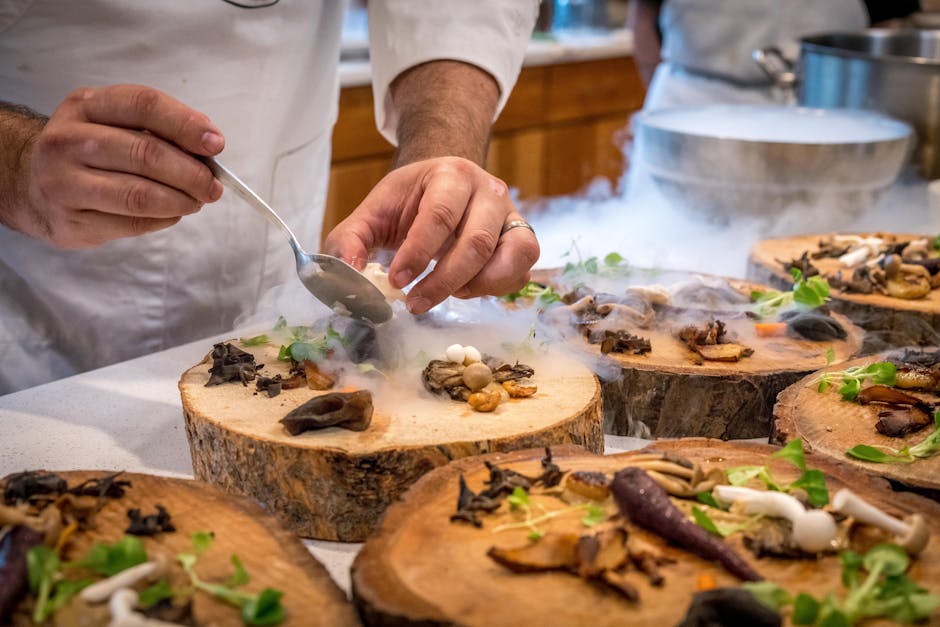
The chef leads the kitchen team. They oversee food preparation and presentation. Ensuring quality and consistency is their priority. Chefs also handle menu creation and ingredient sourcing. Cleanliness is crucial, so they set standards for sanitation.
Sous Chef Duties
Sous chefs assist the head chef. They manage daily operations. Supervising kitchen staff is a key task. They also help with cooking and plating dishes. Maintaining cleanliness standards is part of their role. They check equipment and storage areas regularly.
Line Cook Tasks
Line cooks focus on specific cooking stations. They prepare ingredients and cook dishes. Speed and accuracy are essential in their work. Each line cook ensures their station is clean. They sanitize surfaces and utensils after use. This keeps the kitchen running smoothly.
Credit: kaivac.com
Cleaning Crew
In a bustling restaurant, cleanliness is crucial. The cleaning crew ensures everything sparkles. Their hard work keeps kitchens safe and hygienic. They tackle the toughest tasks daily. Their dedication is the backbone of restaurant operations.
Dishwasher Role
Dishwashers handle all dirty dishes. They wash plates, glasses, and utensils. Their work prevents cross-contamination. They sanitize every item thoroughly. Dishwashers work quickly and efficiently. They keep the dish area organized. Their role is vital in maintaining hygiene.
Janitorial Staff
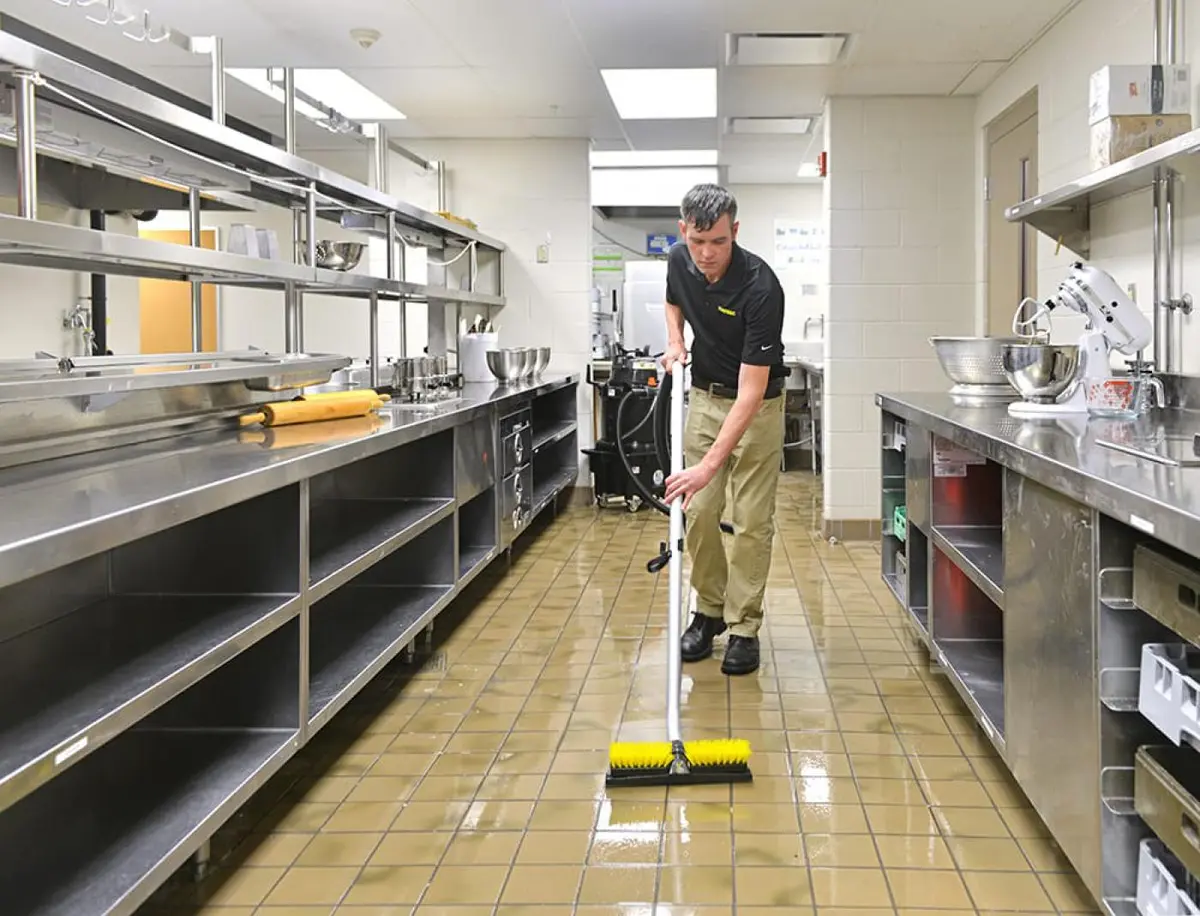
Janitorial staff clean the entire kitchen. They mop floors and wipe counters. Their tasks include trash removal. They clean restrooms and dining areas. Their work keeps the restaurant fresh. Janitors ensure sanitary conditions are met. Their presence is essential for cleanliness.
Daily Cleaning Routine
The kitchen is the heart of a restaurant. It bustles with energy, creativity, and the promise of delicious meals. Keeping it clean is crucial for safety and efficiency. The daily cleaning routine ensures everything runs smoothly and meets hygiene standards. Each day, kitchen staff follow a detailed plan. This ensures a spotless, organized space ready for cooking.
Morning Preparations
Every morning, the team begins by cleaning surfaces. They wipe down counters, tables, and equipment. This removes dust and any overnight residue. Next, they check the floors for spills or debris. Sweeping and mopping come next. This clears any dirt that might have accumulated. Proper morning cleaning sets the stage for a productive day. It helps prevent contamination and keeps the kitchen looking pristine.
Midday Touch-ups
By midday, the kitchen has seen plenty of action. It's time for a quick touch-up. Staff clear and clean workstations immediately. They dispose of waste and sanitize surfaces. This prevents the spread of germs and maintains order. Regular touch-ups ensure the kitchen stays functional. They also help staff prepare for the evening rush with ease.
Evening Cleanup
The evening cleanup is thorough and detailed. Staff scrub pots, pans, and utensils. They empty and sanitize trash bins. Floors are swept and mopped again. Ovens, grills, and fryers receive special attention. This prevents grease build-up and removes food residue. Finally, all equipment is turned off and cleaned. An effective evening routine ensures the kitchen is ready for the next day.
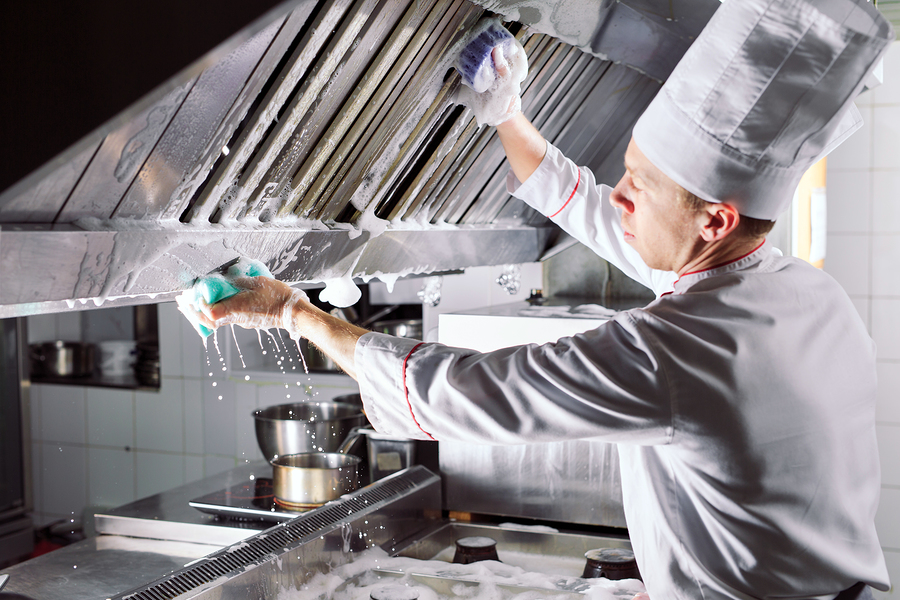
Credit: www.hoodguyz.com
Tools And Equipment
In a restaurant, maintaining a clean kitchen is crucial for hygiene and safety. The right tools and equipment make this task manageable. Staff rely on these to keep the kitchen spotless and efficient. Let’s explore the essential tools and equipment used in restaurant kitchens.
Cleaning Supplies
Every restaurant kitchen requires a set of basic cleaning supplies. These include disinfectants, detergents, and sanitizers. They help remove grease and dirt from surfaces. Sponges, mops, and cloths are common too. Each tool serves a unique purpose. For tough stains, scouring pads are often used. They ensure surfaces are free from grime. Staff must also have gloves. These protect hands from harsh chemicals.
Advanced Cleaning Tools
Advanced tools play a vital role in kitchen cleaning. Steam cleaners are popular for their efficiency. They sanitize without chemicals. This ensures a safe environment for food preparation. Commercial dishwashers are another key tool. They clean and sanitize dishes quickly. Floor scrubbers help maintain spotless floors. They remove dirt with minimal effort. These tools increase cleaning speed and effectiveness.
Team Collaboration
Team collaboration is crucial in the busy environment of a restaurant kitchen. The cleaning team needs to work together to keep the kitchen spotless. This requires good communication and clear task delegation.
Communication Techniques
Effective communication is vital. It ensures everyone knows their role. Short, clear instructions work best. Team members should ask questions if unsure. Regular check-ins help maintain the cleaning schedule. This avoids any misunderstandings.
Visual aids can be helpful. Charts or lists can show cleaning tasks. This helps team members remember their duties. Open communication creates a positive atmosphere. It encourages teamwork and efficiency.
Task Delegation
Task delegation is important in a restaurant kitchen. Each person should know their specific tasks. This prevents overlap and confusion. Assign tasks based on skills and experience. This ensures jobs are done well.
Rotate tasks to keep things fair. It helps everyone learn different roles. This also ensures flexibility. If someone is absent, others can fill in. Clear delegation leads to a cleaner kitchen. It makes the team more productive.
Challenges Faced
Cleaning the kitchen in a restaurant is a tough task. It involves a variety of challenges. Each day brings unique issues that need quick solutions. Workers must stay alert and adaptable.
High Traffic Times
During lunch and dinner, kitchens get very busy. Staff members rush to fill orders. This increases the mess and clutter. Cleaning teams must work fast and efficiently. They need to clean without slowing down the cooking process. This requires skill and coordination.
Unexpected Spills
Spills happen often in a busy kitchen. They can be dangerous and cause slips. Quick response is crucial to maintain safety. Cleaning teams must be ready at all times. They need to remove spills and sanitize surfaces quickly. This keeps the kitchen safe and hygienic.
Maintaining Standards
Maintaining standards in a restaurant kitchen is crucial for success. Cleanliness affects the taste and safety of the food. It also impacts customer satisfaction and the restaurant's reputation. Cleaning staff play a key role in upholding these standards. They ensure the kitchen meets all health and safety regulations.
Health And Safety Protocols
Health and safety protocols guide the cleaning process. They protect both staff and customers. Cleaning staff must know and follow these protocols. They use proper cleaning agents and equipment. This reduces the risk of food contamination. Regular training sessions keep staff updated on new safety measures.
Proper waste disposal is essential for health and safety. Staff must separate and dispose of waste correctly. This prevents pests and maintains a clean environment. Regular inspections help ensure compliance with health standards. They identify areas needing improvement or more attention.
Quality Assurance
Quality assurance ensures the kitchen meets high standards. Cleaning staff conduct routine checks. They monitor equipment and surfaces for cleanliness. They also ensure proper sanitation of utensils and cookware. These checks prevent the spread of bacteria and germs.
Feedback from chefs and managers is valuable. It helps the cleaning team improve processes. Staff meetings provide a platform for discussing quality issues. Continuous improvement is key to maintaining high kitchen standards. This dedication builds trust with customers and staff.
Benefits Of A Clean Kitchen
Restaurant kitchen cleanliness ensures food safety and enhances customer satisfaction. Dedicated staff members, like chefs and dishwashers, handle this task efficiently. Their efforts maintain high hygiene standards and create a pleasant dining environment.
A clean kitchen in a restaurant is more than just a legal requirement; it is the cornerstone of a successful dining experience. Not only does it ensure compliance with health regulations, but it also enhances the overall efficiency of the establishment. A clean kitchen can profoundly affect both the staff's performance and the satisfaction of your customers.
Improved Efficiency
A clean kitchen is a well-organized kitchen. When everything is in its place, chefs and kitchen staff can find ingredients and tools quickly. This reduces preparation time and speeds up service. Consider a busy Friday night: the last thing you need is a chef searching for a spatula while orders pile up. Cleanliness means fewer distractions and smoother operations. An orderly kitchen minimizes mistakes. When surfaces are clean, there's less risk of cross-contamination, which can lead to foodborne illnesses. Keeping your kitchen spotless protects your staff and customers, making the cooking process more efficient.
Enhanced Customer Experience
A clean kitchen directly impacts the dining experience. Customers notice cleanliness, especially in open kitchen concepts where they can see the food being prepared. A spotless kitchen reassures them that their meal is prepared in a hygienic environment. Have you ever dined in a restaurant where the kitchen looked chaotic? It leaves an impression, often not a positive one. A clean kitchen builds trust and encourages repeat visits. Word of mouth is a powerful marketing tool. Satisfied customers will recommend your restaurant to friends and family. Cleanliness can be the deciding factor that turns a one-time visitor into a loyal patron. Have you ever considered how a clean kitchen might improve your restaurant's reputation? It’s time to see cleanliness not just as a chore but as a strategic advantage. By focusing on maintaining a clean kitchen, you ensure efficiency and enhance the customer experience, ultimately leading to a thriving business.

Credit: superiorequipment.online
Frequently Asked Questions
Who Is Responsible For Cleaning Restaurant Kitchens?
In a restaurant, the kitchen is typically cleaned by the kitchen staff. This includes chefs, cooks, and dedicated cleaning personnel. They follow a cleaning schedule to ensure hygiene and safety standards are met. Each staff member usually has specific cleaning duties to maintain efficiency and cleanliness.
How Often Should Restaurant Kitchens Be Cleaned?
Restaurant kitchens are cleaned daily to maintain hygiene standards. Frequent cleaning prevents cross-contamination and ensures food safety. Specific tasks are performed multiple times a day, such as wiping surfaces and washing utensils. Deep cleaning is scheduled weekly or monthly, focusing on areas like ovens and refrigerators.
What Tools Are Used For Kitchen Cleaning?
Common tools for kitchen cleaning include sanitizers, scrubbing brushes, and microfiber cloths. Restaurants use commercial-grade cleaning solutions to eliminate bacteria and grease. Mops and vacuum cleaners are also utilized for floor maintenance. Specialized equipment may be used for cleaning appliances and ventilation systems.
Are Cleaning Staff Trained In Safety Protocols?
Yes, cleaning staff in restaurants are trained in safety protocols. They learn proper handling of cleaning chemicals and equipment. Training includes understanding health regulations and emergency procedures. This ensures safe practices are followed, protecting both staff and customers from potential hazards.
Conclusion
Cleaning the restaurant kitchen is a team effort. Everyone plays a part. Chefs, dishwashers, and cleaners ensure cleanliness. They maintain hygiene standards daily. Each person has specific tasks to complete. This teamwork keeps the kitchen running smoothly. Clean kitchens prevent health risks and improve food quality.
Restaurants depend on organized cleaning routines. These routines involve washing, sanitizing, and disposing of waste. Staff training is crucial. It ensures everyone knows their duties. A clean kitchen reflects a restaurant’s commitment. To health, safety, and customer satisfaction. Happy customers lead to a successful business.
Cleanliness remains a top priority in every restaurant kitchen.