Picture this: You’re finishing up a delightful meal, and as you’re about to clean up, you notice the water in your kitchen sink isn’t draining. Frustrating, right?
A clogged kitchen sink can feel like a sudden roadblock in your daily routine. But is it truly a maintenance emergency, or just a minor inconvenience? You might wonder if you need to drop everything and call a plumber immediately, or if there's a way to tackle it yourself without disrupting your day.
This article will guide you through understanding when a clogged sink is a sign of a bigger problem, and when it’s just a simple fix. By the end, you'll have the clarity to act confidently and avoid unnecessary stress. Keep reading to discover how you can make your kitchen sink issues a thing of the past, ensuring your home runs smoothly without unexpected hiccups.
Signs Of A Clogged Kitchen Sink
Water draining slowly or unpleasant odors might indicate a clogged kitchen sink. Gurgling sounds suggest trapped air in pipes. Ignoring these signs could lead to a maintenance emergency, causing more damage and inconvenience. Regular checks and simple fixes can prevent this issue from escalating.
A clogged kitchen sink can quickly turn a regular day into a stressful situation. It's not only about dealing with the mess; it can disrupt your daily routine and might even lead to bigger plumbing issues. Understanding the signs of a clogged kitchen sink can help you act fast and prevent further damage. Let's dive into these signs and learn when it's time to call for help.
Slow Draining Water
Have you noticed your sink taking forever to drain? This is often the first sign of a clog. It might start slow, but if ignored, it can become a full-blown blockage. Try running water and see how quickly it drains. If you find yourself standing and waiting, it's a clear indication that something's wrong. You might need a plunger to clear minor blockages, but persistent issues require professional attention.
Unpleasant Odors
A kitchen sink should never smell like a forgotten trash can. If you catch a whiff of something unpleasant when near the sink, there's likely a clog. Food particles trapped in the pipes can decompose, leading to nasty odors. These smells won't just affect your kitchen; they can spread throughout your home. Immediate cleaning or professional help can save you from this smelly situation.
Gurgling Sounds
Ever heard your sink talking back to you? Gurgling sounds might seem harmless, but they can indicate a serious clog. This sound occurs when air is trapped in the pipes due to a blockage. If you hear your sink making strange noises, it's time to investigate further. Ignoring these sounds could lead to bigger plumbing problems down the line. Have you ever experienced these signs? What did you do to fix them? Share your thoughts and let's keep those kitchen sinks running smoothly!

Credit: draperandkramer.com
Causes Of Kitchen Sink Blockages
A clogged kitchen sink can disrupt daily routines. Understanding the causes of blockages helps prevent emergencies. Knowing what blocks your sink allows you to take preventive measures. Let's explore common causes.
Food Residues
Food scraps often end up in the sink. Small bits might seem harmless. Over time, they accumulate. These residues create blockages. Rice and pasta expand with water, worsening clogs. Scraping plates thoroughly reduces risks.
Grease Build-up
Grease is a sneaky culprit. Liquid fats cool and solidify in pipes. This leads to stubborn blockages. Grease coats pipes, restricting water flow. Avoid pouring oils down the sink. Dispose of grease in a separate container.
Foreign Objects
Unexpected items cause trouble. Rings, bottle caps, and small toys block drains. These objects obstruct water flow. They snag on pipe bends, creating severe clogs. Ensure sink area is clear of such items.
Immediate Steps To Take
A clogged kitchen sink can disrupt daily routines. First, turn off the water to prevent overflow. Next, use a plunger or drain snake to clear the blockage. If needed, consider calling a professional plumber for assistance.
When you encounter a clogged kitchen sink, it may feel like a crisis. However, knowing the immediate steps to take can turn a potential disaster into a manageable situation. Acting quickly can prevent further issues and save you from costly repairs. Let's explore what you should do when your kitchen sink decides to play stubborn.
Stop Using The Sink
The first step is simple but crucial: stop using the sink. Continuing to run water or dispose of food scraps will only worsen the blockage. You don’t want to add to the problem. Consider this your kitchen's way of telling you to pause. By stopping immediately, you give yourself a better chance of resolving the issue without additional complications. This small act can save you a lot of frustration later.
Clear Visible Debris
Next, take a good look at the sink drain. Often, the clog can be caused by visible debris like food particles or grease. Use gloves or a tool to remove any debris you can see. This might not solve the entire problem, but it can certainly reduce the severity. Remember, every little bit helps. What was the strangest item you’ve found clogging your sink? Sometimes, you'd be surprised by what can cause a blockage.
Apply Baking Soda And Vinegar
One of the most effective home remedies for a clogged sink is the combination of baking soda and vinegar. This duo can work wonders in breaking down the gunk that's causing the blockage. Pour half a cup of baking soda down the drain, followed by half a cup of vinegar. Let it sit for 15-20 minutes, then flush with hot water. This method is both eco-friendly and budget-friendly, making it a great first line of attack. Have you ever tried it and been amazed at the results? It’s a satisfying solution that often works like a charm. Taking these immediate steps can significantly improve your situation. By acting promptly and methodically, you can often resolve the issue without the need for a plumber. Remember, a little knowledge and quick action can go a long way in managing home maintenance mishaps.
Tools And Techniques For Unclogging
Is your kitchen sink clogged? Don't panic. It's fixable. Knowing the right tools and techniques can save time and money. Here are some effective methods to clear that stubborn blockage and keep your sink flowing smoothly.
Using A Plunger
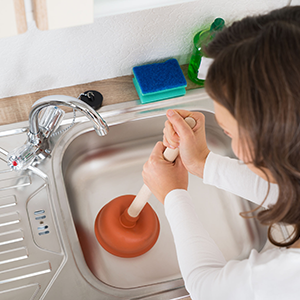
The plunger is a simple tool. It works by creating suction and pressure. Place the plunger over the drain. Ensure a tight seal. Push down and pull up vigorously. This action dislodges debris and restores water flow. It's a quick fix for minor clogs.
Drain Snake Method
A drain snake is useful for deeper clogs. Insert the snake into the drain. Twist and push it through the blockage. The hook on the end grabs debris. Pull the snake out slowly. This method clears tough obstructions effectively.
Chemical Drain Cleaners
Chemical drain cleaners dissolve clogs. Pour the cleaner into the drain as instructed. Wait for the solution to work. Rinse with hot water. These chemicals tackle grease and grime. Use them sparingly to avoid pipe damage.
When To Call A Professional
Clogged kitchen sinks are common. Sometimes, a simple plunger won't work. Knowing when to call a professional can save time and stress.
Ignoring a problem can lead to costly repairs. Let's explore some signs that it's time to call in an expert.
Persistent Blockages
Does your sink clog often? Even after using a drain cleaner? This indicates a deeper issue. Professionals have tools to clear stubborn clogs. They can also check if there is a bigger problem.
Multiple Drain Issues
Are other drains slow too? This might mean a bigger problem. It could be a main line issue. Only a professional can diagnose and fix this effectively.
Signs Of Pipe Damage
Do you notice leaks or water stains? Unusual sounds or smells? These are signs of pipe damage. Professionals can assess and repair pipe issues. This prevents further damage.
Credit: www.mrplumbersa.com
Preventive Measures For Kitchen Sinks
Clogged kitchen sinks might not seem urgent, but they can lead to bigger issues. Regular cleaning prevents blockages. Use strainers to catch debris.
A clogged kitchen sink can be more than just a minor inconvenience. It can disrupt your daily routine and lead to bigger plumbing issues if ignored. But, did you know that many of these clogs are preventable with some simple habits? Taking care of your kitchen sink isn't just about fixing problems when they arise; it's about preventing them from happening in the first place. Let’s dive into some practical measures you can take to keep your kitchen sink running smoothly.
Regular Cleaning Habits
Keeping your kitchen sink clean doesn't have to be a chore. Make it a habit to rinse the sink thoroughly after each use. This simple action can prevent food particles and grease from building up over time. Consider using a mild detergent and warm water to scrub the sink at least once a week. This helps in maintaining hygiene and prevents residue from sticking. An occasional baking soda and vinegar rinse can also work wonders for keeping odors at bay.
Proper Disposal Of Waste
What you throw down the sink matters. Avoid disposing of grease, coffee grounds, or fibrous foods in the sink. These items can quickly lead to stubborn clogs. Instead, dispose of such waste in the trash or compost bin. You might be surprised at how this small change can significantly reduce the risk of blockage. Just think about the last time you had to deal with a messy clog—wouldn't it be better to prevent it altogether?
Install Sink Strainers
Sink strainers are a small investment with a big payoff. By catching food particles and debris before they enter the drain, strainers are a frontline defense against clogs. Installing a strainer is straightforward. Choose a model that fits your sink and is easy to clean. Have you ever caught yourself fishing out food scraps from the drain with your fingers? A strainer can save you from that unpleasant task. By adopting these preventive measures, you can keep your kitchen sink in top condition and avoid the hassle of emergency plumbing calls. What steps will you take today to protect your sink from future blockages?
Consequences Of Ignoring Clogs
Ignoring a clogged kitchen sink can lead to serious problems. These issues can affect both your wallet and your well-being. Understanding the consequences can help you decide the urgency of the situation.
Water Damage Risks
Water can overflow if the sink remains clogged. This overflow can damage floors and cabinets. Wet surfaces can also lead to mold growth. Mold can be difficult to remove once established. Fixing water damage is costly and time-consuming.
Increased Repair Costs
Minor clogs can turn into major blockages. Over time, pipes can suffer damage from pressure buildup. This may require professional repair services. Repairing damaged pipes is more expensive than clearing clogs early. Regular maintenance can prevent costly repairs.
Health Hazards
Clogged sinks can become breeding grounds for bacteria. Stagnant water can emit unpleasant odors. These odors can affect indoor air quality. Poor air quality can lead to respiratory issues. Cleaning clogs quickly can prevent health risks.

Credit: m.facebook.com
Frequently Asked Questions
What Causes A Kitchen Sink To Clog?
Kitchen sinks often clog due to food particles, grease, and soap residue. Over time, these materials accumulate and block the pipes. Regular cleaning and proper disposal of waste can help prevent clogs.
How Can I Unclog My Kitchen Sink?
To unclog a kitchen sink, try using a plunger or a drain snake. Pouring boiling water and baking soda may also help. If the blockage persists, contact a professional plumber for assistance.
Is A Clogged Sink An Emergency?
A clogged kitchen sink isn't typically an emergency, but it should be addressed promptly. Ignoring it can lead to water damage or mold growth. Quick action can prevent further complications.
How To Prevent Kitchen Sink Clogs?
Prevent clogs by avoiding disposal of grease and large food particles in the sink. Use a strainer to catch debris. Regularly flush the drain with hot water and baking soda.
Conclusion
A clogged kitchen sink isn't always an emergency. But it can lead to bigger issues. Water damage or bad odors are common problems. Regular cleaning helps prevent clogs. Try to avoid pouring grease or food scraps down the drain. Use a strainer to catch debris.
Simple tools like a plunger can help. If clogs persist, call a plumber. Timely action keeps your kitchen running smoothly. Always stay proactive with maintenance. This saves both time and money. Remember, a little care goes a long way. Keep your sink clear and stress-free.