
When it comes to keeping your kitchen floor tile sparkling clean, the choices can be overwhelming. You might wonder which cleaning methods are truly safe and effective.
After all, you want to maintain the beauty and longevity of your tiles without causing any damage. Imagine stepping into your kitchen and feeling the satisfaction of a clean, gleaming floor beneath your feet. It's more than just cleaning; it's about creating a welcoming space for you and your family.
In this guide, we'll explore the safest options for cleaning your kitchen floor tiles, ensuring you have the knowledge to make your tiles shine while protecting your investment. Dive in to discover the secrets that will transform your cleaning routine and give you the pristine kitchen floor you've always dreamed of.

Credit: www.stonetiledepot.com
Choosing The Right Cleaning Products
Choosing cleaning products for kitchen floor tiles requires care. Opt for non-toxic and biodegradable cleaners. These options ensure safety for both your family and the environment. Always check labels for ingredients and avoid harsh chemicals that might damage tiles.
Cleaning your kitchen floor tile can be a chore, but choosing the right cleaning products makes all the difference. Whether you're tackling stubborn stains or just giving your floor a regular shine, understanding the options available is crucial. Your choice between natural and chemical cleaners can impact not only your floor but also your home environment and health.
Natural Vs. Chemical Cleaners
Natural cleaners are often praised for their eco-friendly ingredients. They typically contain elements like vinegar, baking soda, and essential oils. These items are not only safe but also effective for everyday cleaning. On the other hand, chemical cleaners might offer quicker results, especially for tough stains. However, they can come with drawbacks such as strong odors and potential health risks. Consider your priorities: Are you looking for speed or sustainability?
Understanding Ph Balance
The pH balance of a cleaner can affect how well it cleans and how safe it is for your tile. Acidic cleaners (low pH) are great for removing mineral deposits but can damage certain tiles. Alkaline cleaners (high pH) are excellent for grease removal but may leave a residue. Neutral pH cleaners are often the safest choice. They clean effectively without harming your floor tiles. If you've ever had a cleaner leave streaks or damage, it might be time to check its pH balance. Have you considered the impact of pH balance in your cleaning routine? Choosing the right products doesn't have to be overwhelming. You can start by assessing your tile type and the common messes you encounter. With the right knowledge, your kitchen floor can be sparkling clean and safe for everyone.
Credit: www.homedepot.com
Tools For Effective Tile Cleaning
Safe options for cleaning kitchen floor tiles include mild soap and warm water. Use a soft-bristle brush for scrubbing. Avoid harsh chemicals to prevent tile damage.
Cleaning kitchen floor tiles can be a daunting task, but with the right tools, it becomes much easier and more efficient. Discovering the best tools for effective tile cleaning can transform your routine into a quick and rewarding experience. Whether you're dealing with stubborn stains or everyday messes, selecting the right equipment is crucial. Let's dive into the best options available to ensure your kitchen floor tiles remain sparkling clean.
Best Mops For Tile Floors
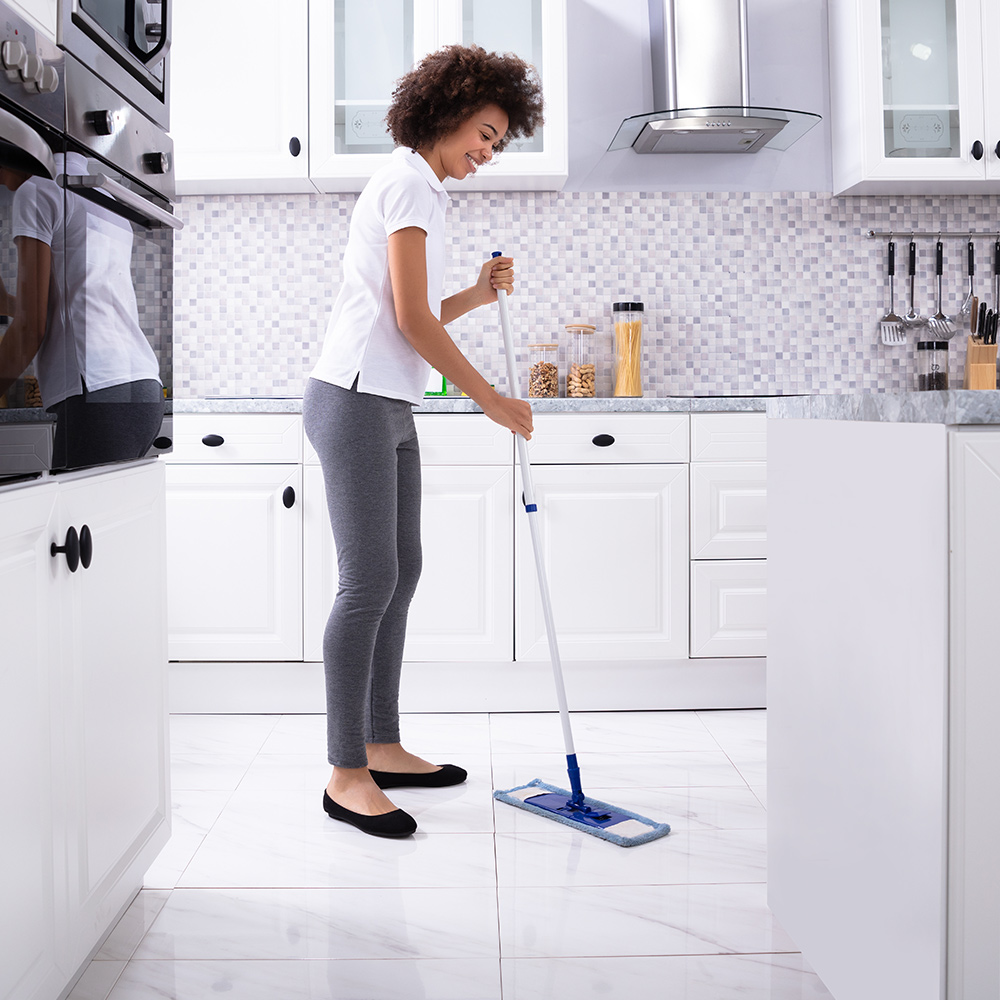
When selecting a mop for your tile floors, consider the material and design. Microfiber mops are excellent because they trap dirt and dust without scratching the surface. The soft fibers make them gentle yet effective. A spin mop can be a game-changer for those who prefer a hands-free wringing mechanism. It allows you to control the moisture level, ensuring your tiles dry quickly without water spots. Do you remember the last time you slipped on a wet floor? A steam mop might be your answer. Its ability to sanitize while cleaning offers a safe and quick drying option. Plus, it works wonders on grout lines!
Using Brushes And Scrubbers
Sometimes, a mop isn't enough for those stubborn spots. Brushes come in handy when dealing with grout or tough stains. A stiff-bristled brush can break down dirt without damaging your tiles. Scrubbers are perfect for detailed cleaning. Look for scrubbers with ergonomic handles to avoid hand fatigue. You’ll find that scrubbing becomes less of a chore when you can comfortably hold your tool. Have you ever thought about using an electric scrubber? They’re fantastic for giving your arms a break while tackling grimy areas. Just let the motor do the work and watch the dirt disappear. Choosing the right tools can make cleaning your kitchen floor tiles not only effective but also enjoyable. Which tool will you try next?
Safe Cleaning Practices
Cleaning kitchen floor tiles requires care and attention. Using the right techniques keeps tiles looking new and shiny. Safe practices prevent damage and extend the life of your flooring.
Avoiding Abrasive Methods
Avoid harsh cleaning tools and products. Steel wool and rough brushes can scratch the surface. Use soft cloths or mops instead. Mild cleaning solutions protect the tile finish. Avoid cleaners with ammonia or bleach. These chemicals can cause discoloration.
Preventing Water Damage
Excess water can harm your tiles. Use a damp mop, not a soaking wet one. Standing water seeps into grout lines, causing damage over time. Quickly dry the floor after cleaning. This practice prevents mold and mildew growth.
Tips For Stubborn Stains
For cleaning kitchen floor tiles, choose mild solutions like vinegar or baking soda. Avoid harsh chemicals that might damage the tiles. Gently scrub with a soft brush for effective stain removal.
Tips for removing stubborn stains on kitchen floor tiles can be a lifesaver. These stains can make your kitchen look less inviting. Knowing how to deal with them effectively saves time. It also keeps your kitchen looking its best. Here are some practical tips for handling common stubborn stains.
Handling Grease And Oil Spots
Grease and oil stains can be tough to remove. Start by sprinkling baking soda on the spot. Baking soda absorbs the grease. Let it sit for a few minutes. Then, scrub gently with a damp cloth. Use warm water and mild detergent for better results. Rinse the area thoroughly. This process helps lift the stain without damaging the tile.
Removing Grout Stains
Grout stains can be stubborn. Use a mixture of vinegar and water. Vinegar is a natural cleaner. Mix equal parts of vinegar and water. Apply the solution with a brush. Scrub the grout lines gently. For tougher stains, add baking soda to the mix. Let it sit for a few minutes. Rinse with warm water. This method keeps grout lines clean and bright.
Maintaining Tile Appearance
Maintaining the appearance of your kitchen floor tile is essential. Clean and shiny tiles uplift the kitchen's look. Dirty tiles can quickly make the space feel uninviting. Keeping them clean involves regular attention and care. Follow a few simple steps to preserve their shine.
Regular Cleaning Schedule
Set a regular schedule for cleaning your kitchen tiles. Daily sweeping removes loose dirt and crumbs. This prevents scratches on the tile surface. Use a damp mop weekly with warm water. Add a mild detergent for deeper cleaning.
Avoid using harsh chemicals that may damage the tiles. Rinse the floor with clean water after mopping. This ensures no soap residue remains. Dry the floor with a clean towel to avoid streaks.
Sealant And Protection
Applying a sealant helps protect your tiles from stains. A sealant acts as a barrier against spills and grime. Choose a sealant designed for your specific tile type. Follow the manufacturer's instructions for application.
Reapply the sealant every few years, or as needed. This maintains the protective layer on your tiles. Use felt pads on furniture legs to prevent scratches. This simple step can extend the tile's lifespan.
Eco-friendly Cleaning Solutions
Cleaning kitchen floor tiles can be easy and safe with eco-friendly solutions. These options protect your home and the environment. Many people worry about harsh chemicals. Eco-friendly cleaners offer a gentle alternative. They are made from natural ingredients. This makes them safe for families and pets. Discover how you can clean your kitchen tiles without harming the planet.
Diy Cleaners
Making your own cleaners is simple and cost-effective. Use common household items like vinegar and baking soda. Mix vinegar with water for a natural disinfectant. Baking soda can scrub away dirt and grime. Lemon juice adds a fresh scent and extra cleaning power. These ingredients are non-toxic and biodegradable. You can maintain a clean kitchen while being kind to the Earth.
Benefits Of Green Cleaning
Green cleaning has many advantages. It is safe for your health. Traditional cleaners can irritate the skin and lungs. Eco-friendly options reduce these risks. They also lessen environmental impact. Many commercial cleaners contain harmful chemicals. These can pollute water and air. Green cleaners are gentle and biodegradable. They break down naturally without leaving harmful residues.
Using eco-friendly solutions supports a sustainable lifestyle. You use fewer resources and produce less waste. This small step contributes to a healthier planet. Plus, it saves money. DIY cleaners are often cheaper than store-bought products. Enjoy a clean home without breaking the bank.

Credit: www.amazon.com
Frequently Asked Questions
What Cleaning Products Are Safe For Kitchen Tiles?
For kitchen tiles, use pH-neutral cleaners like dish soap or vinegar. They effectively clean without damaging tile surfaces. Avoid harsh chemicals that can strip tile sealant. Natural options like baking soda can also be effective for gentle cleaning. Always test new products on a small area first.
Can Vinegar Damage Kitchen Floor Tiles?
Vinegar is generally safe for kitchen tiles, especially if diluted with water. It effectively removes stains and grime. However, for natural stone tiles, vinegar might be too acidic. Always check the tile material before using vinegar. Regular use on ceramic and porcelain tiles is typically safe.
How Often Should I Clean Kitchen Floor Tiles?
Clean kitchen floor tiles weekly to maintain hygiene and appearance. Daily sweeping or vacuuming helps remove debris. For high-traffic areas, consider more frequent cleaning. Regular maintenance prevents buildup of dirt and grime. Adjust frequency based on household activity and foot traffic.
Is Baking Soda Safe For Tile Cleaning?
Baking soda is safe and effective for cleaning kitchen tiles. It gently scrubs without scratching surfaces. Mix with water to form a paste for stubborn stains. It's especially good for grout cleaning. Avoid using on unsealed tiles to prevent damage.
Conclusion
Choosing the right cleaner is crucial for your kitchen tiles. Safe options protect both the tiles and your health. Natural cleaners like vinegar and baking soda work well. They are gentle yet effective. Avoid harsh chemicals that may damage tiles or harm health.
Regular cleaning keeps your kitchen floor shiny and inviting. Always follow instructions on product labels. Test new cleaners on a small area first. Keep your kitchen floor beautiful and safe with these simple tips. Clean regularly, and enjoy a sparkling kitchen.