Are you tired of dealing with stubborn odors and slow drainage in your kitchen sink? You’re not alone.
Many of us face these annoying issues, often wondering if there's a simple solution. What if you could tackle these problems head-on with just a few items you probably already have at home? Imagine a fresh-smelling kitchen and a smoothly running drain, all without the harsh chemicals that can harm your pipes and the environment.
You’ll discover exactly what you should — and shouldn’t — be pouring down your kitchen drain to keep it clean and clear. Your kitchen’s cleanliness might be just a few steps away, so let’s dive in and find out how you can transform your sink into a more efficient and pleasant part of your home.
Credit: www.liquidplumr.com
Safe Cleaning Agents
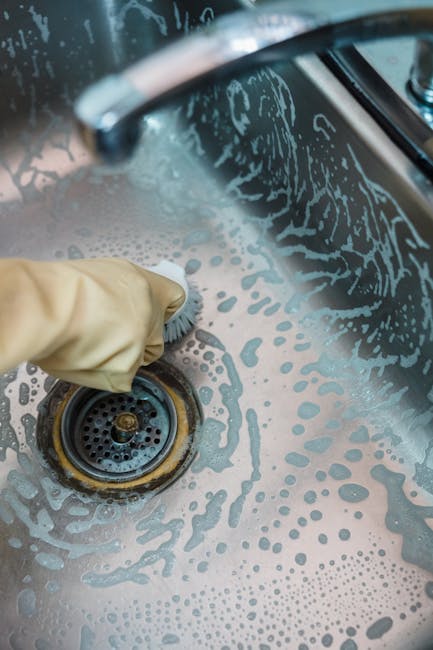
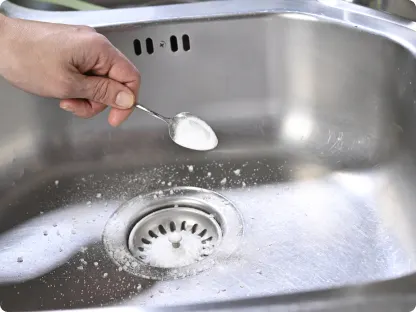
Baking soda and vinegar work well for cleaning kitchen drains safely. Pour half a cup of baking soda, followed by a cup of vinegar. Let it fizz for a few minutes, then rinse with hot water. This natural method helps clear minor clogs and keeps drains smelling fresh.
Cleaning your kitchen drain can seem daunting, but using safe cleaning agents makes the task easier and eco-friendly. Avoid harsh chemicals that can damage your pipes and the environment. Instead, try natural solutions that clean effectively and keep your kitchen smelling fresh.
Baking Soda And Vinegar
Have you ever mixed baking soda and vinegar to create a science project volcano? This classic combination is not just for fun; it's a powerful cleaning duo. Pour half a cup of baking soda down your drain, followed by a cup of vinegar. Let it fizz for about 15 minutes, then flush with hot water. It’s a simple, effective way to break down grime and deodorize your drain.
Salt And Hot Water
Salt is more than just a seasoning; it’s a natural abrasive that can help scour your pipes. Once a week, pour half a cup of salt down the drain, followed by a kettle full of boiling water. The hot water dissolves grease while the salt scrubs the pipe walls. This method is a quick fix for minor clogs and keeps your drain flowing smoothly.
Lemon Juice Benefits
Lemon juice is a natural deodorizer and cleaner. Its acidity breaks down buildup, while its fresh scent banishes unpleasant odors. Squeeze the juice of a lemon into your drain and let it sit for a few minutes. Rinse with warm water. Not only does your kitchen smell citrusy fresh, but you also avoid harsh chemicals. Choosing safe cleaning agents for your kitchen drain not only protects your plumbing but also the environment. Have you tried any of these methods? They’re easy to incorporate into your routine, offering a fresh and clean kitchen without the need for harmful substances.
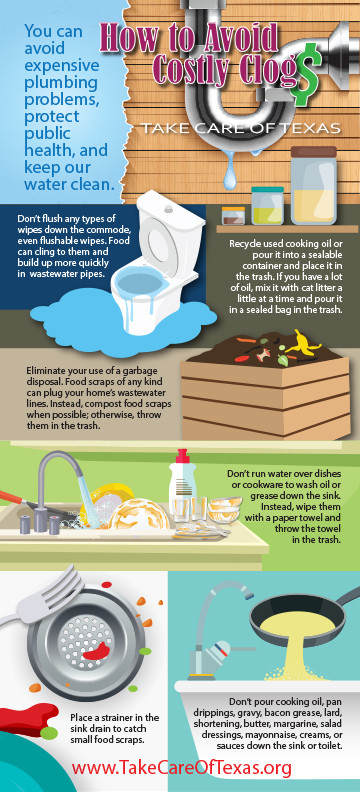
Credit: takecareoftexas.org
Common Mistakes
Many mistakenly pour grease and coffee grounds down the kitchen drain, leading to clogs. Instead, opt for baking soda and vinegar to naturally clean and freshen pipes.
Cleaning your kitchen drain might seem straightforward, but common mistakes can lead to stubborn clogs and costly repairs. You may think dumping just anything down the drain will do the job, but it's crucial to know what truly works and what harms.
Avoid Harsh Chemicals
Pouring harsh chemicals down your kitchen drain is a shortcut many people take, thinking it will clear the pipes effectively. While these chemicals might promise a quick fix, they can corrode your pipes over time. Imagine waking up to a leaking pipe simply because of a cleaning mishap. Instead, opt for natural alternatives like baking soda and vinegar. They’re gentle yet effective, maintaining the health of your plumbing.
Prevent Food Waste Dumping
It's tempting to dump leftover food scraps down the drain, especially when you're busy. But this practice is a recipe for disaster. Bits of food can accumulate and create blockages. Have you ever had to deal with a smelly, clogged drain after a big family dinner? Save yourself from that mess by using a compost bin for food waste. Your plumbing—and the environment—will thank you.
Impact Of Grease On Pipes
Many overlook the damage grease can cause. Pouring grease down the drain is like inviting trouble into your pipes. It solidifies and sticks to the walls, restricting water flow. Have you noticed your sink draining slower after cooking a greasy meal? That's the grease hard at work. Collect used cooking oil in a container and dispose of it properly. You’ll protect your pipes from unnecessary strain and avoid the hassle of calling a plumber. Are you guilty of these common mistakes? It’s time to rethink your kitchen habits to ensure a smooth and efficient cleaning process without unexpected hiccups.
Benefits Of Regular Maintenance
Regular maintenance of your kitchen drain can save you many headaches. It keeps your drain working smoothly. Regular upkeep ensures fewer repairs. It also keeps your kitchen environment clean and pleasant. Let's explore the key benefits of maintaining your kitchen drain regularly.
Preventing Clogs
Regular drain cleaning helps prevent annoying clogs. Food particles and grease often build up. This leads to blockages. By cleaning often, you remove these before they cause problems. Less buildup means water flows freely. This makes your kitchen routine smoother.
Extending Drain Lifespan
A well-maintained drain lasts longer. Regular cleaning reduces wear and tear. It prevents corrosive substances from sticking around. This keeps your pipes in good condition. A longer lifespan for your drain saves money. You won't need repairs or replacements often.
Improving Kitchen Hygiene
Clean drains boost kitchen hygiene. They prevent bad smells from forming. With less debris, there's less bacteria growth. A clean drain means a cleaner kitchen. This makes cooking and cleaning more enjoyable. It also promotes a healthier living space.
Eco-friendly Solutions
Green cleaning starts with simple ingredients. Baking soda and vinegar work wonders for drain cleaning. These natural solutions help maintain a clean kitchen while being safe for the environment.
When it comes to maintaining a clean kitchen, you might find yourself pondering what to dump down the drain. Many cleaning products are harmful to the environment, but eco-friendly solutions offer a greener way to tackle kitchen grime. These methods are not only effective but also safe for your family and the planet. Let’s dive into some natural and DIY options that can transform your kitchen cleaning routine.
Natural Enzyme Cleaners
Natural enzyme cleaners are a fantastic option for eco-conscious homeowners. These cleaners use enzymes to break down organic material, effectively cleaning your drain without harsh chemicals. Imagine pouring a solution into your sink that effortlessly breaks down grease and food particles. That's what enzyme cleaners do. They're biodegradable and safe for septic systems, making them an ideal choice for the environmentally aware. You can find these cleaners at health stores or online. They come in liquid or powder form and are easy to use—simply follow the instructions on the label. Have you considered the impact of chemical cleaners on your local water supply? Enzyme cleaners offer peace of mind.
Diy Cleaning Alternatives
For those who love a hands-on approach, DIY cleaning alternatives are both fun and rewarding. You probably have the ingredients in your kitchen right now: vinegar, baking soda, and lemon juice. Mix equal parts of baking soda and vinegar, pour it down the drain, and let it fizz. The reaction helps dislodge grime and leaves your drain smelling fresh. Lemon juice adds a pleasant citrus scent and has natural antibacterial properties. Personal experience tells me that this method is surprisingly effective. It’s amazing how simple household items can clean just as well as expensive products. Why spend money on chemical solutions when you can make your own cleaner with items you already have? Eco-friendly solutions make kitchen cleaning a breeze while keeping your conscience clear. Have you tried any of these methods? You might be surprised at how easy and effective they are.
Professional Advice
Pouring baking soda and vinegar down the kitchen drain helps break down debris and neutralize odors. Hot water flushes away residue and keeps pipes clear. Avoid grease and oils, which can cause blockages.
Cleaning your kitchen drain might seem like a small task, but doing it the wrong way can lead to significant issues. Professional advice can save you time and prevent costly mistakes. Whether you're tackling a stubborn clog or just want to maintain a clean drain, understanding when to seek expert help and how professionals approach the task can make all the difference.
When To Call A Plumber
You might be tempted to fix a drain problem yourself, but there's wisdom in knowing when to call a plumber. If water is backing up consistently, and home remedies aren't cutting it, it's time to get professional assistance. Plumbers have specialized tools and expertise that can prevent further damage to your pipes. Sometimes, a seemingly simple clog can hint at a bigger problem. Persistent issues might mean there's a blockage deep within the plumbing system. A plumber can identify and solve these issues before they escalate.
Signs Of Serious Blockages
Slow draining water is often the first sign of trouble. If you notice this, act quickly before it becomes a complete blockage. Do you hear strange gurgling sounds when water drains? That's another red flag that shouldn't be ignored. Unpleasant odors can also indicate a serious blockage. It might not be just food scraps; there could be a buildup of grease or other materials. If your usual cleaning methods don't work, this could be a signal of a deeper issue.
Expert Cleaning Techniques
Professionals use techniques that go beyond what you can achieve with DIY methods. Hydro jetting, for instance, uses high-pressure water streams to clear stubborn clogs. This method is highly effective and can even clean the walls of your pipes. Another tool in their arsenal is the drain snake, which can reach blockages deep within the plumbing system. It's particularly useful for clogs caused by hair or fibrous foods. Have you ever wondered how plumbers achieve such thorough cleaning? Their training and equipment make them incredibly effective at maintaining clear drains. A personal experience taught me the value of professional help. After trying multiple home remedies to clear a blockage, I finally called a plumber. Their quick resolution was a game-changer, and it made me appreciate the importance of expert advice. Next time you face a stubborn drain issue, will you try to fix it alone, or will you seek the expertise that could save you time and hassle? Consider reaching out to professionals who can ensure your kitchen drain remains in top condition.
:max_bytes(150000):strip_icc()/GettyImages-1402637785-d0f98ea2b9e44ccf96aa80c3e695631b.jpg)
Credit: www.thespruce.com
Frequently Asked Questions
What Is Safe To Pour Down Kitchen Drain?
Pour warm water and mild dish soap down your kitchen drain. This combination helps dissolve grease and food particles. Use it regularly to maintain a clean and odor-free drain. Avoid using harsh chemicals as they can damage your pipes and harm the environment.
Can Vinegar Clean My Kitchen Drain?
Yes, vinegar is effective for cleaning kitchen drains. Pour a cup of vinegar down the drain and let it sit for 30 minutes. It helps in breaking down buildups and neutralizing odors. Rinse with warm water to flush away the residues.
Is Baking Soda Good For Drain Cleaning?
Baking soda is excellent for cleaning drains. Sprinkle a cup of baking soda into the drain, followed by hot water. It helps in breaking down grime and neutralizing odors. Use this method once a week for best results.
How Often Should I Clean My Kitchen Drain?
Clean your kitchen drain once a week to prevent clogs and odors. Regular cleaning keeps your drain functioning smoothly and reduces the risk of buildup. Use natural cleaning agents like baking soda and vinegar for safe and effective maintenance.
Conclusion
Keeping your kitchen drain clean is simple and effective. Use natural cleaners like baking soda and vinegar. These are safe for pipes and the environment. Avoid pouring grease or oil down the drain. They can cause blockages. Regular cleaning prevents clogs and keeps odors away.
Remember, a clean drain means a healthier kitchen. Try these easy methods today. Your kitchen will thank you. Consistent care ensures a smooth running drain. No need for harsh chemicals. Just simple, natural solutions. Enjoy a fresh and clean kitchen environment every day.