Have you ever wondered who sets the standards for cleaning a kitchen in a bustling restaurant? You might think it's solely up to the restaurant owners or perhaps the chefs who helm the kitchen.
But in reality, the rules governing these crucial cleaning practices come from a web of authoritative bodies, each playing a significant role in ensuring your dining experience is both safe and delightful. Understanding these rules not only demystifies the behind-the-scenes operations but also gives you a sense of confidence in the meals you enjoy.
As you delve deeper into this article, you'll uncover the fascinating blend of authority, science, and practicality that shapes the cleanliness standards in restaurant kitchens. Get ready to discover who truly holds the reins and how these regulations impact your dining experience.
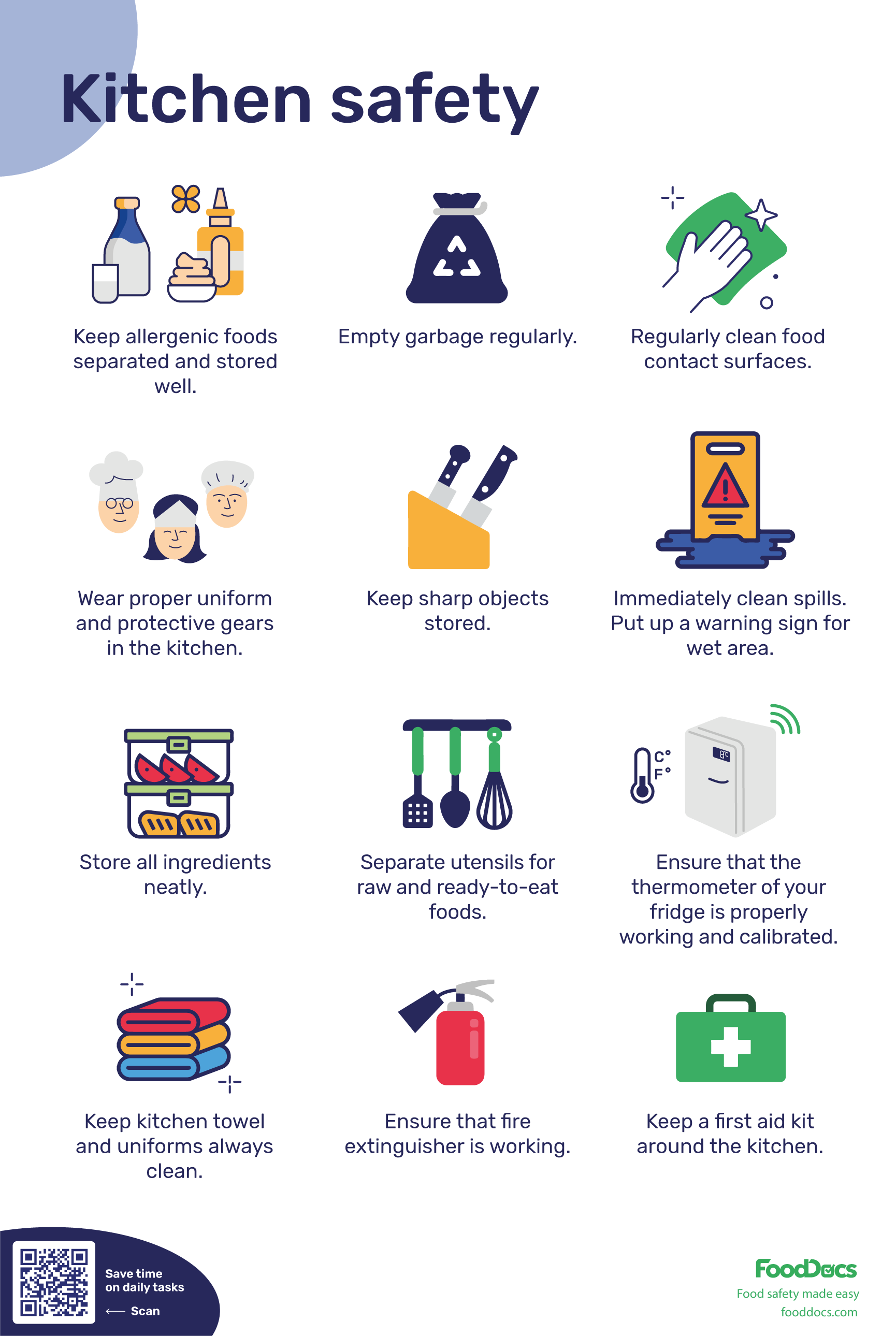
Credit: www.fooddocs.com
Regulatory Bodies
Health departments create rules for cleaning kitchens in restaurants. These rules ensure food safety and cleanliness. They inspect and enforce standards to protect public health.
Cleaning a kitchen in a restaurant isn't just about maintaining a sparkling surface; it’s about adhering to the rules set by regulatory bodies. These rules ensure that food is prepared in a safe and hygienic environment. But who exactly decides these rules? Let’s delve into the key regulatory bodies that have a hand in setting these standards.
Government Agencies
Government agencies play a pivotal role in establishing kitchen cleanliness rules in restaurants. Think about the Food and Drug Administration (FDA) in the United States. They set guidelines that dictate how food should be handled and stored to prevent contamination. Such rules are not mere suggestions; they are legally binding, and non-compliance can lead to penalties. This is why restaurant managers often have sleepless nights ensuring their kitchens meet these standards. Have you ever wondered if your favorite local eatery follows these rules to the letter?
Health Departments
Your local health department is another crucial player in the regulatory landscape. They conduct inspections and enforce standards set by government agencies. These inspections can be nerve-wracking, with inspectors checking for cleanliness, food storage, and sanitation practices. The health department’s rules are specific to each locality, which means a restaurant in New York might face different requirements than one in California. This localization ensures that the specific needs of each community are met. Restaurant owners often share tales of surprise visits and the scramble to fix minor issues before the inspector arrives. It’s a constant reminder of the importance of maintaining high standards daily. So, next time you enjoy a meal at a restaurant, consider the meticulous efforts that go into ensuring your food is prepared in a clean and safe environment. What steps do you think restaurant owners could take to better prepare for these inspections?
Industry Standards
Have you ever wondered who decides the cleanliness rules that keep restaurant kitchens safe and spotless? These rules aren't just made on a whim. They're based on industry standards designed to ensure every meal served is safe and sanitary. Understanding these standards is crucial for anyone involved in the culinary world.
Professional Organizations
Professional organizations play a significant role in shaping cleaning standards. These groups, like the National Restaurant Association, provide guidelines that help restaurants maintain hygiene. They often collaborate with health departments to ensure their recommendations are up-to-date.
Imagine a busy kitchen where multiple chefs are working side by side. Professional organizations understand these dynamics and create standards that focus on practical cleanliness. They know what works and what doesn't in real-world settings.
Have you ever seen a sanitation checklist in a kitchen? Chances are, it's influenced by these organizations. They provide easy-to-follow protocols that make cleaning efficient and effective.
Certification Programs
Certification programs are another pillar of industry standards. These programs offer training in cleaning and sanitation, ensuring that staff are well-prepared. They're a great way to formalize knowledge and skills in maintaining a clean kitchen.
Consider a chef who's new to the industry. Certification programs can be a valuable resource for them. They provide a structured learning path that covers everything from basic cleaning techniques to advanced sanitation practices.
Why not consider enrolling in a certification program if you're involved in kitchen management? It can enhance your understanding of industry standards and improve your team's efficiency.
What do you think about the importance of these standards? Are they essential for a successful kitchen? Your thoughts could be the missing link in understanding the true impact of these guidelines.
Restaurant Management
Managing a restaurant is like conducting an orchestra. Every part must work in harmony to create a delightful experience for your guests. A clean kitchen is fundamental to this harmony, ensuring not only the safety of the food but also the reputation of the establishment.
But who exactly makes the rules for cleaning the kitchen in a restaurant? It often falls into the capable hands of restaurant management, which includes both owners and managers.
Owner's Role
As an owner, you set the tone for cleanliness standards. Your vision for the restaurant influences every decision, including how the kitchen operates. Owners have a vested interest in maintaining a spotless environment, as it reflects on their brand.
Imagine walking into a kitchen where everything shines—no grease spots, no lingering smells. This is often the owner's dream, turning into reality through clear guidelines and expectations. By prioritizing cleanliness, you communicate its importance to your staff.
Owners often collaborate with managers to draft comprehensive cleaning protocols. These protocols are not just about keeping the kitchen tidy but ensuring compliance with health regulations. The owner’s role is to provide resources and encouragement, fostering a culture of cleanliness.
Managerial Guidelines
Managers are the hands-on implementers of the owner's vision. They are responsible for translating high-level cleanliness standards into everyday practices. A manager ensures that each staff member understands their specific cleaning tasks.
Managers often develop detailed cleaning schedules. These schedules might include daily, weekly, and monthly tasks, ensuring nothing is overlooked. Clear instructions make it easier for your team to follow through, reducing the likelihood of errors.
Consider a time when you visited a restaurant and noticed the spotless cutlery or the gleaming floors. That didn’t happen by accident. It was the result of precise managerial guidelines followed meticulously by the staff.
Are your managers equipped with the right tools and knowledge to maintain these standards? Regular training and open communication channels can be vital in ensuring everyone is on the same page.
Both owners and managers play crucial roles in creating and enforcing rules for kitchen cleanliness. Their combined efforts ensure a safe and welcoming environment for both staff and patrons alike.
Employee Training
Employee training is crucial for maintaining a clean kitchen in restaurants. Proper training ensures staff know how to clean effectively and safely. This also helps keep a consistent standard of cleanliness. A well-trained team can prevent food contamination and maintain health standards.
Training Protocols
Restaurants must establish clear cleaning protocols for their employees. These protocols outline specific tasks and cleaning schedules. Detailed instructions help staff understand their responsibilities. Regular training sessions reinforce these protocols. This ensures everyone stays updated on best practices.
Safety Practices
Safety practices are essential during kitchen cleaning. Employees must learn how to handle cleaning chemicals safely. Proper use of gloves and masks is necessary. Training includes instruction on safe equipment usage. This minimizes accidents and injuries in the kitchen environment.
Technological Influence
Health departments set kitchen cleaning rules in restaurants to ensure food safety and hygiene. These regulations help prevent contamination and maintain a clean cooking environment. Restaurant managers and staff must follow these rules to keep their kitchens safe.
In the modern restaurant kitchen, technology is reshaping how cleaning rules are made and followed. As kitchens become more advanced, integrating technology into cleaning processes ensures higher standards and efficiency. You might be surprised how much technology affects even the simplest tasks, like cleaning.
Cleaning Equipment
Advanced cleaning equipment is now a staple in many restaurant kitchens. High-tech dishwashers, for example, can sanitize hundreds of dishes in minutes, ensuring that hygiene standards are consistently met. Imagine a machine that can clean itself. That's what some of the newest models offer. This kind of equipment reduces the time you spend on maintenance, allowing your team to focus on preparing delicious meals. Wouldn't you love a mop that requires less effort? Electric mops and scrubbers make floor cleaning more efficient, leaving surfaces spotless with minimal manual work.
Digital Monitoring Systems
Digital monitoring systems are becoming a game-changer in maintaining cleanliness. They provide real-time data on areas that need attention, helping you allocate resources more effectively. Think about how you track your steps with a fitness app. Similarly, these systems can track cleaning tasks, ensuring nothing is overlooked. This reduces the risk of missing critical cleaning areas. You can also receive alerts if a task hasn't been completed on time. These notifications help maintain accountability among staff, ensuring that cleanliness standards are never compromised. With technology, you can streamline cleaning processes, making your kitchen a safer and more efficient place to work. How are you integrating technology into your cleaning routines?
Credit: www.citronhygiene.com
Consumer Expectations
Consumer expectations drive standards for cleanliness in restaurant kitchens. Diners expect clean, safe environments. This expectation influences the rules for maintaining hygiene. Restaurants must meet these standards to satisfy their customers.
These expectations affect how restaurants manage kitchen cleanliness. Consumers want assurance that meals are prepared in a clean setting. This demand leads to strict cleaning protocols.
Customer Feedback
Feedback plays a crucial role in shaping cleaning rules. Customers share their experiences online and offline. Restaurants listen to this feedback to improve their operations. Positive reviews can attract more patrons. Negative feedback about cleanliness can harm business. Restaurants must respond quickly to maintain their reputation.
Reputation Management
Maintaining a good reputation involves more than just good food. Cleanliness is a critical aspect. A single incident can damage a restaurant's standing. This makes consistent cleaning a priority. Employees are trained to follow cleaning guidelines. Management oversees these practices to ensure compliance.
Regular audits help maintain high standards. They identify areas needing improvement. This proactive approach keeps the restaurant in good standing with consumers. A strong reputation for cleanliness builds trust with customers. Trust leads to repeat business and positive word-of-mouth.
Credit: edit.org
Frequently Asked Questions
Who Sets Kitchen Cleaning Standards In Restaurants?
Health and safety regulations set by local health departments determine cleaning standards in restaurants. These standards ensure food safety and hygiene. Restaurant owners and managers must follow these regulations to maintain a clean environment and pass health inspections.
How Do Restaurants Ensure Kitchen Cleanliness?
Restaurants ensure kitchen cleanliness through daily cleaning schedules and staff training. Employees are trained in proper cleaning techniques and use of sanitizing products. Regular inspections and checklists help maintain high cleanliness standards, ensuring a safe environment.
What Are The Common Kitchen Cleaning Rules?
Common kitchen cleaning rules include sanitizing surfaces, washing utensils, and maintaining equipment. Floors must be swept and mopped daily. Garbage should be disposed of regularly. These practices prevent contamination and ensure a safe, hygienic kitchen environment.
Who Enforces Cleaning Regulations In Restaurants?
Local health departments enforce cleaning regulations in restaurants. They conduct inspections to ensure compliance with health codes. Violations can lead to fines, closures, or other penalties, ensuring that restaurants maintain proper cleanliness and hygiene standards.
Conclusion
Kitchen cleaning rules in restaurants ensure health and safety. Owners set basic standards. Managers enforce daily cleaning routines. Health inspectors check compliance. Staff follows clear instructions. Everyone plays a role. Cleanliness prevents illnesses and keeps customers safe. Good practices boost restaurant reputation.
Regular training helps staff maintain standards. Clear rules create a clean, safe kitchen environment. Consistent cleaning practices build trust with customers. Always prioritize cleanliness. It benefits everyone.