Are you tired of scrubbing stubborn stains off your pots and pans, or perhaps you're seeking cookware that won't warp or peel over time? Hard anodized cookware might be the game-changer you need in your kitchen.
This durable, sleek, and efficient option is gaining popularity among home cooks and professional chefs alike. But what exactly is hard anodized cookware, and why should it earn a spot in your culinary arsenal? You'll uncover the secrets behind its impressive resilience and why it might just revolutionize the way you cook.
Get ready to discover how this cookware can make your kitchen experience not only easier but also more enjoyable. Keep reading to find out how hard anodized cookware could be the upgrade you've been searching for.

Credit: www.amazon.com
Hard Anodized Cookware Basics
Hard anodized cookware has become a kitchen favorite for many home cooks and professional chefs alike. But what makes it so special? Understanding the basics of hard anodized cookware can help you make informed decisions for your kitchen. Let's dive into the details and explore why this type of cookware might be the perfect choice for your culinary adventures.
What Is Hard Anodized Cookware?
Hard anodized cookware is made from aluminum that has been chemically treated to make it stronger and more durable. This process results in a surface that is resistant to scratches and dents. It's perfect for everyday cooking, offering you a reliable option that lasts.
Benefits Of Hard Anodized Cookware
One major advantage is its non-stick surface. You can cook with less oil, making meals healthier. It's also easy to clean, saving you precious time. Have you ever spent ages scrubbing pots? With hard anodized cookware, that's a thing of the past.
Durability And Longevity
Hard anodized cookware is built to last. Its tough surface withstands high temperatures and daily use. You can enjoy cooking without worrying about damaging your pots and pans. Investing in durable cookware means fewer replacements and more savings.
Safety Features
Unlike some other non-stick options, hard anodized cookware doesn’t contain harmful chemicals. You can cook with peace of mind, knowing your meals are safe. It's a reassuring choice for those who prioritize health and safety.
Practical Cooking Tips
Use medium heat to get the best results. High heat can damage the surface over time. Wooden or silicone utensils are ideal to maintain the non-stick layer. Simple adjustments can maximize your cookware's lifespan.
Personal Experience: A Game Changer
I switched to hard anodized cookware a year ago. My morning eggs slide out effortlessly, and cleaning is a breeze. It's a small change that made a big impact on my cooking routine. What could it do for yours?
Have you considered how the right cookware might transform your kitchen experience? Hard anodized cookware might be the upgrade you didn't know you needed. With its combination of durability, safety, and ease of use, it stands out as a top choice for anyone who loves to cook. So, next time you're shopping for cookware, why not give hard anodized a closer look?
Manufacturing Process
Hard anodized cookware is a popular choice in many kitchens, offering durability and superior cooking performance. Understanding its manufacturing process can give you insight into why this cookware is a staple for many home chefs. Let's dive into the fascinating process behind hard anodized cookware, breaking it down into key steps.
Electrochemical Treatment
The first step in crafting hard anodized cookware is the electrochemical treatment. This process involves immersing aluminum into an acid electrolyte bath and then passing an electric current through it. The aluminum acts as the anode, hence the term "anodized." This treatment converts the surface of the aluminum into a layer of aluminum oxide, which is much harder than the metal itself.
Think of it like giving your cookware a protective shield. It enhances resistance to corrosion and makes the surface non-reactive. This is why you can confidently cook acidic foods like tomatoes without worrying about flavor changes. Ever wondered why your hard anodized pan doesn’t rust? It’s this very treatment that keeps it pristine.
Material Enhancement
Once the electrochemical treatment is complete, the material enhancement phase begins. The aluminum oxide layer created is not just for show; it significantly enhances the cookware's properties. This layer is dense and offers a non-stick quality without the need for additional coatings.
Imagine cooking pancakes without the worry of them sticking to the pan. The material enhancement ensures that your cookware remains smooth and easy to clean. It also increases the lifespan of the cookware, saving you money in the long run. Have you ever felt the weight of a hard anodized pan? That sturdy feel is thanks to this enhancement process.
As you explore the manufacturing process, consider how this knowledge impacts your cooking choices. Do you see why so many opt for hard anodized over other types? Understanding these steps can help you make informed decisions about your kitchen gear. So next time you pick up a hard anodized pan, appreciate the science and craftsmanship that goes into its creation.
Key Features
Hard anodized cookware has gained popularity for its impressive qualities. It stands out in the kitchen for several reasons. Let's explore its key features.
Durability
Hard anodized cookware is incredibly durable. It undergoes a special process to become tougher. This process makes it resistant to scratches. It can handle daily use without wearing out. Many chefs trust it for its long-lasting nature.
Non-stick Surface
The non-stick surface of this cookware is a big advantage. Food doesn't stick, making cooking easy and enjoyable. You can cook with less oil for healthier meals. It's also simple to clean after use. A quick wipe and it's ready for the next dish.
Resistance To Corrosion
Corrosion is a common problem with some cookware. Hard anodized cookware resists corrosion effectively. This means it won't react with acidic foods. Your cookware stays in great condition for years. This feature adds to its appeal for everyday cooking.
Benefits In The Kitchen
Hard anodized cookware has taken the culinary world by storm, offering numerous benefits that make it a staple in modern kitchens. Its unique construction enhances your cooking experience, making it a favorite for both amateur cooks and professional chefs alike. But what makes hard anodized cookware so special? Let's dive into the benefits that can transform your everyday cooking.
Even Heat Distribution
One of the standout features of hard anodized cookware is its ability to distribute heat evenly. Imagine cooking a pancake that’s perfectly golden on one side and raw on the other. Frustrating, right? With hard anodized pans, you can say goodbye to those uneven cooking disasters. The material ensures that heat spreads uniformly, preventing hotspots. This means your food cooks consistently, enhancing flavors and textures. Picture perfectly seared steaks or evenly browned stir-fries every time.
Low Maintenance
Hard anodized cookware is a dream when it comes to maintenance. Gone are the days of scrubbing relentlessly or soaking pans overnight. These pots and pans are known for their non-stick surface, making cleanup a breeze. You’ll find that food slides right off, reducing the need for excessive oil or butter. Plus, they're resistant to scratches and dents, maintaining their sleek appearance. This means more time enjoying your culinary creations and less time cleaning up.
Versatility In Cooking
Versatility is another key benefit of hard anodized cookware. Whether you're simmering a delicate sauce or frying up some crispy bacon, these pots and pans can handle it all. They are suitable for a wide range of cooking methods, from stovetop to oven. This flexibility allows you to experiment with new recipes and techniques without worrying if your cookware can keep up. Have you ever tried baking a frittata in a pan? With hard anodized cookware, you can easily transition from stovetop to oven without missing a beat.
As you explore the world of hard anodized cookware, consider how these benefits can enhance your kitchen experience. Do you value efficiency and quality in your cooking tools? If so, this might be the perfect addition to your culinary arsenal. What dish will you perfect with your new cookware?
Comparing With Other Cookware
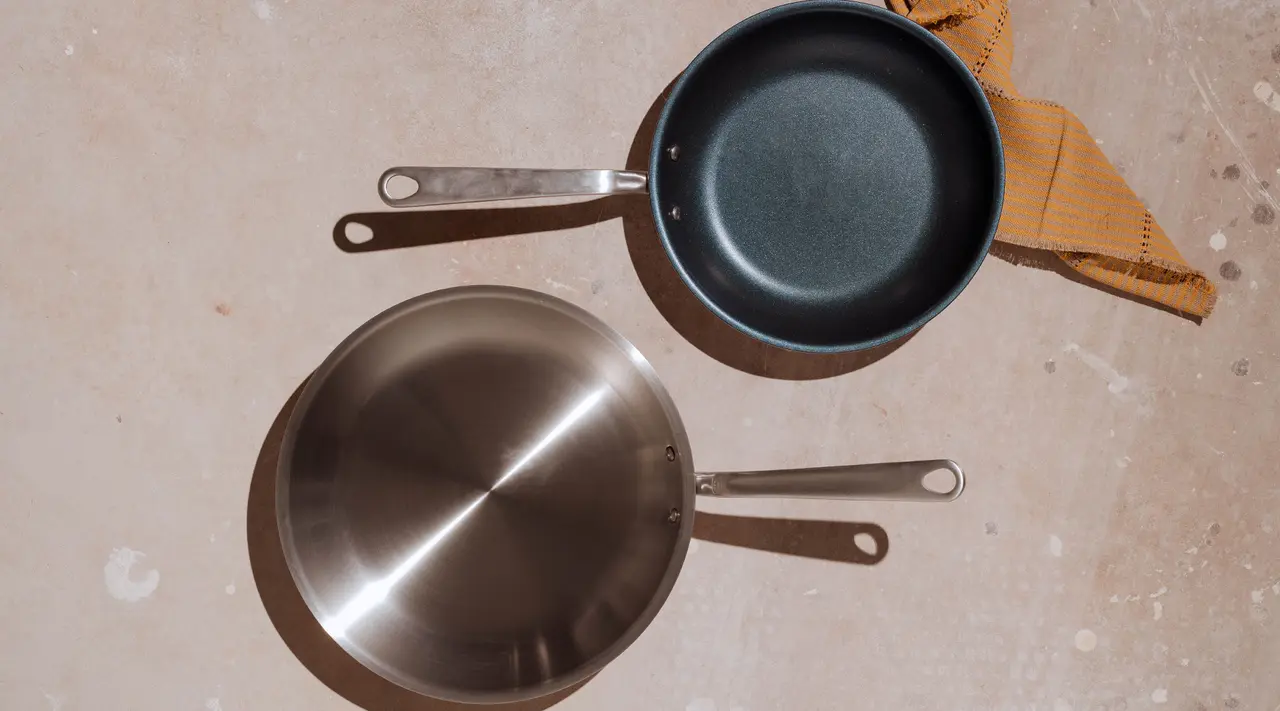
When choosing cookware, the options seem endless. Hard anodized cookware stands out due to its durability and non-stick surface. Yet, understanding how it compares with other materials helps in making the best decision. Below, we compare hard anodized cookware with stainless steel, ceramic, and cast iron.
Stainless Steel
Stainless steel cookware is known for its durability and resistance to rust. Unlike hard anodized, it lacks a non-stick surface. This makes cooking certain foods a bit challenging. Stainless steel is great for browning and deglazing. It does not react with acidic foods, keeping flavors intact.
Ceramic
Ceramic cookware offers a non-stick surface similar to hard anodized. It is made from clay and minerals, giving it a natural appeal. Ceramic can withstand high temperatures, but its coating may wear off over time. Unlike hard anodized, ceramic is less durable. It may chip or crack if not handled with care.
Cast Iron
Cast iron is famous for its heat retention and even cooking. It requires seasoning to maintain its non-stick properties. Unlike hard anodized, cast iron is heavy and requires more maintenance. It can rust if not dried properly. With care, cast iron lasts a lifetime, making it a favorite for many.
Credit: madeincookware.com
Safety Considerations
Hard anodized cookware is durable and resistant to scratches, but it requires careful handling to avoid damage. It is essential to use non-metal utensils to prevent chipping. Regular cleaning with mild soap ensures safety and longevity.
When it comes to cooking, safety is a top priority. Hard anodized cookware has been a popular choice for many home cooks, but it’s essential to understand the safety aspects associated with it. Is it safe for your health? How should you use it to ensure it lasts? Let’s dive into these questions.
Health Impacts
Hard anodized cookware is generally safe for everyday cooking. The anodizing process creates a non-reactive surface, preventing food from absorbing harmful metals. This means you can cook acidic dishes like tomato sauce without worrying about contamination. However, it's important to note that hard anodized cookware can get scratched. When the surface is compromised, it might expose the underlying aluminum. Always use wooden or silicone utensils to keep the surface intact. Have you ever noticed small scratches on your pan and wondered if it affects your food?
Proper Usage Tips
To keep your hard anodized cookware in great condition, consider these practical tips: - Avoid high heat: Use medium to low heat for cooking. High temperatures can damage the non-stick layer. - Gentle cleaning: Hand wash with mild soap and water. Abrasive cleaners can scratch the surface. - Proper storage: Stack carefully or use pan protectors to prevent scratches. My friend once stacked all her pots and pans without thinking twice. Imagine her surprise when she found her favorite pan scratched! By following these tips, you can maintain your cookware’s quality for years. Are you ready to make the most out of your hard anodized cookware? With these safety considerations in mind, you can enjoy cooking with confidence, knowing that you’re taking the right steps to protect both your health and your kitchen investment.
Care And Maintenance
Hard anodized cookware offers durability and resistance to scratches. Its non-stick surface makes cleaning simple. Regularly wash with mild soap and avoid metal utensils to ensure longevity.
Caring for your hard anodized cookware ensures its longevity and optimal performance. While these pots and pans are beloved for their durability and non-stick properties, they still require proper attention. By maintaining them well, you not only extend their lifespan but also enhance your cooking experience.
Cleaning Guidelines
When cleaning hard anodized cookware, simplicity is key. Always allow your cookware to cool before washing to prevent warping. Use warm, soapy water and a soft sponge or cloth to gently clean the surface. Avoid using abrasive scrubbers, as they can damage the non-stick coating. A gentle touch maintains the integrity of the cookware. Stubborn food residues? A mix of baking soda and water can help lift them without scratching the surface.
Storage Tips
Storing your cookware correctly can prevent unnecessary damage. Stack your pots and pans carefully, ensuring they don't scrape against each other. If space allows, consider hanging them or using felt protectors between stacked items. Think about how you store the lids too. A simple lid rack can keep them organized and prevent clutter. Proper storage not only protects your cookware but also makes your kitchen more efficient. Have you ever noticed how a well-maintained kitchen tool seems to inspire better meals? The care you invest in your cookware reflects in the dishes you create. Take a moment to assess your current maintenance routine. Is there room for improvement?
Choosing The Right Cookware
Hard anodized cookware offers durability and performance. But choosing the right set can be tricky. This guide helps you make an informed decision. Consider your needs and budget before buying.
Assessing Your Needs
Think about your cooking style. Do you cook for a large family? Or just for yourself? If you prepare varied dishes, you might need versatile pans. Analyze the types of food you often cook. This helps determine the size and type of cookware required.
Consider storage space in your kitchen. If you have limited space, opt for stackable pieces. Also, think about the weight. Some pans are heavy and may be hard to handle. Lightweight options might be better for some people.
Budget Considerations
Set a budget before shopping. Hard anodized cookware varies in price. High-end sets offer more features, but are costly. Decide what's essential for you. Sometimes, a mid-range set meets all your needs.
Keep an eye out for sales and discounts. Buying during sales can save money. Don't forget to check warranties. A longer warranty often means better quality. Remember, investing in good cookware can save money in the long run.
:max_bytes(150000):strip_icc()/faw-detail-kitchenaid-hard-anodized-induction-10-piece-nonstick-cookware-set-14-wdickey-272-ab10854e2a2e4c37b365f13cc9a1c70e.jpeg)
Credit: www.foodandwine.com
Frequently Asked Questions
What Is Hard Anodized Cookware Made Of?
Hard anodized cookware is made from aluminum treated with an electrochemical process. This makes it durable, non-reactive, and resistant to scratches. The process creates a hard surface that is ideal for cooking. It is often favored for its even heat distribution and non-stick properties.
Is Hard Anodized Cookware Safe For Health?
Yes, hard anodized cookware is generally safe for health. The anodizing process seals the aluminum, preventing it from leaching into food. It is non-reactive, making it suitable for cooking acidic foods. Always ensure the cookware is free from scratches to maintain its safety.
How Do I Clean Hard Anodized Pans?
To clean hard anodized pans, use warm water and mild soap. Avoid abrasive cleaners and scrubbers to prevent damage. A soft sponge or cloth is ideal for maintaining the non-stick surface. Dry the pan thoroughly after washing to preserve its finish and performance.
Can Hard Anodized Cookware Go In The Oven?
Yes, hard anodized cookware can typically be used in the oven. Check the manufacturer's guidelines for temperature limits. Handles should be oven-safe as well. This versatility makes it suitable for various cooking methods, enhancing its usability in the kitchen.
Conclusion
Hard anodized cookware offers durability and excellent cooking performance. Its non-stick surface makes cleaning a breeze. Plus, it distributes heat evenly, reducing the risk of burnt food. Many chefs prefer it for its professional feel. This cookware is also scratch-resistant, ensuring it lasts longer.
It's a wise choice for both home cooks and professionals alike. Consider your needs and cooking habits. Hard anodized cookware might be the perfect addition to your kitchen. Explore options and find what fits your style. Enjoy cooking with ease and efficiency.
Your kitchen deserves the best.