
Have you ever found yourself staring at that old blender or broken toaster, wondering if you should just toss it in the trash? You're not alone.
We all have kitchen appliances that have seen better days, and the question of what to do with them can be puzzling. Throwing them away might seem like the easiest option, but is it really the best choice? Before you make a decision, let's explore the implications and alternatives.
Discover why simply discarding your kitchen appliances could be a missed opportunity—not just for you, but for the environment as well. Stick around as we unravel the surprising facts and smart strategies you need to make an informed choice.
Safe Disposal Methods
Thinking about getting rid of that bulky blender or outdated microwave? Tossing kitchen appliances into the trash might seem convenient, but it's not the safest or most environmentally friendly option. Safe disposal methods ensure that your old appliances don't end up polluting the environment or becoming a hazard. Let’s dive into some practical ways you can part with your kitchen gadgets responsibly.
Recycling Programs
Recycling programs are a fantastic way to dispose of your old appliances safely. Many cities offer curbside pickup for electronics, including small kitchen appliances. You might be surprised to find that your local waste management company has specific guidelines for recycling these items.
Some programs require you to drop off appliances at designated centers. It’s worth checking with local municipalities or visiting their websites for more information. Participating in these programs not only helps the environment but also keeps potentially hazardous materials out of landfills.
Donation Options
Have you considered donating your old appliances? Many charitable organizations accept gently used kitchen gadgets. You can make a positive impact by helping someone in need while freeing up space in your kitchen.
Places like Goodwill or Salvation Army often take donations of functional appliances. If your blender or toaster still works, why not give it a second life? Next time you upgrade, think about who might benefit from your old appliance.
Manufacturer Take-back
Did you know that some manufacturers offer take-back programs for old appliances? These programs allow you to send back old items, ensuring proper disposal or recycling. Check the brand's website or contact customer service for details.
Participating in a manufacturer take-back program can be an easy and responsible way to manage appliance disposal. Some companies even offer discounts on new purchases when you return an old appliance. Is your favorite brand on the list?
Taking the time to explore these disposal options not only benefits the environment but can also offer unexpected rewards. It’s empowering to know that each appliance you part with doesn't have to end up in a landfill. Which safe disposal method will you choose for your next kitchen clean-up?
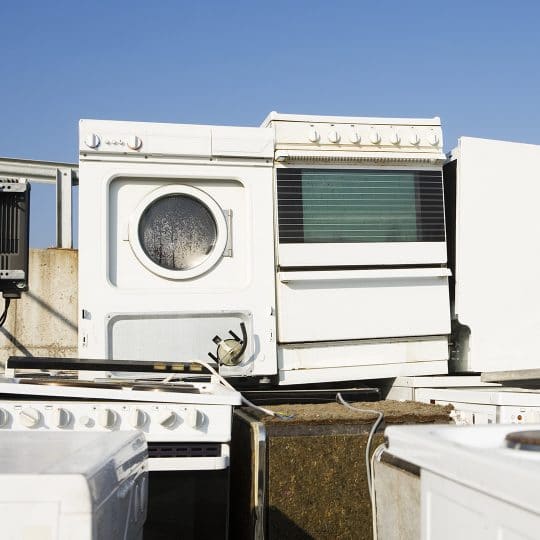
Credit: www.jdogjunkremoval.com
Environmental Impact
Kitchen appliances are essential, but their disposal can harm the environment. Throwing them away without considering their impact can lead to pollution. Understanding their environmental footprint can inspire better choices.
Waste Reduction
Discarded kitchen appliances contribute to landfill waste. Instead of tossing them, think of ways to reduce this burden. You might donate or sell appliances that still work.
Recycling is another option. Many places offer recycling programs for appliances. This keeps them out of landfills and gives materials a new life.
Next time you're tempted to throw away an old toaster, ask yourself: Could someone else use it? Or could it be recycled?
Resource Conservation
Kitchen appliances are made from valuable resources. Metals, plastics, and other materials are extracted from the earth. Tossing them means losing these resources forever.
Conserving resources is crucial. Recycling helps recover materials like copper and steel. This reduces the need for new mining and lowers environmental strain.
Imagine the impact if everyone recycled just one appliance. Wouldn't that make a significant difference?
Think about conserving resources next time you upgrade your kitchen appliances. Your actions can contribute to a healthier planet.
Legal Regulations
Disposing of kitchen appliances involves understanding specific legal regulations. Many areas require recycling due to environmental laws. Always check local guidelines before throwing away old gadgets.
When you think about disposing of kitchen appliances, it’s crucial to consider the legal regulations that guide this process. Tossing an old blender or microwave into the trash might seem convenient, but it could have consequences. Understanding the rules can help you avoid fines and contribute to environmental protection.
Local Laws
Local laws regarding kitchen appliance disposal can vary significantly depending on where you live. Some cities require you to recycle appliances at designated facilities, while others might allow curbside pickup for larger items like refrigerators. Contact your local waste management department to find out the specific guidelines in your area. In some places, there are penalties for improper disposal. Ignoring these laws can lead to hefty fines. It’s wise to learn your local regulations to avoid unexpected costs.
International Guidelines
If you're living abroad or planning to move, international guidelines may come into play. Countries like the UK and Germany have strict recycling programs that mandate proper disposal methods. In these regions, you might have to take appliances to specialized centers that handle electronic waste. Some international agreements promote safe disposal practices. The Basel Convention, for example, controls the cross-border movement of hazardous waste, including electronic waste. Are you aware of how your actions can affect global environmental efforts? Knowing international rules is especially important if you're a frequent traveler. It ensures you're not inadvertently contributing to global e-waste problems. Understanding these regulations can make a real difference. It’s not just about following the law, but also about playing your part in a larger environmental effort. What steps will you take to ensure your kitchen appliances are disposed of responsibly?
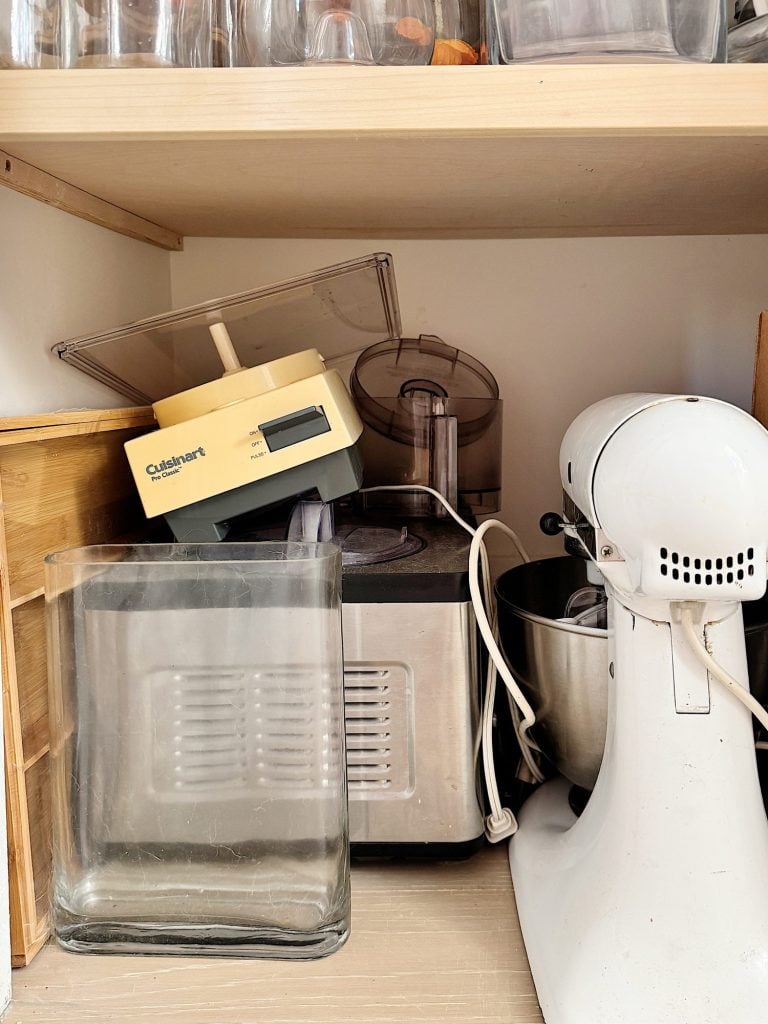
Credit: my100yearoldhome.com
Hazardous Materials
Kitchen appliances can contain hazardous materials like lead and mercury. Dispose of them properly to avoid environmental harm. Recycling is often the safest way to handle old appliances.
When it comes to disposing of kitchen appliances, understanding the hazardous materials they might contain is crucial. Many kitchen gadgets, like toasters and microwaves, have components that can be harmful to the environment and human health if not handled properly. Knowing what you're dealing with can make a big difference in how you dispose of these items responsibly.
Identifying Harmful Components
Kitchen appliances often contain materials like heavy metals, refrigerants, and other toxic substances. For example, older appliances may have lead or mercury in their components. Small appliances, like blenders or coffee makers, can also contain circuit boards with toxic elements. Consider what's inside your appliance before tossing it in the trash. Are there batteries? Is there a cooling element? Identifying these components helps in planning the right disposal method. Always check the appliance manual or manufacturer’s website for details on what materials are used.
Safe Handling Practices
Handling these appliances with care is essential to avoid personal harm and environmental damage. Wear gloves when dismantling small appliances to protect your skin from sharp edges or chemicals. If you suspect an appliance contains harmful chemicals, don’t try to take it apart yourself. Instead, contact a local waste management facility for advice. They often have specific instructions or services for handling hazardous waste. Most communities offer e-waste recycling days where you can drop off old electronics safely. Have you ever been surprised by what you found inside an old appliance? Share your experiences with local disposal facilities. They might have programs you weren't aware of that can make the process easier. By identifying harmful components and practicing safe handling, you contribute to a healthier environment and protect yourself. Always stay informed and proactive when dealing with kitchen appliance disposal.
Innovative Disposal Alternatives
Kitchen appliances can be recycled or donated instead of thrown away. Many centers accept old appliances for recycling. Consider donating usable items to local charities.
Disposing of kitchen appliances doesn't need to be a dreary task that ends in a landfill. Innovative disposal alternatives not only provide environmentally friendly options but can also add value to your community or even your own home. By thinking outside the trash can, you can find creative ways to handle those unwanted appliances.
Upcycling Ideas
Upcycling is a fun and rewarding way to give new life to old appliances. Imagine turning a vintage blender into a quirky lamp or converting an old oven into a mini greenhouse for your herbs. You don't need to be an expert DIYer to make something unique. Simple projects like using the metal parts of a toaster to create a modern art piece can be both satisfying and eco-friendly. Before you toss out that broken coffee machine, ask yourself, "Can this be transformed into something useful or beautiful?" You'll be surprised at the creative potential hidden in old appliances.
Community Swap Events
Community swap events offer an excellent opportunity to exchange your unwanted kitchen appliances for something you actually need. These events are often organized by local community centers or environmental groups. Participating in a swap not only helps reduce waste but also fosters a sense of community spirit. You might find a new blender while someone else happily takes home your old microwave. Have you ever attended a community swap event? If not, consider checking local forums or social media groups for upcoming gatherings. You might walk away with more than just a cleaner kitchen—perhaps even a few new friends! By exploring these innovative disposal alternatives, you can play a part in reducing waste and creating a more sustainable future. So next time you're ready to throw away an old appliance, think about how you can upcycle it or swap it with someone else. Your creativity and community engagement can make all the difference.
:strip_icc()/cleaning-supplies-sink-47628277-d222acc3ab794bc69eed906e97a38467.jpg)
Credit: www.bhg.com
Consumer Responsibility
Consumers play a key role in managing kitchen appliance waste. Disposing of these items without care impacts the environment. Understanding your responsibility helps reduce this impact. It encourages sustainable practices and promotes a healthier planet.
Educating Yourself
Knowledge is power. Learn about proper disposal methods for kitchen appliances. Research local recycling programs and centers. They often accept appliances for recycling. Understanding these options helps in making responsible decisions.
Making Informed Choices
Choose appliances that are easy to recycle. Consider brands known for sustainable practices. Check for energy-efficient models that last longer. This reduces the need for frequent replacements. Making informed choices benefits both you and the environment.
Frequently Asked Questions
How To Dispose Of Kitchen Appliances Safely?
To dispose of kitchen appliances safely, first check if they can be recycled. Many local recycling centers accept appliances. If recycling is not an option, contact your local waste management service for guidance. Some retailers also offer take-back programs when you purchase a new appliance.
Can Kitchen Appliances Be Recycled?
Yes, many kitchen appliances can be recycled. Large appliances like refrigerators and ovens often contain metals and components that are recyclable. Contact your local recycling center to confirm if they accept the specific appliance. Ensure to remove any hazardous materials before recycling.
Are There Any Donation Options For Old Appliances?
Yes, many charities accept old appliances if they are in working condition. Organizations like Goodwill and Habitat for Humanity often take appliances to help those in need. Contact local charities to confirm their acceptance policy and schedule a pickup or drop-off.
What Are The Environmental Impacts Of Throwing Away Appliances?
Improper disposal of kitchen appliances can lead to environmental harm. Many appliances contain harmful materials that can leach into the soil and water. Recycling or donating helps reduce landfill waste and minimizes environmental impact. Always explore eco-friendly disposal options.
Conclusion
Properly disposing of kitchen appliances is essential for the environment. Recycling centers accept most appliances, reducing landfill waste. Check local guidelines for disposal options. Some stores offer trade-in programs for old appliances. Consider donating working items to charities. This helps others and keeps appliances useful.
Always ensure safe handling when discarding appliances. Avoid illegal dumping to protect your community. Thoughtful disposal practices benefit everyone and preserve resources. Let's make responsible choices for a cleaner future.