
Imagine walking into your kitchen, where every detail reflects your unique style and taste. You might be wondering if white kitchen appliances can offer the same sleek, modern look as their stainless steel counterparts.
It's a common question: "Are white kitchen appliances made of stainless steel? " This intriguing topic not only stirs curiosity but also challenges the norms of what you might expect in kitchen design. Here, we unravel the mystery and provide clarity on this fascinating subject.
You'll discover how these appliances can fit seamlessly into your home, possibly changing the way you view your kitchen space. As we dive deeper, you’ll gain insights that could influence your next big kitchen decision. So, if you're ready to explore an unexpected twist in kitchen aesthetics and design, you're in the right place. Let's unveil the truth and see how your kitchen dreams can come to life with a simple choice.
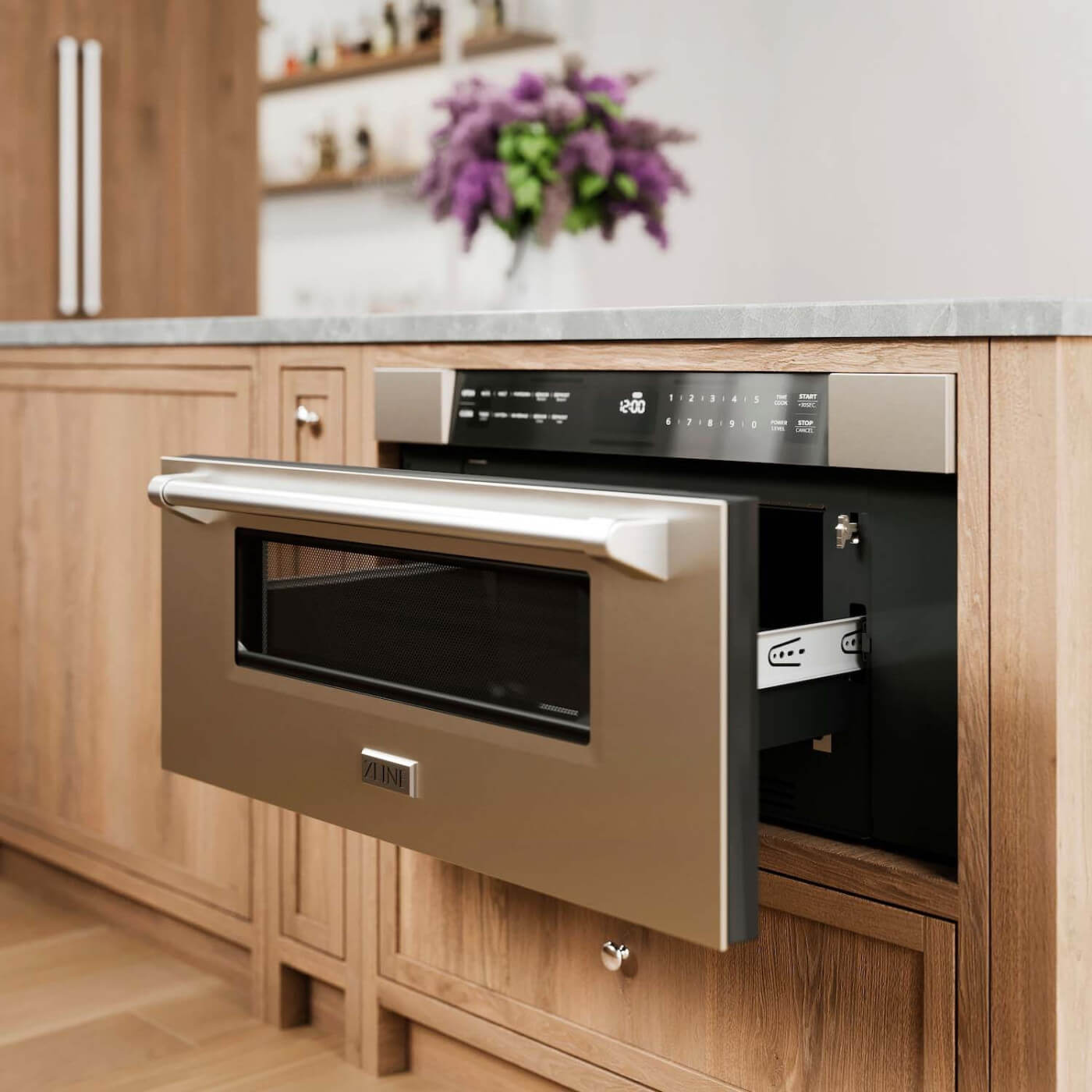
Credit: therangehoodstore.com
White Kitchen Appliances Overview
White kitchen appliances have gained popularity over the years. They offer a clean and fresh look. Many homeowners prefer them for their bright and airy feel. White appliances fit well in various kitchen styles. They bring a sense of calm and simplicity. But are they made of stainless steel? Let's explore.
Popularity And Trends
White appliances are making a comeback. They've been popular since the early 20th century. Their popularity dipped with the rise of stainless steel. Yet, they are trending again. People appreciate their timeless appeal. Many see them as a classic choice. They match easily with different decor styles.
Trends often shift with interior design. White appliances are versatile. They adapt to modern and traditional styles. This makes them a preferred choice for many. They offer flexibility in kitchen design.
Design Aesthetics
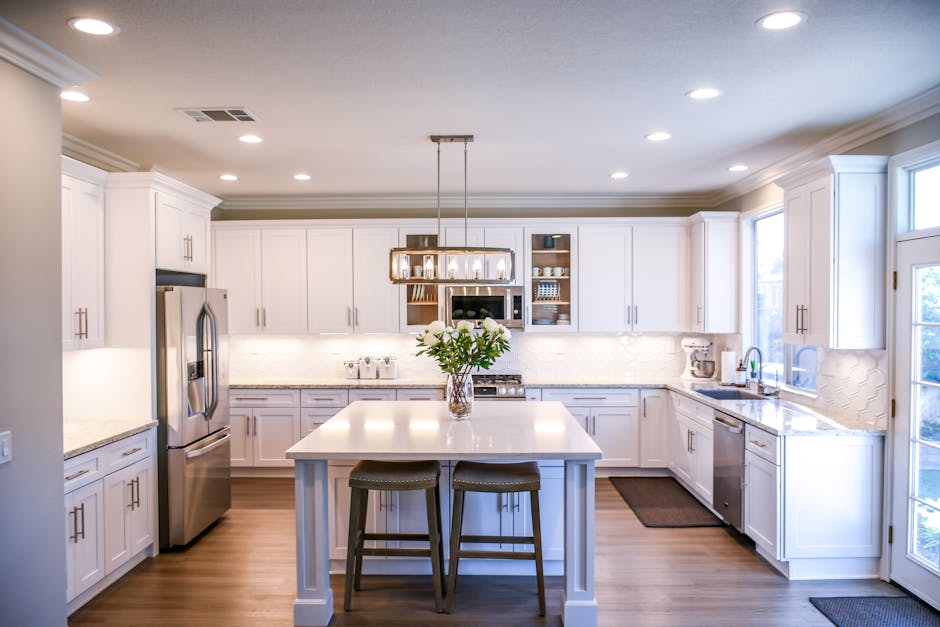
White appliances offer a sleek and minimalist design. They blend seamlessly with most cabinetry. This uniformity creates a cohesive look. It can make a small kitchen appear larger. White reflects light, enhancing brightness.
Designers often recommend white for a fresh ambiance. It can complement both warm and cool tones. This makes white appliances versatile in design choices. They can either stand out or blend in, depending on the setting.
In terms of materials, white appliances vary. Some may have stainless steel parts. Others use different materials for a glossy finish. The overall design remains elegant and simple.
Material Composition
Kitchen appliances often come in various materials, affecting their durability and appearance. Many people wonder if white kitchen appliances are made of stainless steel. Understanding the material composition of these appliances is crucial for making informed purchasing decisions.
Understanding Stainless Steel
Stainless steel is a popular choice for kitchen appliances. It offers strength and resistance to rust. This material contains iron, carbon, and chromium. The chromium creates a protective layer, preventing corrosion. While stainless steel is often associated with a metallic look, it can be painted white. This allows for a sleek white finish while retaining its durability.
Other Common Materials
White kitchen appliances can be made from other materials. Plastic is frequently used because it’s lightweight and cost-effective. It provides a smooth white finish and can be molded easily. Some appliances use enameled steel. This involves coating regular steel with enamel paint. It offers a glossy appearance and good protection against wear. Occasionally, aluminum is used for its lightweight properties. It’s less durable than stainless steel, but often more affordable. Choosing the right material depends on your needs and budget.
Manufacturing Process
White kitchen appliances often feature stainless steel interiors for durability and easy cleaning. The exterior may use other materials to achieve a sleek, white finish. This combination ensures a modern look while maintaining functionality.
When it comes to the charm and utility of white kitchen appliances, many wonder if they are made of stainless steel. The manufacturing process of these appliances is fascinating and involves several steps to ensure quality and durability. Understanding these steps can help you appreciate the craftsmanship and technology behind your everyday kitchen gadgets.
Production Techniques
The creation of white kitchen appliances begins with selecting the right materials. Stainless steel is often used due to its durability and resistance to corrosion. However, to achieve that crisp white finish, a special coating is applied. This coating is typically a powder-coated enamel. It not only provides the appliance with its bright white appearance but also adds an extra layer of protection. The steel panels are cut and shaped through a process called stamping, where heavy machinery molds the metal into desired shapes. Assembly follows, where different parts like handles, knobs, and doors are attached. Each component is meticulously put together to ensure that the appliance functions as intended.
Quality Control Measures
Quality control is crucial in the manufacturing process. Each appliance undergoes rigorous testing to meet safety and performance standards. This includes checking the enamel coating for consistency and durability. Appliances are tested for heat resistance and ability to withstand daily use. Imagine the frustration of your stove chipping after a few uses. Manufacturers aim to prevent such issues by stress-testing their products. Random inspections are also conducted to ensure that every batch meets the required standards. This helps in catching any defects early, minimizing the chances of faulty appliances reaching your kitchen. Have you ever considered the journey your kitchen appliances go through before they reach you? Next time you cook your favorite meal, take a moment to appreciate the technology and effort that goes into making these essential kitchen companions.
Benefits Of Stainless Steel
When you think of kitchen appliances, stainless steel probably comes to mind. It's a popular choice and for good reason. Stainless steel offers a host of benefits that make it a preferred material in many homes. From its impressive durability to its ease of maintenance, stainless steel has much to offer. If you've ever wondered why stainless steel is so popular, here are some reasons that might surprise you.
Durability And Longevity
Stainless steel is known for its strength. It can withstand the hustle and bustle of a busy kitchen without showing signs of wear. This means fewer worries about dents or scratches. Can you imagine an appliance that looks new years after purchase? Stainless steel delivers that promise.
It also resists rust and corrosion. So, you can rest easy knowing your appliances will last longer. Have you ever had to replace an appliance sooner than expected? Stainless steel can save you from that headache.
Ease Of Maintenance
Keeping stainless steel clean is surprisingly simple. A quick wipe with a damp cloth can make it shine. Fingerprints and smudges are no match for this resilient material. Who doesn't love an appliance that looks pristine with minimal effort?
Plus, stainless steel doesn't absorb stains or odors. Your kitchen will remain fresh and inviting. Imagine cooking without worrying about lingering smells. Stainless steel makes it possible.
Do you value a tidy kitchen with appliances that stand the test of time? Stainless steel offers both these benefits and more. As you consider updating your kitchen, think about the lasting advantages of this remarkable material.
Alternatives To Stainless Steel
White kitchen appliances often feature coatings or finishes instead of being made from stainless steel. Materials like enameled steel, plastic, or powder-coated metal offer durable and stylish alternatives. These options provide different textures and appearances while maintaining functionality in modern kitchens.
When considering kitchen appliances, many people think stainless steel is the only option for a sleek and modern look. However, there are several compelling alternatives that offer both style and functionality. Whether you’re updating your kitchen or starting from scratch, exploring these options can lead to a kitchen that reflects your unique taste and needs.
Plastic And Polymer Options
Plastic and polymer appliances are often overlooked, but they offer some unique advantages. They're typically lighter and more affordable than stainless steel, making them ideal for budget-conscious homeowners. Additionally, these materials are incredibly versatile in terms of color and design. Imagine a kitchen where your appliances match your favorite accent color or blend seamlessly with your cabinetry. This level of customization is often not possible with stainless steel. You might wonder about durability. Modern polymers are engineered to withstand heat, scratches, and everyday wear. This makes them an attractive choice for busy families who want appliances that can handle the chaos of daily life.
Aluminum And Other Metals
Aluminum is another worthy alternative to stainless steel, offering a different aesthetic and set of benefits. It is lightweight, which can be a huge advantage when installing or moving appliances. Aluminum appliances often have a sleek, matte finish that can give your kitchen a contemporary look. Plus, they are resistant to rust and corrosion, which means they'll stand the test of time even in humid environments. Other metals like copper and brass can also be used for appliances, each bringing its unique charm. Copper, for instance, offers a warm, rustic feel that can make your kitchen feel cozy and inviting. Brass, on the other hand, can add a touch of luxury with its rich, golden hue. Have you ever considered how these alternative metals could transform your space? They not only provide practical benefits but also allow you to express your personal style in your kitchen design. Choosing the right material for your appliances can set the tone for your entire kitchen. What speaks to you more— the vibrant versatility of polymers or the understated elegance of aluminum?

Credit: www.warnersstellian.com
Consumer Preferences
White kitchen appliances crafted from stainless steel blend style with durability. Many consumers favor their sleek look and easy maintenance. These appliances often fit well in modern kitchen designs, adding a touch of elegance.
When it comes to designing your kitchen, the choice of appliances can significantly influence the overall aesthetic. Consumer preferences often sway between the sleek look of stainless steel and the clean, timeless appeal of white appliances. This choice isn't just about style—it's also about functionality, maintenance, and personal lifestyle. So, what drives people towards choosing white appliances over the glimmering allure of stainless steel?
Reasons For Choosing White
White appliances have been a staple in kitchens for decades, offering a classic and versatile look. Many consumers appreciate the way white appliances blend seamlessly with various kitchen styles, from modern to rustic. They provide a clean backdrop that can make a kitchen feel bright and open. In my own experience, when I opted for white appliances, it wasn't just about aesthetics. I wanted a kitchen that felt inviting and warm, not stark or industrial. White appliances achieved that balance perfectly. White is also incredibly practical. It doesn't show fingerprints and smudges as clearly as stainless steel. If you have kids or cook often, this can save you from constant cleaning.
Impact Of Material Choice
The material of your kitchen appliances impacts more than just appearance. Stainless steel, while popular, can be prone to dents and scratches. White finishes, however, can be more forgiving and resilient to everyday wear and tear. Consider your lifestyle. If you're someone who hosts frequently or has a bustling household, white appliances might offer the durability you need. On the other hand, if maintaining a spotless look is crucial for you, stainless steel might require more upkeep. Have you ever thought about how the feel of your kitchen impacts your daily routine? Choosing the right material can influence how much time you spend on maintenance and how your kitchen feels as the heart of your home. Ultimately, the decision between white and stainless steel appliances comes down to personal preference and lifestyle needs. What do you prioritize in your kitchen? Is it the ease of maintenance, the warmth of the aesthetic, or perhaps the durability of the material? Whatever you choose, let it reflect your unique style and make your kitchen a space you love.
Market Trends And Innovations
Market trends in kitchen appliances are ever-changing. A significant shift is visible in the materials used. White kitchen appliances have traditionally been made of enamel. But now, stainless steel is gaining popularity in this category. This shift is driven by the desire for durability and a sleek look. Stainless steel offers a modern aesthetic and is easy to clean. It aligns with the minimalist trends in interior design. Manufacturers are responding to consumer demands for appliances that combine style and function.
Emerging Technologies
New technologies are shaping the kitchen appliance market. Smart appliances are becoming more common. Features like Wi-Fi connectivity and voice control are in demand. These technologies offer convenience and efficiency. Smart refrigerators can suggest recipes based on their contents. Ovens can be preheated remotely. These advancements are changing how we interact with kitchen appliances.
Future Of Kitchen Appliances
The future looks promising for kitchen appliances. Sustainability is a key focus area. Consumers want energy-efficient options. Manufacturers are investing in eco-friendly materials. Stainless steel is recyclable, adding to its appeal. Innovations in design and technology will continue. The integration of AI in appliances is expected to grow. This will lead to smarter, more intuitive kitchen environments. The future kitchen will be a blend of style and smart features.
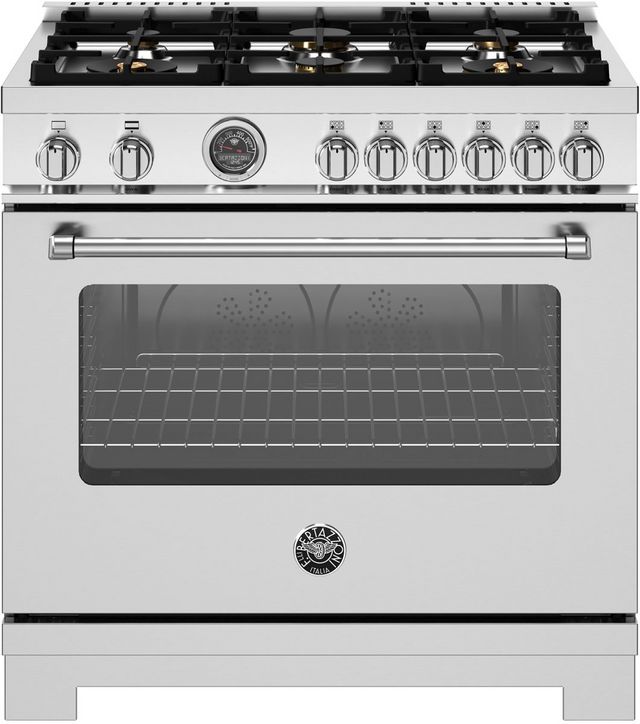
Credit: www.wexpressw.com
Frequently Asked Questions
Are White Kitchen Appliances Stainless Steel?
White kitchen appliances are not typically made of stainless steel. They are often crafted from materials like enamel or plastic. These materials are durable and easy to clean. Stainless steel appliances usually have a metallic finish, while white appliances offer a different aesthetic appeal.
What Are White Appliances Made Of?
White kitchen appliances are commonly made from materials like enamel-coated steel or plastic. These materials provide a clean, classic look. They are durable and resistant to stains and scratches. This makes them a popular choice for many kitchens.
Do White Kitchen Appliances Rust?
White kitchen appliances are usually resistant to rust. They are often coated with enamel, providing protection against corrosion. Proper maintenance and cleaning can further prevent rust. This makes them a reliable choice for kitchens.
Are White Appliances Easy To Clean?
Yes, white appliances are generally easy to clean. Their smooth surfaces allow for quick wiping. Regular cleaning prevents staining and maintains their appearance. Non-abrasive cleaners are recommended to avoid scratching the surface.
Conclusion
White kitchen appliances offer a sleek, modern look. They often complement various kitchen styles effortlessly. These appliances might resemble stainless steel, but are not made of it. Instead, they use special coatings or materials to achieve the white finish. Durability and ease of cleaning make them popular choices.
Their non-stainless nature does not compromise quality or functionality. When choosing, consider the overall kitchen design and personal preference. White appliances can provide a fresh and clean aesthetic. Perfect for any home wanting a bright, welcoming kitchen environment.