

Have you ever wondered what happens to your old kitchen appliances once they stop working? If your blender, toaster, or microwave has seen better days, you might be asking yourself if they are considered e-waste.
This is more than just a question of space in your cupboard; it’s about understanding what impact these items have on the environment and how you can make a difference. By diving deeper into this topic, you'll discover not only the significance of proper disposal but also how your choices can contribute to a more sustainable world.
Curious about how your old kitchen gear fits into the bigger picture of e-waste? Stay with us, and find out what you can do to turn your kitchen cleanup into an eco-friendly mission.
Kitchen Appliances As E-waste
Old kitchen appliances often become e-waste due to electronic components. Disposing of them properly helps reduce environmental harm. Many contain hazardous materials that require special handling. Recycling ensures valuable materials are reused.
Have you ever wondered what happens to your old kitchen appliances after they stop working? These gadgets, essential for making our daily lives easier, become part of the growing e-waste problem. Kitchen appliances as e-waste is a topic that needs more attention, as we often overlook how much waste they generate. As technology advances, we replace these appliances more frequently, contributing to a significant environmental issue. Let's dive into understanding this challenge better.
Defining E-waste
E-waste, or electronic waste, refers to discarded electrical or electronic devices. This includes items like smartphones, computers, and, yes, kitchen appliances. The term covers a wide range of products that have become obsolete, broken, or simply unwanted. When you dispose of an old blender or toaster, it becomes e-waste. Many people don't realize that these items contain valuable materials that can be recovered and reused. However, improper disposal can lead to hazardous substances polluting the environment.
Types Of Kitchen Appliances
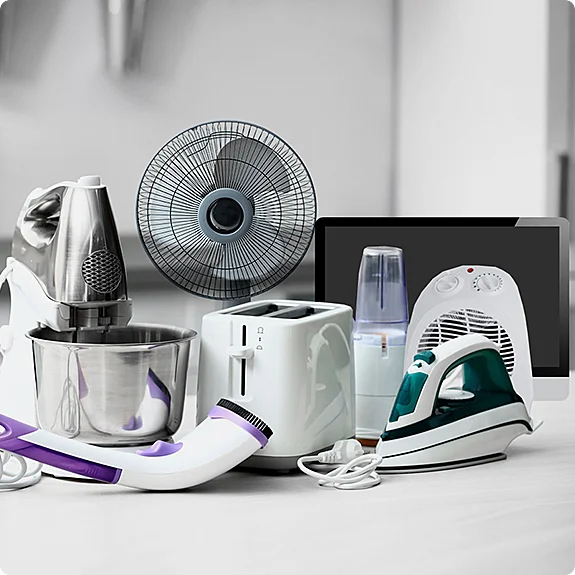
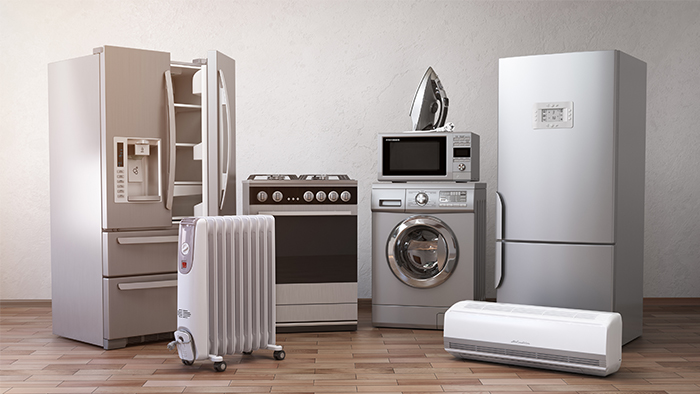
Kitchen appliances come in various forms, each with its own e-waste implications. Small appliances like blenders, coffee makers, and toasters are common in most households. They often break down or are replaced quickly due to newer models, making them a significant part of e-waste. Larger appliances, such as refrigerators, ovens, and dishwashers, are less frequently replaced but still contribute heavily to e-waste when they reach the end of their life. These items are bulkier and contain more materials that can be toxic if not disposed of correctly. Think about your kitchen. How many appliances have you replaced in the past few years? It's a question that highlights the scale of the e-waste issue. By understanding the types and volume of kitchen appliances that become e-waste, you can make more informed decisions about recycling and disposal. So, next time you consider upgrading your kitchen gadgets, think about where your old ones will go. Can you repair them, or are there recycling options available? Being mindful of kitchen appliances as e-waste can help reduce your environmental footprint.
Credit: urbanimpact.com
Hidden Environmental Impacts
When you dispose of old kitchen appliances, have you ever considered their hidden environmental impacts? They may seem harmless, but these gadgets can contribute significantly to e-waste. As you toss out a worn-out microwave or a broken blender, you're also discarding materials that can harm the environment in ways you might not expect.
Toxic Materials In Appliances
Many kitchen appliances contain toxic materials. Think about the lead in circuit boards or the mercury in switches. These are not just small components; they pose significant threats when they end up in landfills. Have you ever wondered what happens to these toxins? They don't just disappear. Instead, they seep into the environment, causing long-term harm.
Recycling can be a game changer here. By recycling, you ensure these toxic materials are managed properly. But how often do you see dedicated recycling bins for e-waste? It's a rare sight. This lack of accessibility often leads to improper disposal, escalating the environmental damage. Wouldn't it be better if we had more convenient recycling options?
Impact On Soil And Water
When kitchen appliances end up in landfills, they don't just sit there. Over time, toxic materials leach into the soil and water. This contamination can affect plant growth and water quality, impacting ecosystems. Have you ever thought about how this could affect your local community?
The consequences aren't just environmental; they're also health-related. Contaminated soil and water can lead to health issues for those living nearby. It's a chain reaction that starts with an old appliance. By considering e-waste as a serious environmental issue, you contribute to a healthier planet. What steps will you take to make a difference?
Understanding the hidden impacts of e-waste encourages responsible disposal. Next time you upgrade your kitchen gadgets, think about their journey from your countertop to the landfill. Your choices can lead to positive environmental change. Are you ready to take action?
Health Risks From E-waste
Kitchen appliances can become e-waste, posing health risks. Old devices may leak harmful substances like lead or mercury. Safe disposal is essential to prevent toxic exposure and environmental harm.
Health Risks from E-Waste Your kitchen is a hub of activity, but have you ever thought about the hidden dangers lurking in your appliances? When these devices break down or become obsolete, they contribute to e-waste. This e-waste poses significant health risks that you might not be aware of. Understanding these risks can help you make safer choices for your home and the environment.
Exposure To Hazardous Substances
When kitchen appliances end up as e-waste, they release toxic substances like lead, mercury, and cadmium. These substances can seep into the soil and contaminate water sources. Imagine cooking with water that carries these dangerous toxins; it's a scary thought, isn't it? Even handling these discarded items can expose you to these harmful materials. If you’ve ever tried to dismantle an old appliance yourself, you've risked direct exposure. It's crucial to dispose of e-waste through proper channels to avoid such risks.
Long-term Health Effects
Exposure to e-waste isn't just a temporary issue; it can have long-lasting health consequences. For instance, lead can cause developmental issues in children, while mercury exposure is linked to neurological damage. These are not risks you want to take with your family's health. Think about the long-term effects on communities near landfills filled with e-waste. Residents may face higher rates of cancer, respiratory issues, and other chronic illnesses. It's a stark reminder that our actions today impact the health of future generations.
So, what can you do to mitigate these risks? Begin by recycling your appliances responsibly. Encourage manufacturers to adopt more sustainable practices. Your choices can drive significant change in reducing e-waste and protecting health. Are you ready to make a difference?
Current Disposal Practices
Current disposal practices for kitchen appliances often lead to e-waste. Many households discard old appliances without proper disposal knowledge. This can harm the environment. Understanding disposal options helps reduce this impact.
Recycling Challenges
Recycling kitchen appliances faces many challenges. Not all appliances are accepted at recycling centers. Some have complex components. These parts need special handling. This makes recycling difficult and costly. People often lack information on where to recycle. This leads to improper disposal.
Landfill Consequences
Many kitchen appliances end up in landfills. This has serious environmental consequences. Appliances contain metals and chemicals. These can leak into soil and water. Such leaks harm wildlife and ecosystems. Landfills also take up valuable land space. Reducing landfill waste is crucial for a healthier planet.
Innovative Solutions
Kitchen appliances often become e-waste when they break or are replaced. Disposing of them properly reduces environmental harm. Innovative recycling programs can help manage this growing waste problem.
In today's fast-paced world, kitchen appliances come and go with the seasons. This means a growing pile of e-waste as technology advances and preferences change. But what if there were innovative solutions to tackle this issue? Imagine a world where disposing of your old microwave or toaster is not only easy but also environmentally friendly. Let's dive into some practical solutions that could make this dream a reality.
Sustainable Disposal Methods
Disposing of kitchen appliances sustainably is easier than you might think. Many cities offer e-waste recycling programs, where you can drop off your old gadgets for responsible disposal. You can also consider donating working appliances to charity. This not only helps reduce waste but also provides resources to those in need. Have you ever thought about hosting an appliance swap with your friends or community? It's a fun way to give your old items a new home while possibly finding something you need.
Technological Advancements
Technology plays a pivotal role in creating solutions for e-waste. Some companies are developing appliances with recyclable materials, making future disposal easier. Have you noticed appliances that come with repair guides or modular components? These features can extend the life of your kitchen gadgets, reducing waste. Think about the convenience of upgrading your appliance without discarding it entirely. Imagine a future where your blender not only whips up smoothies but also returns to the earth without causing harm. How can you contribute to this vision? Maybe it's time to explore appliances designed with end-of-life in mind. Innovative solutions are within reach, and they start with small, conscious choices. How will you change the way you view and handle your kitchen appliances?
Consumer Responsibility
Consumer responsibility in managing e-waste, especially from kitchen appliances, is crucial. As consumers, we hold the power to reduce environmental impact by making informed choices. How we choose, use, and dispose of our kitchen gadgets can significantly affect the planet.
Choosing Eco-friendly Appliances
When buying new kitchen appliances, consider their energy efficiency. Look for labels like Energy Star, which indicate appliances that consume less electricity. By choosing these, you not only save on utility bills but also reduce your carbon footprint.
Think about the longevity of the product. Does it come with a warranty? Is it made from durable materials? Investing in quality appliances that last longer reduces the frequency of replacement, thus minimizing e-waste.
Proper Disposal Techniques
Have you ever wondered where your old toaster ends up? Proper disposal is key to managing e-waste. Many manufacturers and retailers offer take-back programs where they recycle old appliances responsibly.
Community recycling events are also a great way to dispose of e-waste. Check with your local waste management authorities for events or drop-off centers. This ensures your appliances are recycled rather than ending up in landfills.
You can also donate still-working appliances to charities or thrift stores. This gives your old gadgets a new life and helps someone in need. Remember, one person’s trash can be another’s treasure.
Global Efforts In E-waste Management
As kitchen appliances evolve, their disposal becomes a growing concern. These gadgets, when discarded, turn into e-waste. E-waste poses environmental and health risks if not managed properly. Global efforts aim to tackle this pressing issue.
International Regulations
Countries worldwide adopt regulations to manage e-waste. The Basel Convention restricts hazardous waste movement across borders. This international treaty focuses on reducing e-waste dumping in developing nations. The European Union's WEEE Directive promotes e-waste recycling. It holds producers responsible for their products' end-of-life disposal.
Collaborative Initiatives
Organizations join forces to combat e-waste. The United Nations supports global partnerships for sustainable e-waste management. This collaboration involves governments, businesses, and NGOs. They aim to create a circular economy for electronics. By working together, they promote safe e-waste recycling methods.
Credit: www.rila.org

Credit: ewasa.org
Frequently Asked Questions
What Is E-waste?
E-waste refers to discarded electronic appliances and devices. It includes items like computers, TVs, and kitchen appliances. Proper disposal is crucial to prevent environmental harm. Many components in e-waste can be recycled. Recycling helps conserve resources and reduces pollution.
Are Old Kitchen Appliances E-waste?
Yes, old kitchen appliances are considered e-waste. They contain electronic components like wiring and circuit boards. Disposing of them improperly can harm the environment. It's essential to recycle them at designated facilities. This ensures the safe recovery of valuable materials.
How Do I Dispose Of Kitchen E-waste?
Dispose of kitchen e-waste at certified recycling centers. Many cities offer e-waste collection programs. Some retailers accept old appliances for recycling. Avoid throwing them in regular trash bins. This prevents environmental harm and ensures proper recycling.
Why Is Recycling Kitchen Appliances Important?
Recycling kitchen appliances conserves natural resources and reduces pollution. It prevents hazardous materials from contaminating the environment. Recycling helps reclaim valuable metals and components. This reduces the need for new raw materials. Proper recycling supports sustainable practices and environmental protection.
Conclusion
Kitchen appliances contribute significantly to e-waste today. Disposing of them responsibly is crucial. Recycling helps reduce environmental impact. Proper disposal also conserves resources and reduces pollution. Consider donating working appliances. This extends their life and benefits others. Check local recycling programs for non-working items.
They often offer convenient drop-off locations. Awareness can drive change in our communities. Everyone plays a role in managing e-waste. Let's act responsibly with our kitchen appliances. Small steps can lead to big environmental improvements. Make informed choices. Protect our planet for future generations.