
Imagine walking into your kitchen and feeling an immediate sense of harmony and functionality. A kitchen island can transform your culinary space into a hub of efficiency and style, but how do you design one that truly suits your needs?
You're about to discover the secrets of crafting the perfect kitchen island that not only complements your home but enhances your daily life. This guide will walk you through the essential steps, ensuring you make informed choices every step of the way.
Get ready to unlock the potential of your kitchen, creating a space that's as functional as it is beautiful. Keep reading, and you'll soon understand how the right design can revolutionize your cooking and entertaining experience.
Choosing The Right Island Shape
Designing a kitchen with an island adds both style and functionality. Choosing the right island shape is essential for maximizing space and enhancing your kitchen's aesthetics. Whether you have a compact kitchen or a spacious one, the island shape should complement the room's layout and meet your needs.
Consider Space And Layout
Evaluate your kitchen's size before selecting an island shape. Larger kitchens can accommodate various island shapes, while smaller ones need careful planning. Measure the area where the island will be placed. This helps ensure it fits and allows for comfortable movement.
Think about the kitchen's flow and how you use the space. An island should not obstruct paths or work areas. Consider the placement of appliances and cabinets. This will guide you in choosing an island shape that harmonizes with the overall layout.
Popular Island Shapes
Rectangular islands are common and versatile. They suit most kitchen layouts and provide ample workspace. They can include seating for dining or gathering.
Square islands work well in large kitchens. They offer a central hub for cooking and socializing. Their compact shape fits easily in expansive spaces.
L-shaped islands offer additional countertop space. They are ideal for kitchens with adjacent walls or open floor plans. This shape can separate cooking and dining areas.
Round islands create a unique focal point. They suit kitchens with open layouts and encourage social interaction. Their circular design offers smooth flow around the kitchen.
Credit: www.mitchcogroup.com
Material Selection For The Island
Designing a kitchen island is more than just adding a centerpiece to your culinary space; it's about choosing the right materials that complement your lifestyle and aesthetic desires. The material you choose for your kitchen island can greatly impact its functionality and style. Whether you’re a cooking enthusiast or someone who loves hosting parties, understanding the nuances of material selection can elevate your kitchen experience. Let’s explore how to make the best choice for your kitchen island with a focus on durability, maintenance, and aesthetic appeal.
Durability And Maintenance
Durability is a crucial factor when selecting materials for your kitchen island. You want a surface that can withstand the demands of daily use without showing signs of wear and tear. Granite and quartz are excellent choices for durability. They are resistant to scratches and heat, making them ideal for busy kitchens.
Maintenance is another important consideration. If you're someone who prefers low-maintenance surfaces, materials like stainless steel or laminate can be appealing. They are easy to clean and don't require special treatment. Imagine the ease of wiping away spills without worrying about stains—this can make your daily kitchen routine much more enjoyable.
Aesthetic Appeal
The aesthetic appeal of your kitchen island can set the tone for your entire kitchen. Materials like marble offer a timeless elegance, giving a luxurious feel to your space. If you love the charm of natural textures, consider using wood. It adds warmth and character, creating a welcoming environment.
Think about how the island ties into the rest of your kitchen design. If your cabinets are modern and sleek, a concrete island can enhance that contemporary vibe. On the other hand, if your kitchen has a rustic feel, a butcher block top can complement that style beautifully. How do you envision your ideal kitchen island? Reflecting on this can guide your material choice.
Choosing the right material for your kitchen island is not just about aesthetics or durability; it’s about creating a space that fits your lifestyle and enhances your cooking experience. Each material comes with its own set of advantages, so consider what you value most in your kitchen activities. Would you prioritize ease of cleaning or a stunning visual impact? Your decision can transform your kitchen into a functional and beautiful space.
Optimizing Island Functionality
Designing a kitchen island involves more than just aesthetics. The island should enhance the functionality of your kitchen. It serves as a hub for cooking, dining, and socializing. A well-planned island maximizes space and improves efficiency.
Cooking And Prep Space
A kitchen island can be a dedicated cooking area. Install a cooktop on your island for easy meal preparation. This setup keeps cooking activities centralized. It also allows for engaging with family while preparing meals. If space allows, add a prep sink. This offers convenience and reduces movement across the kitchen. Consider heat-resistant surfaces for safe hot pot placement.
Storage Solutions
Effective storage solutions make a kitchen island indispensable. Incorporate cabinets and drawers to store cookware and utensils. This minimizes clutter and keeps essentials within reach. Deep drawers are ideal for pots and pans. Shallow drawers work well for cutlery. Open shelving can display decorative items or everyday dishes. You might also add a wine rack or a bookshelf for cookbooks. Hidden storage under the seating area is another clever use of space. These options enhance both form and function.
:strip_icc()/Traditiona-kitchen-island-MID_7006334_Shot_1_29-copy_30IsyS2AKQoA5KQQl5K3L7-a27924a64c6246abbd9201c8f1dc7fa5.jpg)
Credit: www.bhg.com
Incorporating Seating Options
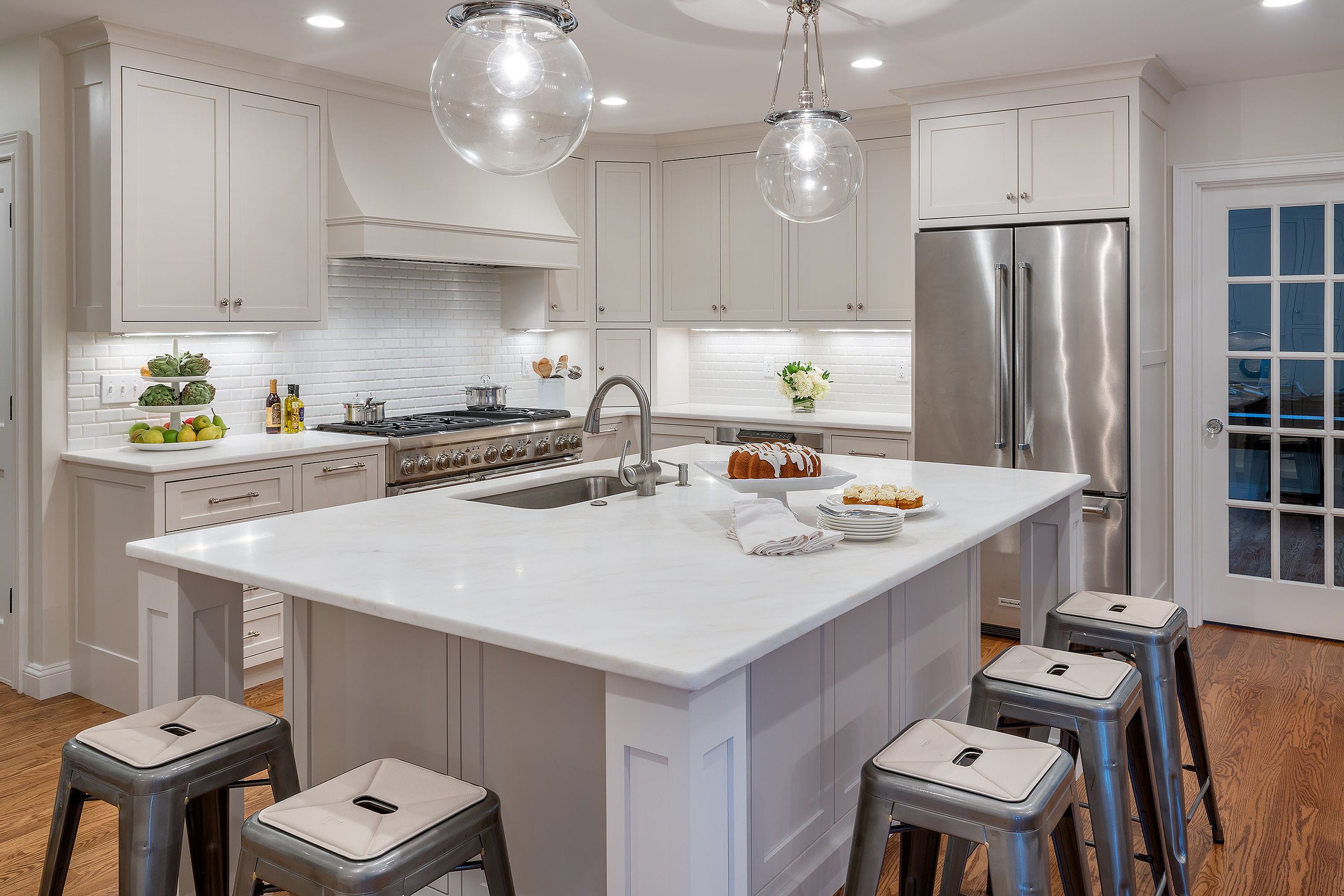
Adding seating options in a kitchen island enhances functionality and style. Bar stools or chairs create a cozy spot for casual meals. Choose materials that complement the overall kitchen design for a seamless look.
Designing a kitchen with an island can transform your home. It offers extra counter space and a social hub for family and friends. A key aspect to consider is incorporating seating options. This feature enhances functionality and adds charm. Let's explore how to make seating work in your kitchen island design.
Seating Styles
Choose a seating style that complements your kitchen. Bar stools are popular for their sleek look and space-saving design. They suit contemporary kitchens well. For a more traditional feel, consider chairs with backs. These offer comfort during long meals. Bench seating can also be a great choice. It provides a casual, cozy vibe.
Space Considerations
Think about the space you have around the island. Ensure there's enough room to move freely. Each seat should have 24 inches of space. This allows comfortable seating and easy access. If your kitchen is small, choose compact stools. They can be tucked under the island when not in use. For larger kitchens, explore more elaborate seating arrangements.
Lighting And Electrical Considerations
Designing a kitchen with an island requires careful lighting and electrical planning. Ensure ample lighting above the island for cooking and dining. Properly placed electrical outlets on the island can support kitchen appliances and gadgets.
Designing a kitchen with an island involves practical lighting and electrical considerations. Proper lighting ensures a functional and inviting space. Electrical outlets offer convenience and safety. Thoughtful planning helps maximize efficiency and style. Here's how to address these crucial aspects.
Task Lighting
Task lighting enhances visibility on your kitchen island. It provides focused illumination for food prep. Pendant lights are a popular choice. They add style while improving lighting. Position them directly above the island. Ensure they are evenly spaced for uniform light. LED options offer energy efficiency and longevity. Choose dimmable fixtures for flexibility. This allows you to adjust brightness for different tasks.
Power Outlets
Power outlets add functionality to your kitchen island. They provide a place to plug in appliances. This is essential for cooking and baking. Consider outlet placement on the sides or ends. Pop-up outlets offer a sleek look when not in use. Ensure outlets meet local electrical codes for safety. Plan the number of outlets based on your needs. It's better to have more than too few.

Credit: www.roomsketcher.com
Color And Style Coordination
Color and style coordination play a key role in kitchen design. They bring harmony and balance, making the space inviting. A well-coordinated kitchen feels both functional and stylish. The island is a central piece that ties the room together.
Matching With Kitchen Theme
The kitchen theme guides your color choices. A modern theme suits sleek, neutral tones. Minimalist kitchens benefit from whites and grays. Rustic kitchens often use warm earth tones. Choose an island color that complements the theme. A wooden island enhances a rustic setting. For modern kitchens, consider a glossy black or white island.
Accent Colors
Accent colors add personality to your kitchen. They create visual interest and depth. Use them to highlight the island. Bright stools or pendant lights can be great accents. A bold backsplash can also work well. Consider using complementary colors for a balanced look. For instance, pair a blue island with yellow accents.
Enhancing Functionality With Accessories
Designing a kitchen with an island boosts its functionality, making meal prep more efficient. Accessories like bar stools, pendant lights, and built-in shelves enhance usability and style. Thoughtful placement of these elements can transform your kitchen into a versatile and inviting space.
Designing a kitchen with an island offers a unique opportunity to enhance the space's functionality. Accessories can transform your island into more than just a stylish centerpiece. They can elevate its practical use, making your kitchen both beautiful and efficient. Whether it's through clever storage solutions or personal touches, your island can become the heart of your kitchen. Let's dive into some actionable ways to enhance your kitchen island's functionality with accessories.
Incorporating Appliances
Consider adding appliances directly to your island to boost functionality. Imagine the convenience of having a small refrigerator or a wine cooler at your fingertips while preparing meals. Cooktops and sinks can also be integrated, allowing you to multitask effortlessly. You might think about how these additions can streamline your cooking process. I once installed a small dishwasher in my kitchen island. It made cleaning up after meals so much quicker, and I found myself enjoying cooking even more. Adding appliances to your island can also free up counter space elsewhere in your kitchen. This makes the entire area feel more spacious and less cluttered. What appliance would make your cooking routine easier?
Adding Personal Touches
Your kitchen island can reflect your personality and style. Consider adding personal touches that make the space feel uniquely yours. This could be as simple as installing a unique light fixture above the island or using bar stools with a pop of color. Personalizing your island can also involve practical elements. A built-in bookshelf for your cookbooks not only adds character but also keeps your favorite recipes within reach. I added a chalkboard panel to the side of my island for jotting down grocery lists and meal ideas. It’s become a family hub for sharing messages and recipes. Think about what makes your kitchen feel like home. Is it the aroma of freshly brewed coffee? A coffee station on your island could be the perfect personal touch. What small change could make your island feel more like your own? Enhancing your kitchen island with accessories is about combining style and functionality. It's about creating a space where you can cook, entertain, and express your individuality. So, how will you transform your kitchen island into a centerpiece of both form and function?
Space Planning And Flow
Designing a kitchen with an island requires careful space planning and flow. The goal is to create a functional area that enhances your cooking and dining experience. A well-designed kitchen island serves as a focal point and a practical workspace. Efficient space planning ensures your kitchen island complements your overall layout. Consider how you move around the space and interact with different areas. This will help in maximizing functionality while maintaining an open, inviting atmosphere.
Traffic Flow
Traffic flow is crucial in kitchen design. Ensure there's enough space for movement. Paths should be clear and unobstructed. Allow at least 42 inches of aisle space. This width provides room for multiple users. It's essential for cooking, serving, and cleaning activities. Think about how you enter and exit the kitchen. The island should not block these paths. Proper planning keeps the kitchen functional and efficient.
Accessibility
Accessibility makes your kitchen user-friendly. Consider the height and placement of the island. It should suit all family members. Appliances on the island should be easy to reach. Storage within the island must be accessible. Consider drawers and pull-out shelves. They make accessing items easier. Ensure seating at the island is comfortable. It should accommodate different ages and abilities. This approach makes the kitchen inclusive and practical.
Frequently Asked Questions
What Are The Benefits Of A Kitchen Island?
A kitchen island provides extra counter space for cooking and meal preparation. It also offers additional storage options, helping to keep the kitchen organized. Islands can serve as informal dining areas, enhancing social interactions. They often become the focal point of the kitchen, adding aesthetic appeal.
How Do I Choose The Right Size Island?
Choosing the right size island depends on your kitchen's layout and available space. Ensure there is at least 36 inches of clearance around the island for easy movement. Consider your kitchen's workflow and how you plan to use the island to determine the ideal dimensions.
What Materials Are Best For Kitchen Islands?
Popular materials for kitchen islands include granite, quartz, and butcher block. Granite is durable and heat-resistant, while quartz offers a wide range of colors. Butcher block provides a warm, rustic feel. Choose a material that complements your kitchen style and meets your functional needs.
Can A Kitchen Island Include Appliances?
Yes, a kitchen island can include appliances like a sink, cooktop, or wine cooler. Integrating appliances can enhance functionality and create an efficient workspace. Consider your cooking habits and kitchen layout when deciding which appliances to include in your island design.
Conclusion
Designing a kitchen with an island adds both style and function. It transforms cooking and dining experiences. Islands offer extra storage and seating. They create a focal point in your kitchen. Choose the right size to fit your space. Consider lighting to enhance its look.
Materials matter too. Opt for durable surfaces. Keep your lifestyle in mind when planning. A well-designed island boosts kitchen efficiency. It becomes the heart of your home. Enjoy the balance of beauty and utility. With careful planning, your kitchen island will serve you well.
It's a smart investment in your living space.