
Imagine this: you're in the middle of preparing a delicious meal, and just as you're about to blend your ingredients, the power goes out in your kitchen. Frustrating, right?
If you’ve ever wondered whether your kitchen's small appliance circuit can handle the load, you’re not alone. The answer isn't always straightforward, and understanding it could save you from unexpected disruptions. You'll discover the secrets behind efficiently managing your kitchen's power supply.
We'll delve into what your circuit can handle, how to optimize it, and why it matters to you. So, if you want to keep your culinary adventures smooth and hassle-free, keep reading. Your kitchen's efficiency depends on it!
Kitchen Circuit Basics
Understanding kitchen circuit basics is essential. Can both kitchen small appliance circuits handle heavy loads safely? Knowing the capacity ensures efficient and safe operation of your kitchen appliances. Keep appliances like toasters and blenders on separate circuits to prevent overload.
Kitchen Circuit Basics Understanding your kitchen's electrical circuit is crucial for safety and functionality. With multiple appliances running simultaneously, knowing how to manage the electrical load prevents tripped breakers and potential hazards. Let's dive into the essentials to ensure your kitchen operates smoothly.
Electrical Capacity
Every kitchen circuit has a limit to how much electricity it can handle. This capacity is measured in amps. Most kitchens are equipped with 15-amp or 20-amp circuits. Knowing the capacity helps you decide how many and which appliances can run at the same time. Overloading a circuit can lead to circuit breakers tripping, or even worse, electrical fires. Have you ever been in the middle of blending a smoothie only for everything to go dark? That's a sure sign of an overloaded circuit. It's not just inconvenient; it can be dangerous.
Common Appliances
Kitchens are filled with gadgets and appliances that make cooking a breeze. Here are some of the most common ones you might have: - Microwave: Often one of the biggest energy consumers in the kitchen. - Toaster Oven: Convenient but can draw a significant amount of power. - Blender: Essential for smoothies, but can add to the load quickly. - Coffee Maker: A morning staple that can run simultaneously with other appliances. Consider how these appliances add up in terms of electrical demand. Just because they're small doesn't mean they use little power. You might think, "It's just a toaster and a blender," but together they can easily max out a 15-amp circuit. Keep a mental checklist of what’s running to avoid surprises. Incorporating these insights into your daily routine can save you from unexpected power outages. How do you manage your kitchen’s electrical load? Share your experiences or tips in the comments!

Credit: forums.mikeholt.com
Power Requirements Of Appliances
Understanding the power requirements of appliances in your kitchen is crucial for efficient energy use and preventing electrical mishaps. It can be surprising how much difference there is between various devices. Knowing which appliances demand more power helps you plan your kitchen setup, ensuring safety and optimal performance.
High-power Devices
Some kitchen appliances are power-hungry. Your oven, refrigerator, and microwave are typical examples. These devices require a dedicated circuit to handle their high wattage. Imagine cooking a holiday dinner with multiple appliances running simultaneously. You wouldn't want to trip a circuit breaker in the middle of baking your turkey! Check your appliance manuals for specific wattage requirements to avoid overloading your circuit.
Low-power Devices
On the other hand, many small kitchen gadgets use far less energy. Think of your coffee maker, toaster, and blender. These can often share a circuit without causing issues. However, overloading can still occur if too many low-power devices are used at once. A useful tip is to avoid running multiple high-wattage small appliances together, especially during peak usage times. Do you tend to use several devices at once? Consider alternating them or using power strips to manage consumption effectively.
Safety Considerations
Ensuring safety in the kitchen involves more than careful cooking. It's essential to understand the electrical safety of kitchen appliances. Small kitchen appliances often share circuits. This can lead to safety concerns if not managed properly. Being aware of potential risks and taking preventive steps can prevent accidents.
Overloading Risks
Overloading circuits is a common issue in kitchens. Small appliances draw significant power. Too many appliances on one circuit can cause problems. Circuit breakers may trip, causing temporary power loss. In worst cases, overheating wires might lead to fires. It's crucial to know the power needs of each appliance. This helps avoid overloading.
Preventive Measures
Simple steps can enhance kitchen safety. Distribute appliances across different outlets. This reduces the chance of overloading a single circuit. Use power strips with built-in surge protectors. They provide an extra layer of safety. Regularly inspect cords for wear and damage. Replace any damaged cords immediately. Consider consulting an electrician. They can assess and recommend upgrades if necessary. Always unplug appliances when not in use. This saves power and reduces risk.
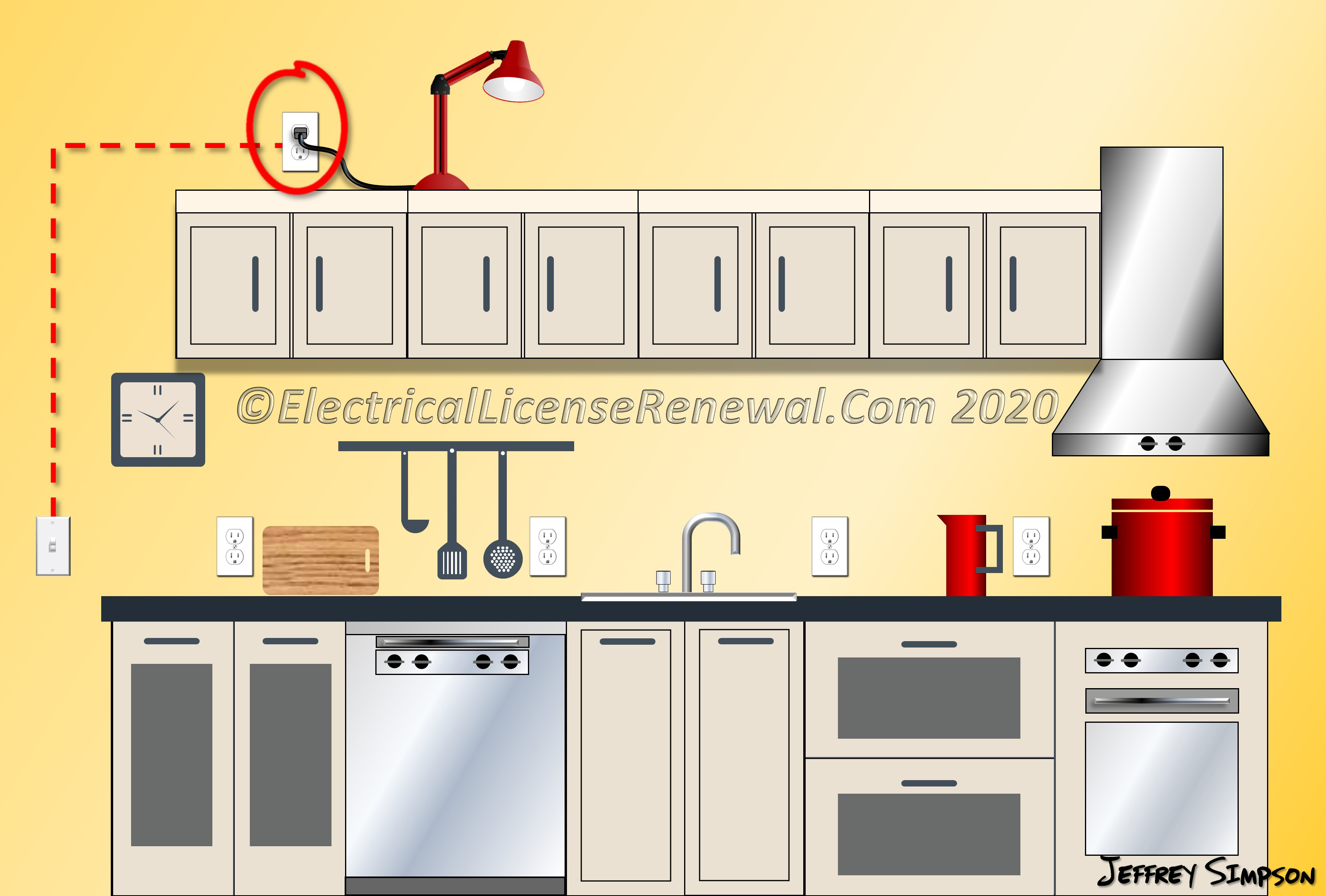
Credit: www.electricallicenserenewal.com
Managing Multiple Devices
Balancing multiple kitchen appliances on a single circuit requires careful planning. Too many devices can lead to overloads, causing circuit breakers to trip. Ensure safety by understanding your circuit capacity and distributing appliance usage accordingly. This approach helps maintain efficient and uninterrupted kitchen operations.
Managing multiple devices in the kitchen requires careful planning. Avoid overloads or electrical issues. With various small appliances, it's essential to organize their usage efficiently. This ensures safety and energy savings. Let's explore some practical strategies.
Energy-efficient Appliances
Choosing energy-efficient appliances can lower electricity bills. They consume less power and perform efficiently. Look for appliances with energy star ratings. These ratings indicate better energy performance. Efficient devices also have fewer emissions. They contribute to a greener environment. Always check labels before buying.
Using Power Strips
Power strips help manage multiple devices safely. They allow you to connect several appliances to one outlet. This prevents electrical overloads. Choose strips with surge protection. They guard against voltage spikes. Use strips with switches to turn off devices easily. This saves power and extends appliance lifespan. Organize cords neatly to avoid tangles.
Troubleshooting Circuit Issues
Kitchen small appliances often share circuits, leading to potential issues. Troubleshooting involves checking connections and ensuring adequate electrical capacity. Make sure each appliance operates without tripping the circuit breaker.
Troubleshooting circuit issues in your kitchen can be a daunting task, especially when your small appliances start acting up. You might wonder why your toaster suddenly stops working or why the blender cuts off mid-smoothie. Understanding and resolving these problems can save you time and money. This section will guide you through the basics of identifying and fixing common circuit issues.
Identifying Problems
The first step in troubleshooting is recognizing when a circuit problem exists. Are your appliances frequently tripping the circuit breaker? This could indicate an overload. Check if multiple appliances are running simultaneously on the same circuit. Unplug one or two and see if the issue persists. Sometimes, a single appliance may be faulty. If your coffee maker consistently trips the breaker, it might be the culprit. Plug it into a different outlet. If it still causes problems, you likely have a faulty appliance.
Steps To Resolve
Once you've identified the problem, it's time to take action. Start by resetting the circuit breaker. Locate your electrical panel and find the tripped switch. Flip it off and then back on. This might solve minor overloads. For persistent issues, consider redistributing your appliances. Use different outlets and circuits to balance the load. This can prevent overloading a single circuit. If a specific appliance is faulty, consider having it repaired or replaced. A malfunctioning appliance can not only trip circuits but also pose safety hazards. Always prioritize safety and consult a professional if needed. Have you tried swapping out older appliances with energy-efficient models? Sometimes the solution is as simple as upgrading to appliances that draw less power, reducing the likelihood of tripping circuits. Troubleshooting circuit issues doesn't have to be a headache. With these steps, you can confidently tackle minor electrical hiccups in your kitchen. Are you ready to bring peace back to your culinary space?
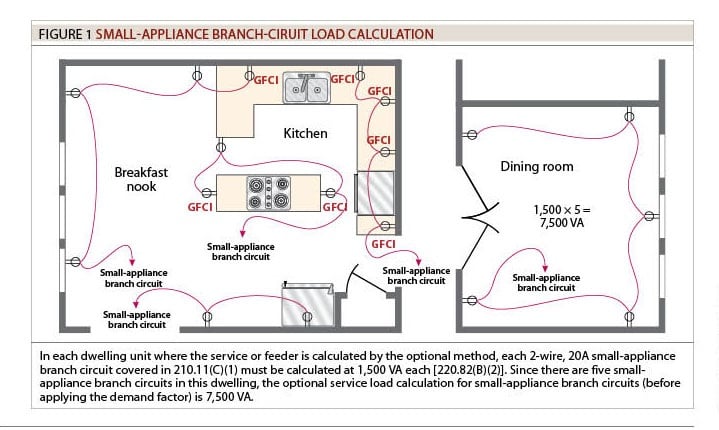
Credit: www.ecmag.com
Future Trends In Kitchen Circuits
The future of kitchen circuits is evolving with technology. Homeowners seek efficiency and innovation. With smart homes becoming commonplace, kitchen circuits are adapting. This evolution offers enhanced safety and convenience.
Smart Appliances
Smart appliances play a crucial role in modern kitchens. They connect to the internet and communicate with each other. This integration helps optimize energy use. It offers real-time updates to users. Imagine a refrigerator that suggests recipes based on its contents. Or an oven that preheats before you get home. Smart appliances ensure a seamless cooking experience. They are designed to make life easier.
Advanced Circuitry
Advanced circuitry supports the growing demand for smart appliances. It allows multiple devices to function without overload. Circuit designs now focus on efficiency and safety. They manage power distribution effectively. New materials and technologies enhance circuit performance. This reduces the risk of electrical hazards. Advanced circuitry is essential for a smart kitchen. It ensures all devices work harmoniously.
Frequently Asked Questions
Can Kitchen Appliances Share A Circuit?
Yes, kitchen appliances can share a circuit if the load doesn't exceed the circuit's capacity. However, it's best to separate high-power appliances, like ovens and refrigerators, onto dedicated circuits to prevent overloads. Always consult an electrician to ensure compliance with electrical codes and safety standards.
What Is A Small Appliance Circuit?
A small appliance circuit is designed specifically for portable kitchen appliances, like toasters and blenders. These circuits typically handle lower power loads than major appliance circuits. It's crucial to use proper wiring and breakers to prevent overloads and ensure safe operation of all appliances.
How Many Amps Do Kitchen Circuits Need?
Kitchen circuits typically require 15 or 20 amps to handle small appliances safely. For larger appliances, such as refrigerators and ovens, dedicated circuits with higher amperage are needed. Always consult an electrician to determine the correct amperage for your kitchen's specific needs.
Why Separate High-power Kitchen Appliances?
High-power kitchen appliances should be on separate circuits to prevent overloads and potential hazards. Separating these appliances ensures they receive the necessary power without tripping breakers. This setup enhances safety, efficiency, and compliance with electrical standards.
Conclusion
Understanding kitchen small appliance circuits is crucial for safety. Proper circuit management prevents overloads and potential hazards. Always check your circuit capacity. Ensure your appliances don't exceed it. This helps maintain efficient and safe kitchen operations. Regularly inspect your wiring and outlets.
Identify any signs of wear or damage early. Consider consulting a professional electrician for guidance. They can offer expert advice and solutions. Safe kitchen practices protect your home and family. Prioritize safety to enjoy a worry-free cooking experience. Keep your kitchen running smoothly with smart electrical choices.