
Imagine standing in your kitchen, ready to whip up a delicious meal, but unsure if your induction cookware will work on your electric stove. You’re not alone; many people find themselves puzzled by this very question.
You might be wondering if you've invested in the right pots and pans or if you need to buy a whole new set just to cook dinner. Don't worry—you're about to uncover the answers you need. By understanding how these cooking technologies interact, you can make informed decisions and get the most out of your kitchen setup.
This article will guide you through the compatibility between induction cookware and electric stoves, ensuring you’re equipped with the knowledge to cook effortlessly and efficiently. Keep reading to discover how you can transform your cooking experience without unnecessary stress or expense.
Induction Cookware Basics
Induction cookware has become a popular choice in many kitchens, but there’s often confusion about its compatibility with electric stoves. Understanding the basics of induction cookware can help you decide if it’s the right fit for your cooking needs. Let's explore what makes induction cookware unique and how it functions.
Materials Used In Induction Cookware
Induction cookware is crafted from materials that are magnetic. This typically includes stainless steel and cast iron. These materials allow the cookware to interact with the magnetic field of an induction cooktop.
Some cookware brands use a magnetic base layer to make their pots and pans induction-compatible. If you're unsure about a piece of cookware, try the magnet test. If a magnet sticks to the base, it should work on an induction cooktop.
How Induction Cookware Operates
Induction cookware works by using magnetic fields to heat the pot or pan directly. This is different from traditional electric stoves, which use burners to heat the cookware. The efficiency of induction cooking means your food can heat up faster.
But does this mean induction cookware won't work on an electric stove? Not at all. Induction pots and pans can still function on electric stoves because they are designed to withstand various heat sources. You might notice slight variations in cooking times, but the versatility of induction cookware shines here.
Have you ever considered why this versatility matters? If you often switch between cooking methods, investing in induction cookware can be a smart move. It offers flexibility and ensures you’re prepared for any cooking situation that may arise.
Next time you're shopping for cookware, think about your cooking style. Could induction cookware simplify your kitchen routine, or do you prefer sticking with what you know? The choice is yours, but understanding these basics will guide you in making an informed decision.

Credit: goclean.masscec.com
Electric Stove Functionality
Understanding how your electric stove works can greatly enhance your cooking experience, especially when you're considering using induction cookware. Electric stoves have been a staple in kitchens for decades, offering a reliable and efficient way to prepare meals. But do they really function well with induction cookware? Let's dive into the specifics of electric stove functionality to find out.
Types Of Electric Stoves
Electric stoves come in two main types: coil and smooth-top. Coil stoves have visible heating elements that can be replaced easily. They're often more affordable and robust. Smooth-top stoves, on the other hand, offer a sleek glass surface with hidden heating elements. They look modern and are easier to clean. Each type has its own charm. Which one do you have at home?
Heating Mechanism Of Electric Stoves
Electric stoves heat up through electricity passing through the heating element, which then transfers heat to the cookware. Coil stoves take a bit longer to heat up but maintain heat well. Smooth-tops heat up quickly, providing a more responsive cooking experience. Both types require direct contact with the cookware to transfer heat effectively.
Ever wondered why your pan takes longer to heat on a coil stove? It's all about the contact area and heat distribution. Smooth-top stoves distribute heat more evenly across the pan, giving you better control. If you enjoy cooking delicate sauces, the smooth-top might be your best friend.
Induction cookware requires a magnetic field to heat up. Sadly, electric stoves don't generate this field. But wait, does that mean you can't use induction cookware at all? Not necessarily. You can use it, but it won't utilize its induction features. Are you okay with that compromise?
Choosing the right cookware for your electric stove is crucial. The wrong choice could lead to inefficient cooking. What's your next move in the kitchen? Are you ready to experiment with different cookware to find the perfect fit for your electric stove?
Compatibility Factors
Understanding the compatibility of induction cookware with electric stoves is important. Many people wonder if their induction pots and pans will work on electric stoves. Compatibility factors are crucial. They determine how well your cookware performs on different surfaces. This section dives into the key factors affecting compatibility.
Surface Interaction
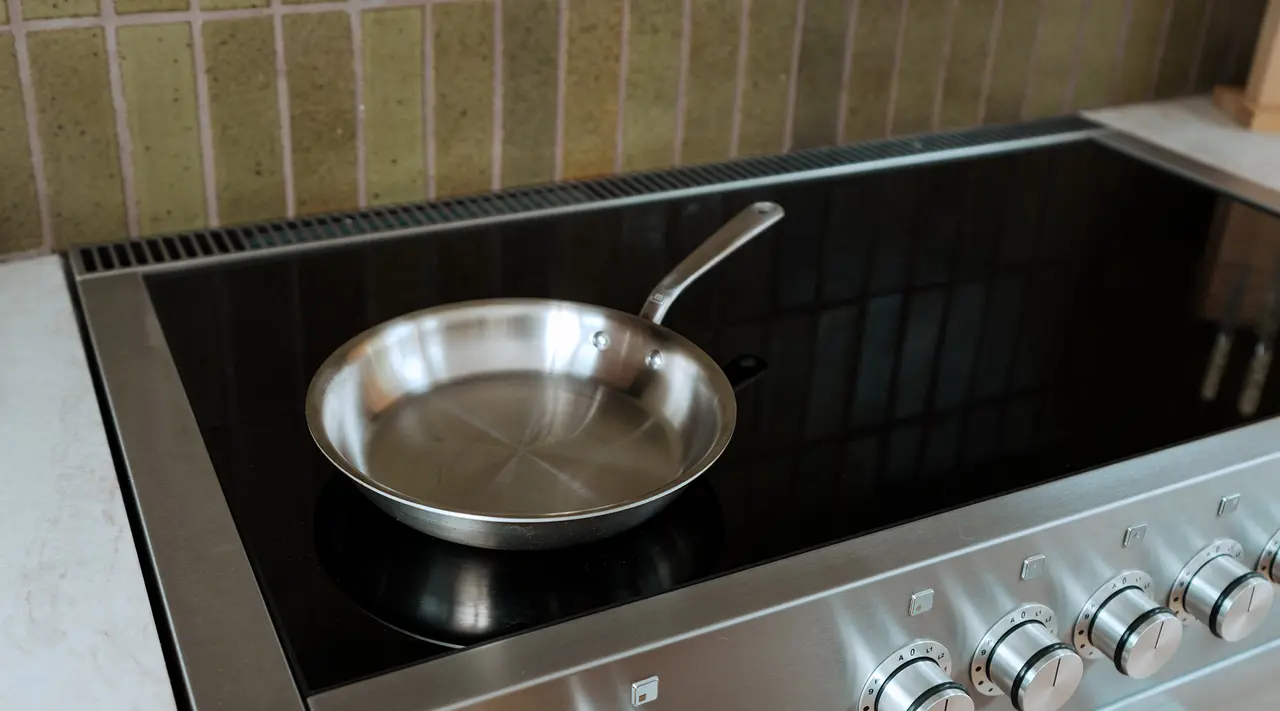
The surface of an electric stove differs from an induction stove. Induction cookware uses magnetic fields to heat the pan. Electric stoves use direct contact for heat transfer. Most induction cookware has a flat bottom. This ensures good contact with electric stove surfaces. Proper contact improves cooking efficiency and heat transfer.
Heat Distribution Differences
Heat distribution is another important factor. Induction cookware often distributes heat evenly. Electric stoves might heat unevenly. This can affect cooking outcomes. Good induction cookware usually has a layered construction. This helps in spreading heat evenly across the pan. Choosing cookware with excellent heat distribution is essential. It ensures consistent cooking results on electric stoves.
Credit: madeincookware.com
Testing Induction Cookware On Electric Stove
Testing induction cookware on an electric stove can be a crucial step. It helps determine if your cookware will function properly. Many are unsure about their cookware's compatibility. This section will guide you through simple methods. It will also highlight common signs of incompatibility.
Simple Methods To Test Compatibility
Start by placing a magnet on the cookware base. If the magnet sticks, it's compatible. Another method is the water test. Fill the pan with water and heat it. If the water heats evenly, your cookware might work. Check for any unusual sounds or movements. This can indicate compatibility issues.
Common Signs Of Incompatibility
One sign is uneven heating. If the cookware heats unevenly, it may not be compatible. Another sign is strange noises during heating. Buzzing or humming sounds suggest incompatibility. Slow heating is also a common indicator. If the cookware takes long to heat, it might not work well. Warping or deforming during use indicates a serious incompatibility issue.
Alternatives And Solutions
Induction cookware is designed for specific heat sources. But, not all hope is lost if you have an electric stove. There are practical alternatives and solutions. These can help bridge the gap between induction cookware and electric stoves. Let's explore some of these options.
Using Adaptors Or Converters
Adaptors or converters can be a handy solution. These devices sit between the stove and the cookware. They conduct heat from the stove to the cookware. This allows you to use induction cookware on an electric stove. They are affordable and easy to use. Plus, they save you from buying new cookware. Just place the adaptor on the burner, then place the cookware on top. Heat transfers efficiently, making cooking hassle-free.
Purchasing Compatible Cookware
Investing in compatible cookware can be another solution. Not all cookware works on all stoves. Look for cookware labeled as "compatible with electric stoves." These are often made with a flat base. This ensures even heat distribution. Stainless steel and cast iron are good choices. They work well with both induction and electric stoves. This option might be costlier initially. But it ensures a seamless cooking experience.
Benefits Of Using Induction Cookware
Induction cookware is a versatile choice for modern kitchens. It works well on induction cooktops and electric stoves. This versatility offers many benefits. From energy savings to improved cooking, induction cookware is a smart choice. Let's explore the advantages it brings to your kitchen.
Energy Efficiency
Induction cookware heats quickly and evenly. This reduces energy waste. Less time is needed to cook meals. This efficiency lowers electricity bills. It is an eco-friendly choice for your kitchen.
Enhanced Cooking Performance
Induction cookware offers consistent heat distribution. It helps in cooking food evenly. Say goodbye to hot spots. Your meals will have better texture and flavor. The precise heat control aids in perfect cooking. It suits both beginners and experienced cooks.
Common Misconceptions
Many believe induction cookware works only on induction stoves. This cookware also functions well on electric stoves. The metal base conducts heat efficiently, making it versatile for various cooking methods.
Understanding the compatibility of induction cookware with electric stoves can be confusing. Many people believe that induction cookware is only for induction cooktops. This leads to a lot of misconceptions about what works where in your kitchen. Let's clear up these misunderstandings.
Myths About Induction Cookware
Many assume that induction cookware is a special category that only works with induction stoves. This is not entirely true. Induction cookware is often made of magnetic materials like stainless steel or cast iron, which means it can work on any stove, including electric ones. Some people think that using induction cookware on an electric stove will damage the cookware. In reality, these pots and pans are just like any other. They are designed to be durable and versatile, making them suitable for various cooking surfaces. You might have heard that induction cookware heats unevenly on electric stoves. This is a myth. As long as the cookware has a flat bottom, it will distribute heat evenly, just like any other cookware.
Misunderstandings On Electric Stoves
There's a common belief that electric stoves require special cookware. This isn't the case. Electric stoves are quite flexible and can accommodate various types of cookware, including induction. Some think that using induction cookware on an electric stove is inefficient. That's not true. While induction stoves are known for their energy efficiency, using induction cookware on an electric stove will not waste energy or time. It simply heats up like regular cookware. You might wonder if the material of induction cookware affects its performance on electric stoves. The answer is no. The material makes no difference in the efficiency or performance on an electric stove. What misconceptions have you encountered in your kitchen adventures? Understanding these myths can help you make better choices with your cookware. So, next time you're in the market for new pots and pans, remember: versatility is key, and misconceptions are just that—misconceptions.

Credit: circulon.uk.com
Frequently Asked Questions
Can Induction Pans Be Used On Electric Stoves?
Yes, induction pans can be used on electric stoves. They are designed to work with any heat source, including electric. Induction cookware is typically made of materials like stainless steel or cast iron, which work well with electric burners.
Is Special Cookware Needed For Electric Stoves?
No, special cookware isn't needed for electric stoves. Most types of cookware, including induction-compatible ones, can be used on electric stoves. Ensure that the cookware has a flat bottom for efficient heat distribution on electric burners.
How Do Induction Pots Perform On Electric Stoves?
Induction pots perform well on electric stoves. They heat up quickly and distribute heat evenly, offering reliable cooking results. The cookware's magnetic properties are irrelevant with electric stoves, but its construction ensures efficient cooking.
What Materials Work Best On Electric Stoves?
Materials like stainless steel, copper, and cast iron work best on electric stoves. These materials conduct heat effectively, ensuring consistent cooking results. Flat-bottomed cookware is ideal for electric stoves for optimal heat contact and distribution.
Conclusion
Induction cookware can work on electric stoves. It needs a flat bottom. Most induction pans have this feature. Check your cookware before use. Test with a magnet for compatibility. If it sticks, it works. Electric stoves heat differently. Adjust cooking time as needed.
Pay attention to heat settings. Keep an eye on your food. Cooking can be easy with the right tools. Enjoy your meals with confidence. Happy cooking!