
Have you ever wondered why some cookware heats up faster and cooks more evenly than others? If you've been searching for the perfect kitchen companion that combines durability with exceptional cooking performance, aluminized steel cookware might be the answer you've been looking for.
This unique material offers incredible benefits that can transform your cooking experience, making it easier, faster, and more enjoyable. Imagine spending less time in the kitchen and more time enjoying delicious meals with your family and friends. With aluminized steel cookware, you can do just that.
Its special construction not only enhances heat distribution but also ensures your pans last longer, resisting the wear and tear of daily use. By the end of this article, you'll discover why aluminized steel cookware is a game-changer and how it can elevate your cooking skills to new heights. Get ready to unlock the secrets of this remarkable kitchen essential and make informed choices that will delight your taste buds and simplify your culinary adventures.
Credit: www.walmart.com
Aluminized Steel Cookware Overview
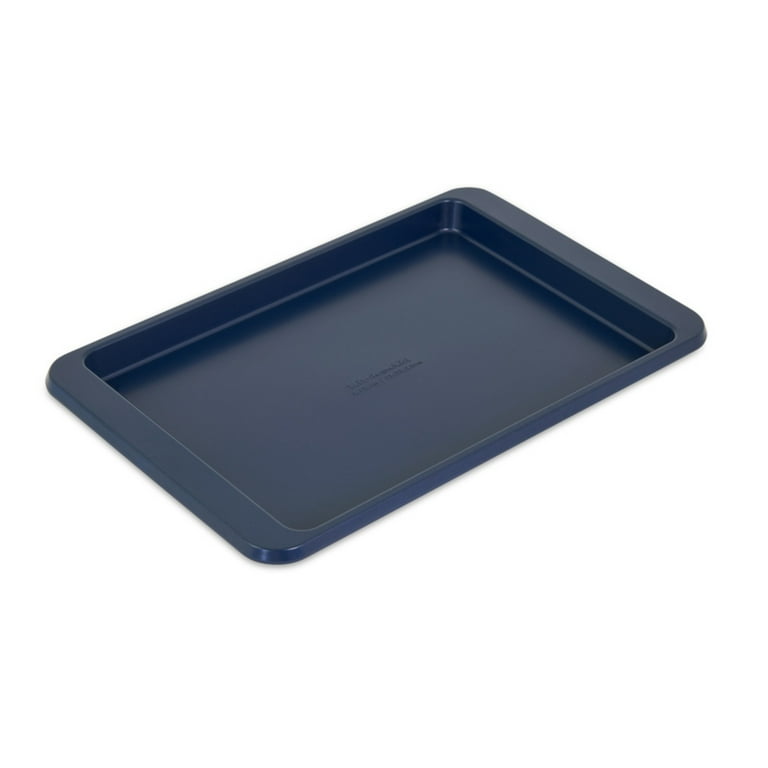
Aluminized steel cookware is a popular choice in many kitchens. It offers durability and even heating. Known for its unique construction, it combines steel and aluminum. This blend provides excellent heat conduction. It also ensures that food cooks evenly.
The aluminum coating protects the steel. This prevents rust and corrosion. It adds longevity to the cookware. The cookware is great for baking and roasting. It's also ideal for frying. Its versatility makes it a kitchen favorite.
What Makes Aluminized Steel Special?
Aluminized steel is strong and sturdy. It withstands high temperatures well. The aluminum coating helps distribute heat evenly. This ensures consistent cooking results. It resists warping, even with frequent use. The material is lightweight, making it easy to handle.
The cookware heats up quickly. This saves time in the kitchen. It’s easy to clean due to its smooth surface. The non-stick coating reduces the need for excess oil. The cookware is resistant to scratches and dents. It maintains its appearance over time.
Uses Of Aluminized Steel Cookware
Aluminized steel is perfect for baking. It’s great for making cookies and cakes. It’s also ideal for roasting meats and vegetables. The cookware is suitable for grilling. It can be used for frying as well. Its versatility extends to various cooking methods.

Credit: www.amazon.com
Manufacturing Process
Aluminized steel cookware is celebrated for its durability and heat conductivity. Understanding its manufacturing process offers insight into why it's a kitchen favorite. This process includes careful selection of materials and advanced coating techniques.
Coating Techniques
Coating techniques play a crucial role in aluminized steel cookware. The steel is dipped in an aluminum-silicon alloy. This provides a protective layer. It helps resist corrosion and improves heat distribution. The coating ensures cookware lasts longer. It also maintains its shiny appearance.
Material Composition
The material composition of aluminized steel is unique. It combines the strength of steel with the heat resistance of aluminum. Steel offers durability and rigidity. Aluminum enhances thermal conductivity. This combination makes the cookware efficient. It heats evenly and quickly.
Manufacturers ensure precise ratios in the mix. This guarantees optimal performance. The result is cookware that withstands high temperatures. It performs well in various cooking conditions. Aluminized steel is a choice for professionals and home cooks alike.
Benefits Of Aluminized Steel Cookware
Aluminized steel cookware has grown in popularity due to its versatile benefits. This type of cookware is made by coating steel with a thin layer of aluminum. The result is a durable and efficient cooking tool. Let's explore the advantages of using aluminized steel cookware in your kitchen.
Durability And Longevity
Aluminized steel cookware is known for its robust structure. It withstands daily cooking challenges without wearing out. The aluminum coating protects the steel from damage. This increases the lifespan of the cookware. You can expect these pots and pans to last for years.
Heat Distribution
Even heat distribution is crucial for cooking. Aluminized steel cookware excels in this area. The aluminum coating ensures heat spreads evenly across the surface. This reduces the risk of hot spots. Your food cooks uniformly, enhancing taste and texture.
Corrosion Resistance
Cooking often involves exposure to moisture and acids. Aluminized steel offers excellent corrosion resistance. The aluminum layer acts as a barrier. It prevents rust and damage from corrosive ingredients. This quality ensures your cookware remains in top condition.
Non-stick Properties
Aluminized steel cookware often has non-stick properties. This makes cooking and cleaning easier. Food does not stick to the surface, reducing the need for excess oil. It simplifies the cooking process and promotes healthier meals.
Popular Uses
Aluminized steel cookware is popular in many kitchens. Its durability and heat distribution make it a favorite. Many cooks use it for various culinary tasks. Let's explore the popular uses of aluminized steel cookware.
Baking Applications
Aluminized steel is excellent for baking. It provides even heat distribution. This ensures cakes and pastries are perfectly baked. Many bakers trust it for consistent results. Its robust nature withstands high temperatures. This makes it ideal for baking bread and cookies. The non-stick surface also helps in easy cleanup.
Roasting And Broiling
Roasting meats and vegetables is simple with aluminized steel. It helps achieve crispy textures. The heat retention is perfect for broiling. This cookware maintains consistent temperatures. Chefs use it for roasting poultry and beef. It delivers delicious flavors and textures. Its sturdiness is great for high-heat cooking.
Industrial Cooking
Aluminized steel is popular in industrial kitchens. It is used in restaurants and bakeries. The cookware handles large-scale cooking efficiently. Its durability is perfect for frequent use. It withstands heavy-duty cooking tasks. Many professionals rely on it for bulk preparation. Its effectiveness in high-demand environments is unmatched.
Comparison With Other Materials
Aluminized steel cookware has gained popularity due to its durability. Understanding how it compares to other materials is essential for making informed choices. Each material offers unique advantages and challenges.
Stainless Steel
Stainless steel is favored for its resistance to corrosion. It maintains a shiny appearance. Its surface is non-reactive, ideal for acidic foods. Heat distribution is often uneven. It may require a copper or aluminum core for better performance.
Cast Iron
Cast iron is cherished for its heat retention. It excels in slow cooking. This material develops a natural non-stick surface. It demands regular seasoning. It can be heavy, making handling cumbersome. Cast iron is prone to rust if not cared for properly.
Aluminum
Aluminum is lightweight, easy to handle. It heats quickly, suitable for fast cooking. Its surface can react with acidic ingredients. Anodized aluminum offers a solution, enhancing durability. It is softer than stainless steel or cast iron. This may lead to dents over time.
Care And Maintenance
Aluminized steel cookware is a kitchen staple for many home cooks. It combines the strength of steel with the heat-conducting properties of aluminum. Proper care ensures its longevity and performance. Understanding how to clean and store it is key. Each step helps maintain its shine and functionality.
Cleaning Tips
Clean aluminized steel cookware after each use. Use warm, soapy water and a soft sponge. Avoid abrasive cleaners. They can scratch the surface. Rinse thoroughly to remove all soap residue. Dry immediately with a soft towel. This prevents water spots and rust. For stubborn stains, a mixture of baking soda and water works well. Gently scrub the area, then rinse and dry. Regular cleaning keeps your cookware looking new.
Storage Recommendations
Store your aluminized steel cookware in a dry place. Moisture can cause rust. Stack pots and pans carefully. Use a soft cloth or paper towel between items. This prevents scratches. Hanging is an option if space allows. Ensure hooks are sturdy and well-placed. Keep lids separate to avoid damage. Proper storage extends the life of your cookware. It also keeps your kitchen organized and tidy.
Environmental Impact
Aluminized steel cookware has gained popularity for its durability and heat conduction. Yet, its environmental impact remains an important consideration. Understanding its recyclability and sustainability can help make informed choices.
Recyclability
Aluminized steel is highly recyclable. The steel core and aluminum coating can be separated during recycling. This process minimizes waste, supporting environmental conservation.
Recycling aluminized steel reduces the need for new raw materials. This lowers energy consumption and decreases pollution. It contributes to a cleaner environment.
Sustainability Considerations
Aluminized steel cookware often has a long lifespan. This reduces the frequency of replacements, minimizing waste. Its durability means fewer resources are used over time.
Manufacturing aluminized steel requires energy, affecting its carbon footprint. Choosing products from responsible manufacturers can help mitigate environmental impact. Look for companies that prioritize sustainable practices.

Credit: www.walmart.com
Frequently Asked Questions
What Is Aluminized Steel Cookware Made Of?
Aluminized steel cookware is crafted from steel coated with aluminum-silicon alloy. This coating enhances heat distribution and adds corrosion resistance, making it durable and efficient for cooking. It combines the strength of steel with the heat conductivity of aluminum, offering cooks a reliable option for various culinary tasks.
Is Aluminized Steel Cookware Safe For Cooking?
Yes, aluminized steel cookware is safe for cooking. The aluminum coating prevents direct contact with steel, reducing the risk of rust and chemical reactions. It's commonly used in bakeware, ensuring even cooking and heat distribution. Ensure proper maintenance for safety and longevity.
How Do You Clean Aluminized Steel Cookware?
Cleaning aluminized steel cookware is straightforward. Use warm soapy water and a non-abrasive sponge to avoid scratching. Rinse thoroughly and dry immediately to prevent rusting. Avoid using harsh cleaners or steel wool, as they can damage the aluminum coating and reduce the cookware's lifespan.
Does Aluminized Steel Cookware Rust Easily?
Aluminized steel cookware is resistant to rust due to its protective aluminum coating. This coating acts as a barrier, preventing moisture and air from corroding the steel. Proper maintenance, like drying after washing, enhances its durability, ensuring it remains rust-free for years.
Conclusion
Aluminized steel cookware offers durability and heat distribution. Perfect for home chefs. This material resists rust and maintains its shine. Easy to clean and strong. Ideal for baking and roasting needs. It's a practical choice for everyday cooking. Affordable and widely available.
Whether you're a beginner or experienced cook, it fits well. This cookware balances quality with cost. Choose aluminized steel for a reliable kitchen tool. Enhance your cooking experience with its trusted performance. Enjoy delicious meals and stress-free cleanup. Feel confident in your choice.
Cookware that stands the test of time.