Have you ever wondered if hard anodized ceramic cookware is safe for your kitchen? You’re not alone.
Many people are curious about the materials they use to prepare meals for their families, and you deserve answers that are easy to understand. Imagine cooking your favorite dish, knowing it’s prepared with cookware that's not only efficient but also safe for you and your loved ones.
This is the reassurance everyone seeks when selecting cookware. As you explore this topic, you'll discover the truth about hard anodized ceramic cookware and whether it truly earns its place in your kitchen. Keep reading, because your health and peace of mind are worth it.
Safety Of Hard Anodized Cookware
Understanding cookware safety is crucial for health-conscious cooks. Hard anodized ceramic cookware is popular for its durability. But is it safe for everyday use? This section explores the safety aspects of hard anodized cookware.
Material Composition
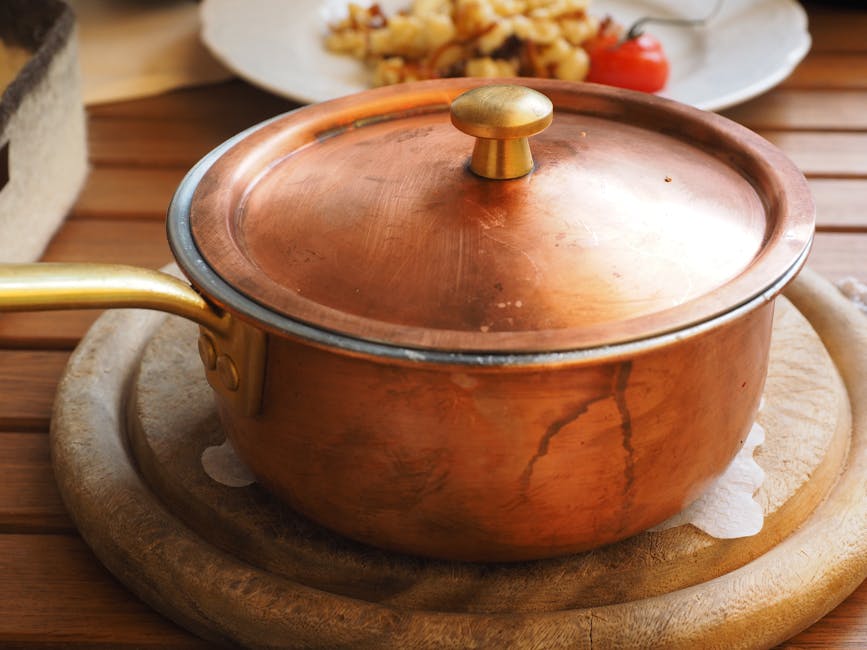
Hard anodized cookware is made from aluminum. This material undergoes an electrochemical process. The process increases the metal's durability. It creates a hard, non-reactive surface. This surface resists scratching and corrosion. It doesn't leach into food. The cookware remains stable at high temperatures. Aluminum is lightweight and conducts heat well. This ensures even cooking. Hard anodized cookware is robust. Many chefs trust its reliability.
Non-toxic Coating
The coating is key to its safety. Hard anodized cookware often has a ceramic coating. This coating is non-toxic and eco-friendly. It doesn't contain harmful chemicals like PFOA or PTFE. These chemicals are common in non-stick cookware. The ceramic layer prevents food sticking. It makes cleaning easier. The surface is smooth and scratch-resistant. It maintains its integrity over time. The non-toxic coating enhances safety. It ensures peace of mind while cooking.
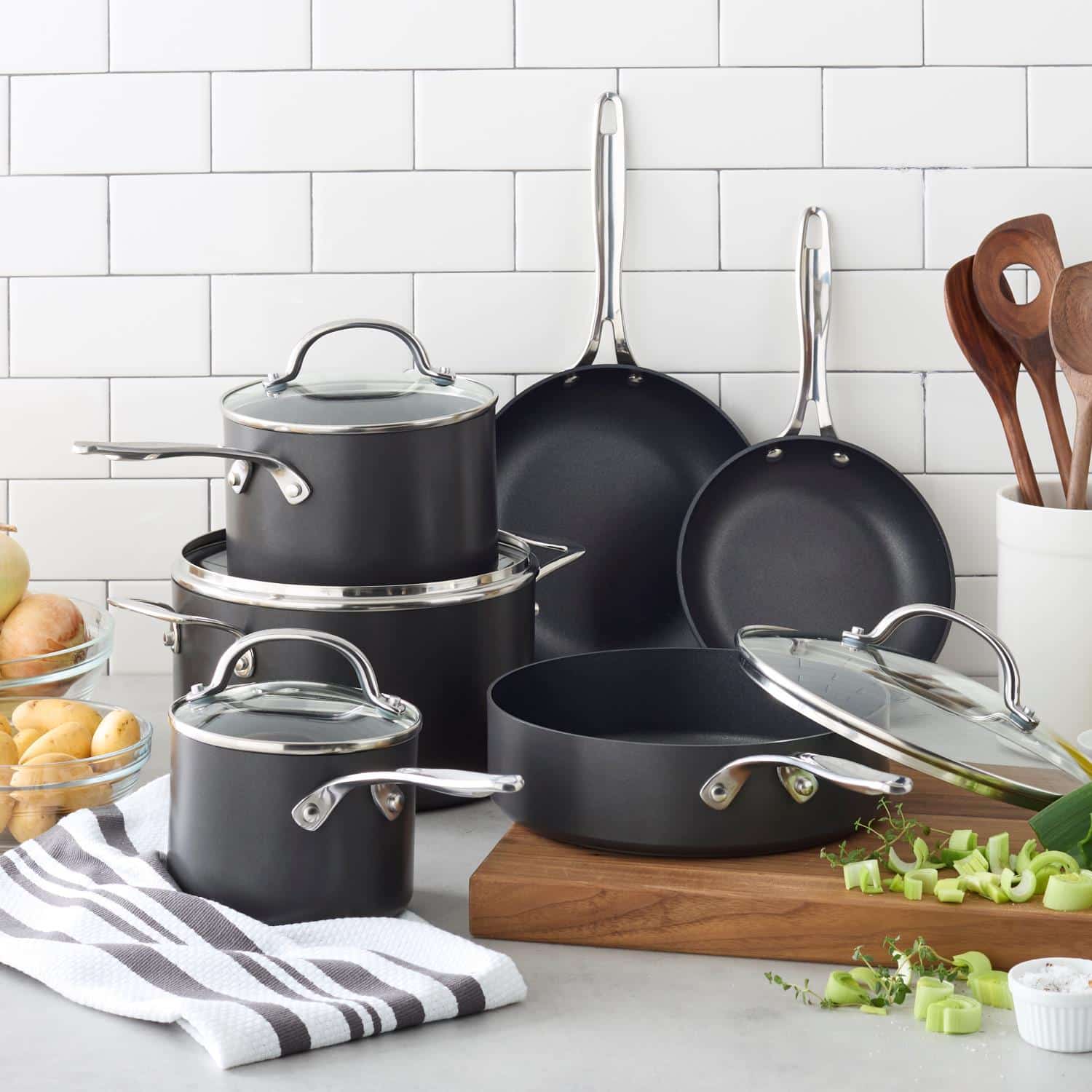
Credit: learn.surlatable.com
Advantages Of Ceramic Cookware
Ceramic cookware offers a healthier cooking option with its non-toxic surface, ensuring food safety. Hard anodized ceramic is durable, distributing heat evenly for perfect meals. Easy cleaning and scratch resistance make it a practical choice for every kitchen.
Ceramic cookware has gained popularity for its appealing aesthetics and practical advantages. Whether you're a seasoned chef or a cooking enthusiast, the benefits of using ceramic cookware can make a noticeable difference in your kitchen. From excellent heat distribution to exceptional durability, ceramic cookware offers features that make it a worthy addition to your culinary arsenal.
Heat Distribution
Ceramic cookware is praised for its ability to distribute heat evenly. This means your food cooks consistently, reducing the risk of burning or undercooking. Imagine preparing a delicate sauce or fluffy pancakes—ceramic ensures every part of the pan heats up uniformly. Your dishes turn out perfectly cooked, every time. This consistent heat distribution is particularly beneficial when you're multitasking in the kitchen. You don't have to constantly adjust the heat, allowing you to focus on other cooking tasks.
Durability
Ceramic cookware is renowned for its durability. It can withstand high temperatures and heavy use without losing its integrity. The robust surface of ceramic pots and pans resists scratches and wear. Even if you use metal utensils, your cookware remains pristine. Think about your busy kitchen—durability means fewer replacements. You invest once and enjoy long-lasting performance, saving money and reducing waste. Ceramic cookware also has a non-stick surface that doesn't peel or flake, even after years of use. You can cook with confidence, knowing your cookware will stand the test of time. --- Have you ever wondered why some pots and pans seem to last forever while others barely survive a year? With ceramic cookware, your kitchen equipment becomes a reliable partner, ready to handle any cooking challenge.
Potential Risks
Hard anodized ceramic cookware is popular for its non-stick properties. Yet, some risks may concern users. It's essential to know these potential risks. This will help make informed decisions.
Chemical Leaching
Hard anodized cookware has an aluminum base. Some fear aluminum leaching into food. The anodizing process creates a protective layer. This layer reduces the risk of leaching. Yet, damage to the surface can compromise this layer. Cookware with a damaged surface may allow chemicals to seep into food. This is a risk to consider.
Surface Damage
Hard anodized ceramic cookware can get scratched. Sharp utensils can cause this. Over time, scratches affect the cookware's performance. A scratched surface can also lead to chemical exposure. It affects the safety of your meals. Avoid using metal utensils. Use wooden or silicone ones instead.
Comparing Cookware Options
Choosing the right cookware can feel like a daunting task. With so many materials and brands out there, how do you decide what's best for your kitchen? In this section, we’ll compare some popular options to help you make an informed choice that suits your cooking style and needs.
Hard Anodized Vs. Nonstick
Hard anodized cookware is known for its durability and even heat distribution. It offers a nonstick surface without the chemical coatings found in traditional nonstick pans. This makes it a safer option if you're concerned about potential toxins.
Nonstick cookware, on the other hand, is beloved for its ease of use and clean-up. It requires less oil, which can be a healthier choice. However, it can scratch easily and may release harmful chemicals if overheated.
Consider how often you cook and the types of dishes you prepare. Would a long-lasting, slightly more expensive option like hard anodized save you money in the long run? Or do you prefer the convenience of nonstick, even if it means replacing them more frequently?
Ceramic Vs. Stainless Steel
Ceramic cookware is often touted for being environmentally friendly. It's free from harmful chemicals and is quite attractive with its array of colors. Yet, it can chip easily and may not last as long as other options.
Stainless steel is a powerhouse in the kitchen. It's incredibly durable and can handle high heat, making it perfect for searing meats. But, it can be sticky, requiring more oil or butter to prevent food from sticking.
Do you value aesthetics and health benefits of ceramic, or the robustness and versatility of stainless steel? Think about your cooking habits and what you prioritize in your kitchen.
Ultimately, the right cookware depends on your individual needs and cooking habits. Have you ever considered mixing different types of cookware to get the best of all worlds?
Expert Opinions
Expert opinions often provide clarity on cookware safety and performance. Hard anodized ceramic cookware combines durability with non-stick features. But is it truly safe for everyday use? Let's explore expert insights into health safety assessments and cooking performance reviews.
Health Safety Assessments
Health professionals often evaluate cookware for potential hazards. Hard anodized ceramic cookware is generally considered safe. Experts note that it lacks harmful chemicals like PFOA and PTFE. This makes it a popular choice for health-conscious families.
Some experts emphasize proper use to maintain safety. Avoiding high temperatures and using wooden utensils can prolong its life. Overall, experts agree that it poses minimal health risks.
Cooking Performance Reviews
Chefs and cooking enthusiasts often assess cookware performance. Hard anodized ceramic cookware receives praise for even heat distribution. This ensures food cooks evenly, enhancing taste and texture.
Users appreciate its non-stick surface, which requires less oil. This feature supports healthier cooking methods. Experts also value its durability, noting it withstands daily use without degrading.
Overall, the cookware offers reliable performance for various cooking needs. Experts recommend it for both amateur cooks and seasoned chefs.
Maintenance Tips
Hard anodized ceramic cookware offers safe cooking with its non-stick surface and durability. Regular cleaning and avoiding harsh abrasives preserve its quality. Using low to medium heat helps maintain the coating, ensuring safe and efficient cooking.
Maintaining your hard anodized ceramic cookware can ensure its longevity and safety. This type of cookware is known for its durability and non-stick properties, but proper care is crucial. By following a few simple maintenance tips, you can keep your cookware in top shape and enjoy cooking with it for years to come.
Cleaning Techniques
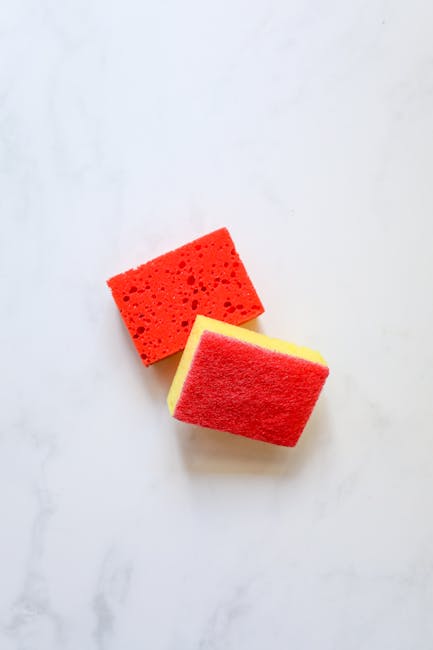
Cleaning your hard anodized ceramic cookware might seem daunting, but it's quite simple. Avoid using abrasive sponges. They can scratch the surface, diminishing its non-stick properties. Instead, use a soft sponge or cloth with mild dish soap. Warm water is your best friend when cleaning. Let your cookware cool before washing to prevent warping. Have you ever ruined a pan by washing it while hot? Let it cool down first. Tough stains? Soak the pan in warm, soapy water for 15 minutes. This will loosen any stubborn residue, making it easier to clean. Resist the urge to scrub aggressively.
Storage Recommendations
Storing your cookware properly is crucial for maintaining its quality. Stack pans with care to avoid scratching the surface. Consider placing a soft cloth or paper towel between them. Do you often find your kitchen cabinets a mess? Organize your cookware by size and frequency of use. This makes it easier to grab what you need without causing damage. Hanging your cookware is another great storage option. It saves space and prevents the risk of scratches. If you have the space, this method also adds a professional touch to your kitchen decor. Remember, taking a little extra time to care for your cookware can make all the difference. Your investment in quality kitchen tools will pay off in the long run with these simple maintenance tips.
Consumer Feedback
Consumer feedback offers valuable insights into the safety of hard anodized ceramic cookware. Many users share their experiences and opinions, helping potential buyers make informed decisions. These reviews reveal the pros and cons, providing a clearer picture of the product's performance.
User Experiences
Many users find hard anodized ceramic cookware durable and non-stick. They praise its easy cleanup and even heat distribution. Users often mention the cookware's sleek design and lightweight nature. Some appreciate its ability to handle high temperatures without warping.
However, a few users report challenges. Some notice the non-stick surface fading over time. Others experience scratching if metal utensils are used. Yet, most agree that with proper care, the cookware performs well.
Long-term Usability
Long-term usability varies among users. Many report satisfaction after years of regular use. They note the cookware retains its appearance and functionality. Regular maintenance enhances its lifespan.
Some users suggest avoiding dishwashers to maintain the coating. Hand washing with mild detergent is often recommended. This practice helps preserve the non-stick layer and ensures longevity.
Overall, consumer feedback highlights the importance of following care instructions. Doing so can maximize the cookware's performance and durability.

Credit: www.amazon.com

Credit: prudentreviews.com
Frequently Asked Questions
What Is Hard Anodized Ceramic Cookware?
Hard anodized ceramic cookware is made by electrochemically treating aluminum. This process increases durability and resistance to scratches. The ceramic coating provides a non-stick surface, allowing for healthier cooking. It is popular for its even heat distribution and ease of cleaning, making it a favorite among home cooks.
Is Hard Anodized Cookware Safe For Health?
Yes, hard anodized cookware is generally considered safe. The anodization process seals the aluminum, preventing leaching into food. The ceramic coating is free from harmful chemicals like PTFE and PFOA. Always use cookware as instructed to ensure safety and longevity for your kitchen tools.
Does Ceramic Coating Wear Off Quickly?
Ceramic coatings can wear off over time, especially with improper use. Avoid using metal utensils to prevent scratches. Regularly check for chips or peeling. Proper care, such as using gentle cleaning methods, extends the lifespan of ceramic-coated cookware. Always follow manufacturer guidelines for best results.
How Do You Clean Hard Anodized Cookware?
Clean hard anodized cookware with warm, soapy water and a soft sponge. Avoid abrasive cleaners and pads to prevent damage. For stubborn residue, soak the cookware before cleaning. Regular maintenance helps preserve the non-stick surface. Hand washing is recommended over dishwasher use to maintain the coating's integrity.
Conclusion
Choosing hard anodized ceramic cookware can be a good decision. It's durable and offers even heat distribution. Safety is a common concern for many users. This cookware type generally poses no risk when used properly. Avoid high heat and metal utensils to prolong its life.
Regular cleaning helps maintain its non-stick surface. Always check for scratches or damage. A little care ensures years of safe cooking. Ultimately, it's a blend of benefits and responsibilities. Make informed decisions for your kitchen needs. Keep safety and maintenance in mind for best results.