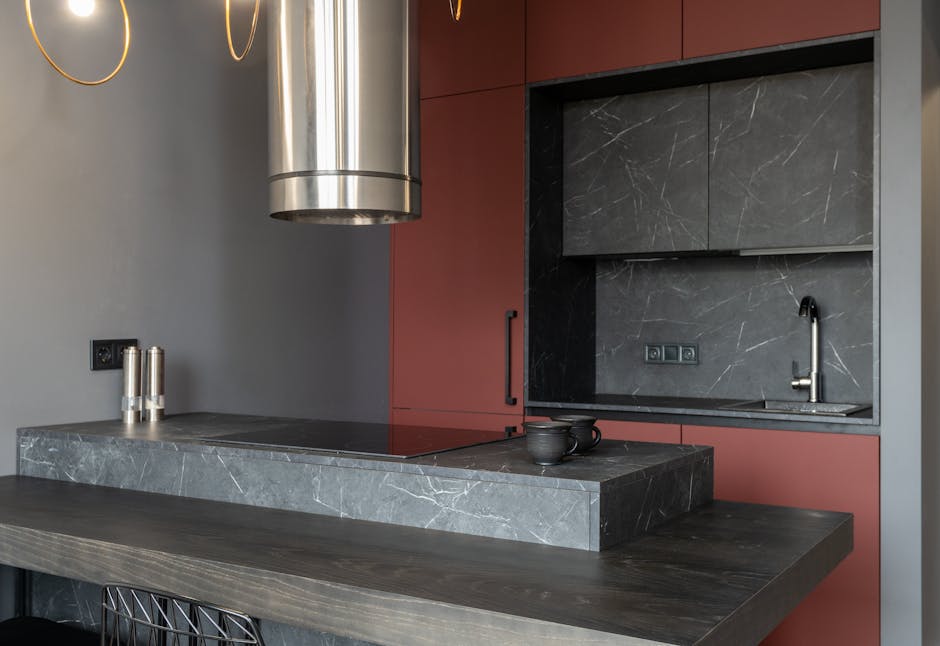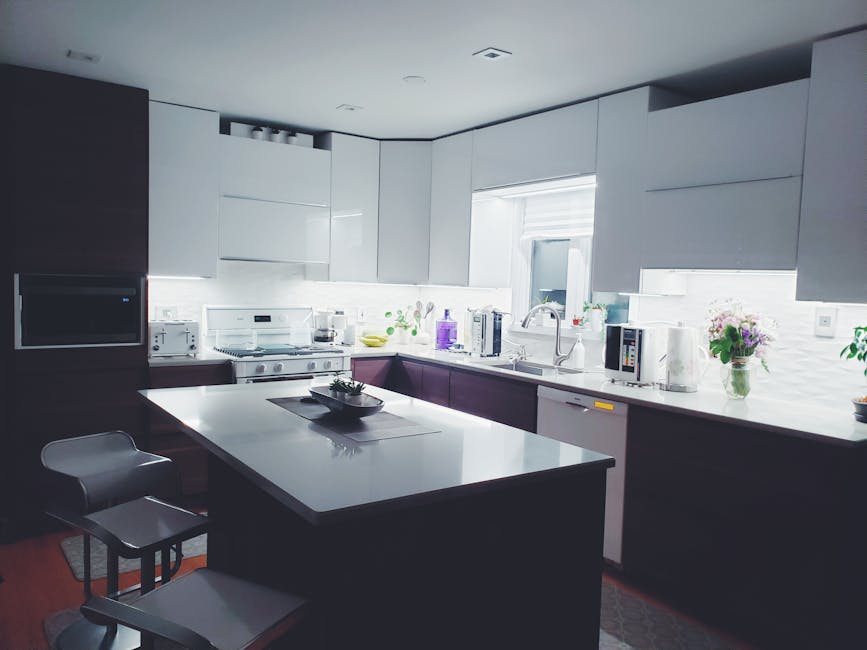

Imagine stepping into your kitchen and feeling like you've entered a space that not only meets your culinary needs but also exudes warmth, style, and functionality. That's the magic of a well-designed kitchen lighting plan.
Whether you're chopping vegetables, reading a recipe, or hosting friends, the right lighting can transform your kitchen into a vibrant hub of activity. But how do you achieve that perfect balance between aesthetics and practicality? In this guide, you'll discover the secrets to designing a kitchen lighting plan that not only illuminates your space but also enhances its overall appeal.
We'll walk you through simple steps and expert tips that make the process easy and enjoyable. So, if you're ready to light up your kitchen like never before, keep reading. Your dream kitchen is just a few clicks away!

Credit: www.toulmincabinetry.com
Assessing Your Kitchen Space
Designing a kitchen lighting plan starts with understanding your space. Proper lighting enhances functionality and ambiance. Begin by assessing your kitchen space. This includes evaluating layout, size, and functional zones. Each aspect influences your lighting choices.
Evaluating Layout And Size
Consider your kitchen's layout and size first. Is it a galley, L-shaped, or open plan? Each layout has unique lighting needs. A galley kitchen may need focused lighting along countertops. An open plan may require varied lighting across zones. Measure your space to identify areas needing illumination. Larger kitchens might need more fixtures for adequate lighting. Smaller kitchens benefit from well-placed lights to avoid clutter.
Determining Functional Zones
Identify the functional zones within your kitchen. These zones include cooking, prep, and dining areas. Each zone requires specific lighting types. Task lighting suits cooking and prep zones. Ambient lighting enhances dining and social areas. Consider adding accent lighting for decorative elements. Each light type serves a unique purpose. Proper placement ensures efficiency and comfort in every zone.
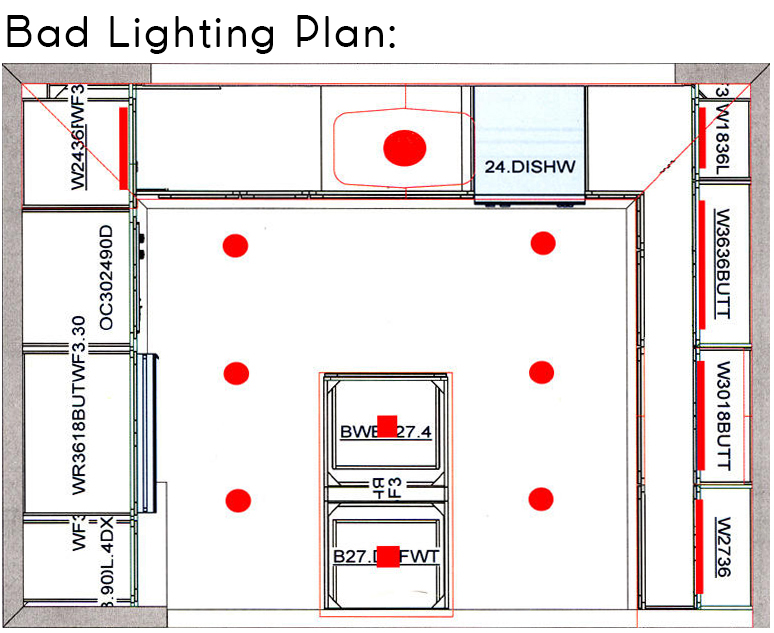
Credit: mosaicdesignbuild.com
Types Of Kitchen Lighting
Designing the perfect kitchen lighting plan involves more than just picking fixtures. Different types of lighting serve unique purposes in the kitchen. Understanding these types helps create a space that’s functional and inviting. This section explores the primary categories of kitchen lighting: ambient, task, and accent.
Ambient Lighting Options
Ambient lighting fills the kitchen with a warm glow. It sets the overall tone and brightness. Ceiling fixtures are common choices for ambient lighting. Pendant lights can add style while lighting the space. Recessed lights are perfect for modern kitchens. They offer subtle lighting without bulky fixtures. Consider dimmable options for flexible brightness levels.
Task Lighting Essentials
Task lighting focuses on specific areas needing bright light. Under-cabinet lights illuminate counters for food prep. They reduce shadows and improve visibility. Pendant lights above islands offer direct lighting for tasks. Choose fixtures with adjustable angles for precision. Task lighting ensures safety and efficiency during cooking.
Accent Lighting Choices
Accent lighting highlights the kitchen’s features. It brings attention to decor elements. Wall-mounted fixtures can spotlight art pieces. LED strips under shelves add a modern touch. These lights create depth and interest. Accent lighting enhances the kitchen’s aesthetic appeal. Use it to highlight unique architectural details.
Choosing Light Fixtures
Designing your kitchen lighting plan involves more than just picking bulbs. The right fixtures create a warm and inviting space. They enhance functionality and style.
Consider different types of light fixtures. Each serves a unique purpose and adds character.
Pendant Lights
Pendant lights are a popular choice for kitchens. They hang from the ceiling and provide focused light. Perfect for illuminating dining areas or islands.
Choose pendants with adjustable heights for versatility. They come in many designs. From sleek modern to vintage styles. Find one that matches your kitchen theme.
Under-cabinet Lighting
Under-cabinet lighting brightens countertops. It reduces shadows and highlights workspaces. Ideal for meal prep and cooking.
LED strips are energy-efficient options. They offer long-lasting light without high energy use. Easy to install and maintain.
Recessed Lighting
Recessed lights fit into the ceiling. They provide a clean and uncluttered look. Great for general lighting throughout the kitchen.
Space them evenly for balanced light distribution. Use dimmable bulbs for flexible ambiance. Adjust brightness as needed.
Incorporating Natural Light
Designing a kitchen lighting plan benefits from incorporating natural light. It enhances visibility and creates a welcoming atmosphere. Position windows strategically to maximize sunlight throughout the day.
Designing a kitchen lighting plan can transform the heart of your home into a vibrant and functional space. One key aspect of this plan is using natural light effectively. Natural light not only makes your kitchen feel more open and inviting, but it can also save on energy costs. By thoughtfully integrating natural light, you can create a warm and welcoming atmosphere. Here’s how you can make the most out of the natural light in your kitchen.
Maximizing Window Use
Windows are your best friend when it comes to bringing natural light into your kitchen. Consider the size and placement of your windows. Large windows positioned strategically can flood your kitchen with sunlight. If you're planning renovations, think about adding more windows or enlarging existing ones. Even a small window above the sink can make dishwashing a more pleasant task. Remember, the goal is to let in as much natural light as possible without compromising privacy. In my own kitchen, I swapped heavy curtains for sheer ones. This simple change brightened the space significantly. Have you considered how your window treatments might be affecting your kitchen’s light?
Reflective Surfaces
Reflective surfaces can amplify the natural light in your kitchen. They bounce sunlight around, making the room feel brighter and more expansive. Consider using glossy tiles or a polished countertop. These surfaces reflect light beautifully, adding a touch of elegance to your kitchen. Mirrors are another excellent option. Placing a mirror opposite a window can double the amount of natural light in your space. A friend of mine added a mirrored backsplash, and it made her small kitchen feel much larger. Have you thought about how reflective surfaces could transform your kitchen? Natural light can be a game-changer in kitchen design. By maximizing window use and incorporating reflective surfaces, you’ll create a bright and inviting space. How will you harness the power of natural light in your kitchen?
Energy Efficiency In Lighting
Create a cozy kitchen with an energy-efficient lighting plan. Mix task, ambient, and accent lights. Choose LED bulbs to save energy and reduce costs.
Designing a kitchen lighting plan with energy efficiency in mind is not just about reducing your electricity bill. It's about making smart choices that enhance your kitchen's functionality and ambiance. With modern technology, you can create an efficient and beautifully lit space that caters to your cooking and entertaining needs. Let's explore some practical ways to achieve energy-efficient kitchen lighting.
Led Lighting Benefits
LED lights are a game-changer in energy efficiency. They consume up to 75% less energy than traditional incandescent bulbs and last significantly longer. This means fewer replacements and less waste, saving you money and reducing environmental impact. LED lights also offer a range of color temperatures, allowing you to customize the mood of your kitchen. Whether you need bright, white light for food prep or warm, ambient lighting for dining, LED options are versatile. Plus, they emit less heat, keeping your kitchen cooler. When I switched to LEDs in my kitchen, I noticed an immediate drop in my energy bill. The brightness was impressive, and I could adjust the lighting as needed. Have you considered how much you could save by making the switch?
Smart Lighting Systems
Smart lighting systems take energy efficiency to the next level. These systems allow you to control your kitchen lights through a smartphone app or voice commands. You can easily schedule lights to turn off when not needed, reducing energy waste. Smart systems often include features like motion detection and dimming options. Motion sensors can automatically switch off lights when no one is in the room. Dimming capabilities let you adjust light levels based on your activities, conserving energy without sacrificing comfort. Imagine walking into your kitchen with your hands full and having the lights turn on automatically. It’s convenient and energy-efficient. Are you ready to experience the ease and savings of smart lighting? By focusing on these energy-efficient options, you're not only being kind to the environment but also to your wallet. What steps will you take to transform your kitchen lighting plan?
Design Tips And Trends
Illuminate your kitchen with a well-thought-out lighting plan. Focus on layering lights to create functional and cozy spaces. Consider task lighting for work areas and ambient lighting for a warm atmosphere.
Designing a kitchen lighting plan is more than just picking out a few bulbs and fixtures. It's about creating a space that's both functional and inviting. The right lighting can enhance your kitchen's design and make every meal preparation a pleasure. From the perfect color temperature to blending modern and classic styles, there are key tips and trends to consider. Let’s dive into some practical insights that can elevate your kitchen lighting game.
Color Temperature Considerations
Choosing the right color temperature is crucial. It affects how your food looks, your mood, and even your energy levels. Cool tones, like bright white or daylight, can make your kitchen feel fresh and clean. They're perfect for task lighting over countertops where you need clarity. Warm tones, on the other hand, create a cozy atmosphere. They're ideal for dining areas or places where you want to relax. Mixing both can balance functionality and comfort. Think about adding cool lights for tasks and warm lights for ambiance.
Modern And Classic Styles
Your kitchen lighting should reflect your personal style. Are you drawn to sleek, modern designs or timeless classics? Modern styles often feature clean lines and innovative materials, like LED strips under cabinets or pendant lights with metallic finishes. They can add a touch of sophistication and efficiency. Classic styles bring warmth and charm. Chandeliers or vintage-inspired fixtures can evoke nostalgia and elegance, perfect for traditional kitchens. Combining elements from both styles can be striking. Imagine a modern kitchen island with a classic chandelier overhead. It's all about finding harmony in diversity. Have you considered how your kitchen lighting affects your daily routine? What style speaks to you most?
Safety And Compliance
Creating a kitchen lighting plan requires careful consideration of safety and compliance. Ensure lights are properly placed to avoid shadows and provide adequate illumination. Choose fixtures that meet safety standards to prevent electrical hazards and ensure a well-lit, functional space.
Designing a kitchen lighting plan involves more than just aesthetics. Safety and compliance are paramount to ensure your kitchen not only looks good but is a secure space. A well-lit kitchen enhances functionality, but a poorly executed lighting plan can lead to hazards. Understanding electrical safety standards and proper installation techniques can make all the difference in creating a safe environment. Have you ever wondered if your kitchen lighting is up to code?
Electrical Safety Standards
Every kitchen lighting plan should adhere to electrical safety standards to prevent accidents. These standards help ensure that your lighting fixtures and wiring are safe for daily use. Consider the type of bulbs and fixtures that meet safety requirements. LED lights are energy-efficient and have a lower risk of overheating compared to incandescent bulbs. Make sure your fixtures are certified and designed for kitchen environments, where moisture and heat are common. A personal experience taught me the importance of checking for certifications. I once installed a stylish light fixture only to find it wasn't rated for damp areas. This oversight could have led to electrical problems. Always double-check the specifications when choosing lighting.
Proper Installation Techniques
Proper installation is crucial for both safety and longevity of your kitchen lighting. Incorrect installation can lead to flickering lights or even electrical fires. Always hire a qualified electrician for installing your lighting fixtures. They have the expertise to handle wiring safely and ensure compliance with local codes. If you're a DIY enthusiast, double-check your wiring connections and use insulated tools to prevent shocks. When I tried installing a pendant light myself, I realized the importance of following installation guidelines. I had to redo the wiring after noticing a flicker due to loose connections. This taught me that proper installation isn't just about following steps—it's about precision and care. --- Safety and compliance in kitchen lighting are not optional—they are essential. Are you confident that your kitchen lighting plan meets safety standards? If not, it might be time to reassess your approach to ensure a safe and compliant kitchen environment.

Credit: www.pinterest.com
Frequently Asked Questions
What Are Key Factors In Kitchen Lighting Design?
Key factors include functionality, aesthetics, and energy efficiency. Consider task lighting for work areas, ambient lighting for overall illumination, and accent lighting for visual interest. Use dimmable lights for flexibility. Choose energy-efficient LEDs for sustainability. Proper lighting enhances kitchen functionality and atmosphere.
How Many Lights Do I Need In My Kitchen?
The number of lights depends on kitchen size and layout. Generally, a combination of task, ambient, and accent lighting is ideal. Ensure even illumination by placing lights over work areas, dining spaces, and cabinets. Consulting a lighting designer can help determine the exact number needed for your specific kitchen.
What Is The Best Type Of Lighting For Kitchens?
LED lights are the best for kitchens. They are energy-efficient, long-lasting, and provide excellent brightness. Use a combination of task, ambient, and accent lighting for a balanced effect. LEDs also offer various color temperatures, allowing you to choose between warm, neutral, or cool tones to suit your kitchen's style.
How Can I Make My Kitchen Lighting Energy-efficient?
To enhance energy efficiency, use LED bulbs, which consume less power and last longer. Install dimmer switches to adjust light levels based on needs. Incorporate natural light through windows or skylights to reduce artificial lighting. Regularly clean fixtures to maintain brightness and replace old bulbs with energy-efficient ones.
Conclusion
Creating an effective kitchen lighting plan is essential. It enhances functionality and style. Start with task lighting for work areas. Add ambient lighting for overall brightness. Accent lights can highlight features. Balance is key for a welcoming atmosphere. Use energy-efficient bulbs to save costs.
Consider dimmers for flexible lighting moods. Plan carefully to suit your needs and preferences. Consult professionals if uncertain. A well-lit kitchen transforms cooking into a joyful experience. Invest time in planning for a beautiful, functional space.