
When it comes to maximizing space and functionality in your home, the L-shaped kitchen design is a game-changer. Imagine walking into your kitchen and everything you need is within arm's reach, yet the space feels open and welcoming.
Sounds perfect, right? If you’ve ever felt frustrated by your current kitchen layout or struggled to find room for all your cooking gadgets, you’re not alone. With the right design, your kitchen can transform into a space that not only meets your needs but also enhances your culinary creativity.
In this guide, you’ll discover how to design an L-shaped kitchen that perfectly fits your lifestyle and unlocks the full potential of your home. So, are you ready to turn your kitchen dreams into reality? Let’s dive in and explore the secrets to creating a kitchen that’s both beautiful and functional.
Benefits Of L-shaped Kitchens
The L-shaped kitchen design has gained popularity for its unique benefits. This layout provides a smart use of space and enhances kitchen functionality. An L-shaped kitchen consists of two adjacent walls. It creates an open and efficient work area. This design suits small and large kitchens alike. Let's explore the advantages of L-shaped kitchens.
Space Efficiency
L-shaped kitchens maximize available space. They fit snugly into corners. This layout opens up the rest of the room. It offers a spacious feel without clutter. The design allows for additional storage. Cabinets can be placed on both walls. This increases storage options without compromising space. It keeps the kitchen organized and tidy.
Functionality
An L-shaped kitchen enhances functionality. It creates a natural work triangle. This arrangement connects the sink, stove, and refrigerator. Cooking becomes more convenient with this setup. Movement is seamless between tasks. The design reduces unnecessary steps. It makes meal preparation faster and more efficient. An L-shaped kitchen supports multitasking. Multiple people can work together comfortably. It offers ample countertop space for various activities.
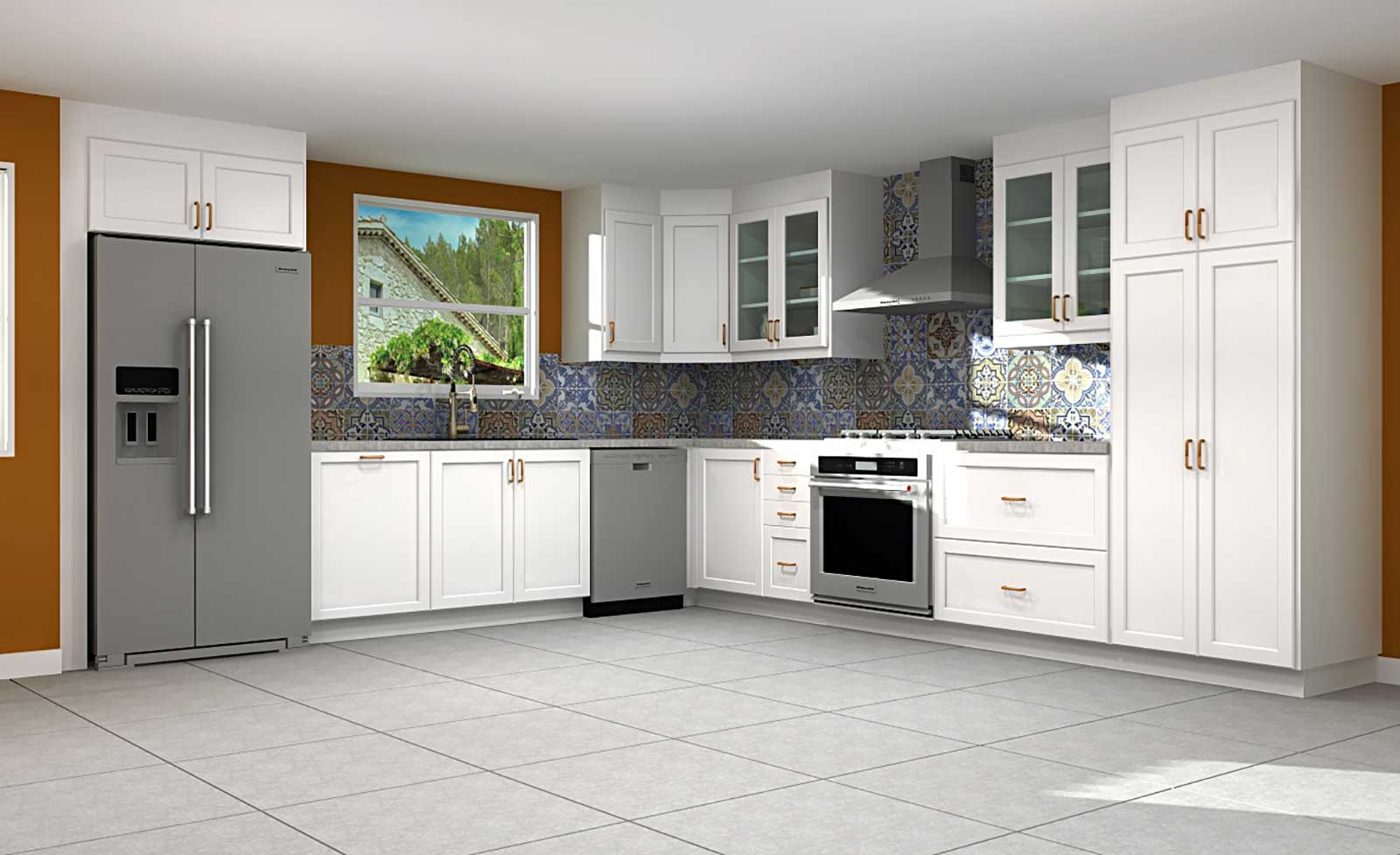
Credit: inspiredkitchendesign.com
Planning The Layout
Designing an L-shaped kitchen requires careful planning of the layout. The layout determines the efficiency and flow of your kitchen. A well-planned kitchen enhances cooking and interaction. This section will guide you in planning the layout. Let's explore how to make the most of your space.
Assessing Space
First, assess the available space in your kitchen. Measure the dimensions and note any architectural features. Consider windows, doors, and power outlets. These elements influence the placement of appliances and cabinets. Visualize the kitchen in its entirety. This helps in determining the best use of space.
Workflow Optimization
Optimize the workflow by considering the kitchen triangle. This involves the sink, stove, and refrigerator. Ensure these elements are easily accessible to each other. This minimizes movement and saves time. Create a balance between storage and counter space. Prioritize functionality over aesthetics.
Choosing Materials And Finishes
Choosing the right materials and finishes can transform your L-shaped kitchen. The right choices make the space inviting and functional. They also add value to your home. Consider durability and style when selecting materials.
Countertops
Countertops anchor your kitchen design. Granite offers durability and elegance. It resists heat and scratches. Quartz is a low-maintenance choice. It provides a modern look with many colors. Laminate is budget-friendly and versatile. Its patterns mimic natural stone or wood.
Cabinetry Options
Cabinetry defines the kitchen's personality. Solid wood cabinets are classic and long-lasting. They can be painted or stained. MDF cabinets are cost-effective and smooth. They hold paint well, offering a sleek finish. Choose glass-front cabinets for a modern touch. They add depth and showcase your dishes.
Incorporating Storage Solutions
Designing an L-shaped kitchen offers unique challenges and opportunities. One key area to focus on is incorporating effective storage solutions. Proper storage can transform your kitchen into a functional and organized space. By optimizing storage, you can create a kitchen that meets your needs while maintaining a sleek appearance.
Maximizing Cabinet Space
Cabinets are the backbone of kitchen storage. In an L-shaped kitchen, utilize both walls for cabinets. Consider installing tall cabinets to the ceiling. This provides extra storage for rarely used items. Use pull-out shelves and lazy susans for easy access. They make corners functional and reduce wasted space. Adjustable shelves allow customization for different items. It helps keep everything organized and within reach.
Innovative Shelving
Shelving adds style and function to your kitchen. Open shelves can display beautiful dishes and glassware. They also make items easy to grab when cooking. Use floating shelves to create a modern look. Install them on empty walls for extra storage. Corner shelves can utilize awkward spaces effectively. Consider adding hooks under shelves for cups or utensils. This keeps counters clear and organized.
Lighting Considerations
Optimal lighting elevates the functionality and ambiance of an L-shaped kitchen. Bright overhead lights illuminate cooking areas. Under-cabinet lighting adds depth and highlights countertops.
Designing an L-shaped kitchen is an exciting endeavor, but don’t overlook lighting. Proper lighting can transform your kitchen from a dim, uninviting space into a vibrant and functional environment. Whether you’re cooking up a storm or enjoying a quiet meal, the right lighting can enhance your kitchen experience. Let’s explore how you can make the most of lighting in your L-shaped kitchen.
Ambient Lighting
Ambient lighting sets the mood. It fills the room with a gentle glow, making it feel warm and welcoming. Think of it as the foundation of your kitchen’s lighting plan. You might use recessed lights or a central pendant light to achieve this effect. When I redesigned my kitchen, adding dimmable ceiling lights was a game-changer. They allowed me to adjust the brightness based on the time of day or occasion. Wouldn’t you love that flexibility in your kitchen?
Task Lighting
Task lighting is all about functionality. It focuses light on specific areas where you perform tasks, like chopping vegetables or reading recipes. Under-cabinet lighting is a popular choice because it directly illuminates countertops. During my kitchen remodel, I added LED strips under the cabinets. It made cooking more enjoyable by reducing shadows. Have you ever found yourself squinting in poorly lit spaces? Task lighting helps you avoid that hassle. When designing your L-shaped kitchen, consider how lighting can impact your daily routines. Good lighting not only adds beauty but also enhances functionality. What other lighting techniques have you found useful in your kitchen?
Color And Aesthetic Choices
Designing an L-shaped kitchen involves choosing colors that enhance space and aesthetics. Light shades make the room feel larger, while bold accents add personality. Complementary colors create harmony, making your kitchen inviting and functional.
Designing an L-shaped kitchen provides a unique opportunity to express your style through color and aesthetics. The right choices can not only enhance the functionality of your kitchen but also make it a welcoming space for family and friends. It’s about balancing practicality with beauty, creating an environment that inspires you every time you step in to prepare a meal.
Color Palette Ideas
Choosing the right color palette is crucial to setting the tone of your L-shaped kitchen. You might consider soft, neutral tones like whites, creams, and grays for a classic look. These colors can make your space feel larger and more open. If you prefer a bold statement, you might go with deep blues or rich greens. These shades can add depth and character, creating a cozy atmosphere. A friend of mine painted her L-shaped kitchen in navy blue, and it transformed the space into an elegant hub for evening gatherings. Consider using a two-tone palette to create visual interest. For example, light upper cabinets paired with darker lower ones can draw the eye and add dimension to your kitchen. What colors make you feel most at home?
Decorative Accents
Once you have your color palette, think about decorative accents that complement it. Cabinet hardware, like handles and knobs, can be small but impactful. Opt for materials like brushed nickel or matte black to add a modern touch. Backsplashes offer another opportunity to introduce color and texture. A mosaic tile backsplash can add an artistic flair and become a focal point in your kitchen. You could also consider a subway tile for a timeless look that blends with various styles. Don’t forget about lighting fixtures. Pendant lights over a counter or island can add a stylish element while providing essential illumination. One clever idea is to match the light fixtures with your cabinet hardware for a cohesive look. Have you ever noticed how lighting can completely change the mood of a room? Adding plants or fresh flowers can instantly brighten your kitchen. They bring a touch of nature and can be an easy way to incorporate seasonal colors. What small accents could make your kitchen truly yours? By carefully considering your color and aesthetic choices, you can create an L-shaped kitchen that’s not only functional but also a joy to cook and entertain in.
Integrating Appliances
Designing an L-shaped kitchen involves smart appliance integration. Place the refrigerator at one end for easy access. Arrange stove and sink along the main counter, optimizing workflow and space.
Designing an L-shaped kitchen can be both exciting and challenging, especially when it comes to integrating appliances seamlessly into the layout. The key is to ensure that each appliance not only fits within the design but also enhances the kitchen’s functionality. With the right strategy, you can create a kitchen that's both beautiful and efficient.
Selecting Appliances
Choosing the right appliances is crucial for an L-shaped kitchen. Start by considering your cooking habits and lifestyle. Do you need a high-tech oven or will a simple model do the job? Consider the size of your kitchen. A large refrigerator might look impressive but could overwhelm a smaller space. Look for appliances that offer the features you need without taking up unnecessary room. Energy efficiency is another important factor. Opt for appliances with good energy ratings to save on your electricity bills. Plus, they’re better for the environment—a win-win for everyone.
Placement Strategy
Strategic placement of appliances can maximize your kitchen’s functionality. Think about the kitchen work triangle—sink, stove, and refrigerator. This concept helps in placing appliances in a way that minimizes movement and maximizes efficiency. Position your stove and sink on the longer side of the L-shape to create a natural flow. This setup allows you to move easily between cleaning, prepping, and cooking. Use corners wisely. Install pull-out shelves or lazy Susans to utilize these often-wasted spaces. For instance, placing the dishwasher near the sink makes cleanup quicker and easier. Consider your daily routine. Do you enjoy morning coffee? Place the coffee maker near the fridge for easy access to milk. This simple thought can save you time and make your kitchen experience more enjoyable. Remember, the ultimate goal is to create a kitchen that feels intuitive. When your appliances are well-integrated, your kitchen becomes a joy to use. How will you arrange your L-shaped kitchen to suit your lifestyle?
:max_bytes(150000):strip_icc()/L-Shape-56a2ae3f5f9b58b7d0cd5737.jpg)
Credit: www.thoughtco.com
Creating A Dining Area
Designing an L-shaped kitchen involves optimizing space by placing counters along two connecting walls. Create a dining area by utilizing the open corner for a compact table setup. This layout promotes efficient workflow and a cozy eating space.
Creating a dining area in an L-shaped kitchen can be both practical and stylish. The unique layout offers a fantastic opportunity to add a cozy spot for meals without interrupting the flow of your kitchen. Imagine enjoying breakfast with your family in a space that feels just right. Let’s dive into how you can make this dining area work beautifully with the existing kitchen design.
Space-saving Dining
Maximize the available space by choosing compact and multifunctional furniture. A foldable table or a drop-leaf table can be perfect for a small family. Try using benches that tuck neatly under the table when not in use. This keeps the area open for foot traffic and makes the space feel less cramped. Wall-mounted tables are another excellent option if you're really tight on space. They can be folded up when not needed, freeing up valuable kitchen area.
Design Integration
Ensure your dining area complements the overall kitchen design. If your kitchen features sleek, modern lines, opt for dining furniture that echoes this aesthetic. You can choose chairs with similar material or color as your kitchen cabinets. This creates a harmonious look and ties the dining and cooking areas together. Lighting plays a crucial role in design integration. Pendant lights above the dining table can create a focal point and add a touch of elegance. Think about how you use your kitchen. Do you often have family gatherings or prefer quiet dinners? Your lifestyle should guide your design choices, ensuring the dining space feels personal and functional. Creating a dining area in your L-shaped kitchen is not just about having a place to eat. It's about enhancing your kitchen’s functionality and style, all while making sure it fits your needs and lifestyle. What will your perfect dining area look like?
Tips For Small L-shaped Kitchens
Designing a small L-shaped kitchen can be a fun challenge. This layout offers great efficiency and accessibility in limited spaces. By using smart strategies, you can make the most of every inch. Below are some tips to create a functional and stylish small L-shaped kitchen.
Compact Solutions
Consider slim appliances to save space. Choose a narrow fridge or a compact dishwasher. Install overhead cabinets to keep the floor area clear. Use pull-out shelves for easy access and increased storage. Wall-mounted racks can hold utensils and keep counters clutter-free.
Use multi-purpose furniture to maximize space. A foldable dining table can double as a prep area. Stools can fit under the counter to free up room. Every piece should have a purpose.
Visual Tricks
Light colors make a space feel larger. Use white or pastel hues for walls and cabinets. Reflective surfaces like glass backsplashes enhance the light effect. Mirrors on walls can create an illusion of depth.
Install under-cabinet lighting for a bright, open feel. Open shelving can also add a sense of space. Keep shelves organized and use uniform containers for a neat look.
Choose simple, sleek designs to avoid visual clutter. Minimalist hardware and handleless cabinets can streamline the appearance. Keep decorations to a minimum for a clean aesthetic.
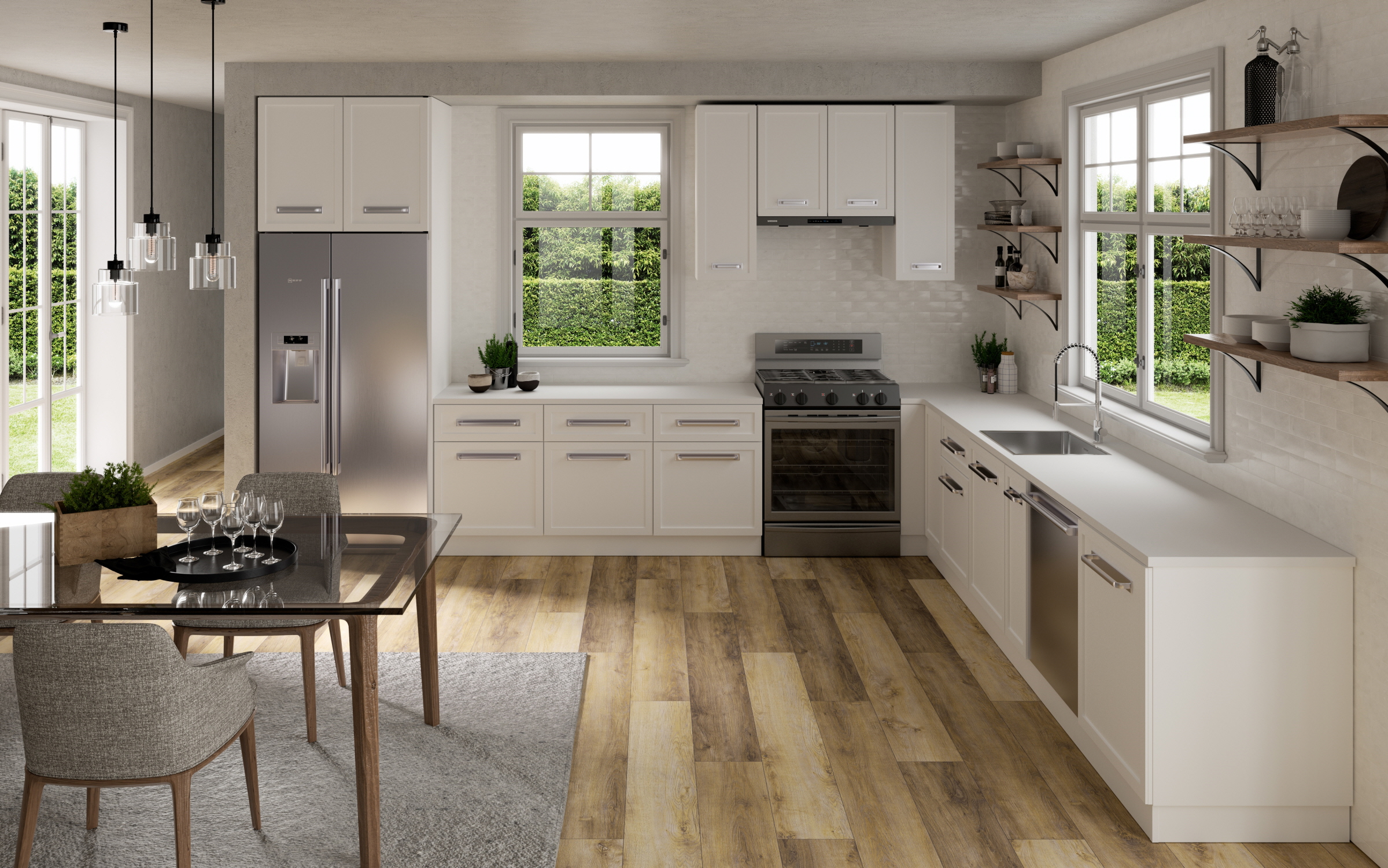
Credit: www.lxhausys.com
Budget-friendly Design Tips
Create a practical L-shaped kitchen without breaking the bank. Opt for open shelves to save costs and add charm. Use light colors to make the space feel bigger and brighter.
Designing an L-shaped kitchen on a budget doesn't mean you have to sacrifice style or functionality. With some smart planning and creative thinking, you can create a stunning kitchen space without breaking the bank. Let's dive into some budget-friendly design tips that can help you achieve the kitchen of your dreams.
Cost-effective Materials
Choosing the right materials can significantly impact your budget. Opt for laminate countertops instead of granite or marble. They come in various designs and are easy on the wallet. Consider using stock cabinets. They're cheaper than custom ones, and a fresh coat of paint can give them a high-end look. Don't shy away from open shelving. It's a budget-friendly way to add storage while keeping your kitchen airy and spacious.
Diy Projects
Roll up your sleeves and tackle some DIY projects. Installing a backsplash can be a fun weekend project. Peel-and-stick tiles are affordable and easy to apply. Refinish your existing cabinets. Sanding and painting can make old cabinets look brand new. It’s a cost-effective way to revamp your kitchen. Think about adding personal touches. Custom drawer handles or painted stools can add character without a hefty price tag. Have you considered the power of paint? A fresh coat on walls or cabinets can transform your kitchen's look. Creating an L-shaped kitchen on a budget is entirely possible with some creativity and resourcefulness. What's your next kitchen project going to be?
Frequently Asked Questions
What Is An L Shaped Kitchen Layout?
An L shaped kitchen layout features two perpendicular counters, forming an "L" shape. This design maximizes space and efficiency, offering ample work surfaces. It's perfect for open-plan living, allowing smooth movement between areas. Ideal for small to medium-sized spaces, it can accommodate various appliances and fixtures.
How Do I Maximize Space In An L Shaped Kitchen?
To maximize space in an L shaped kitchen, use corner storage solutions. Incorporate wall-mounted shelves and cabinets for additional storage. Opt for multi-functional furniture to save space. Utilize vertical space and keep countertops clutter-free. Efficient organization will enhance functionality and ease of movement.
Are L Shaped Kitchens Suitable For Small Spaces?
Yes, L shaped kitchens are suitable for small spaces. They optimize available area by utilizing corners effectively. This layout provides ample workspace and storage without crowding the room. It enhances functionality, maintaining an open feel. Ideal for apartments and compact homes, it offers flexibility in design.
What Are The Benefits Of An L Shaped Kitchen?
The benefits of an L shaped kitchen include efficient workflow and maximized space utilization. It offers flexible design options for various appliances. This layout encourages social interaction and seamless integration into open-plan living areas. It provides ample storage and work surfaces, enhancing functionality and convenience.
Conclusion
Designing an L-shaped kitchen offers both style and function. Maximize space by using corners smartly. Choose storage solutions that fit your needs. Opt for counters that allow easy movement. Keep appliances within reach for convenience. Remember, lighting sets the mood and helps visibility.
Personal touches make the kitchen unique and welcoming. Consider colors that reflect your personality. Stay practical while choosing materials. With careful planning, your L-shaped kitchen can be efficient and inviting. Enjoy creating a space that suits your lifestyle perfectly.