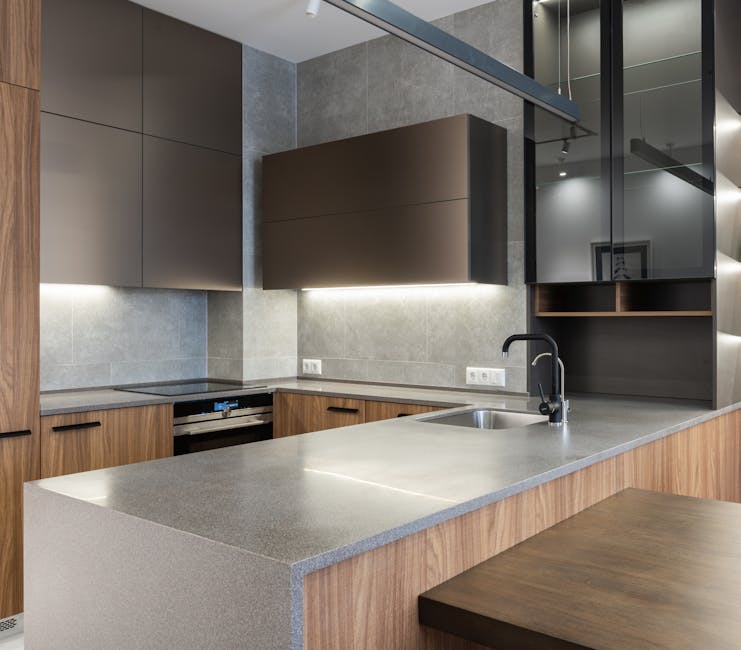

Are you curious about how much those shiny kitchen appliances are adding to your monthly electricity bill? Understanding the cost of running your kitchen gadgets isn't just about saving money—it's about gaining control over your household budget.
Imagine being able to predict your expenses with precision or finding ways to cut costs without sacrificing the convenience these appliances bring to your daily life. This article will delve into the true cost of running your kitchen appliances. We'll uncover how much each device really costs to operate, offering you insights that could save you more than you think.
Ready to discover how you can make smarter choices for your kitchen and wallet? Let's dive in!
Energy Consumption Of Common Kitchen Appliances
Understanding how much kitchen appliances cost to run is essential. Energy consumption varies greatly among different appliances. Knowing which ones consume more energy helps manage your electricity bill effectively. Let's explore the energy consumption of common kitchen appliances.
Refrigerators And Freezers
Refrigerators and freezers are constantly running. They are essential but can be energy hogs. Modern models are more energy-efficient. Energy usage depends on size and age. Typically, they consume 100-800 kWh annually.
Dishwashers
Dishwashers make cleaning easy but use a lot of energy. Energy-efficient models reduce consumption significantly. They often use around 1-2 kWh per cycle. Choose energy-efficient settings to save on electricity bills.
Ovens And Stoves
Ovens and stoves are necessary for cooking. They can be energy-intensive, especially electric ones. Gas models consume less energy. Energy usage varies with cooking habits. On average, they use about 2-3 kWh per hour.
Microwaves
Microwaves are quick and convenient. They consume less energy than ovens. Average usage is about 0.6-1.5 kWh per hour. Use them for quick heating to save energy.
Coffee Makers
Coffee makers are popular in many homes. They consume less energy, typically around 0.5 kWh per brew. Using them sparingly can help reduce electricity costs.

Credit: www.teamterriblegames.com
Factors Affecting Appliance Running Costs
Understanding how much your kitchen appliances cost to run is crucial for managing your household budget. Several factors impact these costs, and being aware of them can lead to significant savings. Whether you're an avid cook or someone who just uses the microwave, knowing what influences these expenses can make a big difference. Let's dive into the details.
Energy Efficiency Ratings
One of the most significant factors affecting appliance running costs is their energy efficiency ratings. Appliances with high ratings consume less electricity, saving you money over time. Investing in energy-efficient models might seem costly upfront, but they pay off in the long run.
Imagine having two refrigerators: one with an A++ rating and another with a C rating. The A++ model will use considerably less energy, resulting in lower monthly bills. Check labels when purchasing new appliances; they can guide you toward smarter choices.
Usage Habits
Your daily habits play a huge role in determining running costs. Do you leave the fridge door open for too long? Or perhaps you boil the kettle more times than necessary? Small changes in how you use your appliances can lead to big savings.
Consider creating a routine that minimizes waste. Turn off appliances when not in use and avoid overloading them. You might find yourself saving more than expected by just adjusting these habits. What if you could save enough for a nice dinner out just by changing how often you use your oven?
Maintenance And Condition
Regular maintenance ensures appliances run efficiently, keeping costs down. Dusty coils on your refrigerator or clogged filters in your dishwasher can increase electricity usage. Clean and check them regularly to maintain optimal performance.
Think of it like a car that needs oil changes; your appliances need regular care too. Keeping them in good condition means you avoid costly repairs and they consume less power. Do you remember that time your washing machine broke down? Regular maintenance could prevent similar mishaps.
Each of these factors plays a crucial role in the cost of running kitchen appliances. By understanding and adjusting these aspects, you can control your expenses effectively. What small changes can you make today to save money tomorrow?
Calculating The Cost Of Running Appliances
Understanding how much kitchen appliances cost to run is vital. It helps manage energy bills effectively. Knowing the energy usage of each appliance is the first step. Once you grasp this, estimating the overall cost becomes easier.
Understanding Energy Units
Energy is measured in kilowatt-hours (kWh). This unit shows how much power is used over time. Most appliances have an energy rating label. It indicates how many kilowatt-hours an appliance uses. For example, a fridge might use 1.5 kWh per day.
To find this information, check the appliance's label or manual. You can also search online for standard ratings of common appliances. Understanding these units helps estimate the costs correctly.
Estimating Daily And Monthly Costs
Calculate the daily cost by multiplying the kWh used by your electricity rate. If a dishwasher uses 1 kWh and your rate is $0.12, it costs $0.12 per day. Multiply the daily cost by 30 for the monthly cost.
This method applies to all appliances. Just find the kWh used and multiply by your rate. Remember, some appliances run more often than others. Adjust your calculations for frequent use.
By knowing these costs, you can plan your budget better. You might find ways to reduce usage. Simple changes can lead to significant savings over time.

Credit: www.facebook.com
Tips For Reducing Energy Costs
Cutting energy costs starts in the kitchen. Understanding appliance usage helps. Refrigerators and ovens use more power. Dishwashers and microwaves less. Regularly check usage to save money. Adjust habits for lower bills.
Reducing energy costs in your kitchen is not just about saving money—it's also a step towards a more sustainable lifestyle. From upgrading your appliances to tweaking your daily habits, there are several strategies you can adopt. Imagine cutting down your energy bill while contributing to a greener planet. Let's dive into some practical tips that can make a real difference.
Upgrading To Energy-efficient Models
Switching to energy-efficient kitchen appliances can significantly reduce your energy consumption. Look for models with the Energy Star label, as they use less energy without sacrificing performance. A friend of mine replaced her old refrigerator with an Energy Star model and saw a noticeable drop in her monthly electricity bill. Consider the long-term savings, not just the upfront cost. Energy-efficient appliances may cost more initially, but they pay off over time. Have you checked the efficiency rating of your current appliances? It might be time for an upgrade.
Optimal Use Practices
Using your appliances wisely can also help cut down on energy costs. For instance, filling your dishwasher fully before running it saves water and energy. Do you often use your oven for small meals? A toaster oven might be a more energy-efficient choice. Avoid opening the oven door frequently while cooking, as it lets out heat and forces the oven to work harder. Also, using lids on pots can speed up cooking times and reduce energy use. Small changes in your routine can lead to substantial savings.
Regular Maintenance And Cleaning
Keeping your appliances clean and well-maintained ensures they operate efficiently. Dust and debris in refrigerator coils can make the motor work harder, consuming more energy. Regular cleaning can prevent this and extend the life of your appliance. Check seals on your fridge and oven doors to make sure they're airtight. A simple maintenance task like this can prevent energy loss. Are you keeping your appliances in top shape? Regular check-ups can prevent costly repairs and high energy bills. By adopting these strategies, you can enjoy a more energy-efficient kitchen and a lighter energy bill. What steps will you take today to make your kitchen more sustainable?
Alternative Energy Solutions
Reducing the cost of running kitchen appliances is a priority for many. Alternative energy solutions offer a promising way to cut these expenses. These solutions not only save money but also benefit the environment. Let's explore two popular options: solar-powered appliances and energy-saving technologies.
Solar-powered Appliances
Solar-powered appliances draw energy from the sun. This renewable source can significantly lower electricity bills. Imagine running your refrigerator without worrying about power costs. Solar panels convert sunlight into electricity. Appliances then use this clean energy to operate. Investing in solar-powered kitchen tools can lead to long-term savings. Plus, it reduces your carbon footprint.
Energy-saving Technologies
Energy-saving technologies help appliances use less electricity. These advancements are designed for efficiency. They optimize performance while reducing power consumption. Look for appliances with energy-efficient labels. These labels indicate reduced energy use. Smart refrigerators and LED lighting are great examples. They consume less power, leading to lower utility bills. Embrace energy-saving technologies to run a cost-effective kitchen.

Credit: www.fixr.com
Comparing Long-term Savings
When you're thinking about buying new kitchen appliances, it's crucial to consider not only the upfront cost but also how much they will save you in the long run. Kitchen appliances can vary greatly in efficiency, affecting your household bills over time. Understanding the balance between initial investment and long-term savings can significantly impact your decision-making process.
Initial Investment Vs. Long-term Benefits
Investing in energy-efficient kitchen appliances might seem pricey at first. But have you considered the benefits down the road? These appliances often consume less electricity, saving you money on utility bills.
Imagine upgrading to a modern refrigerator. While the initial cost may seem steep, its energy efficiency can lead to significant savings over time. You might find that the extra upfront expense pays for itself within a few years.
Ask yourself: Will a higher initial investment translate into greater savings in the future? It's a question worth pondering as you make your decision.
Impact On Household Bills
Your choice of kitchen appliances directly affects your household bills. Energy-efficient models can reduce electricity consumption, lowering monthly expenses.
I once replaced my old dishwasher with an energy-efficient model. Immediately, I noticed a drop in my electricity bill. It was like finding extra money each month without doing anything new.
Have you tracked how much your current appliances are costing you? If not, it might be time to consider the potential savings of upgrading to more efficient models.
Think about how a single appliance change can impact your budget. Could this be a smart way to cut costs without compromising on quality?
Choosing the right kitchen appliances isn't just about style or brand. It's about making smart financial choices that benefit you in the long run.
Understanding Energy Labels And Certifications
Understanding energy labels and certifications can help lower energy bills. They guide buyers in selecting efficient kitchen appliances. These labels provide crucial insights into energy consumption. Selecting energy-efficient appliances can significantly reduce electricity costs. It also contributes to a greener environment. Let's explore energy labels and certifications.
Energy Star And Other Certifications
Energy Star is a trusted certification for energy efficiency. Appliances with this label use less energy. They meet strict guidelines set by the government. Other certifications include the EU Energy Label and the EnergyGuide. These labels help identify energy-efficient options. They often display energy consumption in kilowatt-hours per year. This information aids in comparing appliance efficiency.
Reading And Interpreting Labels
Reading energy labels requires understanding key components. The label usually includes the annual energy consumption. It may show estimated yearly cost based on average rates. Look for the energy efficiency rating, often a letter grade. A higher grade indicates better efficiency. Some labels have graphs showing energy performance compared to similar models. These comparisons help make informed purchasing decisions.
Frequently Asked Questions
How Do I Calculate Appliance Running Costs?
To calculate appliance running costs, check the wattage on its label. Multiply watts by hours used daily, then divide by 1,000. Multiply the result by your electricity rate per kWh. This gives you the daily cost. Repeat for each appliance to estimate monthly expenses.
Which Kitchen Appliance Consumes Most Electricity?
The refrigerator typically consumes the most electricity in kitchens. It runs continuously to keep food cold. Energy-efficient models can reduce costs. Other high-energy appliances include ovens and dishwashers. Regular maintenance and energy-saving settings can help minimize their consumption.
Can Energy-efficient Appliances Lower Costs?
Yes, energy-efficient appliances significantly lower running costs. They use less electricity due to advanced technology and design. Look for Energy Star-rated appliances for best results. Switching to these models can lead to substantial savings on your electricity bill.
Is It Cheaper To Run Appliances At Night?
Running appliances at night can be cheaper if your utility offers off-peak rates. Many providers charge lower rates during night hours. Check your electricity plan to confirm. Using heavy-consumption appliances like dishwashers and washing machines during these times can save money.
Conclusion
Understanding the costs of running kitchen appliances helps manage household budgets. Energy-efficient models save money over time. Regular maintenance also reduces unexpected expenses. Check appliance energy ratings before purchasing. This ensures wise spending. Consider usage frequency for each appliance. Less frequent use means lower costs.
Explore energy-saving tips to cut costs further. Simple actions make a big difference. Unplug devices when not in use. Use appliances during off-peak hours. This can lower energy bills. Make smart choices now for long-term savings. A mindful approach keeps kitchen costs manageable.
Enjoy cooking without worrying about expenses.