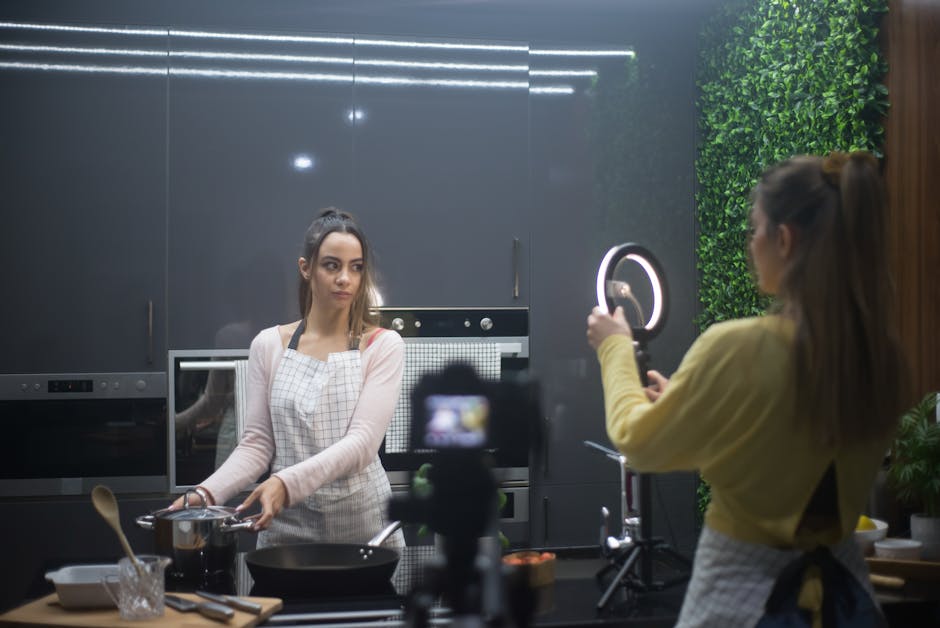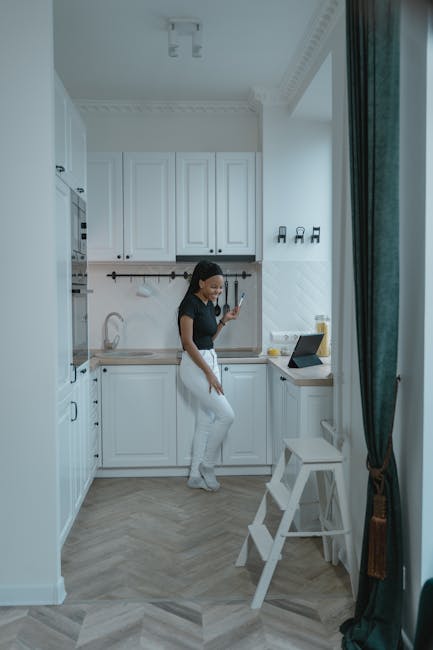

Designing a kitchen is an exciting opportunity to blend functionality with style. It's where you create meals, entertain guests, and make memories with your family.
But with so many options, how do you ensure your kitchen is both beautiful and efficient? You might feel overwhelmed by the choices, but don't worry. We've got you covered with the must-haves that will transform your kitchen into a dream space.
Imagine opening drawers that glide smoothly, reaching for utensils with ease, and enjoying the perfect lighting as you cook. These essentials will not only enhance your cooking experience but also add value to your home. Dive in to discover the elements that your kitchen absolutely needs, and get ready to fall in love with the heart of your home.
Credit: craigallendesigns.com
Layout And Workflow
A well-planned kitchen layout ensures efficiency. Prioritize easy access to appliances and storage. A clear workflow enhances cooking experience.
Designing a kitchen is an exciting journey, but one crucial aspect that often gets overlooked is the layout and workflow. How your kitchen is structured can significantly impact your cooking experience and overall satisfaction. A well-thought-out layout ensures that every movement is efficient, turning your culinary space into a haven of creativity. Let's dive into some must-have elements to consider for an impeccable kitchen layout that enhances workflow.
Efficient Kitchen Triangle
The kitchen triangle is a time-tested principle that focuses on the placement of the sink, stove, and refrigerator. These three elements form a triangle that should be both compact and functional. An efficient kitchen triangle minimizes the distance you travel between these critical areas, making meal preparation seamless. Consider your daily cooking routine. Do you often find yourself dancing around the kitchen, wasting precious time? An optimized triangle can save you steps and energy. Aim for a layout where the triangle sides measure between 4 and 9 feet each. This ensures easy access without overcrowding the space.
Zones For Functionality
Dividing your kitchen into zones based on functionality can drastically improve workflow. Think about how you use your kitchen. You might have a prep zone, cooking zone, and cleaning zone. Each zone should have everything you need within arm's reach. Picture yourself preparing a meal: having knives, cutting boards, and fresh ingredients close at hand in your prep zone can make all the difference. Similarly, keep pots, pans, and cooking utensils in the cooking zone. This zoning approach reduces clutter and helps you stay organized. Have you ever scrambled to find a spatula while your dish is burning? Proper zoning prevents such chaos, allowing you to focus on crafting delicious meals. It’s about creating a space that works for you, not against you.
Thoughtful Storage Solutions
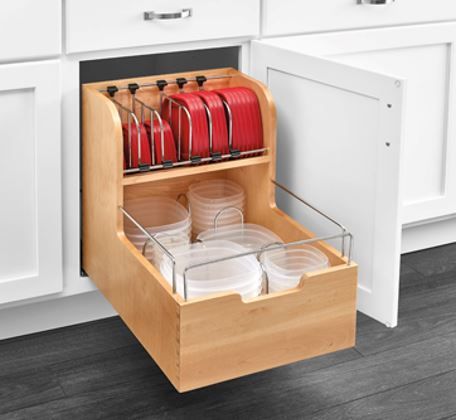
Effective storage solutions are vital in maintaining a smooth workflow. Think beyond traditional cabinets and drawers. Consider pull-out shelves, lazy Susans, and vertical storage options. These can transform your kitchen into a space that feels spacious and functional. Ever found yourself rummaging through a cluttered pantry? Innovative storage solutions keep everything accessible, saving time and reducing frustration. You can even integrate storage into your kitchen island for added convenience. So, how can your kitchen layout improve your culinary experience? Reflect on your unique needs and preferences. Designing a kitchen that aligns with your lifestyle can turn everyday cooking into a joyful experience.
Storage Solutions
Efficient storage solutions transform a kitchen from chaos to clarity. Smart choices make everyday tasks simpler. A well-designed kitchen keeps items organized and accessible. It maximizes space without compromising style. Consider cabinetry options and space-saving techniques to create a functional kitchen.
Cabinetry Options
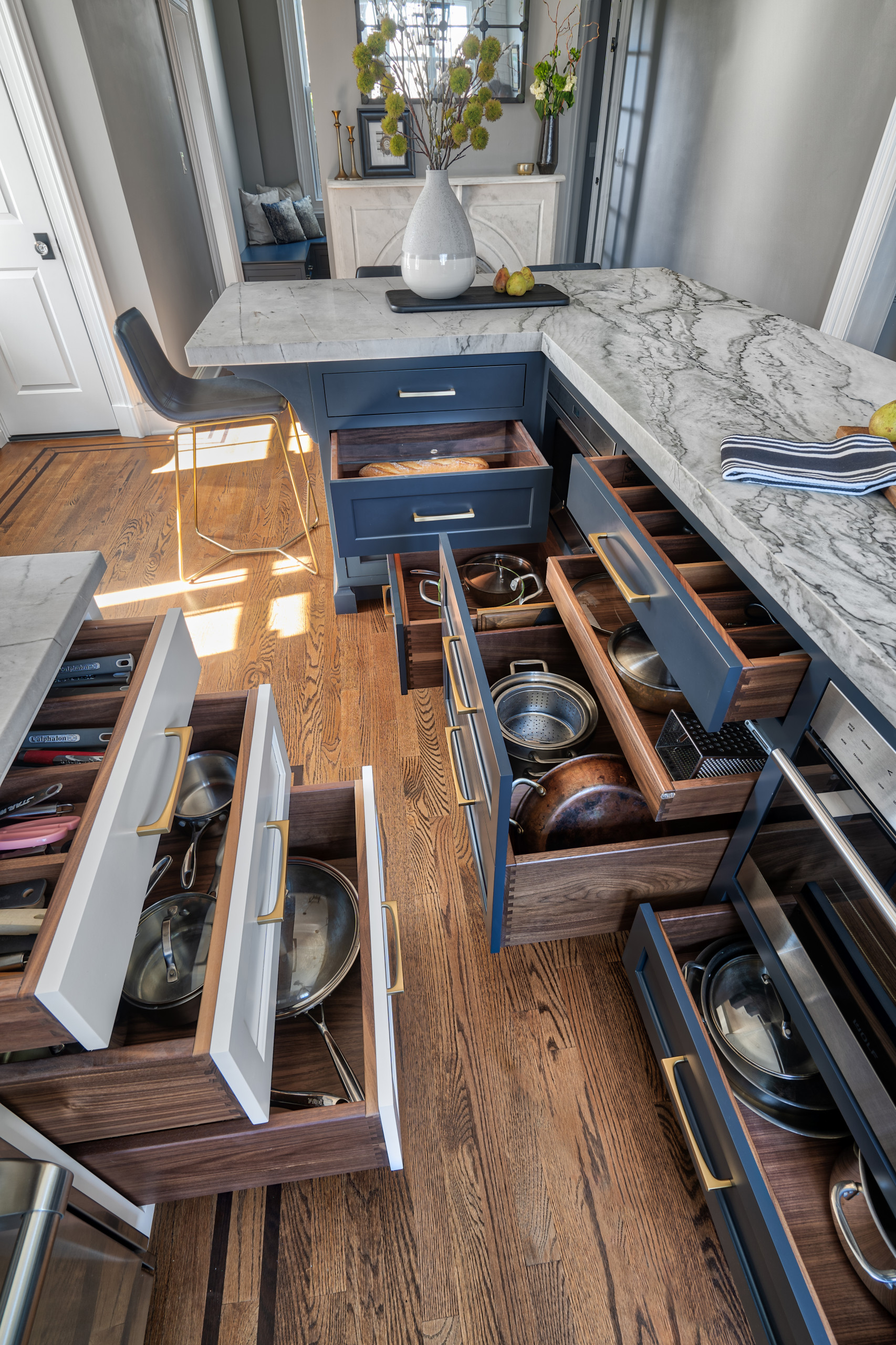
Cabinets define a kitchen's storage capacity. Choose cabinets with adjustable shelves for versatility. Deep drawers accommodate pots and pans. Opt for pull-out trays for easy access. Tall cabinets provide vertical storage, perfect for seldom-used items. Glass-front cabinets add elegance while displaying dishware.
Incorporate corner cabinets to utilize awkward spaces. Lazy Susans inside corner cabinets improve storage efficiency. Open shelving offers a modern touch. It allows quick access to frequently used items. Choose durable materials for cabinets to ensure longevity.
Space-saving Techniques
Creative space-saving methods enhance kitchen functionality. Use wall-mounted racks for pots and utensils. Install hooks for hanging mugs and cups. Magnetic strips hold knives securely on walls. Stackable containers optimize pantry storage. Narrow pull-out drawers utilize tight spaces.
Foldable tables and chairs offer flexibility. Consider sliding doors for cabinets to save space. Under-sink organizers keep cleaning supplies tidy. Vertical dividers manage baking trays and cutting boards. Use overhead storage for less-used items. Efficient use of space ensures a clutter-free kitchen.
Appliance Selection
Choosing the right appliances is crucial in kitchen design. They define the space's functionality and style. The right appliances can make cooking enjoyable and efficient. Consider your needs before making a decision. This ensures your kitchen is both practical and beautiful.
Energy-efficient Models
Energy-efficient appliances save money and help the environment. They consume less electricity, reducing utility bills. Look for appliances with the ENERGY STAR label. This guarantees lower energy use. Modern refrigerators and dishwashers offer smart features. These features enhance efficiency further. A wise choice benefits both your wallet and the planet.
Size And Placement Considerations
Consider appliance size carefully. Ensure they fit your kitchen space. Measure areas where appliances will go. This prevents any installation issues. Proper placement improves accessibility. It enhances workflow in the kitchen. Place your refrigerator near cooking areas. This reduces unnecessary movement. Adequate spacing allows easy opening of doors. It's crucial for ensuring comfort and ease.
Lighting Design
Bright lighting is essential in kitchen design for safety and style. Task lights illuminate work areas efficiently. Ambient lighting adds warmth, making the space inviting and functional.
Designing a kitchen involves numerous elements, but lighting design stands out as a crucial aspect that can transform the entire space. Good lighting not only enhances the aesthetic appeal but also improves functionality. Imagine preparing a meal or hosting guests in a dimly lit kitchen—it wouldn't be ideal. Thoughtful lighting choices can create a welcoming ambiance and make everyday tasks easier and more enjoyable.
Task Lighting
Task lighting is essential for any functional kitchen. It focuses on areas where you perform specific tasks, like chopping vegetables or reading recipes. Under-cabinet lights are popular for illuminating countertops. They provide direct light without casting shadows, ensuring you see clearly while working. Pendant lights over an island or dining area can also serve as task lighting. Choose adjustable fixtures to direct light exactly where you need it. This adaptability can make a huge difference during meal prep or when serving food. Think about the activities you usually perform in your kitchen, and place task lights accordingly.
Ambient And Accent Lighting
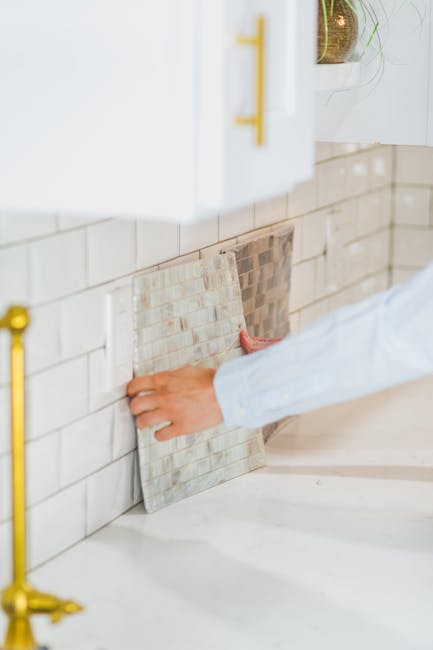
Ambient lighting sets the overall mood of the kitchen. It fills in the shadows and ensures a consistent level of brightness throughout the room. Ceiling fixtures or recessed lighting are great options. They provide a soft glow that mimics natural daylight, making the kitchen feel inviting. Accent lighting adds a layer of sophistication. It highlights architectural features or decorative elements, like a beautiful backsplash or a collection of fine china. LED strip lights above cabinets or spotlighting can achieve this effect. Consider what features you love most about your kitchen and use accent lighting to showcase them. Have you ever walked into a kitchen that felt cozy and warm, almost like it was inviting you to stay? Chances are, that welcoming feeling was largely due to effective lighting design. As you plan your kitchen, think about how these lighting elements can enhance both the form and function of your space.
Surface Materials
Choosing the right surface materials is crucial when designing a kitchen. They affect both aesthetics and functionality. The right materials can enhance your cooking space's look and feel. They also impact durability and ease of maintenance. Here, we explore key surface materials for your kitchen design.
Countertop Choices
Countertops form the heart of your kitchen's workspace. Granite offers a natural look with unique patterns. It's durable and heat-resistant. Quartz is another popular choice. It mimics stone but requires less maintenance. Consider laminate for budget-friendly options. It comes in many colors and designs. Each choice offers different benefits and styles.
Durable Flooring Options
Flooring endures heavy foot traffic in kitchens. Hardwood floors bring warmth and elegance. They suit traditional and modern designs. Tile floors offer durability and moisture resistance. They're ideal for busy households. Vinyl is a cost-effective choice. It's easy to clean and comes in varied designs. Each option offers distinct advantages for your kitchen.
:strip_icc()/pots-pans-storage-drawers-568c778b-b65783d55aad4a9da4b8f66b5f4ca77b.jpg)
Credit: www.bhg.com
Color And Aesthetics
Creating a dream kitchen involves more than just functionality. The colors and aesthetics play a crucial role. They set the mood and reflect personal style. Choose wisely to ensure a cohesive look.
Choosing A Color Palette
Selecting the right color palette is essential. Colors can change the feel of a space. Warm tones make a kitchen feel cozy. Cool tones create a modern, sleek look. Balance bold and neutral shades for harmony.
Consider the size of the kitchen. Lighter colors can make small spaces appear larger. Darker shades add depth to spacious kitchens. Test samples to see how they look in different lighting.
Incorporating Personal Style
Your kitchen should reflect your personality. Infuse elements that speak to you. Use textures that align with your taste. Wood can add warmth and tradition. Metal offers a contemporary vibe.
Think about the finishes you love. Matte surfaces bring a subtle elegance. Glossy finishes offer a vibrant touch. Mix and match styles to create a unique space. Personal touches make a kitchen truly yours.
Safety And Accessibility
Designing a kitchen involves more than aesthetics and functionality. Safety and accessibility are crucial considerations. They ensure a kitchen is both practical and secure. These elements make the space usable for everyone, regardless of age or ability. A well-thought-out design can prevent accidents and promote ease of use.
Child-friendly Features
Families with children need to prioritize safety. Install childproof locks on cabinets and drawers. This keeps sharp objects and cleaning supplies out of reach. Rounded edges on countertops reduce injury risk. Anti-slip flooring helps prevent falls. Use easy-to-clean surfaces to handle spills and messes quickly.
Universal Design Principles
Universal design makes a kitchen accessible for all. Lower countertops and sinks accommodate wheelchair users. Lever-style handles are easier for everyone to use. Ensure ample lighting for better visibility. Install pull-out shelves to access items with ease. Consider touchless faucets for added convenience.
Credit: www.houzz.com
Budget Planning
Creating a kitchen requires essential elements in budget planning. Prioritize quality appliances and durable countertops. Allocate funds wisely for good lighting and storage solutions.
Designing a kitchen is an exciting venture, but it requires careful budget planning to ensure everything stays on track. Setting a realistic budget helps you balance your needs with your financial capabilities. It's about knowing where to save and where to splurge, ensuring you get the kitchen of your dreams without breaking the bank.
Cost-effective Choices
When planning your kitchen budget, focus on cost-effective choices that offer both quality and style. Consider materials that are durable yet affordable, like laminate countertops instead of granite. Research appliances that provide the best value for money, such as energy-efficient models that reduce long-term costs. Think about which features you'll use daily and prioritize those. You might find a high-end stove is worth the investment if you love cooking, but a simpler backsplash can still be stylish without being costly. By making smart choices, you can allocate funds to the areas that matter most to you.
Prioritizing Spending
Decide what aspects of your kitchen design are most important to you and allocate your budget accordingly. Is having a large pantry your top priority, or do you prefer investing in state-of-the-art appliances? Make a list of your must-haves and assign a portion of your budget to each. Consider your lifestyle and how it impacts your spending priorities. If you frequently entertain guests, investing in a spacious island or open-plan layout might be beneficial. Ask yourself: where will you spend the most time in the kitchen? Direct your budget towards enhancing those experiences. Remember, unexpected expenses can arise. Set aside a contingency fund to cover any surprises, keeping your project on track without stress. Careful prioritization and planning can help you create a kitchen that meets both your functional needs and aesthetic desires, all within your budget.
Frequently Asked Questions
What Are The Essential Kitchen Design Elements?
When designing a kitchen, focus on layout, storage, and functionality. Prioritize a work triangle between the sink, stove, and fridge. Include ample storage for appliances and utensils. Choose durable, easy-to-clean materials for countertops and flooring. Good lighting enhances visibility and ambiance.
How Important Is Kitchen Lighting?
Kitchen lighting is crucial for safety and efficiency. It illuminates work areas, making tasks easier. Combine task lighting over counters with ambient lighting for overall brightness. Accent lighting adds style. Choose energy-efficient LED options for long-term savings. A well-lit kitchen enhances both functionality and aesthetics.
What Storage Solutions Are Best For Kitchens?
Effective kitchen storage maximizes space and organization. Use pull-out cabinets, vertical shelving, and drawer organizers. Install a lazy Susan for corner cabinets. Consider hanging racks for pots and pans. Proper storage keeps your kitchen tidy and accessible, making cooking and cleaning more efficient.
How Do I Choose Kitchen Appliances?
Select appliances based on your needs and kitchen size. Prioritize energy-efficient models to reduce electricity costs. Match appliance finishes for a cohesive look. Consider multifunctional appliances to save space. Ensure they fit within your kitchen layout for optimal functionality. Test appliances in-store for usability.
Conclusion
A well-designed kitchen makes cooking enjoyable and efficient. Focus on functionality first. Choose durable materials for long-lasting use. Good lighting enhances both style and practicality. Consider ample storage to keep things organized. A practical layout saves time and effort. Your personal touch adds warmth and personality.
Remember, the kitchen is the heart of the home. It's a space for family and friends. With these must-haves, create a space you love. Enjoy your cooking adventures in a kitchen that truly works for you.