
Have you ever opened your kitchen cabinets only to be greeted by layers of grease and grime clinging stubbornly to their surfaces? It’s a common problem that can make even the most organized kitchen feel unkempt.
You might wonder, "What cleans kitchen cabinets effectively without damaging them? " The good news is, achieving spotless, gleaming cabinets is easier than you think. Imagine the satisfaction of running your hand over a cabinet and feeling nothing but a smooth, clean surface.
You'll discover simple yet powerful cleaning methods that transform your kitchen cabinets from grimy to gleaming. Stay with us, and you'll be armed with the knowledge to make your kitchen a place you love to be.
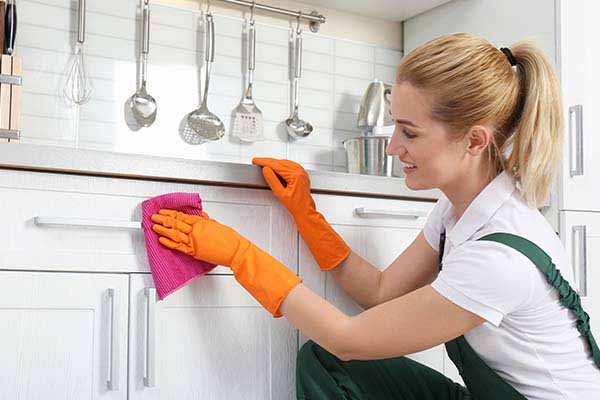
Credit: vontobels.com
Types Of Kitchen Cabinet Materials
Cleaning kitchen cabinets varies based on material. Wooden cabinets need gentle soap and water. For laminate, a mix of vinegar and water works well. Metal cabinets benefit from non-abrasive cleaners. Always test cleaners on a small area first to avoid damage.
Cleaning your kitchen cabinets effectively starts with understanding the material they're made from. Each type of kitchen cabinet material has unique properties and cleaning requirements. Knowing these can save you time, effort, and ensure your cabinets remain in pristine condition.
Wood Cabinets
Wood cabinets add warmth and elegance to your kitchen. Their natural grains and textures can be a focal point of your kitchen design. But how do you clean them without causing damage? Avoid harsh chemicals that can strip the finish. Use a mixture of mild dish soap and warm water. Remember to dry them thoroughly afterward to prevent warping.
Laminate Cabinets
Laminate cabinets are a practical choice for many kitchens due to their durability and affordability. They are resistant to moisture, making them easy to maintain. A simple wipe with a damp cloth and mild detergent is usually enough. Have you ever noticed stubborn stains that won't budge? Try a baking soda paste for tougher spots. Just be gentle to avoid scratches.
Metal Cabinets
Metal cabinets bring a modern, industrial vibe to your kitchen. They are robust and often resistant to most cleaning agents. However, they can show fingerprints and smudges easily. A microfiber cloth dampened with vinegar and water can effectively clean them. Do you polish them regularly? It adds shine and reduces the appearance of smudges.
Glass-front Cabinets
Glass-front cabinets display your dishware beautifully but can also show every fingerprint and splash. Regular cleaning is a must to maintain their clarity. A vinegar and water solution works wonders here. Use a newspaper or lint-free cloth to avoid streaks. Have you tried cleaning the inside of the glass too? It can make a surprising difference in your kitchen's appearance. In your journey to a spotless kitchen, understanding your cabinet material is key. You can keep your cabinets looking new by using the right cleaning methods. Which type of cabinet do you have, and what cleaning tricks have you discovered?
Essential Cleaning Supplies
Maintaining the sparkle of your kitchen cabinets can be a challenging task. The right cleaning supplies are essential to make this job easier and more effective. Whether you prefer natural remedies or commercial products, each has its own merits. Let's dive into the essential cleaning supplies that will help you keep your cabinets looking brand new.
Natural Cleaning Agents
Natural cleaning agents are a great choice if you're looking to avoid harsh chemicals. They are not only safe for your family but also environmentally friendly. Vinegar and baking soda are household staples that can tackle grease and grime effectively. Mix equal parts of vinegar and water in a spray bottle, and you’ve got yourself a powerful cleaning solution. Lemon juice also works wonders, leaving your cabinets fresh and shiny.
Have you tried olive oil to polish wooden cabinets? Just a small amount can revive their natural beauty. These natural solutions are often overlooked, yet they offer incredible cleaning power.
Commercial Cleaning Products
Commercial cleaning products can be lifesavers for those stubborn stains. Brands like Murphy Oil Soap and Method offer specialized solutions for wood surfaces. These products are formulated to cut through grease without damaging the finish of your cabinets.
Always check the label to ensure the product is safe for your cabinet material. A quick spray and wipe can save you time and effort. If you’re in a rush, commercial products can be your best friend.
Tools For Cleaning
The right tools can make all the difference. Microfiber cloths are excellent for dusting and wiping down cabinets. They trap dirt effectively and are gentle on surfaces. A soft-bristle brush can reach into corners and crevices that cloths can’t. This is especially useful for cabinets with intricate designs.
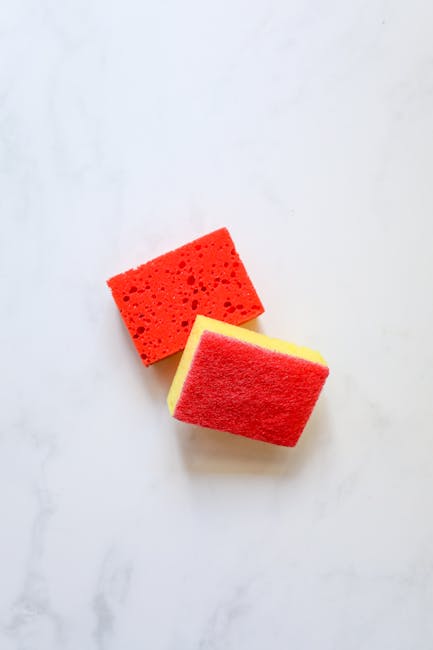
Sponges with scrubbing pads are perfect for those tough spots. However, be cautious with abrasive materials to avoid scratching. Have you ever considered using an old toothbrush for detailing? It’s surprisingly effective for cleaning cabinet hardware.
What cleaning supplies are you using for your kitchen cabinets? Could switching to natural agents or investing in a specialized tool make your cleaning routine more efficient?
Daily Maintenance Routine
A gentle mixture of vinegar and water effectively cleans kitchen cabinets, removing grease and grime. Use a soft cloth to apply the solution and wipe the surfaces clean. Regular upkeep ensures cabinets remain spotless and fresh.
Maintaining clean kitchen cabinets is crucial for both hygiene and aesthetics. A daily maintenance routine can be your best friend in keeping those cabinets looking pristine without much effort. By incorporating simple habits into your daily chores, you can prevent grime and grease buildup. This not only prolongs the life of your cabinets but also keeps your kitchen inviting and fresh.
Quick Wipe-down Techniques
Start by dedicating just a few minutes each day to a quick wipe-down of your cabinets. Use a soft microfiber cloth slightly dampened with warm water. This simple act can remove dust and light smudges effortlessly. Avoid using harsh chemicals daily. They can damage the finish over time. Instead, try a gentle dish soap solution if you encounter stubborn spots. Consider setting a timer for this task to make it a habit. You might be surprised how much a two-minute clean-up can achieve!
Spot Cleaning Spills
Address spills immediately to prevent staining and sticky residue. If you notice a spill, grab a cloth and clean it up right away. Use a mild cleaner or vinegar solution for sticky or oily spills. It’s effective and safe for most cabinet finishes. Reflect on the times you've postponed cleaning a spill, only to regret it later. Isn’t it easier to tackle it on the spot? Ask yourself: What small change can I make today that future me will thank me for? Regular spot cleaning keeps your cabinets spotless and minimizes the need for deep cleaning sessions. This saves you time and effort in the long run. By adopting these simple daily habits, you ensure your kitchen cabinets stay in top shape effortlessly.
Deep Cleaning Methods
Have you ever looked at your kitchen cabinets and wondered how they got so grimy? Over time, cabinets can accumulate layers of grease and stains that diminish their appearance. While regular cleaning can keep them tidy, sometimes they need a more thorough approach. Deep cleaning methods can rejuvenate your kitchen cabinets, making them look fresh and inviting. Let's dive into some practical techniques for tackling those stubborn spots.
Removing Grease And Grime
Grease is a sneaky enemy that builds up over time, especially if you love cooking. Using a simple mixture of vinegar and baking soda can be your secret weapon. This combination creates a fizzing action that breaks down grease without damaging the cabinet surface.
Try mixing equal parts of vinegar and warm water in a spray bottle. Spritz it onto the cabinets, then let it sit for a few minutes. Wipe away with a clean, damp cloth. You'll be surprised how effectively this solution cuts through the grime.
Another effective method is using dish soap. Add a few drops to a bowl of warm water and gently scrub the cabinets with a soft sponge. You can feel the difference immediately as the soap lifts the grease away.
Dealing With Stains
Stains can be stubborn, whether from spills or daily use. A paste made from baking soda and water can tackle these pesky marks. Simply apply the paste to the stain, let it sit for a few minutes, and then wipe clean. This method is gentle yet effective.
For more persistent stains, consider using hydrogen peroxide. It's a powerful stain remover that won't harm your cabinets. Dab a little onto the stain with a cotton ball, let it sit for a few minutes, and wipe away with a damp cloth.
Don't forget about lemon juice. It's a natural bleaching agent that can lighten stains without harsh chemicals. Apply some lemon juice to the stain, let it sit, and then rinse with water. It's surprising how well this works!
Have you tried any of these methods? What's your go-to trick for keeping your kitchen cabinets spotless? Share your thoughts and let’s keep the conversation going!
Cleaning Wood Cabinets
To clean kitchen cabinets effectively, mix mild dish soap with warm water. Use a soft cloth to wipe away grease and grime. Avoid harsh chemicals; they can damage wood surfaces. For stubborn spots, a vinegar-water solution can help maintain the cabinet's shine.
Regular cleaning keeps cabinets looking fresh and prolongs their lifespan.
Cleaning wood cabinets can seem daunting, but it's an essential part of maintaining the beauty and functionality of your kitchen. Your kitchen cabinets are exposed to grease, food spills, and dirt daily. Proper cleaning not only keeps them looking fresh but also extends their lifespan. Taking a few minutes to clean them regularly can save you from costly repairs or replacements.
Protecting The Finish
When you're cleaning wood cabinets, protecting the finish should be your top priority. Have you ever noticed how harsh chemicals can dull the shine of a beautiful wood surface? Avoid using abrasive materials or harsh cleaners that could strip the finish. Instead, use a soft cloth or sponge with mild soap and water. Always test a small area first to ensure it doesn’t damage the wood. Dry the cabinets thoroughly after cleaning to prevent water spots or damage. A tip I learned the hard way was to always follow the grain of the wood when wiping. This simple step can make a big difference in maintaining that glossy finish.
Using Wood-specific Products
Choosing the right cleaning products is crucial for wood cabinets. Generic all-purpose cleaners might seem convenient, but they can be harmful. Wood-specific cleaners are designed to clean effectively without harming the wood or its finish. Look for products that say "safe for wood" on the label. Once, I tried a homemade solution of vinegar and olive oil. It not only cleaned the cabinets but also gave them a polished look. You might be surprised at the shine and protection a simple homemade mix can provide. Experiment with different solutions to see what works best for your cabinets, but always ensure they are safe for wood. Do you have any go-to tips for keeping your wood cabinets pristine? Sharing experiences can lead to discovering new and effective cleaning methods.
Handling Laminate Cabinets
Laminate cabinets are popular for their sleek look and affordability. However, keeping them clean requires a gentle touch. You might be tempted to grab any cleaner lying around, but pause for a moment. Using the wrong product can damage your cabinets, leaving them dull and scratched. Let's explore the best ways to clean laminate cabinets without causing harm.
Avoiding Abrasive Cleaners
Abrasive cleaners might seem effective for tough stains, but they can scratch laminate surfaces. These scratches are not just unsightly—they can also harbor dirt and bacteria, making your cabinets harder to clean in the future.
Instead, opt for products specifically designed for laminate. These cleaners are gentle yet effective. A mild dish soap mixed with warm water can also be a safe alternative. If you're unsure about a product, test it on a hidden area first.
Gentle Cleaning Techniques
Ever tried scrubbing laminate cabinets vigorously? You might be surprised to learn that a light touch is more effective. Use a soft cloth or sponge; they're less likely to scratch the surface. Gently wipe down the cabinets, following the grain if possible.
For tougher spots, apply a bit more pressure, but stay mindful of the laminate's delicate nature. Dry the surface immediately with a clean towel to avoid water spots. Do you remember the time you cleaned with too much water and ended up with swollen edges? A little caution goes a long way.
Cleaning doesn't have to be a chore. It can be a moment to reflect on the care and attention you give to your living space. As you clean, ask yourself: what methods can make this task more enjoyable and efficient?
Metal Cabinet Care
Metal kitchen cabinets can be a stunning addition to your home, offering sleek lines and a modern look. However, they require special care to maintain their shine and prevent damage. Whether you're dealing with stainless steel, aluminum, or another type of metal, understanding how to care for them is essential to keep them looking their best.
Rust Prevention Tips
Rust can be the nemesis of metal cabinets. To prevent it, ensure your kitchen remains well-ventilated. Excess moisture is a primary cause of rust, so consider using exhaust fans or opening windows when cooking.
Avoid using abrasive cleaners that can scratch the surface, making it more susceptible to rust. Instead, opt for gentle soap and water. Wipe dry immediately with a soft cloth to prevent water spots.
Think about your kitchen's climate. If you live in a humid area, using a dehumidifier can greatly help. Do you often forget to dry your cabinets? Setting a reminder could be a game-changer.
Polishing Metal Surfaces
Regular polishing keeps metal cabinets gleaming. Use a non-abrasive metal polish specifically designed for your cabinet type. These products can remove fingerprints and minor scratches while adding a protective layer.
Apply the polish with a soft, lint-free cloth. Work in small sections, using gentle circular motions. This technique ensures an even shine and prevents streaks.
Have you ever been unsure if you're using too much polish? Start with a small amount, as it's easier to add more than to remove excess. Remember, consistency is key. A monthly polish can keep your cabinets looking brand new.
Are you making the most of your metal cabinets? By investing a little time in their care, you ensure they remain a stunning focal point in your kitchen. What steps will you take today to protect and polish your cabinets?
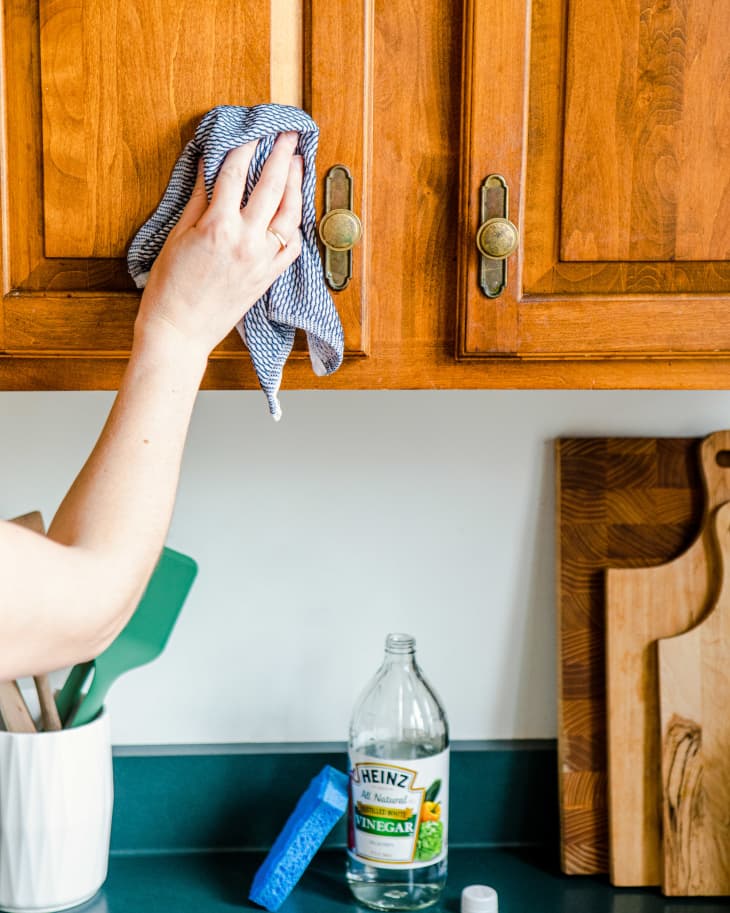
Credit: www.cubbyathome.com
Glass-front Cabinet Tips
Sparkle your glass-front kitchen cabinets with a mix of warm water and mild dish soap. This gentle solution removes grease and grime effectively. For stubborn spots, a splash of vinegar can help without damaging the glass surface. Regular cleaning keeps your cabinets shining brightly.
Glass-front cabinets can add a touch of elegance and sophistication to your kitchen. They allow you to display your favorite dishware while keeping it protected. However, keeping these glass surfaces clean and free from streaks can be challenging. If you've ever wiped down your glass-front cabinets only to see streaks appear once they've dried, you're not alone. Let's dive into some practical tips to keep your glass-front cabinets spotless and well-maintained.
Streak-free Cleaning
Achieving a streak-free finish on your glass-front cabinets can seem elusive, but it's all about technique and the right tools. Start by using a microfiber cloth, as it’s gentle on the glass and effective at picking up dust and grime. Mix equal parts water and vinegar in a spray bottle and lightly spritz the glass. Wipe in a circular motion, then switch to vertical strokes to finish. This approach minimizes streaks and leaves a clear surface. Did you know that cleaning on a cloudy day can help? Direct sunlight can cause your cleaning solution to dry too quickly, leaving streaks.
Protecting Glass Edges
The edges of your glass cabinets are more vulnerable than you might think. Regular cleaning is vital, but so is gentle handling. Avoid applying too much pressure when cleaning around the edges to prevent chipping or cracking. Consider using a soft-bristled brush to clean tight corners and edges. It reaches into those tricky spots without risking damage. Have you ever noticed how fingerprints and smudges tend to gather near the edges? Make a habit of regular touch-ups using a damp microfiber cloth to keep them at bay. Glass-front cabinets are a beautiful but delicate feature in any kitchen. With these tips, you can keep them sparkling and in great condition. What other challenges do you face with your kitchen cabinets? Let's tackle them together!
Preventative Measures
Regular cleaning prevents grime on kitchen cabinets. Use a mix of mild soap and warm water for best results. A soft cloth ensures gentle care, keeping surfaces spotless and extending their life.
Keeping your kitchen cabinets pristine is not just about scrubbing them clean; it also involves taking preventative measures to protect them from future damage. By doing so, you can extend the life of your cabinets and maintain the aesthetic appeal of your kitchen. Let's explore some practical steps you can take to prevent wear and tear on your kitchen cabinets.
Using Cabinet Liners
Consider using cabinet liners to protect the interior surfaces of your cabinets from spills and scratches. Liners are easy to install and can add an extra layer of defense against everyday messes. They come in various materials like vinyl, cork, and even eco-friendly options. Choose a liner that suits your style and needs. The next time you accidentally spill a bit of oil or sauce, you'll be glad for that protective layer. Have you ever noticed how much easier it is to clean a liner than a wooden surface?
Regular Inspection For Damage
Make it a habit to check your cabinets for any signs of damage. Look for loose hinges, peeling paint, or any water stains that might indicate a leak. Catching these issues early can save you from more extensive repairs later. Tightening a loose screw or applying a touch-up paint can make a big difference. Have you ever thought about how often you open and close those cabinet doors? Regular use can cause wear, so a quick inspection can keep them in top shape. Preventative measures may seem small, but they play a crucial role in maintaining your kitchen cabinets. Taking these steps can save you time and money in the long run. What are some preventative measures you find most effective in your kitchen maintenance routine?
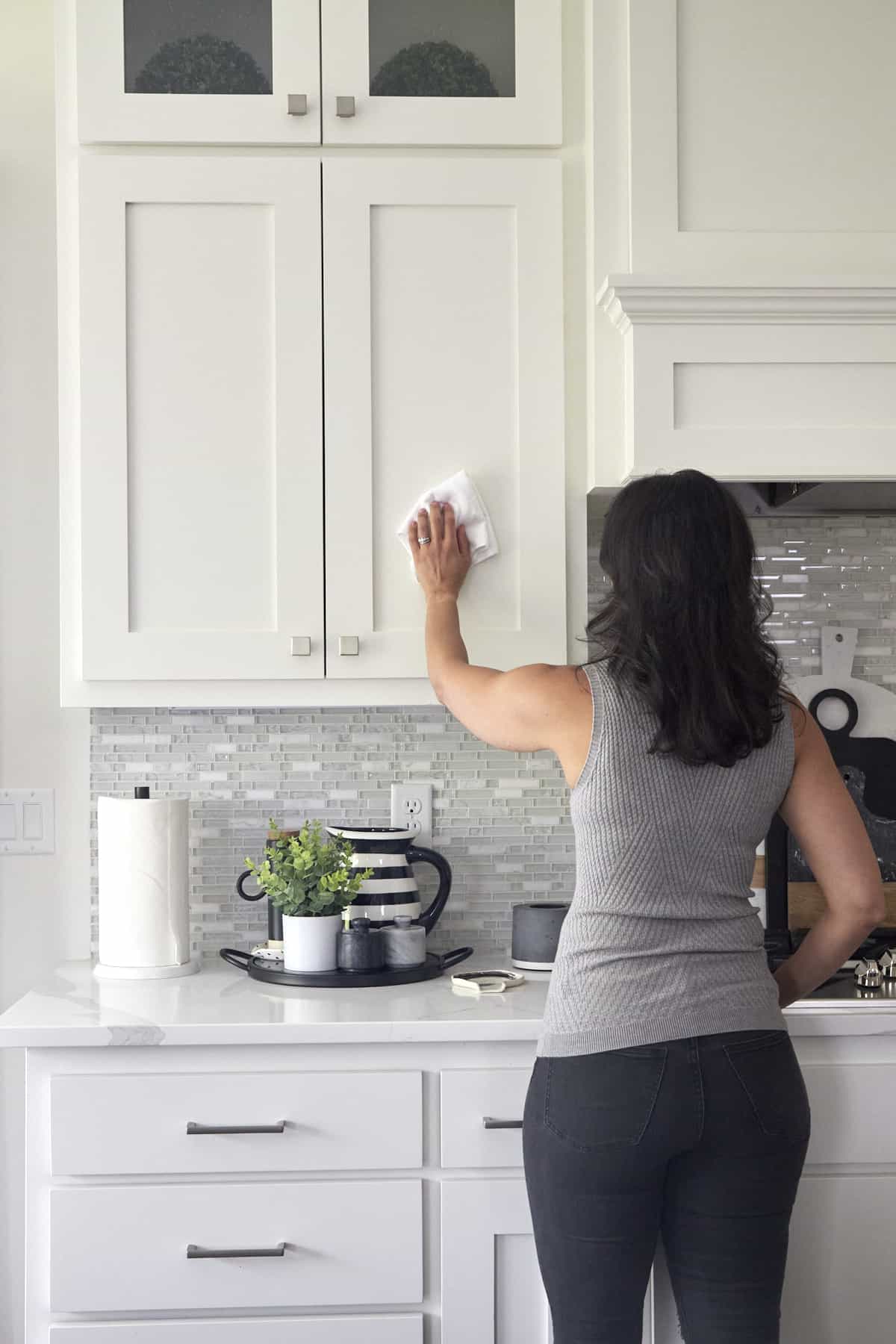
Credit: www.fooddolls.com
Frequently Asked Questions
How To Clean Greasy Kitchen Cabinets?
To clean greasy kitchen cabinets, mix warm water with dish soap. Use a sponge or cloth to scrub the cabinets gently. Rinse with clean water and dry with a towel. Vinegar can also help in cutting through grease effectively.
What Is The Best Cleaner For Kitchen Cabinets?
The best cleaner for kitchen cabinets is a mild dish soap mixed with water. This solution is gentle and effective for most surfaces. For tougher stains, a baking soda paste can be useful. Always test cleaners on a small area first.
Can I Use Vinegar To Clean Cabinets?
Yes, vinegar is a great natural cleaner for cabinets. Mix equal parts vinegar and water for an effective solution. It helps in removing stains and disinfecting surfaces. Avoid using vinegar on unfinished or waxed cabinets as it may damage them.
How Often Should Cabinets Be Cleaned?
Kitchen cabinets should be cleaned every few weeks. Regular cleaning prevents build-up of grease and grime. For areas with heavy use, more frequent cleaning may be necessary. Monthly deep cleaning ensures cabinets remain in good condition.
Conclusion
Cleaning kitchen cabinets doesn't have to be difficult. Use simple methods. Choose the right cleaner for your cabinet type. Regular cleaning keeps them looking new. Wipe spills immediately to prevent stains. Gentle scrubbing removes stubborn grime. Avoid harsh chemicals; they can damage surfaces.
Make cleaning a routine. It saves time and effort later. Proper care extends cabinet life. A clean kitchen feels inviting. Enjoy your cooking space more. Keep it tidy. Your kitchen deserves attention. Happy cleaning!