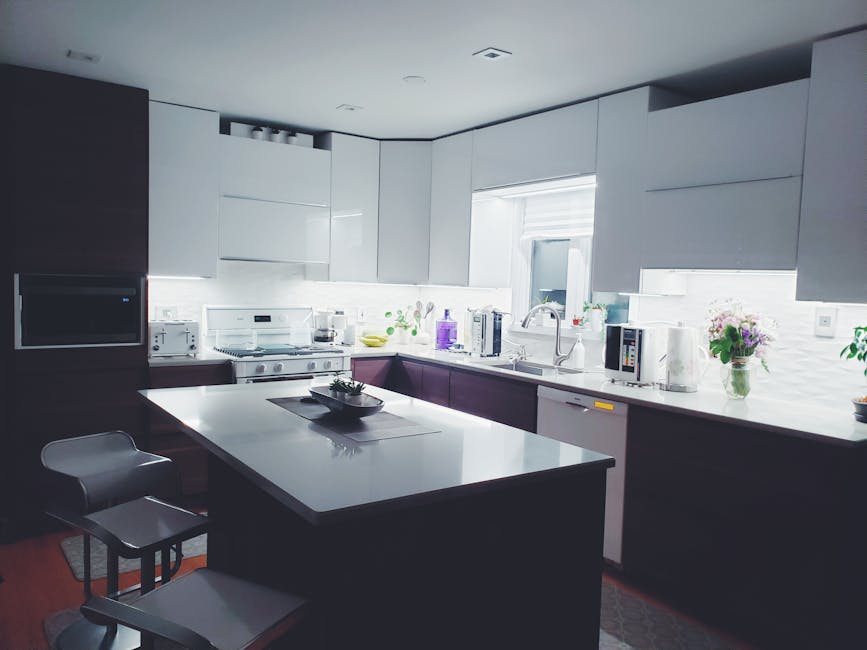

Imagine walking into your kitchen and feeling a sense of harmony and joy every time. Your kitchen isn't just a place to cook; it's the heart of your home, where memories are made and life unfolds.
Designing the best kitchen is about more than just aesthetics—it's about crafting a space that works for you and your family, making every meal a delightful experience. Are you ready to transform your kitchen into a masterpiece of style and functionality?
This guide will show you exactly how, with insights that will captivate your mind and inspire your creativity. Dive in, and discover the secrets to creating a kitchen that you'll love now and for years to come.
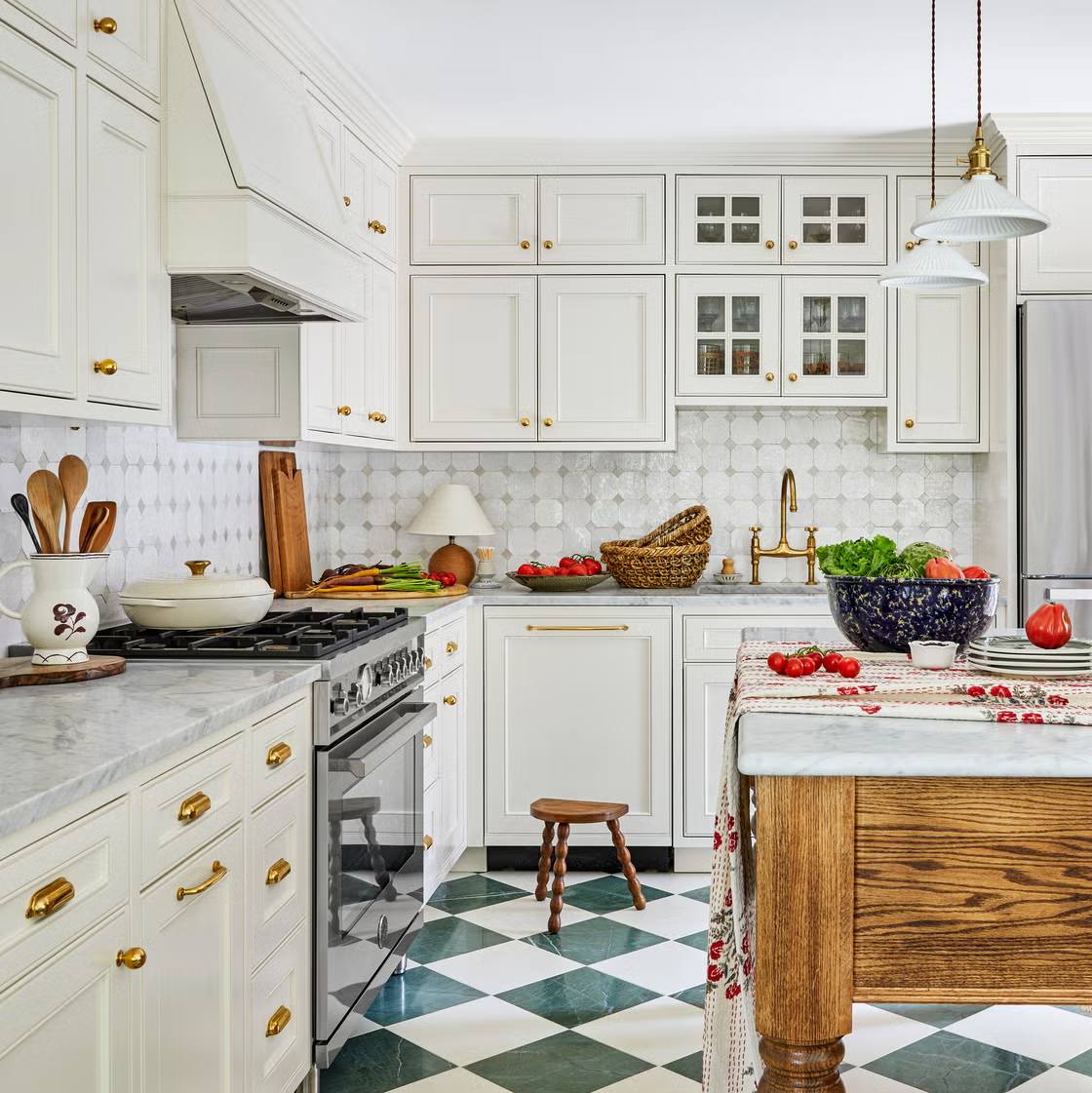
Credit: www.countryliving.com
Choosing The Right Layout
Creating a kitchen that serves both style and function begins with choosing the right layout. It’s not just about aesthetics; it's about making your daily tasks easier and more enjoyable. Whether you're whipping up a quick breakfast or hosting a dinner party, the layout can make or break your experience. Let’s delve into the different aspects you should consider.
Open Vs. Closed Kitchens
Have you ever felt isolated while preparing meals? An open kitchen design might be your answer. It allows you to interact with family and guests while cooking. Plus, it makes your space feel larger and more welcoming. On the flip side, a closed kitchen offers privacy and can hide the mess from dinner parties. Think about how you use your kitchen space daily. Do you prefer a social environment or a more private setting?
Efficient Work Triangle
The work triangle is the heart of any efficient kitchen layout. This concept connects the sink, stove, and refrigerator in a triangular shape, minimizing unnecessary movement. Imagine saving steps when reaching for ingredients or cleaning up! An effective work triangle reduces clutter and increases productivity. Measure the distance between these key areas to ensure they're neither too cramped nor too far apart.
Considerations For Small Spaces
Designing a small kitchen is all about maximizing space without compromising functionality. Opt for vertical storage solutions to save floor space. Think wall-mounted shelves or hanging racks. Utilize every nook and cranny—corner cabinets and pull-out pantry shelves can be game-changers. Ask yourself, how can you make this compact area feel spacious and organized? With smart planning, even a tiny kitchen can become a chef's paradise.
Choosing the right layout is not just a decision; it's an investment in your daily comfort and efficiency. A kitchen tailored to your needs makes cooking a joy rather than a chore. So, what's your vision for your kitchen layout?
Selecting Quality Materials
Designing the best kitchen requires thoughtful choices. Selecting quality materials plays a crucial role in achieving a beautiful and functional space. With the right materials, your kitchen will not only look great but also stand the test of time. Let's explore how to choose the best materials for your kitchen.
Durable Countertops
Countertops are the workhorse of the kitchen. They need to withstand spills, scratches, and heat. Granite and quartz are popular choices for their strength and beauty. Granite offers a natural look, while quartz provides uniform color options. Choose countertops that match your style and are easy to clean.
Cabinetry Options
Cabinetry defines the kitchen's character. Solid wood cabinets are durable and timeless. Oak, maple, and cherry offer rich tones and grain patterns. For a modern touch, consider laminate or thermofoil. These materials provide sleek finishes and resistance to moisture. Pick cabinetry that complements your design vision.
Flooring Choices
Flooring ties the kitchen together. It needs to be sturdy and comfortable underfoot. Hardwood floors bring warmth and elegance. They blend well with any decor. Tile floors are highly durable and come in various styles. Vinyl flooring is a budget-friendly option that mimics wood or stone. Choose flooring that suits your lifestyle and budget.
Incorporating Functional Storage
Designing a kitchen that balances style and practicality isn't easy. Functional storage plays a crucial role in this balance. It transforms clutter into a well-organized space. The right storage solutions can make cooking more enjoyable. They also keep your kitchen neat and tidy. Let's explore some effective ways to integrate functional storage into your kitchen design.
Pull-out Shelves
Pull-out shelves offer easy access to items at the back. No more digging through cabinets to find what you need. These shelves glide out smoothly, saving time and effort. They are perfect for storing pots, pans, and small appliances. Install them in lower cabinets for maximum convenience.
Custom Pantry Solutions
Custom pantry solutions can make a world of difference. Tailor your pantry to suit your needs. Adjustable shelves provide flexibility. Add racks or bins for extra organization. This personal touch ensures everything has a place. Your pantry becomes a haven for cooking essentials.
Innovative Cabinet Designs
Innovative cabinet designs bring a modern feel to your kitchen. Consider cabinets with built-in organizers. They keep spices and utensils within reach. Choose designs with soft-close doors for a quiet kitchen. Opt for vertical storage options to maximize space. These designs enhance both functionality and aesthetics.
Enhancing Lighting
Lighting plays a crucial role in kitchen design. It impacts functionality and mood. Good lighting enhances your kitchen's ambiance and boosts efficiency. Let's explore key lighting elements to transform your space.
Task Lighting Essentials
Task lighting focuses on work areas like counters and sinks. Under-cabinet lights provide direct illumination. They help in chopping and cooking tasks. LED strips or puck lights work well. They're energy-efficient and easy to install. Pendant lights over islands add style and light.
Ambient Lighting Ideas
Ambient lighting creates overall illumination. It's the base layer for your kitchen's light scheme. Ceiling-mounted fixtures or recessed lights are common choices. Choose dimmable options for flexibility. They allow you to adjust brightness for different times of day.
Accent Lighting For Aesthetics
Accent lighting highlights features and adds depth. Use it to showcase artwork or architectural details. Consider spotlighting open shelves or glass cabinets. LED strips can outline the room's edges. It adds a warm and inviting glow. Accent lighting enhances visual interest in your kitchen.
Choosing Appliances
Designing your dream kitchen is an exciting journey, and choosing the right appliances plays a crucial role in that transformation. Not only do appliances impact your kitchen's functionality, but they also influence its style and efficiency. Whether you’re a culinary enthusiast or someone who prefers quick meals, selecting the right appliances can make a world of difference in your cooking experience.
Energy-efficient Options
Energy-efficient appliances can save you money and reduce your carbon footprint. Look for appliances with the ENERGY STAR label, as they consume less electricity and water. Consider swapping your old refrigerator or dishwasher for a newer model that offers superior efficiency. Imagine watching your energy bills decrease while knowing you're contributing to a healthier planet.
Think about how often you use your oven or stove. Induction cooktops are a great energy-saving choice. They heat up faster and use less energy compared to traditional electric or gas options. Are you ready to enjoy quicker meal prep while conserving energy?
Space-saving Appliances
If you're working with a compact kitchen, space-saving appliances are a game-changer. Opt for multi-functional gadgets like microwave ovens that double as convection ovens. They offer the versatility of two appliances in one compact unit.
Consider investing in a slim-profile refrigerator. It can fit seamlessly into smaller kitchens while still providing ample storage. How about choosing a dishwasher drawer instead of a full-sized model? You’ll save space without compromising on cleaning efficiency.
Smart Kitchen Technology
Smart appliances can elevate your kitchen to new heights of convenience. Picture controlling your oven or refrigerator remotely via your smartphone. You'll never have to worry about leaving the oven on when you're out.
Voice-activated assistants can integrate with smart appliances, allowing you to adjust settings hands-free. Ever thought about asking your smart assistant to preheat the oven while you prep ingredients? It's the ultimate time-saver.
Explore smart refrigerators that notify you when groceries are running low. Imagine the ease of having a shopping list generated automatically. Are you ready to embrace a kitchen that works for you?
Choosing appliances for your kitchen is a chance to blend functionality with innovation. What choices will make your cooking experience more enjoyable and efficient?
Incorporating Style And Aesthetics
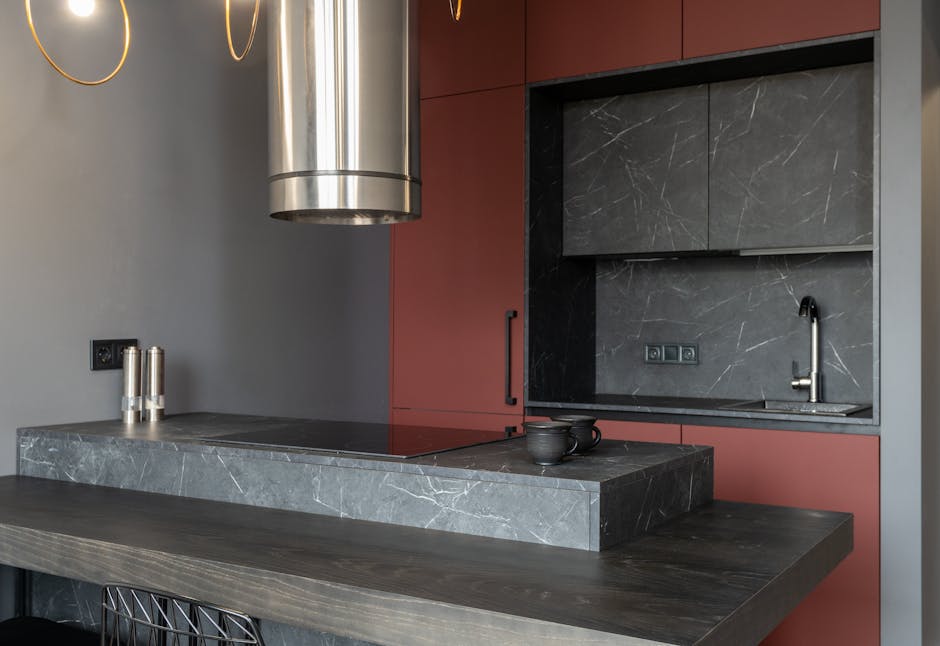
Designing a kitchen involves balancing style and function. Choose colors that match the home's feel. Add sleek cabinets and lighting for a modern touch. Opt for durable materials to ensure longevity.
Incorporating style and aesthetics into your kitchen design enhances the space's appeal. A well-designed kitchen not only functions well but also looks inviting. Colors, decorations, and theme cohesion are key elements. These aspects bring warmth and personality to your kitchen. Let's dive into each element to create a stunning kitchen.
Color Schemes
Choosing the right colors sets the kitchen's mood. Light colors make a small space feel bigger. Darker tones add depth and elegance. Consider a neutral base with colorful accents. This approach allows flexibility in decor changes. Balance is key. Too many colors can overwhelm the space.
Decorative Elements
Decorative elements add charm to your kitchen. Consider open shelves to display pretty dishes. Hang art or a stylish clock on the walls. Plants bring life and freshness to any kitchen. Lighting fixtures should match the style you desire. Choose pendant lights or a unique chandelier for flair.
Theming And Cohesion
A cohesive theme ties the kitchen's elements together. Decide on a style like modern, rustic, or traditional. Match cabinets, countertops, and appliances to this theme. Consistency in materials and finishes enhances harmony. Ensure every element complements the overall aesthetic. This creates a space that feels well-thought-out and inviting.
Safety And Ergonomics
Designing the best kitchen requires focusing on safety and ergonomics. Easy-to-reach shelves and slip-resistant floors ensure a safer environment. Proper lighting and adjustable counters enhance functionality and comfort while cooking.
Designing a kitchen is not just about style; it's also about ensuring that your space is both safe and comfortable to use. Safety and ergonomics play a crucial role in creating a kitchen that not only meets your aesthetic needs but also promotes a healthy and accident-free environment. A well-thought-out kitchen design can protect your loved ones and make cooking a more enjoyable experience. Let’s dive into some practical insights on how to enhance safety and ergonomics in your kitchen.
Child-proofing Considerations
If you have young children, child-proofing your kitchen is non-negotiable. Install safety latches on cabinets and drawers, especially those that store sharp objects or cleaning supplies. Consider using stove knob covers to prevent curious fingers from turning on the burners. Keep hazardous items like knives and appliances out of reach. Organize these in upper cabinets or use wall-mounted racks. Do you have heavy pots and pans? Store them lower to avoid any accidents when reaching up high. Use corner guards on countertops to soften sharp edges. This simple addition can prevent bumps and bruises for kids (and adults!) racing around.
Ergonomic Design Features
An ergonomic kitchen is one that reduces unnecessary strain and effort. Start by ensuring your countertops are at a comfortable height. This can make food prep more enjoyable and less tiring. Think about the "kitchen triangle" – the ideal distance between your stove, sink, and refrigerator. It should allow you to move easily and minimize steps while cooking. Install pull-out shelves in cabinets to reduce bending and reaching. A lazy Susan can also make it easier to access items stored in corner cabinets. Have you considered adding a cushioned mat in front of the sink? It can make standing for long periods more comfortable.
Safe Appliance Placement
Where you place your appliances matters. Make sure your stove is not directly next to your refrigerator. This setup can cause your fridge to work harder and increase energy bills. Avoid putting your microwave at eye level, especially if you have children. Instead, place it on a lower shelf to prevent hot spills. Ensure your dishwasher is positioned near the sink. This makes it easier to load and unload dishes without dripping water all over your kitchen floor. When arranging your kitchen, keep your family’s daily routines in mind. What layout will make meal prep easier and safer for everyone? Designing a kitchen with safety and ergonomics in mind can transform how you and your family enjoy this essential part of your home. Prioritize these aspects, and you’ll create a space that’s both beautiful and functional.
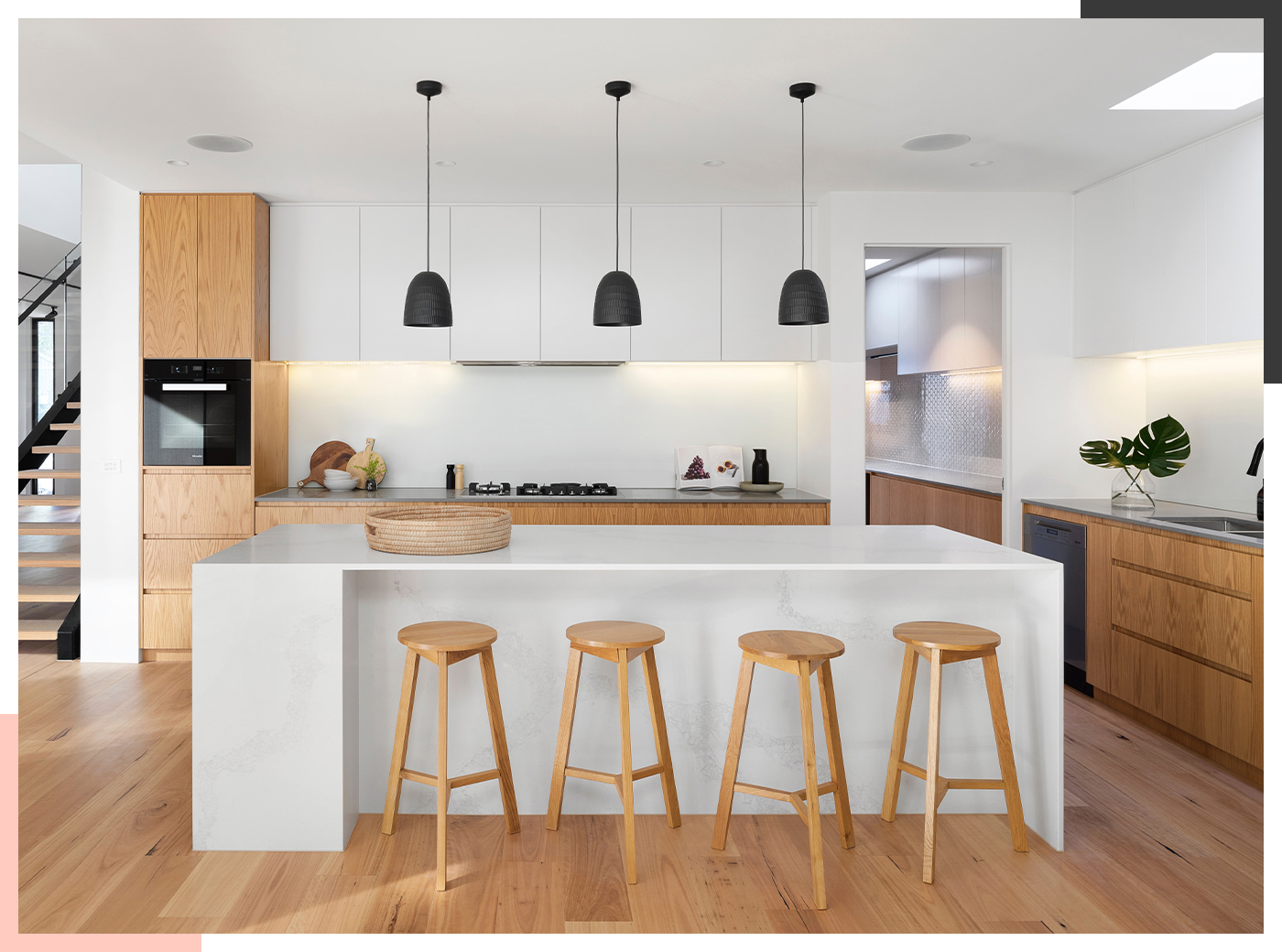
Credit: foyr.com
Sustainability In Design
Designing a kitchen with sustainability in mind offers numerous benefits. It reduces environmental impact, promotes healthier living, and saves money long-term. Embracing eco-friendly features can transform your kitchen into a more responsible space. Let's explore essential elements that contribute to sustainable kitchen design.
Eco-friendly Materials
Choose materials that have a low environmental footprint. Bamboo is a great option as it grows quickly. Reclaimed wood offers uniqueness and reduces waste. Recycled glass countertops are stylish and eco-conscious. These materials minimize resource depletion and pollution.
Water-saving Fixtures
Install fixtures that conserve water effectively. Low-flow faucets and aerators reduce water usage significantly. Dual-flush toilets offer different options for liquid and solid waste, saving gallons. These fixtures help preserve water and reduce utility bills.
Waste Reduction Strategies
Incorporate strategies to minimize waste in your kitchen. Composting scraps turn waste into valuable nutrients for soil. A recycling system ensures materials are reused and not discarded. Use sustainable packaging when buying products to reduce trash. These actions contribute to a cleaner environment.
:strip_icc()/MLID_Liniger-84-d6faa5afeaff4678b9a28aba936cc0cb.jpg)
Credit: www.mydomaine.com
Frequently Asked Questions
What Is The Best Kitchen Layout?
The best kitchen layout depends on your space and needs. Popular layouts include U-shaped, L-shaped, and galley designs. U-shaped kitchens maximize counter space and storage, while L-shaped designs offer open flow. Galley kitchens are ideal for small spaces, providing efficiency and accessibility.
How Can I Optimize Kitchen Storage?
To optimize kitchen storage, use vertical space and smart organizers. Install cabinets reaching the ceiling to maximize storage. Use pull-out drawers and lazy Susans for easy access. Consider open shelving for frequently used items. Smart storage solutions enhance functionality and keep your kitchen clutter-free.
Which Materials Are Best For Kitchen Countertops?
Quartz, granite, and marble are popular countertop materials. Quartz is durable and low maintenance. Granite offers a unique, natural look and is heat-resistant. Marble provides elegance but requires maintenance. Choose based on durability, aesthetics, and budget to find the best fit for your kitchen.
How Do I Select The Right Kitchen Colors?
Choose kitchen colors that match your style and enhance space. Light colors make small kitchens appear larger, while dark tones add warmth. Neutral shades offer timeless elegance. Consider your cabinetry and appliances when selecting colors. Proper color selection creates a cohesive and inviting kitchen atmosphere.
Conclusion
Creating the perfect kitchen involves thoughtful design choices. Focus on functionality and style. Choose colors that brighten and inspire. Select appliances that fit your needs. Consider storage solutions for organization. Prioritize comfort with ergonomic layouts. Lighting plays a crucial role; ensure good brightness.
Personal touches make the space feel welcoming. Remember, a kitchen is the heart of your home. Make it a place where memories are made. With careful planning, your dream kitchen is within reach. Enjoy every step of the design journey.
Your perfect kitchen awaits.