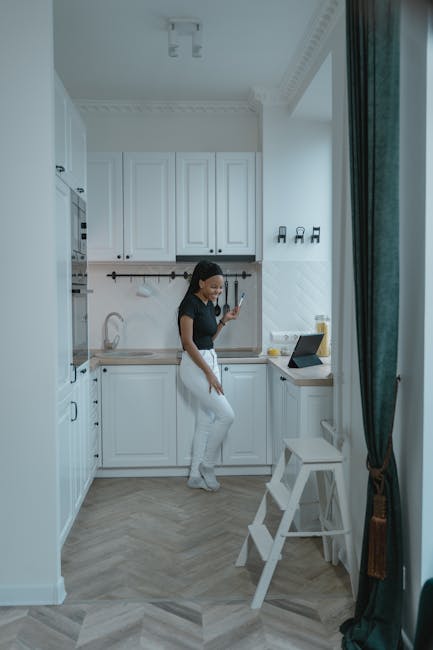
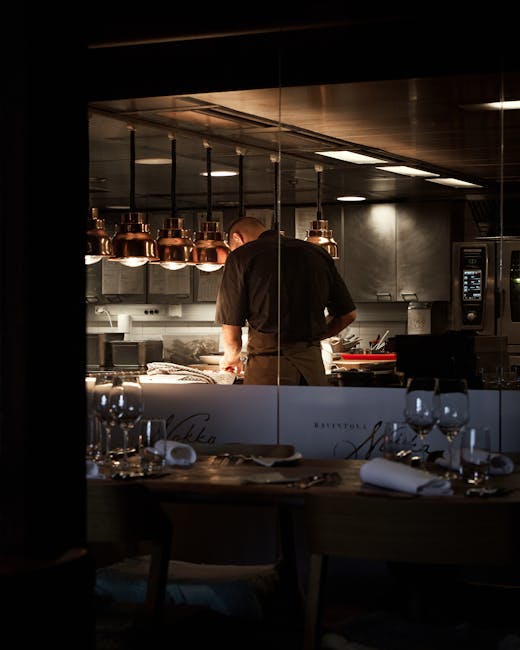
Imagine walking into your kitchen and being greeted by tools that not only make cooking a breeze but also inspire creativity. Designing kitchen equipment is not just about functionality; it's about crafting an experience.
Have you ever wondered how to transform your kitchen into a space that truly reflects your style while enhancing efficiency? You'll discover simple steps to design kitchen equipment that fits your needs perfectly. Whether you're a seasoned chef or a cooking enthusiast, the right equipment can elevate your culinary adventures.
By the end, you'll have the insights and inspiration to create kitchen gear that feels custom-made for you. Get ready to unlock the secrets of kitchen design that speak directly to your tastes and lifestyle.
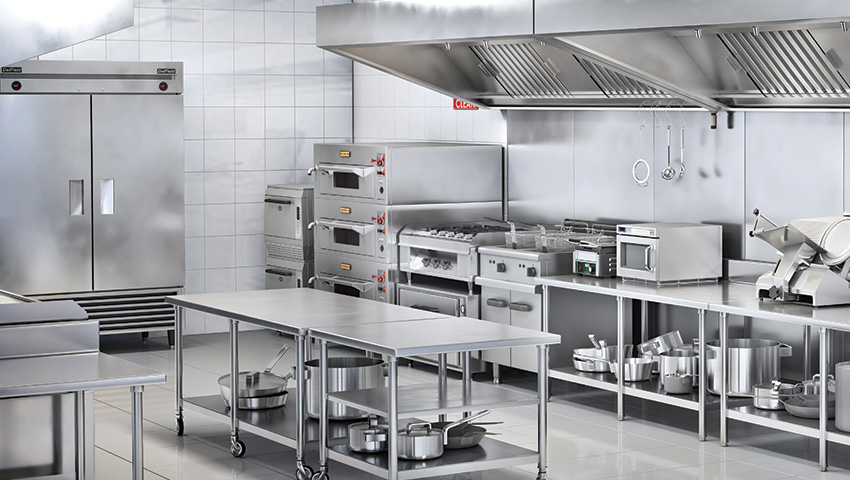
Credit: www.hubert.com
Key Principles Of Kitchen Equipment Design
Designing kitchen equipment involves focusing on functionality, durability, and ease of use. Choose materials that withstand heat and moisture. Prioritize ergonomic designs to enhance user comfort and efficiency.
Designing kitchen equipment is both an art and a science. It involves understanding user needs, ensuring functionality, and maintaining aesthetic appeal. At its core, the design should simplify tasks and enhance the cooking experience. Let's dive into the key principles that guide successful kitchen equipment design.
1. Functionality First
When designing kitchen tools, functionality is paramount. A knife should cut effortlessly, and a blender should mix without struggle. Think about how you use your tools. Does the handle fit comfortably in your hand? Is the weight balanced? These small details can make a big difference in daily use.
2. Safety And Ergonomics
Safety is non-negotiable. Sharp edges should have protective covers. Electrical equipment needs to have fail-safes. Ergonomics also play a crucial role. Consider the posture you maintain while using a mixer or chopping vegetables. Tools that reduce strain or discomfort are not just more pleasant to use; they also reduce the risk of injury.
3. Durable Materials
Durability ensures longevity. Stainless steel is a popular choice for its resistance to rust and wear. Plastic components should be BPA-free and able to withstand high temperatures. If you've ever had a spatula melt on a hot pan, you understand the importance of material choice.
4. Easy Maintenance
Nobody wants to spend extra time cleaning. Design equipment that's easy to disassemble and clean. Dishwasher-safe components save time and effort. Consider how often you'll use the item and how easy it is to maintain. An easy-to-clean juicer is more likely to be used daily.
5. Aesthetics And Design
Kitchen equipment should look as good as it works. Sleek lines and modern finishes can elevate the look of your kitchen. But beauty should never compromise function. A beautifully designed coffee maker is a joy to wake up to, but it should also brew an excellent cup of coffee.
6. Environmental Considerations
Think about the environmental impact. Recyclable materials and energy-efficient designs are becoming increasingly important. Consider if parts can be replaced rather than the whole item being discarded. Making eco-conscious choices can make your kitchen greener and more sustainable. Designing kitchen equipment that meets these principles can transform your cooking experience. What aspects do you prioritize in your kitchen tools?
Essential Tools For Designers
Designing kitchen equipment requires essential tools. Sketching software helps visualize ideas clearly. 3D modeling programs bring designs to life. Precision tools ensure accuracy in measurements.
Designing kitchen equipment requires a blend of creativity, functionality, and precision. As a designer, you need the right tools to bring your ideas to life. These essential tools streamline your workflow, enhance your creativity, and ensure your designs are practical. Whether you're sketching a new utensil or planning the layout of a kitchen gadget, having the right tools can make all the difference.
Computer-aided Design (cad) Software
CAD software is a must-have for any kitchen equipment designer. It allows you to visualize your ideas in a three-dimensional space. You can easily tweak dimensions and experiment with different materials. Imagine crafting a sleek knife handle or a compact food processor. CAD software enables you to see how your designs will look and function before production begins.
Prototyping Tools
Creating a physical prototype can provide insights that digital models can't. Tools like 3D printers or CNC machines help you create tangible versions of your designs. They let you test ergonomics and durability firsthand. You might find that a handle needs a curve for better grip or a spatula requires a different material for heat resistance.
Material Libraries
Understanding materials is crucial in kitchen equipment design. A comprehensive material library can guide you in selecting the best options for durability and aesthetics. You might choose stainless steel for a sturdy frying pan or silicone for a flexible spatula. Knowing the properties of each material helps you make informed decisions.
Sketching Tools
Before diving into digital design, sketching tools are invaluable. They allow you to quickly capture ideas and explore different forms. A simple pencil and paper can often be the starting point for innovative designs. Sketching fosters creativity, helping you brainstorm different shapes and sizes for your kitchen tools.
Feedback And Testing Platforms
Involving others in your design process can be a game-changer. Feedback platforms enable you to gather user opinions and insights. Testing prototypes with potential users can reveal hidden flaws or confirm your design's strengths. Wouldn't you want to know if the knife you're designing is as comfortable to use as it looks? Engaging with real users provides valuable feedback.
Design Inspiration Sources
Sometimes, the spark of creativity comes from unexpected places. Inspiration can come from nature, art, or even everyday objects. Keep an open mind and explore various sources to ignite new ideas. What if the curvature of a leaf inspires the handle of a ladle? Let your surroundings guide your creativity.
Collaboration Tools
Designing kitchen equipment is often a collaborative effort. Tools like shared platforms and communication apps facilitate teamwork. They help you share ideas, receive feedback, and coordinate with other designers or engineers. Working together can refine your design and bring new perspectives to the table. These tools are the backbone of effective kitchen equipment design. They simplify complex processes and enhance creativity. What tools do you find most valuable in your design journey? Embrace these resources, and watch your kitchen designs evolve into functional masterpieces.
Material Selection
Material selection plays a crucial role in kitchen equipment design. It affects durability, safety, and sustainability. Choosing the right materials ensures longevity and user satisfaction.
Durability And Safety
Durability is essential for kitchen equipment. Stainless steel is popular due to its strength. It resists rust and withstands high temperatures. Non-toxic materials ensure safety. Avoid lead and cadmium in equipment. Check for certifications that guarantee safety.
Sustainability Considerations
Sustainability impacts material choices. Opt for renewable materials like bamboo. Recycled metals can reduce environmental impact. Look for energy-efficient manufacturing processes. Sustainable materials contribute to eco-friendly kitchens. They help in preserving resources for future generations.
Ergonomics In Design
Ergonomics in design plays a vital role in kitchen equipment. It ensures comfort and efficiency for users. Thoughtful design can transform everyday cooking experiences. A well-designed kitchen tool reduces strain and enhances productivity. Focusing on ergonomics helps in creating user-friendly and accessible products.
User-friendly Features
User-friendly features make kitchen tools easy to use. Handles should fit comfortably in hand. This reduces fatigue during use. Intuitive controls also enhance user experience. A simple interface minimizes confusion. Clearly labeled buttons and switches are essential. They guide users effortlessly through tasks.
Accessibility Factors
Accessibility ensures everyone can use kitchen equipment with ease. Tools should accommodate various abilities. Adjustable components are beneficial. They cater to different user needs and preferences. Lightweight materials make tools easy to lift. This is crucial for users with limited strength. Design should also consider left-handed users. Ambidextrous designs offer equal convenience.
Aesthetics And Functionality
Creating kitchen equipment involves merging beauty with practicality. Both aesthetics and functionality matter. An appealing look attracts buyers. Efficient design ensures usability. Designers must blend these elements seamlessly.
Balancing Form And Function
Form and function are both crucial. A well-designed tool looks good and works well. Start with the purpose. What will the tool do? Consider user needs. An ergonomic handle enhances comfort. A sleek design appeals visually. Choose materials wisely. Durable materials ensure long-lasting use. A balance creates a successful product.
Color And Finish Options
Color impacts mood and choice. Bright colors can energize. Neutral tones provide calm. Consider the kitchen's color scheme. Match or contrast with existing decor. Finishes add texture. Glossy finishes feel modern. Matte surfaces offer a classic look. The right combination of color and finish enhances appeal.
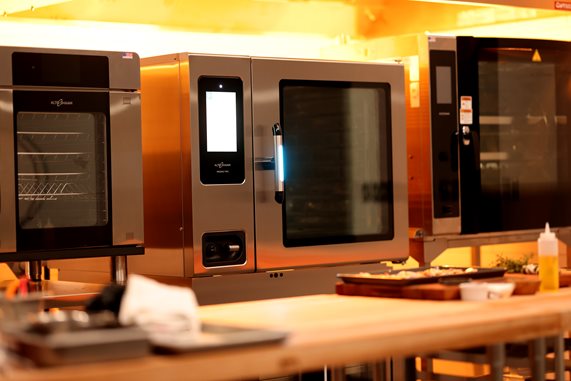
Credit: www.alto-shaam.com
Incorporating Technology
Integrating technology into kitchen equipment design can enhance functionality and user experience. Smart features like touchscreens and automated settings streamline tasks, making cooking easier and more efficient. Innovators should prioritize user-friendly interfaces and energy-efficient systems for a modern kitchen.
Incorporating technology into kitchen equipment has transformed how we cook and interact with our culinary spaces. Imagine walking into your kitchen and having your coffee brewed just the way you like it or your oven preheated at the perfect temperature—all before you even touch a button. This isn't a sci-fi movie; it's today’s reality. As more appliances come equipped with smart technology and energy-efficient features, designing a tech-savvy kitchen is now within reach for everyone. Let’s explore how these advancements can make your kitchen not just modern, but also incredibly functional and efficient.
Smart Features
Smart kitchen equipment is all about convenience and control. Picture this: you're at the grocery store and can't remember if you have enough milk. Your smart fridge can send you a snapshot of its contents straight to your phone. This is just one example of how smart features can simplify your life. These appliances are designed to learn your preferences. Some ovens remember your favorite recipes and adjust cooking times and temperatures accordingly. This means you spend less time worrying about settings and more time enjoying your meals. Many devices now sync with your smartphone or home assistants like Alexa or Google Home. This connectivity allows you to operate your appliances remotely, adding a layer of convenience that might make you wonder how you ever managed without it.
Energy Efficiency
Energy efficiency in kitchen equipment not only helps the planet but also saves you money. Consider energy-efficient dishwashers that use less water and electricity, cutting down your utility bills while being eco-friendly. Modern refrigerators come with energy-saving modes that adjust cooling based on usage patterns. This means they work harder when full and less when not, optimizing energy consumption. LED lighting in appliances is another smart choice for energy conservation. It lasts longer and uses less power compared to traditional lighting options. By choosing energy-efficient appliances, you make a conscious decision to reduce your carbon footprint and keep your kitchen green. Incorporating technology in kitchen equipment is not just a trend, it’s a smart choice for a functional, efficient, and future-ready kitchen. Are you ready to upgrade your culinary space with these innovative features?
Prototyping And Testing
Designing kitchen equipment involves creating prototypes and testing them for usability and safety. These steps help refine the design, ensuring it meets user needs effectively. Testing provides valuable feedback, leading to improvements before final production.
Creating effective kitchen equipment requires careful prototyping and testing. This step ensures the product works well and meets user needs. Through this process, designers can identify and fix issues early. Testing prototypes helps refine the design for better usability and safety.
Iterative Design Process
An iterative design process is key in prototyping. Designers start with a basic model and improve it over time. Each version is tested to find flaws and potential improvements. This cycle repeats until the design meets all requirements. The result is a product that functions efficiently and safely.
Feedback And Refinement
Feedback is crucial during testing. Real users provide insights on what works and what doesn't. Designers use this feedback to refine the prototype. Adjustments are made to enhance performance and user satisfaction. This refinement ensures the final product is user-friendly and reliable. `
Regulatory Compliance
Designing kitchen equipment requires strict attention to regulatory compliance. Ensure materials are food-safe and meet health standards. Adhere to safety guidelines for electrical and mechanical components.
Designing kitchen equipment isn't just about aesthetics and functionality; it's also about ensuring that your designs comply with various regulatory standards. Regulatory compliance is crucial to making sure your kitchen equipment is safe for consumers and environmentally friendly. It involves adhering to a set of rules and guidelines that vary by country and region. But don't let this intimidate you. With a little diligence, you can navigate these requirements effectively.
Safety Standards
Safety standards are the backbone of regulatory compliance for kitchen equipment. These standards ensure that your products are not only effective but also safe for use. Think about it—would you want to use a blender that might short-circuit and cause a fire? Consider the Underwriters Laboratories (UL) certification. It’s a mark of safety that gives consumers peace of mind. Adhering to these standards can be a marketing advantage. When you meet these safety benchmarks, you gain consumer trust and reduce legal risks.
Environmental Regulations
Environmental regulations are increasingly important in today's eco-conscious world. Designing kitchen equipment that meets these regulations can be a selling point for environmentally aware consumers. You might wonder, how can a simple kitchen gadget be environmentally friendly? Focus on using materials that are recyclable or biodegradable. Opt for energy-efficient designs that consume less power. For instance, induction cooktops are known for their energy efficiency compared to traditional gas or electric stoves. Compliance with these regulations not only helps the planet but also enhances your brand image. It shows that you care about more than just profits—you’re committed to a sustainable future. Isn't that a message worth sharing? Incorporating these regulatory aspects into your design process may seem daunting at first. But once you understand their importance, they become an integral part of creating effective and responsible kitchen equipment. Are you ready to take your designs to the next level by meeting these essential standards?
Trends In Kitchen Equipment Design
Modern kitchen equipment design focuses on sleek lines and efficient function. Materials like stainless steel and glass create a clean look. Smart features, like touch controls, enhance usability and style.
Trends in Kitchen Equipment Design The world of kitchen equipment design is ever-evolving, with trends that redefine how you interact with your culinary space. As someone who recently revamped my own kitchen, I can tell you that keeping up with these trends can transform cooking from a chore into a delightful experience. Whether you’re looking to update your kitchen or planning a full redesign, understanding these trends can help you make choices that are both stylish and functional.
Minimalist Designs
Minimalism is not just a design choice; it's a lifestyle. In today's kitchens, sleek lines and clutter-free counters create an inviting space to cook and entertain. You might find yourself gravitating towards appliances that blend seamlessly into the background, offering a clean and organized look. Consider refrigerators with hidden handles or induction cooktops that disappear into the countertop when not in use. These designs focus on simplicity and efficiency, reducing distractions and emphasizing the joy of cooking. Imagine opening your kitchen cupboard and knowing exactly where everything is because your space is uncluttered and purposeful.
Customizable Solutions
Customization in kitchen equipment design is like tailoring a suit—it fits perfectly to your needs and style. If you’ve ever wished for an oven that caters to your baking habits or a fridge with compartments designed for your grocery needs, customization is your answer. Think about modular shelving units that adjust to fit your cookware or smart appliances that adapt to your cooking preferences. With customizable solutions, you can create a kitchen that evolves with your lifestyle, making it both a personal and practical space. This trend is perfect for those who want their kitchen to be as unique as their culinary creations. What if your kitchen could adapt to your growing family or new cooking adventures? Customization makes it possible, ensuring your kitchen remains a vital and vibrant part of your home. By paying attention to these trends, you can create a kitchen that not only meets your needs but also enhances your daily life. So, which trend resonates with you the most? Is it the calm of minimalism, or the flexibility of customization? Your kitchen is a canvas, ready for your personal touch.
Collaboration With Manufacturers
Collaborating with manufacturers is crucial in designing kitchen equipment. It ensures quality and innovation. This partnership brings expert craftsmanship and knowledge. With a reliable manufacturer, designers can bring their ideas to life. The collaboration process involves careful planning and communication. Clear goals must be set to achieve successful outcomes. Let's explore how to choose the right partner and production considerations.
Choosing The Right Partner
Choosing the right manufacturer involves thorough research. Evaluate their expertise in kitchen equipment design. Check their reputation in the industry. Look for a strong track record of successful projects. Assess their ability to adapt to new trends. Communication is key for effective collaboration. Ensure they understand your vision and goals.
Production Considerations
Production considerations are vital in kitchen equipment design. Consider the materials used for durability and safety. Review the manufacturer’s production capacity. Ensure they can meet your demand. Quality control processes should be in place. This guarantees consistent high standards. Discuss timelines to avoid delays. Efficient production ensures timely delivery.
Credit: modernrestaurantmanagement.com
Frequently Asked Questions
What Are Key Elements In Kitchen Equipment Design?
Key elements include functionality, safety, ergonomics, and aesthetics. Functionality ensures efficiency in kitchen tasks. Safety features prevent accidents and injuries. Ergonomics enhance user comfort and ease of use. Aesthetics add visual appeal, complementing the kitchen decor.
How Does Material Choice Affect Kitchen Equipment?
Material choice impacts durability, maintenance, and appearance. Stainless steel is durable and easy to clean. Wood offers warmth and style but needs care. Plastic is lightweight and versatile but may not last long. Choose materials based on your needs and preferences.
Why Is Ergonomics Important In Kitchen Design?
Ergonomics improve user comfort and reduce strain during kitchen tasks. Proper ergonomics ensure that equipment is accessible and easy to use. They help prevent injuries and enhance efficiency. Design equipment with user-friendly handles and controls for better ergonomics.
How Can Technology Enhance Kitchen Equipment?
Technology can enhance functionality, efficiency, and convenience. Smart appliances offer automated features and remote control options. They can save energy and time. Advanced sensors improve safety and precision. Technology can also provide personalized cooking experiences and recipes.
Conclusion
Crafting kitchen equipment requires creativity and thoughtfulness. Focus on user comfort and functionality. Choose materials that are durable and safe. Keep designs simple yet efficient. Pay attention to modern trends and technological advancements. Make sure aesthetics align with practical use.
Test prototypes thoroughly before finalizing. Gather feedback from real users for improvements. Remember, successful kitchen tools blend form and function seamlessly. With these guidelines, designing effective kitchen equipment becomes achievable. Your designs will enhance culinary experiences in every kitchen. Happy designing!