
Imagine transforming your kitchen into a space that not only fulfills your culinary dreams but also becomes the heart of your home. A well-designed kitchen island can do just that.
Are you ready to unlock the potential of your kitchen by creating the perfect island? Whether you're dreaming of extra prep space, a cozy breakfast nook, or a stylish centerpiece for entertaining guests, a kitchen island can make it all possible.
In this guide, you will discover the secrets to designing a kitchen island that perfectly fits your needs and style. Dive in, and let's create a space that you'll love spending time in every day. Your dream kitchen island is just a few steps away.

Credit: m.youtube.com
Choosing The Right Size
Choosing the right size for your kitchen island can make or break its functionality. The perfect size ensures smooth movement and complements your kitchen's style. A well-sized island enhances efficiency, offering ample space for cooking and gathering. Keep reading to understand how to select the right dimensions for your kitchen island.
Measuring Your Space
Begin by measuring your kitchen area accurately. This step is crucial to prevent overcrowding. Use a tape measure to determine the length and width of the available space. Consider the paths around the island, allowing at least 36 to 48 inches for walking. This distance ensures ease of movement and accessibility.
Consider your kitchen's layout while measuring. An open-plan kitchen may allow for a larger island. In smaller kitchens, a compact island might be more suitable. Document all measurements for reference during the planning stage.
Proportions And Balance
Achieving the right proportions is essential for a harmonious kitchen design. The island should not dominate the room. Instead, it should blend naturally with existing elements. Balance the size of the island with your kitchen's dimensions and features.
Consider the relationship between the island and kitchen appliances. Ensure easy access to the refrigerator, stove, and sink. The island should enhance functionality, not hinder it. Visual balance is equally important. A well-proportioned island complements the overall kitchen aesthetic.
Material Selection
Choosing the right materials ensures your kitchen island is both stylish and functional. Wood offers warmth, while granite adds elegance. Consider durability and maintenance needs to find the best fit for your lifestyle.
When designing the perfect kitchen island, material selection plays a crucial role. It influences the island's functionality, appearance, and longevity. Choosing the right materials ensures your kitchen island remains a centerpiece for years. Let's delve into key aspects of material selection.
Durability And Maintenance
Durability is vital for a kitchen island. Consider materials that withstand daily wear. Granite and quartz are popular for their strength. They resist scratches and stains, making them ideal for busy kitchens. Wood offers warmth but demands regular upkeep. Sealing and oiling wood surfaces protect them from damage. Stainless steel provides a modern look and is easy to clean. It's resistant to heat and moisture, perfect for active kitchens.
Aesthetic Considerations
Aesthetic choices shape the island's style. Granite and marble offer elegant patterns and colors. They add luxury to any kitchen. Wood brings a rustic charm. It complements traditional and farmhouse designs. For a sleek, contemporary feel, stainless steel is perfect. Its shiny finish suits modern decor. Concrete gives a unique, industrial vibe. You can customize its color and texture easily. Consider these options to match your kitchen's overall theme.
Functionality And Features
Designing a kitchen island requires careful planning. It must be functional and feature-rich. A well-designed island enhances kitchen efficiency. It serves as a hub for various tasks. Focus on storage, appliances, and layout.
Storage Solutions
Storage is crucial in kitchen island design. Include drawers for utensils and gadgets. Cabinets are great for pots and pans. Open shelves can display decorative items. Consider pull-out trays for easy access. Use dividers to organize cutlery.
Maximize vertical space with tall cabinets. Install hooks for hanging towels and pots. Choose adjustable shelves for flexibility. Ensure storage meets your cooking needs. Every inch should be utilized effectively.
Incorporating Appliances
Appliances add functionality to kitchen islands. Include a built-in cooktop for meal prep. A sink can enhance cleaning efficiency. Dishwashers save time and water. Refrigerators keep ingredients within reach. Wine coolers provide convenient drink storage.
Consider placing outlets for small appliances. Install a microwave below the counter. Ensure proper ventilation for cooktops. Plan appliance placement for workflow efficiency. Choose appliances that match your kitchen style.
Design Styles
Designing the perfect kitchen island begins with choosing a style. The island should reflect the overall theme of your kitchen. It can serve as a centerpiece, blending function with aesthetics. Explore different design styles to find what suits you. Each style offers unique characteristics and features. Let’s delve into some popular design styles for kitchen islands.
Modern And Minimalist
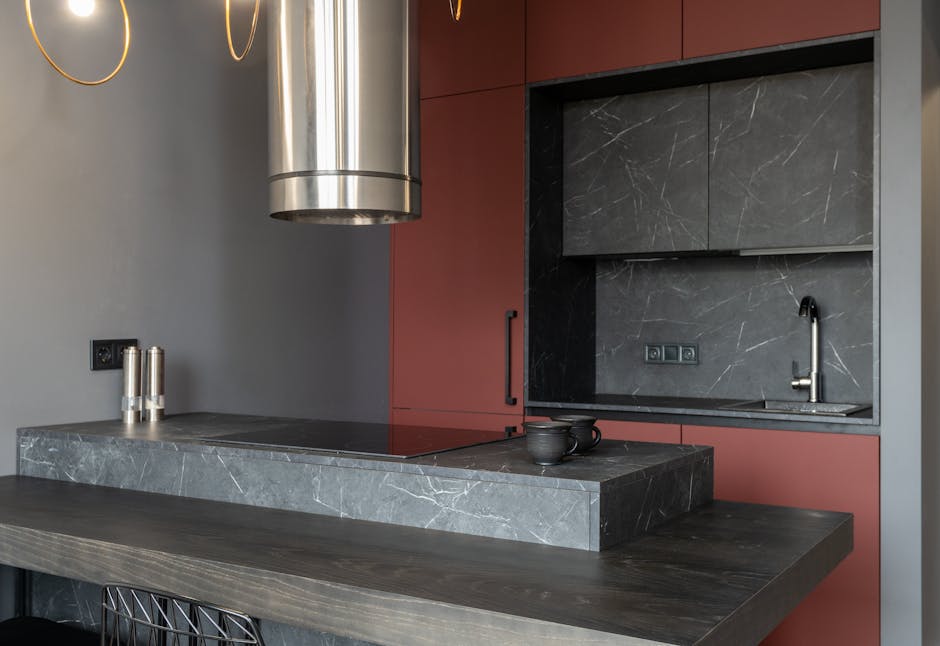
The modern and minimalist style embraces clean lines. It often uses neutral colors like white, gray, and black. Materials like stainless steel and quartz are common. These materials offer a sleek and polished look. The design focuses on functionality and simplicity. No clutter, just essential elements. Cabinets and drawers are often hidden. This maintains a seamless appearance. Lighting is crucial, often featuring pendant lights. These lights add elegance without overwhelming the space.
Traditional And Classic
Traditional and classic styles favor timeless appeal. They often use rich wood tones and detailed carvings. These elements create a warm and inviting atmosphere. Countertops might feature granite or marble. These materials add a touch of luxury. Intricate moldings and raised panels are common. They contribute to the classic charm. This style often includes decorative corbels and legs. Such details add character and sophistication. Lighting fixtures may include chandeliers or ornate pendants. These enhance the traditional elegance of the space.
Lighting Options
Achieving the ideal kitchen island design hinges on thoughtful lighting choices. Select pendant lights for focused illumination. Consider under-cabinet lighting to enhance function and ambience, ensuring a well-lit, inviting space.
Designing the perfect kitchen island involves more than just choosing materials. Lighting plays a crucial role in transforming the space. Proper lighting enhances functionality and aesthetics. It creates a welcoming atmosphere. Explore different lighting options to achieve the best results.
Task Lighting
Task lighting helps with specific activities. It’s essential for cooking and food preparation. Pendants are a popular choice for task lighting. They provide focused light on the countertop. Recessed lights are another option. They offer flexibility and efficiency. Under-cabinet lights illuminate work areas effectively. Choose LED bulbs for energy savings. They last longer and reduce electricity costs. Position lights strategically for maximum effectiveness.
Ambient And Decorative Lighting
Ambient lighting sets the mood. It fills the room with a soft glow. Chandeliers add elegance and style. They become a centerpiece above the island. Flush mounts provide subtle illumination. Wall sconces add a decorative touch. They enhance the room's character. Consider dimmers for adjustable brightness. They allow control over the ambiance. Decorative lighting elevates the island's aesthetic appeal. It complements the overall design beautifully.

Credit: www.nakedkitchens.com
Seating Arrangements
The kitchen island is a versatile piece in any modern home. It serves as a hub for cooking, dining, and socializing. One key feature of a great kitchen island is its seating arrangement. Proper seating enhances comfort, usability, and style. In this section, we explore how to create seating arrangements that work for you.
Comfortable Seating
Comfort is crucial for a kitchen island. Choose seats with padded cushions for added comfort. Ensure they are at the right height for the island. This ensures ease when sitting or standing. Try different materials like wood or metal for durability. Backrests can offer additional support. They make longer sitting periods more enjoyable.
Space Considerations
Space planning is essential for seating arrangements. Measure the area around the island carefully. Allow enough room for movement and seating. The space between each seat should be comfortable. It prevents overcrowding and ensures easy access. Consider the number of family members or guests. This helps determine the required seating capacity.
Think about the island's shape and size. A rectangular island may suit more seats. A circular design might offer a cozy feel. Adequate space ensures a welcoming environment. It encourages gatherings and shared meals.
Color And Finish
Choosing the right color and finish for your kitchen island is crucial. It sets the tone and enhances the overall look of your space. A well-chosen color can make your island a stunning focal point. The finish can add depth and character. Together, they create a cohesive and inviting environment.
Coordinating With Existing Decor
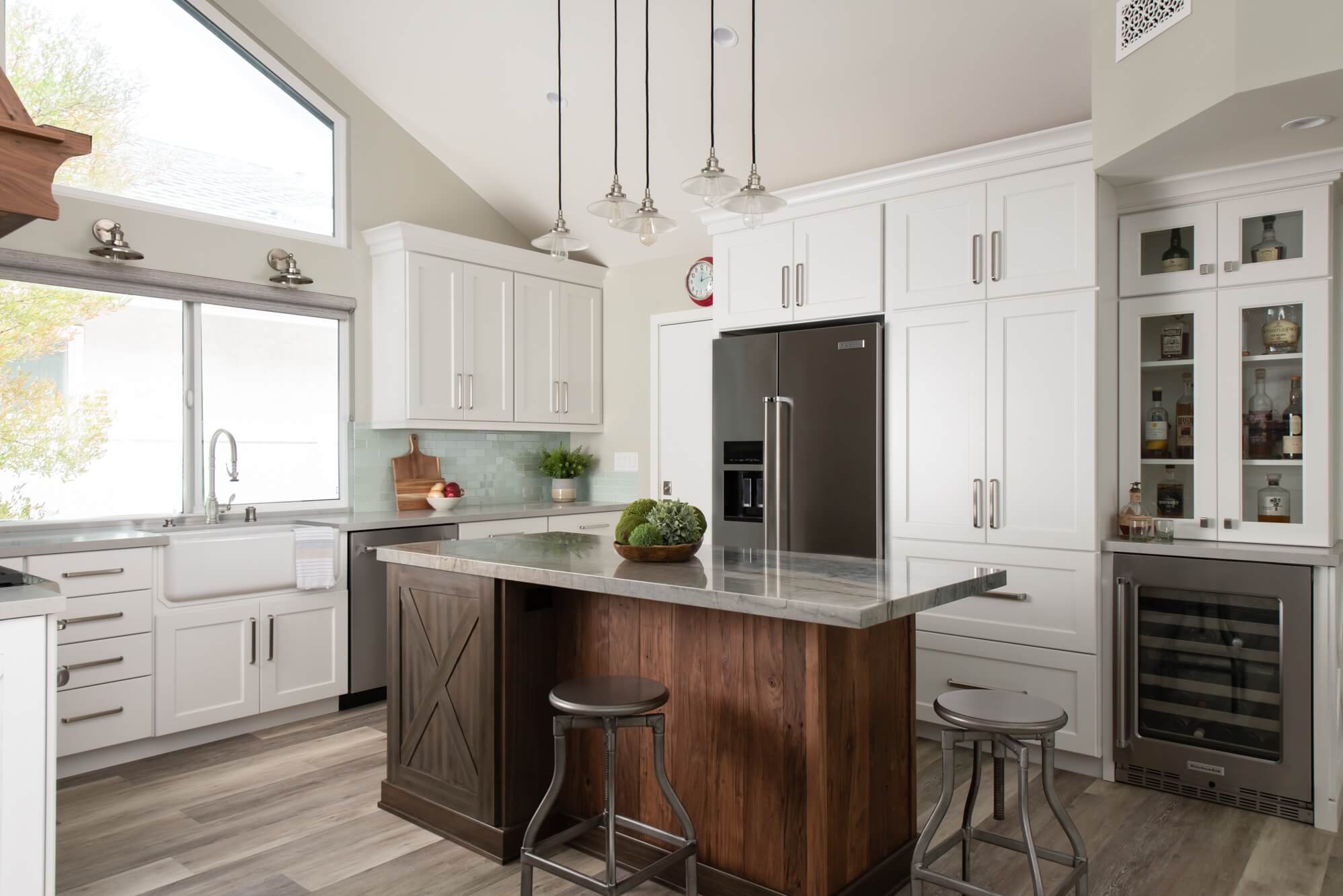
Your kitchen island should complement your existing decor. Consider the colors of your cabinets, walls, and appliances. Pick a color that blends seamlessly with these elements. A harmonious color palette creates a balanced and pleasing aesthetic. This approach ensures your kitchen feels unified and well-designed.
Trendy Vs. Timeless Choices
Trendy colors can make your kitchen island stand out. Bright hues and bold patterns are popular choices. But trends can change quickly. Timeless colors, like white or gray, offer longevity. They provide a classic look that never goes out of style. Choosing between trendy and timeless depends on your style preference.
Credit: www.seapointe.com
Budget Planning
Designing the perfect kitchen island requires careful budget planning. It's crucial to balance style, functionality, and cost. Without a clear plan, expenses can quickly spiral out of control. Thoughtful budgeting helps in creating a space that meets your needs without financial strain.
Cost-effective Options
Consider using budget-friendly materials for your kitchen island. Laminate and butcher block are affordable choices. These materials offer durability and a stylish appearance. Opt for pre-fabricated islands instead of custom-built ones. This can significantly reduce costs.
Recycling materials from other parts of your home can save money. Repurpose old cabinets or countertops to give your kitchen island a unique touch. Shop around for deals and discounts on materials and appliances. Staying flexible with your choices can lead to substantial savings.
Prioritizing Features
Identify the essential features you need in your kitchen island. Do you need extra storage, seating, or cooking space? Prioritize these features to allocate your budget effectively. Avoid unnecessary features that inflate costs without adding real value.
Focus on functionality over aesthetics when budget is tight. Choose features that enhance your cooking and dining experience. Plan the layout to make the best use of available space. A well-planned design can improve efficiency and convenience.
Frequently Asked Questions
What Is The Ideal Kitchen Island Size?
The ideal kitchen island size depends on your kitchen space. Generally, a width of 36 to 48 inches and a length of 4 to 7 feet works well. Ensure there's at least 42 to 48 inches of clearance around the island for comfortable movement.
How High Should A Kitchen Island Be?
Standard kitchen island height is around 36 inches. This height matches most countertops, providing a seamless look. If your island includes seating, consider a height of 42 inches for a bar-like feel. Customize based on your needs and preferences.
What Materials Are Best For Kitchen Islands?
Granite, quartz, and butcher block are popular choices for kitchen islands. Granite offers durability and elegance, while quartz is low-maintenance and versatile. Butcher block provides warmth and is great for chopping. Choose based on your kitchen's style and functionality needs.
Can A Kitchen Island Have A Sink?
Yes, adding a sink to your kitchen island is practical. It enhances functionality, especially for food prep and cleanup. Ensure proper plumbing and consider the island's size. A sink can transform your island into a multi-functional workspace.
Conclusion
Designing the perfect kitchen island can transform your space. Consider size, function, and style. Choose materials that complement your kitchen. Think about storage needs. Seating options matter for social areas. Lighting enhances the island's appearance. Keep traffic flow in mind for easy movement.
Every kitchen island should reflect personal taste. Balance aesthetics with practicality for best results. Your island should be both beautiful and functional. A well-designed island serves as a centerpiece. Enjoy the process of creating your unique space.