
Designing and building your own kitchen is an exciting venture that combines creativity with functionality. Imagine walking into a space that reflects your personal style while perfectly meeting your daily needs.
Whether you’re dreaming of a cozy, rustic retreat or a sleek, modern cooking haven, creating your own kitchen is within your grasp. You might think this is a daunting task, but with the right guidance, it becomes an achievable and fulfilling project.
Are you ready to transform your kitchen from a mere functional area to the heart of your home? This guide will show you how to plan effectively, select the best materials, and avoid common pitfalls. Discover how small changes can make a big impact, and learn tips that can save you time and money. Dive in, and let’s turn your kitchen dreams into reality.
Credit: www.cabinets.com
Planning Your Kitchen Layout
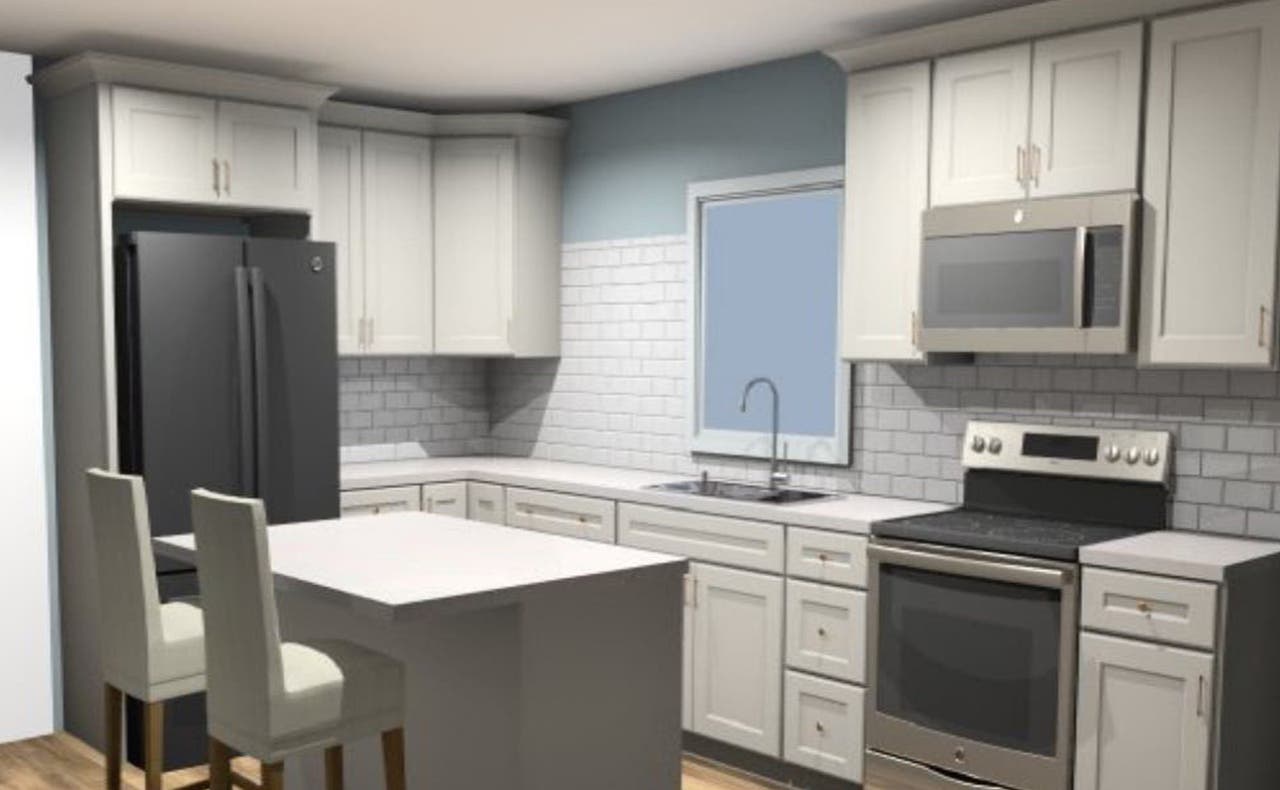
Designing a kitchen layout involves placing appliances and cabinets efficiently. Focus on creating a functional work triangle. Consider space for easy movement and storage to enhance usability.
Planning your kitchen layout is a crucial step in designing your dream kitchen. It's where functionality meets style, ensuring that your space is both practical and inviting. A well-thought-out layout can transform your daily cooking routine and make hosting a breeze. Let's dive into the essentials to help you craft a kitchen that's perfectly tailored to your needs.
Assessing Space And Needs
Start by measuring your kitchen space. Get precise dimensions of walls, windows, and doorways. It’s important to visualize how much room you have for cabinets, appliances, and countertops. Is your kitchen small and cozy, or open and expansive? Think about how you use your kitchen. Do you love cooking elaborate meals or is quick preparation your style? Understanding your needs helps prioritize what features should be included. Maybe you need extra storage for your cookware, or a spacious countertop for meal prep.
Choosing A Design Style
Decide on a design style that reflects your personality. Are you drawn to the sleek lines of modern design or the warmth of rustic charm? Your kitchen should be a space where you feel comfortable and inspired. Consider how the style blends with the rest of your home. Will a contemporary kitchen complement your living room, or would a vintage look better suit the overall aesthetic? A cohesive design throughout your home creates harmony and flow.
Incorporating Functionality
Prioritize functionality in your layout. Think about the work triangle between your sink, stove, and refrigerator. This arrangement minimizes movement and maximizes efficiency. Add features that simplify your routine. Pull-out shelves, lazy Susans, and integrated storage solutions can make a huge difference. You can also consider smart appliances that bring convenience to your kitchen tasks. As you plan, visualize the daily use of your kitchen. How can you make the space work better for you? Whether you're brewing coffee or preparing a feast, the right layout enhances every experience. Ready to get started? Your kitchen layout is the foundation of a space where memories are made and meals are shared. How will you design a kitchen that's uniquely yours?
Selecting Materials And Finishes
Choosing the right materials and finishes for your kitchen is crucial. These elements define the look and feel of the space. They also impact functionality and durability. Let's explore the key components: cabinets, countertops, flooring, wall colors, and backsplashes.
Cabinets And Countertops
Cabinets are the backbone of your kitchen. They offer storage and define style. Wood is a popular choice for warmth and elegance. Oak and maple are durable and timeless. For a sleek modern look, consider laminate or stainless steel.
Countertops need to be tough and stylish. Granite and marble offer luxury and resilience. Quartz is non-porous and easy to maintain. Laminate is budget-friendly and comes in many designs. Choose based on your lifestyle and budget.
Flooring Options
Flooring sets the foundation of your kitchen design. Tile is durable and water-resistant. It comes in various colors and patterns. Hardwood brings warmth but needs maintenance. Vinyl is affordable and easy to clean.
Consider durability and comfort. Think about how much foot traffic your kitchen gets. Choose a flooring that suits your needs and complements your design.
Wall Colors And Backsplashes
Wall colors create mood and ambiance. Light colors make spaces feel larger. Dark tones add drama and depth. Neutral shades provide versatility.
Backsplashes protect walls and add flair. Ceramic tiles are popular for their variety. Glass offers a modern, clean look. Metal adds industrial charm. Choose a backsplash that enhances your kitchen's personality.
Creating A Budget
Creating a budget is often the unsung hero in kitchen design and construction. Without a well-planned budget, your dream kitchen can quickly become a financial nightmare. By focusing on costs, priorities, and contingency funds, you can ensure that your kitchen project stays on track.
Estimating Costs
First, grab a notepad and start jotting down all the elements you envision for your kitchen. Cabinets, countertops, appliances, and flooring—they all have price tags. Research prices online or visit local stores to get a realistic sense of costs.
Don’t forget installation fees. If you’re not DIY-savvy, hiring professionals might be necessary. Factor in their charges, as they can significantly impact your budget.
Have you thought about hidden costs? Things like permits, plumbing adjustments, and electrical work can sneak up on you. Be aware of these potential expenses to avoid surprises.
Prioritizing Expenses
Now, it's time to prioritize. Ask yourself, “What’s essential, and what’s a luxury?” You might dream of marble countertops, but do you need them? Focus on quality over opulence.
Consider what will have the most impact on your kitchen's functionality. Smart storage solutions might be more valuable than high-end fixtures. Make decisions that enhance everyday use.
Think about your lifestyle. If you love cooking, invest in a quality stove. If you rarely entertain, a modest dining area might suffice. Tailor your choices to your habits.
Considering Contingency Funds
Have you ever faced unexpected setbacks during a renovation? Contingency funds are your safety net. Allocate at least 10-15% of your budget for unforeseen issues.
Think about what could go wrong. A hidden plumbing issue, or structural surprises? Having a buffer allows you to handle these hiccups without stress.
What if you fall in love with a beautiful backsplash that costs a bit more? With contingency funds, you can make those last-minute decisions without guilt.
Remember, creating a budget is not just about numbers—it's about making informed choices that reflect your vision. Are you ready to design a kitchen that balances dreams and reality?
Gathering Tools And Supplies
Designing and building your own kitchen is an exciting project. Before starting, gather essential tools and supplies. This step ensures a smooth and efficient process. With the right equipment, you can avoid unnecessary delays.
Essential Tools
Begin with a quality tape measure. Accurate measurements are crucial. A reliable power drill is necessary for assembling cabinets. Get a level to ensure even surfaces. A circular saw is handy for cutting materials. Use a utility knife for precision trimming. Invest in a sturdy hammer for various tasks. Screwdrivers of different sizes are also essential. A pencil for marking and a carpenter's square for angles are must-haves.
Sourcing Materials
Choose materials that match your style and budget. Visit local hardware stores for wood, tiles, and countertops. Explore online shops for a wider selection. Consider eco-friendly options for sustainability. Quality matters more than price. Opt for durable materials that last. Ask for samples to compare colors and textures. Always have extra materials for mistakes or damages.
Safety Equipment
Safety should be a priority. Wear safety goggles to protect your eyes. Use gloves to avoid cuts and splinters. A dust mask is vital when cutting wood. Ear protection helps when using loud tools. Ensure your workspace has proper ventilation. Keep a first-aid kit nearby for emergencies. Always follow safety instructions on tools.
Demolition And Preparation
Start with careful planning for demolition and preparation. Clear old fixtures and appliances to make space. Ensure a clean slate for designing and building your dream kitchen efficiently.
Embarking on the journey of designing and building your own kitchen is both thrilling and daunting. The first critical phase is demolition and preparation. This stage sets the foundation for everything that follows. It's not just about tearing things down; it's about clearing the path for your dream kitchen to emerge. With a clear strategy, you'll ensure that the rest of your project flows smoothly and efficiently.
Removing Old Fixtures
Removing old fixtures is more than just taking down cabinets and countertops. It's about understanding what you're working with and making space for the new. You might be surprised by how much hidden potential your kitchen has once you remove the clutter of the past. Before you start, consider donating or selling fixtures that are still in good condition. It’s a sustainable choice and often appreciated by others. Also, remember to switch off utilities to avoid accidents during the removal.
Addressing Structural Needs
Have you considered what structural changes are necessary for your new kitchen? Addressing structural needs might involve more than just moving a wall or two. It’s about ensuring the safety and functionality of the space. Consult a professional to assess load-bearing walls and plumbing needs. This might seem like an added step, but it can save you from costly mistakes. Knowing the limitations and possibilities can help you plan more effectively.
Preparing Surfaces
Preparing surfaces is crucial for a seamless installation of new elements. It’s not just about making them look good; it’s about ensuring they are ready to support new fixtures. Have you ever tried to lay tile on an uneven floor? It’s a headache you can avoid with proper preparation. Clean and level surfaces before proceeding with new installations. This step can significantly impact the longevity and appearance of your kitchen. A well-prepared surface is a small investment of time that yields great returns. As you navigate through the demolition and preparation phase, think of each step as paving the way for your new kitchen. What challenges do you anticipate, and how do you plan to overcome them? Remember, the effort you put in now will pay off when you're sipping coffee in your beautifully transformed kitchen.
Installing Cabinets And Countertops
Designing and building your own kitchen involves installing cabinets and countertops that match your style. Choose durable materials and colors that complement each other. Proper measurements ensure a perfect fit, creating a functional and beautiful kitchen space.
Designing and building your own kitchen can be an exciting journey. One of the most pivotal steps in this journey is installing cabinets and countertops. This stage transforms your kitchen from a mere skeleton into a functional and stylish space. With careful planning and attention to detail, you can achieve a professional look without the hefty price tag. Let’s dive into the essential steps of cabinet and countertop installation.
Cabinet Assembly
Assembling cabinets is like putting together a giant, functional puzzle. Start by laying out all the parts and tools you’ll need. This preparation saves time and frustration. Read the instructions thoroughly, and make sure all pieces are present. Use a cordless drill to speed up the process, but be careful not to overtighten screws. It’s tempting to rush, but precision in assembly ensures lasting durability. When my brother and I assembled our kitchen cabinets, we labeled each piece, which was a game-changer in avoiding mix-ups.
Countertop Installation
Installing countertops is where your kitchen starts to shine. Measure the space accurately to avoid any awkward gaps. Choose a countertop material that fits your style and budget, whether it’s granite, quartz, or laminate. Before installation, ensure your base cabinets are level. A sturdy base is crucial for a smooth countertop finish. When we installed our countertops, I discovered that using clamps to hold the countertops in place while securing them made the process much easier and more precise.
Ensuring Proper Alignment
Proper alignment is the key to a seamless look. Use a level to check that your cabinets and countertops are straight. Misaligned cabinets can cause doors to hang improperly, leading to frustration. During our installation, we realized the importance of checking alignment after every major step. It saved us from having to redo entire sections. Don’t hesitate to make adjustments; your attention to detail will pay off in the finished product. Have you ever considered how a small tilt could disrupt the entire flow of your kitchen? Ensuring everything is perfectly aligned not only enhances the aesthetic but also the functionality of your space. Installing cabinets and countertops yourself can be challenging but incredibly rewarding. Each moment spent on precision and care adds to the satisfaction of enjoying your own handiwork. How will you make your kitchen uniquely yours?
Setting Up Appliances
Designing and building your own kitchen can be exciting and rewarding. Setting up appliances is a crucial step in this process. It impacts functionality and aesthetics. Proper placement and installation ensure your kitchen runs smoothly. Let's explore how to set up appliances effectively.
Placing Major Appliances
Think about the kitchen triangle. This concept connects the sink, stove, and refrigerator. It enhances efficiency and convenience. Place these major appliances within easy reach. Ensure there's ample space for doors and drawers to open fully. Avoid placing the refrigerator next to the stove. This can lead to energy inefficiency.
Connecting Utilities
Proper connection of utilities is essential for safety and performance. Hire a licensed professional for electrical and gas connections. Ensure water lines are properly installed for your dishwasher and refrigerator. Double-check all connections to prevent leaks or electrical hazards. Secure cords and hoses to avoid tripping or tangling.
Testing Functionality
Once appliances are placed and connected, test their functionality. Turn on each appliance to ensure they operate correctly. Check for unusual noises or vibrations. Verify that the oven heats evenly and the refrigerator maintains a steady temperature. Ensure all burners ignite properly. Testing helps identify issues early. Fix any problems before using the kitchen regularly.
Finishing Touches
Create a personal kitchen by focusing on the finishing touches. Select cabinets and countertops that match your style. Ensure lighting enhances the space, adding warmth and functionality.
Designing and building your own kitchen is an exciting journey filled with creativity and personal touches. After the major construction and installations, the finishing touches can truly bring your vision to life. These elements not only enhance the aesthetic appeal but also add functionality and comfort. Let's dive into how you can perfect your kitchen with some thoughtful finishing touches.
Installing Lighting
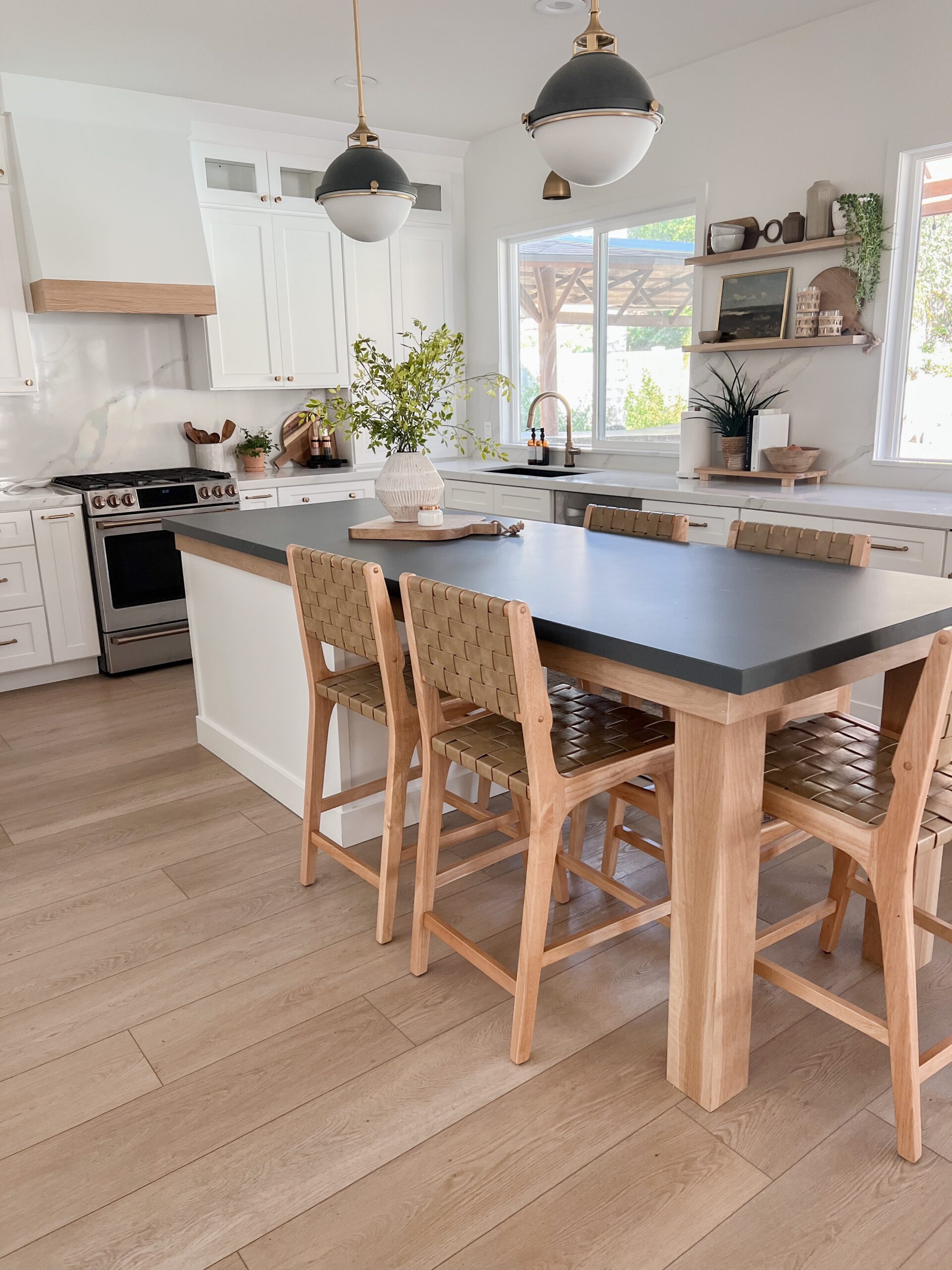
Lighting can make or break your kitchen's atmosphere. Consider the areas where you'll need the most light, such as over the countertops and sink. Pendant lights are a popular choice for adding charm and adequate illumination. Think about installing dimmable lights. This allows you to adjust the brightness based on your mood or activity. Under-cabinet lighting can also add a warm glow and make your kitchen tasks easier.
Adding Hardware
Hardware is like jewelry for your kitchen. It's the small detail that can make a big impact. Choose handles and knobs that complement your kitchen's style, whether it's modern, rustic, or traditional. Consider the material and finish of the hardware. Brass can add a touch of elegance, while stainless steel offers a sleek look. Ensure they feel comfortable in your hand as you'll be using them daily.
Decorative Elements
Personalize your kitchen with decorative elements that reflect your taste. Wall art, vases, or a small indoor plant can add life to your space. Consider a colorful backsplash that becomes a focal point. Think about open shelving for displaying your favorite dishes or cookbooks. It’s a great way to show off your personality and keep essentials within reach. Remember, less can be more; too many decorations can make the space feel cluttered. What are the finishing touches that would make your kitchen feel like home?
Final Inspection And Adjustments
Ensure every detail is perfect during the final inspection and adjustments. Check cabinet alignment and appliance connections. Make necessary tweaks for a polished finish.
When designing and building your own kitchen, the final inspection and adjustments stage is crucial. This phase ensures your new kitchen is ready for daily use. It involves checking for any flaws, making necessary repairs, and ensuring safety compliance. Completing these steps gives you peace of mind and a functional, safe space.
Checking For Flaws
Carefully inspect every element of your kitchen. Look at countertops, cabinets, and appliances. Ensure everything is installed correctly. Check for scratches, dents, or any visible damage. Open and close cabinets and drawers to test their functionality. Ensure handles and knobs are secure. Examine the flooring for any uneven areas or gaps. All these checks help to identify flaws early.
Making Necessary Repairs
Once you identify flaws, plan for repairs. Fix any visible damage promptly. Tighten loose screws or hinges. Repaint or polish surfaces if needed. Address any plumbing or electrical issues. A professional might be necessary for complex repairs. This ensures everything works as intended. Small adjustments now prevent bigger problems later.
Ensuring Safety Compliance
Safety is paramount in any kitchen. Ensure all installations meet local safety codes. Check that electrical outlets are properly grounded. Ensure gas lines are secure and leak-free. Confirm that smoke detectors and fire extinguishers are in place. Test that all appliances function safely. This step protects your home and family.
Credit: domesticblonde.com

Credit: www.grandmashousediy.com
Frequently Asked Questions
What Are The Key Steps To Design A Kitchen?
Start with measuring your space accurately. Choose a layout that fits your lifestyle. Focus on functionality by planning efficient work zones. Select durable materials and finishes. Incorporate ample storage solutions. Consider lighting for ambiance and task areas. Personalize with colors and decor.
How Can I Maximize Kitchen Storage Space?
Use vertical storage with tall cabinets or shelves. Install pull-out drawers and organizers in cabinets. Utilize corners with lazy susans or corner drawers. Opt for wall-mounted racks for pots and pans. Consider multi-functional furniture like islands with storage.
What Materials Are Best For Kitchen Countertops?
Granite is durable and offers natural beauty. Quartz provides a non-porous, low-maintenance option. Laminate is budget-friendly and versatile. Butcher block adds warmth and is perfect for cutting. Solid surface materials offer seamless, customizable designs.
How To Choose Kitchen Lighting Fixtures?
Assess the natural light and room size. Install task lighting for work areas like counters and stoves. Use ambient lighting for overall illumination. Add accent lighting to highlight features. Consider energy-efficient LED options for long-term savings.
Conclusion
Creating your kitchen is truly rewarding. You've learned to plan and design. You understand the importance of budget and materials. Choosing colors and styles is exciting. Now, it's time to see your vision come to life. Remember to enjoy the process.
Celebrate each small success. Your kitchen reflects your taste and creativity. Don't rush; take each step carefully. Trust your instincts. Be proud of what you accomplish. Soon, you'll have a space you love. A kitchen that suits your needs and style perfectly.
Ready to cook, share meals, and make memories.