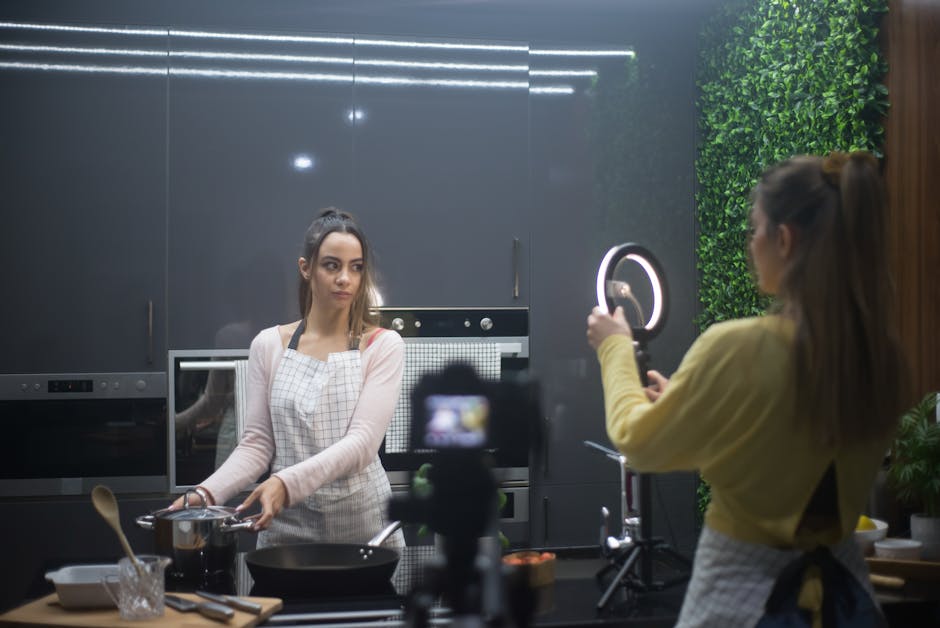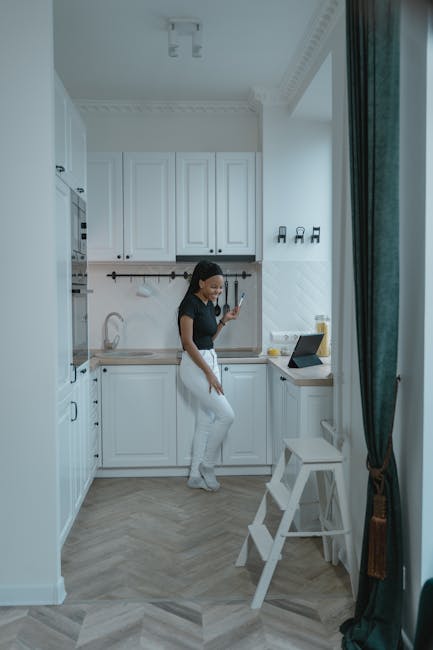

Imagine walking into your dream kitchen, where every element is exactly where you want it. The countertops are spacious, the lighting is perfect, and everything you need is within arm's reach.
Designing a kitchen that meets your needs and reflects your style might seem like a daunting task. But it doesn't have to be. With the right guidance, you can create a space that not only looks stunning but also functions seamlessly.
Have you ever felt overwhelmed by the endless possibilities when planning your kitchen design? You're not alone. Many people struggle with decisions like layout, color schemes, and choosing the right appliances. But what if you could transform this overwhelming process into an exciting and rewarding experience? By understanding the core principles of kitchen design and applying a few simple tricks, you can turn your vision into reality. You'll discover practical steps and expert tips to help you design a kitchen that truly works for you. Whether you're starting from scratch or renovating an existing space, these insights will guide you in making informed choices that enhance both the beauty and functionality of your kitchen. Ready to create a space where you can cook, entertain, and relax with ease? Let's dive in and explore how you can design the kitchen of your dreams.
Assessing Your Needs
Understanding personal needs is crucial in kitchen design. Consider how often you cook and what tools you use. Create a space that fits your lifestyle and daily habits.
Designing a kitchen is more than just picking out cabinets and countertops. It’s about creating a space that truly works for you. To get it right, you need to start by assessing your needs. This step helps ensure your kitchen not only looks great but functions seamlessly for your lifestyle. Let’s dive into how you can tailor your kitchen design to your unique needs by examining your cooking style and space requirements.
Identifying Your Cooking Style
Understanding how you cook is crucial. Do you love experimenting with elaborate recipes or prefer quick, simple meals? If you're someone who enjoys hosting dinner parties, you'll need ample counter space and perhaps a double oven. Think about the tools and appliances you use most frequently. Do you find yourself using the blender daily for smoothies or is your coffee machine the star of the show? Reflecting on these habits will guide you in designing a kitchen that enhances your culinary adventures.
Understanding Space Requirements
Space can be a tricky aspect. Measure your kitchen area carefully. Consider not only the size but also how you move within it. Do you need more storage for large appliances or more open space for ease of movement? Think about the layout. Would an island suit your cooking style or does a galley kitchen align better with your needs? Sometimes, a small tweak like rearranging shelves can make a big difference. Your space should accommodate not just your cooking style but also your social habits. Do you see yourself chatting with guests while preparing meals, or do you prefer solitude in the kitchen? As you assess your needs, keep in mind that the kitchen is the heart of your home. Make it a place that reflects who you are and supports your daily routines.
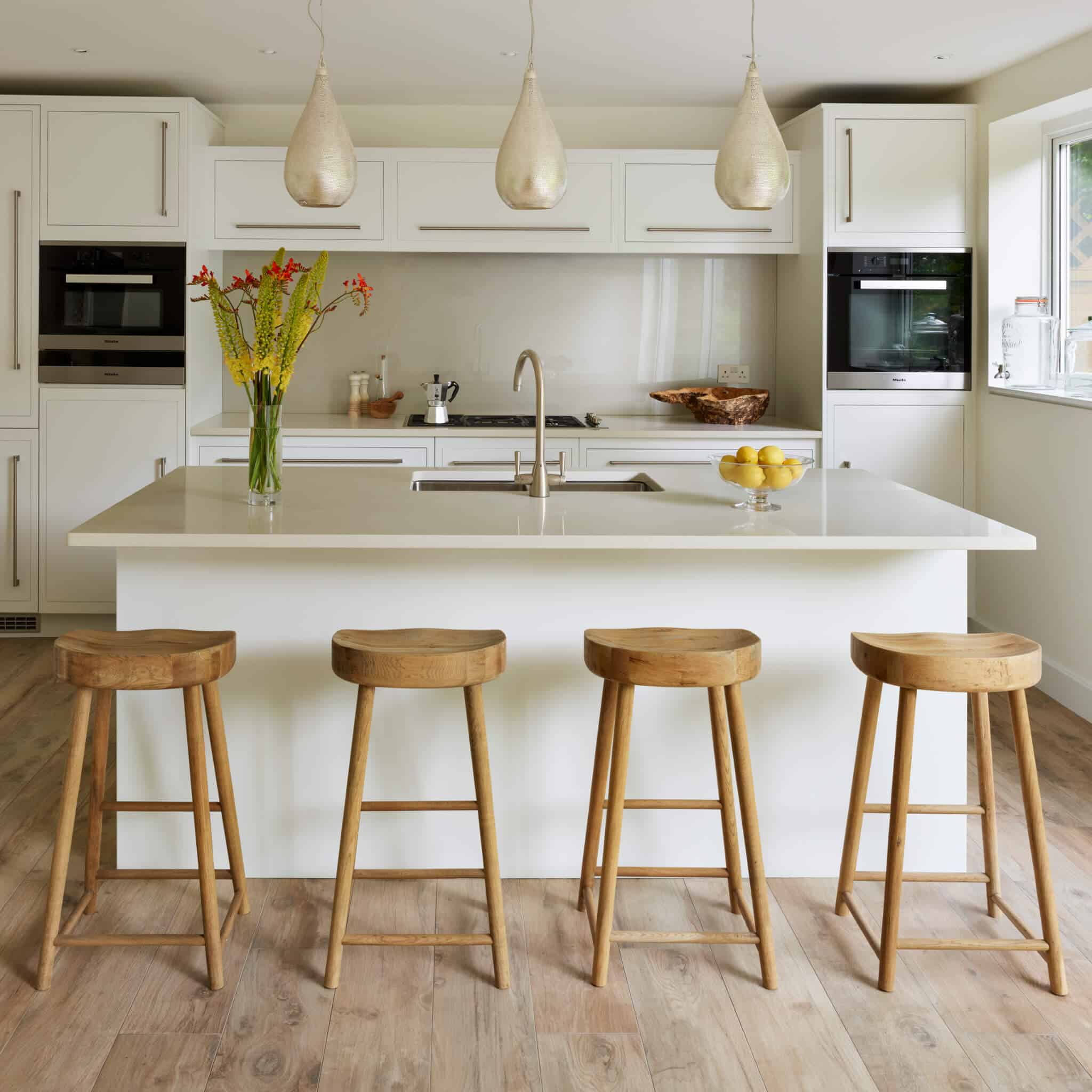
Credit: www.harveyjones.com
Layout Planning
Designing a kitchen starts with smart layout planning. A well-thought-out kitchen layout enhances functionality and aesthetics. It ensures every corner serves a purpose and looks great.
Exploring Kitchen Layout Options
Each kitchen layout offers unique benefits. The U-shaped layout provides ample counter space. It’s ideal for larger kitchens. The L-shaped layout works well in smaller spaces. It allows easy movement and efficient use of space. Consider the galley layout for narrow kitchens. This style maximizes efficiency. An island layout is perfect for open kitchens. It adds storage and seating areas.
Maximizing Space Efficiency
Efficient use of space makes kitchens functional. Opt for deep cabinets. They offer more storage. Use wall-mounted shelves for easy access. Consider pull-out drawers. They keep items organized and reachable. Hanging racks can store pots and pans. Utilize vertical space for hanging utensils. Ensure appliances are strategically placed. This reduces unnecessary movement.
Choosing Materials
Selecting the right materials can transform your kitchen design. Prioritize durability and aesthetics for countertops, cabinets, and flooring. Choose materials that complement your style and withstand daily wear.
Designing a kitchen is an exciting journey. Choosing materials is one of the most crucial steps. The right materials can transform the space. They impact both the look and functionality of your kitchen. Materials should match your lifestyle and taste. Here, we discuss some key elements to consider.
Countertop Materials
Countertops are the focal point in many kitchens. Granite and quartz are popular choices. They are durable and stylish. Granite offers a natural look with unique patterns. Quartz provides a consistent look and is non-porous. Laminate is budget-friendly and comes in many designs. It is less durable than stone options. Marble countertops offer elegance but need regular maintenance. Consider both aesthetics and daily use when choosing.
Cabinet Choices
Cabinets define your kitchen's character. Wood is a classic choice. Oak, maple, and cherry are common types. They offer different grains and shades. MDF is an affordable alternative. It can be painted in any color. Stainless steel cabinets suit modern kitchens. They are durable and easy to clean. Glass-front cabinets add a light, airy feel. Choose a style that fits your overall design.
Flooring Options
Flooring plays a vital role in kitchen design. Tile is a versatile and durable option. Ceramic and porcelain tiles resist water and stains. Hardwood floors add warmth and elegance. They require sealing to prevent water damage. Vinyl flooring is budget-friendly and water-resistant. It mimics the look of wood or stone. Consider both comfort and durability in your choice.
Color And Aesthetics
Designing a kitchen involves more than just functionality. Color and aesthetics play a crucial role in creating an inviting space. They influence mood and style, making your kitchen a reflection of your personality. Choosing the right colors can transform your kitchen into a vibrant and harmonious area.
Color Schemes
A well-chosen color scheme sets the tone for your kitchen. Neutral colors like white and beige create a calm atmosphere. Bold colors such as red and blue add energy and excitement. Combining colors can enhance visual appeal. Consider using contrasting colors for a dynamic look. Pastels offer a soothing effect, perfect for a relaxed kitchen vibe.
Incorporating Trends
Trendy colors can refresh your kitchen design. Earthy tones are gaining popularity for their warmth and elegance. Dark greens and rich browns evoke a natural feel. Vibrant yellows and oranges bring a cheerful touch. Metallics like gold and silver add sophistication. Keep an eye on trends to keep your kitchen style up-to-date.
Lighting Solutions
Brighten up your kitchen with smart lighting solutions. Use layered lights for tasks, ambient glow, and accent highlights. Proper lighting enhances functionality and creates a cozy atmosphere for cooking and gathering.
Designing a kitchen involves a lot more than choosing the perfect backsplash or countertop. Lighting solutions are crucial for creating a functional and welcoming space. The right lighting can enhance your kitchen's functionality and ambiance, making it a joy to cook and entertain. Let’s dive into practical ways you can illuminate your kitchen, ensuring every corner is lit just right.
Task Lighting Essentials
Task lighting is vital for kitchen safety and efficiency. Imagine trying to chop vegetables without proper lighting; it’s not just challenging, it’s risky. Consider under-cabinet lighting to brighten your countertops. This will not only help you see what you’re doing but also add a stylish touch. Pendant lights over the kitchen island can also be a game-changer. They provide focused light right where you need it most. Choose adjustable fixtures to control the brightness according to your needs.
Ambient Lighting Ideas
Ambient lighting sets the overall mood of your kitchen. It should be soft yet sufficient, making the space feel warm and inviting. Ceiling fixtures, like flush mounts or chandeliers, can serve as a centerpiece that ties the room together. They offer general lighting that fills the entire space. If you have a dimmer switch, you can adjust the light intensity based on the occasion. Hosting a dinner party? Dim the lights for a cozy atmosphere. Recessed lighting can also work wonders. It provides a clean and modern look while evenly distributing light throughout the space. Consider your habits and lifestyle when choosing ambient lighting. Do you prefer a bright, lively kitchen, or a more serene and calm space? Incorporating the right blend of task and ambient lighting can transform your kitchen into a functional and beautiful room. So, what lighting changes will you make to your kitchen?

Credit: www.andacademy.com
Appliance Selection
Choosing the right appliances shapes your kitchen's design and functionality. Consider size, style, and energy efficiency. They should complement your layout and meet your cooking needs.
Designing a kitchen can be an exhilarating journey, especially when it comes to choosing the right appliances. Your kitchen appliances are not just tools; they are essential elements that define the functionality and style of your space. Whether you're a seasoned chef or someone who enjoys a quick meal, selecting the perfect appliances can significantly enhance your cooking experience and make your kitchen a joy to use.
Energy-efficient Options
In today's environmentally conscious world, selecting energy-efficient appliances is a smart choice. Not only do these appliances help reduce your carbon footprint, but they also save you money on utility bills. Look for appliances with the ENERGY STAR label, which signifies that they meet energy efficiency guidelines set by the U.S. Environmental Protection Agency. Imagine cutting down your electricity bill while baking your favorite cake. Energy-efficient ovens heat up quickly and maintain temperature effectively, saving energy. Refrigerators with inverter technology adjust their cooling capacity to ensure minimal energy consumption while keeping your groceries fresh.
Integrating Appliances Seamlessly
Seamless integration of appliances can transform the look of your kitchen. Consider built-in options that blend with your cabinetry for a clean and sophisticated appearance. This approach not only enhances your kitchen’s aesthetic but also optimizes space. Picture your dishwasher hidden behind a panel matching your cabinets, creating a uniform look. Integrated appliances like this keep your kitchen looking sleek and uncluttered. Even a small kitchen can feel spacious when appliances are seamlessly incorporated. When choosing appliances, think about how they fit into your daily routine. Do you prefer a quick breakfast or a leisurely brunch? Selecting appliances that cater to your lifestyle makes your kitchen a more enjoyable space. How will you balance functionality with style in your kitchen design? The right appliances can make all the difference.
Storage Optimization
Designing a kitchen with smart storage solutions maximizes space and keeps everything organized. Use cabinets with pull-out shelves and vertical dividers to store more items efficiently. Consider hanging pots and pans to free up cupboard space and create a tidy, accessible cooking area.
Designing a kitchen is a delightful journey, and storage optimization is a crucial part of it. It’s not just about where you’ll put your pots and pans. It’s about creating a space that’s functional and easy to navigate. Imagine reaching for a spice and finding it without a fuss. Or opening a drawer and not having to hunt for the spatula. These small conveniences can transform your cooking experience. Let's dive into how you can make your kitchen storage work for you.
Smart Storage Solutions
Smart storage solutions can make a world of difference in your kitchen. Consider using pull-out shelves in your cabinets. These allow easy access to items at the back. No more bending and stretching to reach that elusive jar of pasta sauce. Think about vertical storage. Installing hooks or racks on walls can free up counter space. Hang your mugs or utensils for easy access. It’s a simple trick but incredibly effective. Drawer dividers are another smart choice. They keep utensils organized and easy to find. You’ll spend less time rummaging and more time enjoying your cooking.
Organizing Small Spaces
Small kitchens can feel cramped, but with clever organization, you can maximize every inch. Start by evaluating what you use daily versus occasionally. Store daily items within easy reach. Use the inside of cabinet doors for extra storage. Attach small racks or magnetic strips for spices or knives. It’s surprising how much space you can find there. Consider multi-purpose furniture. An island can offer extra storage underneath. It doubles as a prep space and a casual dining area. You get more functionality without sacrificing space. Do you feel overwhelmed by clutter in your kitchen? Take a step back and analyze what truly belongs there. Often, we keep items 'just in case.' Focus on what adds value to your daily life. These practical tips can make your kitchen more efficient and enjoyable. So, what are you waiting for? Dive into the possibilities and start creating a kitchen that truly serves you!
Incorporating Technology
Designing a kitchen becomes easier by incorporating smart technology. Smart appliances enhance functionality and efficiency. Touchscreen refrigerators and voice-controlled ovens simplify cooking.
The modern kitchen is no longer just a place for cooking; it's a hub of innovation and efficiency. Incorporating technology into your kitchen design can transform your cooking experience, making it more enjoyable and seamless. Imagine the convenience of adjusting your oven's temperature with a voice command or having a fridge that reminds you to pick up milk. Technology in the kitchen is about making life easier and more connected.
Smart Kitchen Gadgets
Smart kitchen gadgets are changing the way we interact with our kitchens. From smart ovens that can be controlled via smartphone apps to intelligent coffee makers that brew your coffee just the way you like it, these devices offer both convenience and fun. You can even find smart faucets that dispense water at a pre-set temperature and quantity, saving time and effort. Think about how much time you spend in the kitchen. Now, imagine shaving off minutes with gadgets that follow your commands. Embracing smart gadgets isn't just about staying trendy; it's about optimizing your daily routines.
Connectivity Features
Connectivity features in your kitchen go beyond just having Wi-Fi-enabled devices. They can connect your entire kitchen ecosystem, ensuring all your devices communicate efficiently. Consider a smart fridge that syncs with your smartphone, alerting you when you're low on groceries. It can even suggest recipes based on the ingredients you have. By integrating connectivity features, you can create a kitchen that anticipates your needs. It's not just about having devices that connect to the internet; it's about crafting a cohesive and responsive environment. Have you ever wished for a kitchen that thinks ahead for you? Connectivity features make that a reality. Incorporating technology into your kitchen design offers more than just modern aesthetics. It adds functionality and efficiency, enhancing your cooking and dining experience. What tech upgrades are you considering for your kitchen?
Safety And Ergonomics
Designing a kitchen involves more than aesthetics. Safety and ergonomics play a key role. A well-designed kitchen prevents accidents and ensures comfort. This section focuses on child safety and ergonomic design.
Child-safe Design Tips
Children explore everything. Keep sharp tools out of reach. Install child-proof locks on cabinets. Use slip-resistant mats on the floor. Secure all appliances to prevent tipping. Choose rounded edges for counters and tables. This reduces injury risk. Store cleaning supplies high up. This keeps them away from curious hands.
Ergonomic Considerations
Ergonomics improve kitchen comfort. Place frequently used items within easy reach. This reduces bending and stretching. Ensure counters are at a comfortable height. This minimizes back strain. Use lever-style handles on faucets. They are easier to operate. Consider task lighting. It reduces eye strain during food preparation. Install anti-fatigue mats where you stand often. This provides comfort while cooking or washing dishes.
Personal Touches
Designing a kitchen goes beyond choosing cabinets and countertops. Adding personal touches can transform this space into a true reflection of your style. A kitchen should feel welcoming and uniquely yours. Personal touches make it more than just a cooking area. They bring warmth and personality into the heart of your home. Consider decorative elements and personal flair to create a kitchen that stands out.
Decorative Elements
Decorative elements enhance the beauty of your kitchen. Choose items that resonate with your taste. Think about artwork, wall hangings, or even a stylish clock. These elements add character and make the space feel lived in. Consider open shelving to display beautiful dishes or glassware. This not only adds interest but also serves a practical purpose. Plants can also bring life and color to your kitchen. A small herb garden on the windowsill can be both decorative and useful.
Adding Personal Flair
Your kitchen should reflect who you are. Personal flair can be as simple as using family photos. Hang them on the walls or place them on a shelf. Unique textiles can also add a personal touch. Choose curtains, tablecloths, or dish towels that showcase your style. Consider custom cabinet handles or unique lighting fixtures. These small changes can make a big impact. Personal flair makes your kitchen feel more inviting and unique.
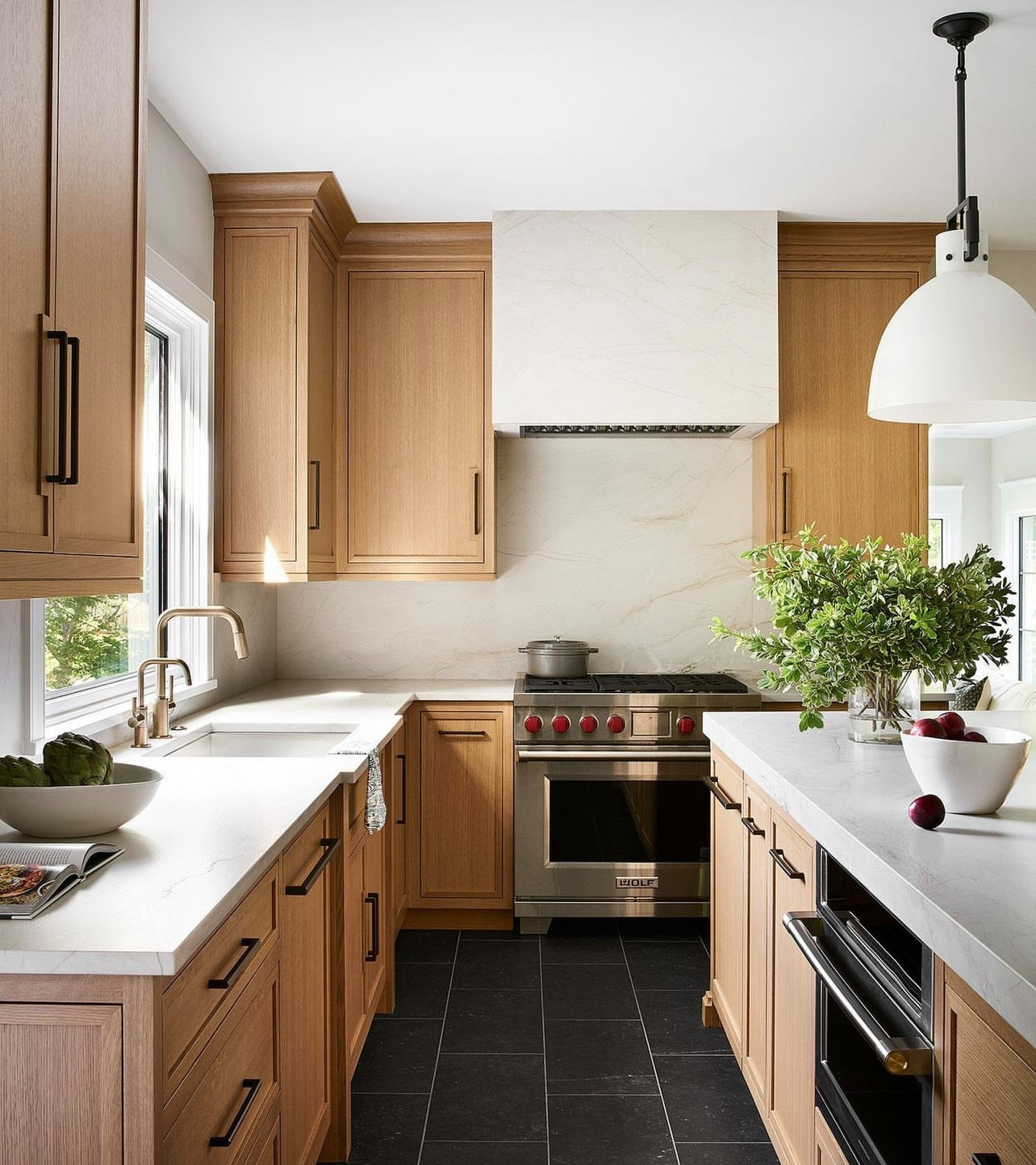
Credit: www.houzz.com
Frequently Asked Questions
What Is The Best Kitchen Layout Design?
The best kitchen layout depends on space and functionality. Popular layouts include U-shape, L-shape, and galley. Consider workflow and accessibility.
How Do I Choose Kitchen Color Schemes?
Choose colors based on your style and mood preferences. Neutral tones offer timeless appeal, while bold colors can add vibrancy and personality.
What Is The Ideal Kitchen Lighting Setup?
The ideal lighting combines ambient, task, and accent lights. Use pendant lights for tasks, under-cabinet lights for counters, and recessed lighting for overall brightness.
How Can I Maximize Kitchen Storage Space?
Maximize storage by using cabinets, drawers, and shelves efficiently. Consider pull-out racks, lazy Susans, and vertical storage solutions to optimize space.
Conclusion
Designing a kitchen involves many important steps. Start by choosing a style that fits your home. Consider the layout carefully for easy movement. Select durable and easy-to-clean materials. Lighting is key, so pick bright and efficient options. Storage solutions help keep the space organized.
Think about colors that create a welcoming atmosphere. Invest in quality appliances for a functional kitchen. Personal touches make it feel like yours. With these tips, you can create a kitchen that is both beautiful and practical. Now, get ready to enjoy cooking in your new space!