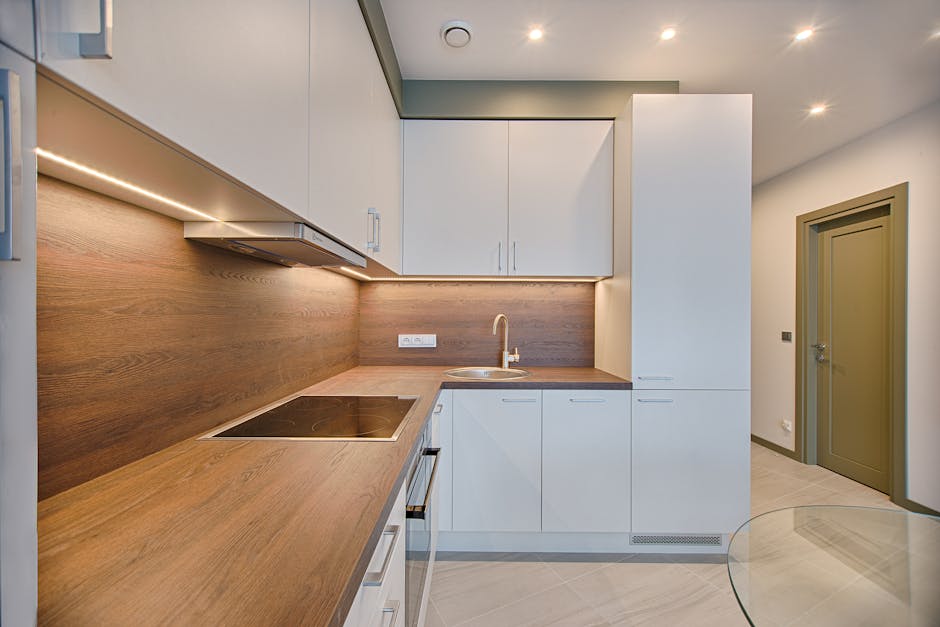
Imagine stepping into a kitchen that not only meets your cooking needs but also reflects your personal style. Designing your new kitchen can be an exciting yet challenging task.
It's where creativity meets functionality, and every choice you make plays a crucial role in shaping a space that feels just right. Whether you're dreaming of a sleek, modern design or a cozy, rustic feel, this guide will help you turn your vision into reality.
We'll walk you through the essential elements, share expert tips, and reveal the secrets to creating a kitchen that truly works for you. Ready to transform your culinary space? Let’s dive into the heart of your home and make it uniquely yours.
Assessing Your Needs
Designing a kitchen involves more than picking colors and materials. Assessing your needs is crucial. It ensures the space fits your lifestyle and budget. Start by understanding what you want and need.
Identifying Lifestyle Requirements
Your kitchen should match your daily habits. Do you cook often? A large stove might be necessary. Love hosting dinner parties? Consider a spacious dining area. Family meals need easy access to snacks. Open shelving could help. Think about your routine and prioritize features accordingly.
Budget Planning
Setting a budget keeps you on track. Decide how much you're willing to spend. Break it down into categories. Cabinetry, appliances, and countertops each need a portion. Compare prices from different stores. Look for discounts and deals. Quality is important, but stay within your budget.
Choosing A Layout
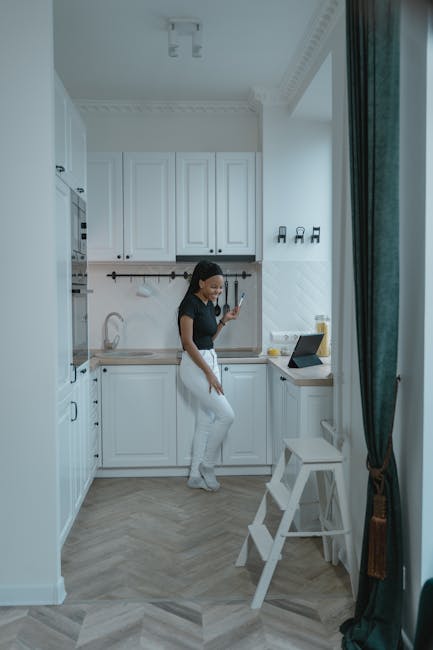
Creating your kitchen layout involves considering space, functionality, and style. Maximize efficiency with a practical arrangement. Ensure easy access to essential appliances and storage.
Designing your new kitchen is an exciting venture. Choosing a layout is a pivotal decision. It sets the tone for your kitchen’s functionality and style. The layout determines how you move, cook, and interact within the space. So, how do you decide which layout best suits your needs?
Evaluating Different Layouts
Different layouts offer unique advantages. Consider the classic triangle layout, which optimizes the space between your sink, stove, and refrigerator. It's efficient and minimizes steps. Alternatively, the galley kitchen is ideal for small spaces. It places everything within arm's reach. But it can feel cramped if not well-planned. L-shaped layouts provide flexibility and open up the kitchen to adjacent rooms, creating a seamless flow. Which layout resonates with your lifestyle?
Maximizing Space Efficiency
Efficiency is key in a kitchen. Have you ever cooked in a kitchen where every inch counts? Use smart storage solutions like pull-out cabinets and overhead racks. They keep essentials at your fingertips without cluttering the space. Consider multi-functional furniture like a kitchen island that doubles as a dining table. It’s perfect for casual meals and adds valuable counter space. Reflect on your daily habits. Do you entertain often? Then prioritize open spaces that allow guests to mingle and interact. How can you make every inch work for you? In designing your kitchen layout, think beyond aesthetics. Focus on how it serves you daily. What layout makes you excited to cook and gather?
Selecting Materials
Choosing the right materials shapes the look of your new kitchen. Think about durability, cost, and style for each element. From countertops to cabinets, each choice impacts the room's feel and function.
Selecting materials for your new kitchen can be exciting. Each material choice impacts the look and function of your space. Thoughtful selection boosts your kitchen’s style and durability. Begin with understanding the various options available.
Countertop Options
Countertops are a key part of kitchen design. Granite is popular for its natural beauty and resilience. It offers a unique pattern that varies with each slab. Quartz is another durable choice, known for its non-porous surface. It’s easy to clean and maintain. Marble adds elegance but requires careful handling. It can stain and scratch easily. Laminate is budget-friendly and comes in many colors. It’s less durable but works well for a tight budget.
Cabinetry Choices
Cabinetry sets the tone for your kitchen’s style. Solid wood cabinets are timeless and sturdy. They can be painted or stained to suit your taste. MDF cabinets are a cost-effective alternative. They are smooth and easy to finish. Thermofoil cabinets offer a sleek look and resist moisture. They are ideal for humid environments. Stainless steel cabinets are modern and durable. They are perfect for an industrial kitchen vibe.
Incorporating Appliances
Designing your kitchen involves carefully placing appliances for function and style. Choose sleek designs that fit your space. Position key appliances for easy access during cooking.
Designing a new kitchen is both exciting and challenging. A crucial part of this process is adding the right appliances. They not only enhance the kitchen’s functionality but also reflect your lifestyle and values. As you embark on this journey, consider the energy efficiency and positioning of your appliances to create a space that is both stylish and practical.
Selecting Energy-efficient Models
Choosing energy-efficient appliances can save you money and reduce your carbon footprint. Look for models with the Energy Star label, which indicates they meet stringent efficiency standards. Investing in these appliances might be slightly costly upfront, but they pay off in lower energy bills over time. Consider the long-term benefits of energy-efficient models. You might discover that your refrigerator uses less electricity than a light bulb! This small detail can have a significant impact on your household’s energy consumption. Think about the appliances you use most often. Is it your oven, dishwasher, or perhaps the coffee maker? Prioritizing energy efficiency in these frequently used items can make a noticeable difference.
Positioning For Functionality
The placement of your appliances can dramatically affect your kitchen's flow and usability. Position your refrigerator near the entrance so family members can grab snacks without getting in the cook’s way. This thoughtful placement can streamline meal prep and family gatherings. Consider the “kitchen triangle” when positioning your stove, sink, and refrigerator. This classic layout ensures efficiency by minimizing movement between key areas. Experiment with different configurations to find what works best for you. Don't forget to plan for appliance doors. Ensure there’s enough space to open oven doors fully or to pull out dishwasher racks without obstruction. This attention to detail can prevent common annoyances and enhance your cooking experience. Have you ever struggled to find space for a new appliance in your kitchen? Share your stories and tips in the comments below. Your insights could help others avoid similar challenges.
Lighting Solutions
Lighting plays a critical role in kitchen design. It affects both functionality and aesthetics. A well-lit kitchen enhances cooking and dining experiences. It also adds a warm and inviting atmosphere. Choosing the right lighting solutions can be a game-changer. Let's explore how to light up your kitchen effectively.
Ambient Lighting
Ambient lighting provides overall illumination for the kitchen. It sets the mood and brightens the entire space. Ceiling lights are a popular choice for ambient lighting. Pendant lights also work well for this purpose. They come in many styles to match your kitchen's theme. Ensure your ambient lights are evenly distributed. This helps avoid dark spots in the room.
Task Lighting
Task lighting focuses on specific work areas. It helps you see clearly when chopping, cooking, or reading recipes. Under-cabinet lights are effective for task lighting. They illuminate countertops and workspaces. Choose LED lights for energy efficiency. They're bright and long-lasting. Install task lights where you need them most. This will ensure safe and efficient kitchen tasks.
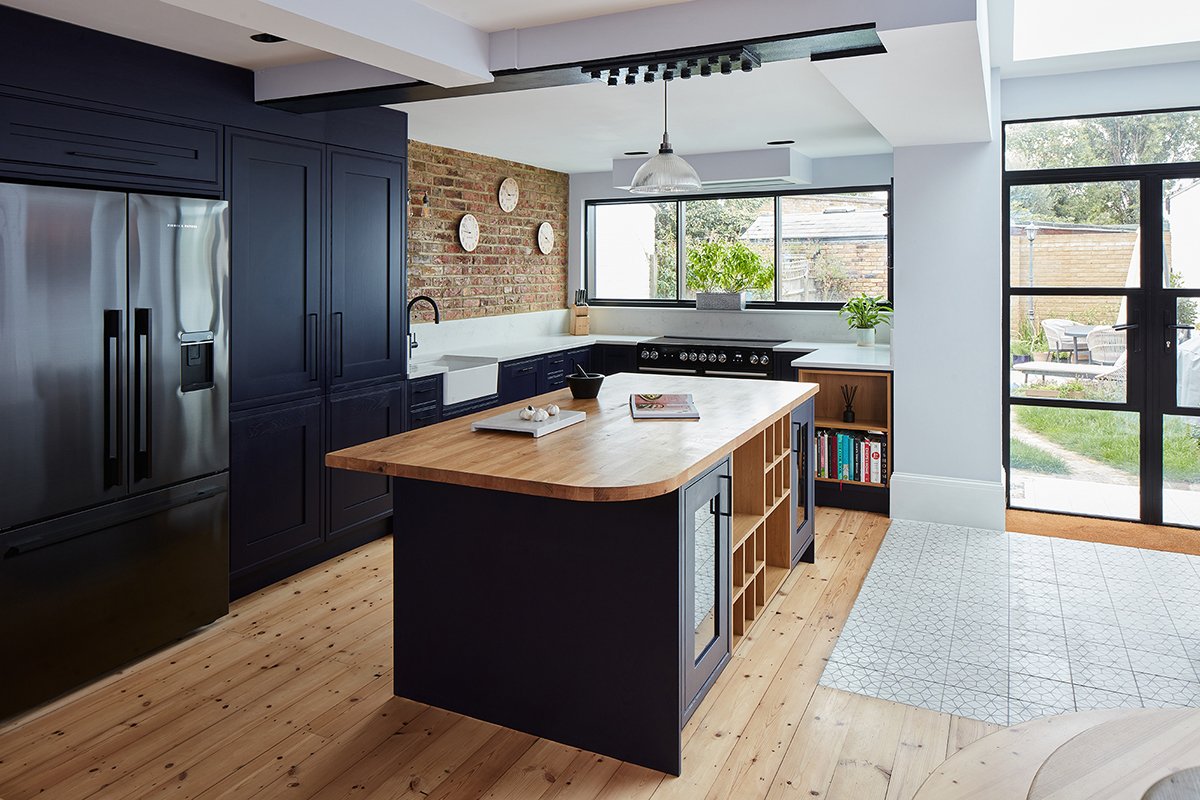
Credit: pad.london
Color And Style
Choosing the right colors and styles can transform your kitchen. Bright colors make small spaces feel larger. Modern styles offer clean lines for a sleek look.
Designing your new kitchen is not just about choosing appliances and layouts. It's also about setting a mood that reflects your personality and complements your home. Color and style play a pivotal role in creating a space where you love to cook and entertain. They can transform a mundane kitchen into a vibrant hub of activity or a serene retreat. But how do you choose the right colors and style for your kitchen? Let's dive into the essentials.
Choosing A Color Palette
Your kitchen's color palette sets the tone for the entire space. Start by considering what colors make you feel at home. Do you prefer soft pastels or bold, vibrant shades? Think about the atmosphere you want to create. A light blue can evoke calmness, while a bright red might energize the room. Consider your kitchen's lighting as well. Natural light can enhance warm tones, while artificial light might be better suited for cooler shades. When I redesigned my own kitchen, I chose a palette of white and soft grey. It felt open and airy, and I noticed I spent more time there, feeling relaxed and productive. What colors make you want to linger in your kitchen longer?
Matching With Home Decor
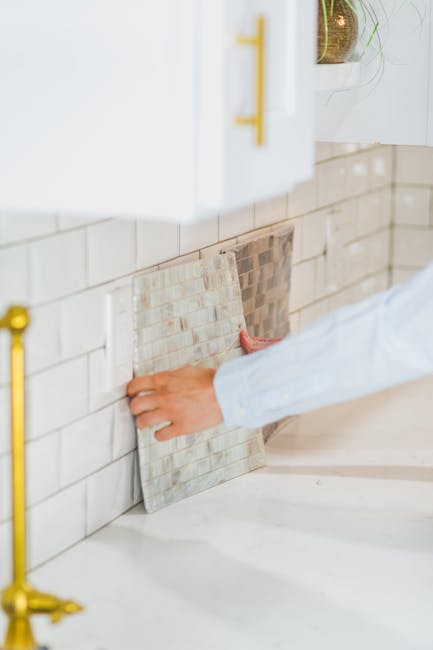
Your kitchen shouldn’t feel like an isolated room; it should flow with the rest of your home. Look at the colors and styles in adjoining spaces. Is there a common theme or color that you can carry into your kitchen design? Consider your home's architectural style as well. A modern home might benefit from sleek, minimalist designs, while a rustic home could embrace warm, earthy tones. I once visited a friend's house where the kitchen's bold blue contrasted sharply with the rest of the home’s neutral tones. It felt jarring, like stepping into a different house. Would a cohesive style make your home feel more harmonious? Use elements like backsplashes, countertops, and cabinetry to tie the kitchen to your home decor. Subtle details can make a big difference. You could incorporate similar finishes or textures, like wood grains or metal accents, that echo elements found in your living room or dining area. Choosing colors and styles for your kitchen might seem daunting. However, by focusing on your personal preferences and ensuring harmony with your home, you can create a kitchen that’s both beautiful and functional. What's the first color that comes to your mind when you think of your dream kitchen?
Storage Innovations
Designing your new kitchen involves smart storage solutions to maximize space and functionality. Consider pull-out shelves and vertical storage to keep essentials within reach. Innovative cabinet designs can transform cluttered areas into organized havens.
Designing your new kitchen can be both exciting and overwhelming, especially when considering storage innovations. Modern kitchens demand smart storage solutions to maximize space and enhance functionality. Let's dive into some clever ideas that will transform your kitchen into a more organized and efficient space.
Utilizing Vertical Space
Have you ever looked up and realized how much space goes unused? Vertical space is often overlooked in kitchen design. By adding tall cabinets or shelving, you can make the most of the height in your kitchen. Think about installing adjustable shelves. They allow flexibility, so you can store items of various sizes. Another idea is to use wall-mounted racks or pegboards. These can hold pots, pans, and utensils, freeing up valuable countertop space. Consider a pull-down spice rack. It's convenient and keeps your spices organized and within reach. Such innovations ensure every inch of your kitchen is used effectively. What vertical storage solutions could transform your space?
Integrating Smart Storage
Smart storage doesn't just mean technology; it involves clever solutions that make your life easier. Start by thinking about pull-out shelves. They make accessing items at the back of the cabinet a breeze. Lazy Susans are another excellent choice. They keep everything within easy reach, making them perfect for corner cabinets. Have you considered a drawer organizer? It can tidy up your cutlery and small utensils, saving you time when cooking. Look into toe-kick drawers beneath your cabinets. They utilize space that often goes wasted. And don't forget about under-sink storage solutions to organize cleaning supplies. What smart storage innovations could simplify your kitchen routine? By rethinking your storage options, you can create a kitchen that's both functional and stylish. Whether you're cooking a simple meal or hosting a dinner party, these ideas will help you stay organized and efficient. How will you incorporate these storage innovations into your new kitchen design?
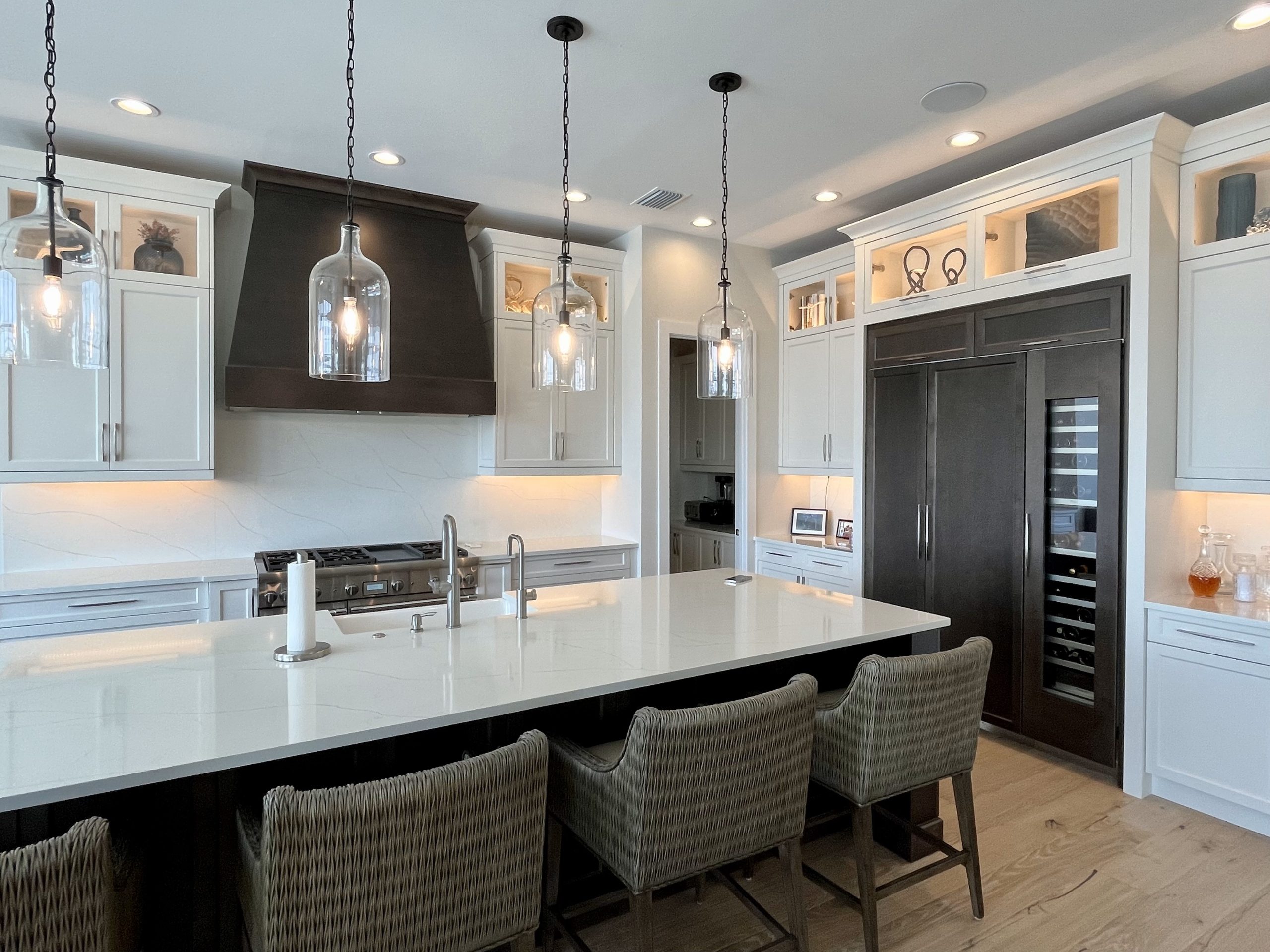
Credit: www.freyandson.com
Sustainability Considerations
Designing a kitchen with sustainability in mind involves choosing eco-friendly materials and energy-efficient appliances. Opt for reclaimed wood or bamboo for cabinetry. Install LED lighting and water-saving fixtures to reduce energy and water consumption. This approach ensures a beautiful, functional kitchen that respects the environment.
Designing a new kitchen is a thrilling adventure, especially when you weave in sustainability considerations. With growing awareness about our environmental impact, more homeowners are choosing to create eco-friendly spaces. Your kitchen can be both stylish and kind to the planet by making thoughtful choices in materials and fixtures. Let’s dive into how you can achieve this.
Eco-friendly Materials
Choosing eco-friendly materials for your kitchen not only benefits the environment but also enhances your home's aesthetics. Opt for sustainable options like bamboo or reclaimed wood for your cabinetry and flooring. These materials are not only beautiful but also durable and renewable. Consider countertops made from recycled materials, such as glass or concrete. They offer unique textures and are often more resistant to stains and scratches. When I renovated my kitchen last year, I chose recycled glass countertops, and they’ve been a conversation starter at every dinner party. Avoid volatile organic compounds (VOCs) in paints and finishes. Low-VOC options are healthier for you and your family, as they emit fewer toxins into your home. What materials will you choose to make your kitchen a healthier place?
Water-saving Fixtures
Water-saving fixtures are a crucial component of a sustainable kitchen. They help you reduce water usage without sacrificing performance. Installing a low-flow faucet is a simple yet effective way to cut down on water waste. Consider a dual-flush toilet if your kitchen includes a bathroom. These toilets offer two flushing options, allowing you to use less water for liquid waste. It’s a small change that can lead to significant savings on your water bill. You might be surprised at how much water a dishwasher uses. Look for ENERGY STAR-rated models that optimize water and energy usage. When I switched to an energy-efficient dishwasher, I noticed a drop in my utility bills, which was a pleasant surprise. By making these sustainable choices, you can design a kitchen that’s not only beautiful but also responsible. What steps will you take to ensure your kitchen is eco-friendly?
Hiring Professionals
Designing your new kitchen becomes easier with professional help. Experts offer creative ideas and practical solutions. They ensure the space is both stylish and functional.
Designing your new kitchen can be an exciting yet overwhelming task. You want it to reflect your style while being functional for everyday use. Hiring professionals can make this process smoother and more efficient. They bring expertise and can help turn your vision into reality, ensuring you avoid costly mistakes.
Finding The Right Designer
The right kitchen designer can transform your ideas into a workable plan. Start by researching local designers online and reading reviews from past clients. Recommendations from friends or family who have recently renovated their kitchens can also be invaluable. Schedule meetings with a few designers to discuss your vision and budget. Ask them about their past projects and if they have experience with kitchens similar to what you have in mind. You want someone who listens to your needs and offers creative solutions. During one of my kitchen redesigns, I found a designer who not only understood my love for minimalism but also suggested innovative storage solutions. This kind of expertise can make all the difference.
Working With Contractors
Contractors are essential for executing your kitchen design. They handle the construction, plumbing, and electrical work. It’s crucial to find a reliable contractor who respects timelines and budgets. Before hiring, get quotes from several contractors. Compare their pricing, but also consider their experience and reliability. You can ask for references or visit a project they’re currently working on to see their craftsmanship firsthand. Communication is key when working with contractors. Make sure you're clear about your expectations and timelines. Regular check-ins can help ensure everything is on track. During my last renovation, weekly updates with the contractor helped me catch potential issues early, saving time and money. Hiring professionals can seem daunting, but it’s a worthy investment for your kitchen’s long-term success. Have you started looking for your dream team yet?
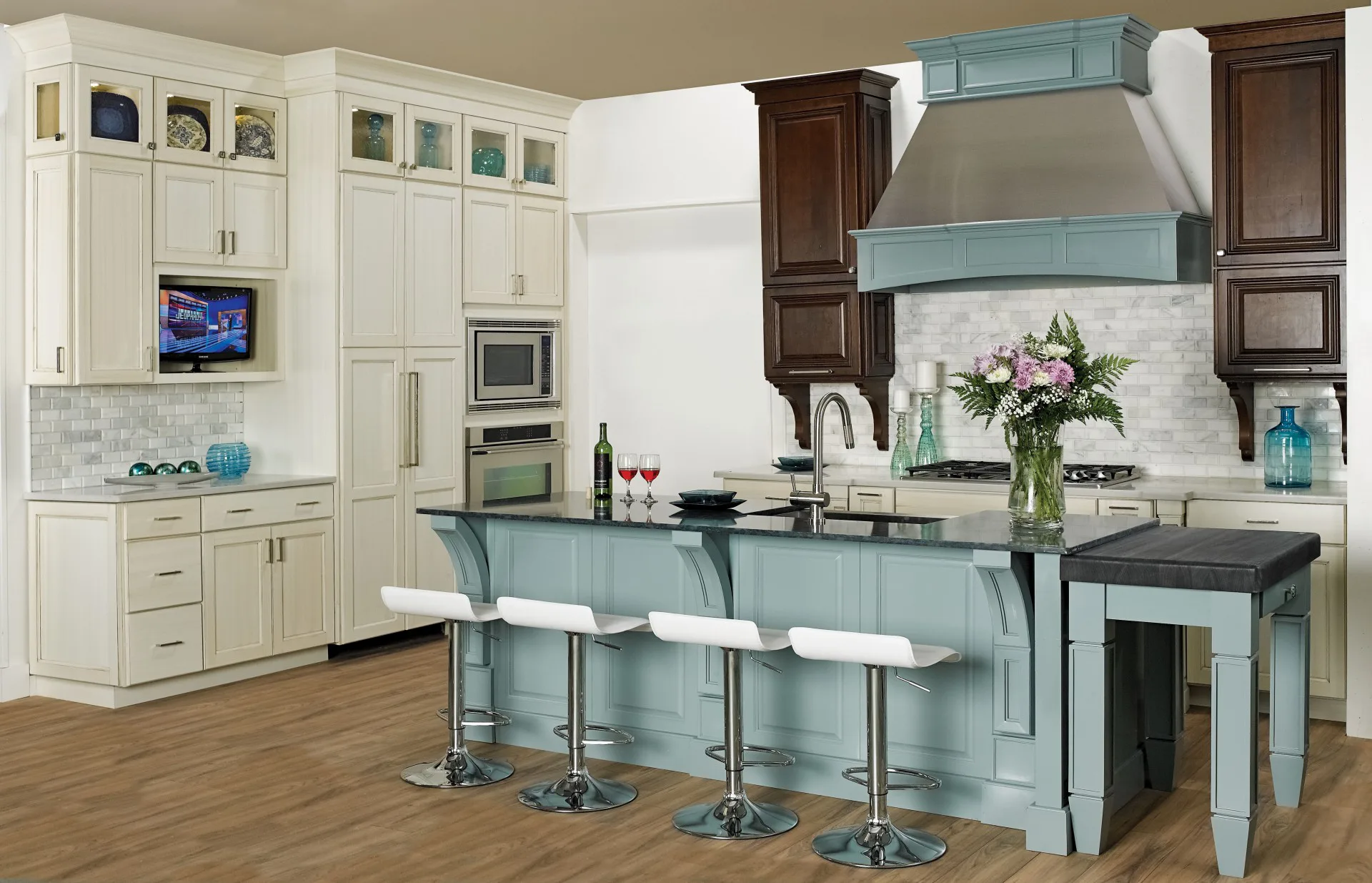
Credit: www.wellbornforest.com
Frequently Asked Questions
What Is The Best Kitchen Layout?
The best kitchen layout depends on your space and needs. Popular layouts include L-shaped, U-shaped, and galley. Each offers unique advantages. Consider workflow, storage, and appliance placement for optimal efficiency. Tailor the design to suit your cooking habits and lifestyle for a functional kitchen.
How Do I Choose Kitchen Colors?
Choose kitchen colors that reflect your style and enhance the space. Neutrals like white and gray offer timeless appeal. Bold colors can add personality and depth. Consider natural light and room size when selecting hues. Balance with countertops, cabinets, and flooring for a cohesive look.
What Materials Are Ideal For Kitchen Countertops?
Ideal materials for kitchen countertops include granite, quartz, and marble. Granite is durable and heat-resistant. Quartz offers low maintenance and variety in design. Marble provides elegance but requires care. Consider durability, maintenance, and budget when choosing. Match the countertop to your kitchen’s overall design theme.
How Can I Maximize Kitchen Storage?
Maximize kitchen storage by using cabinets, shelves, and organizers efficiently. Utilize vertical space with tall cabinets. Install pull-out drawers for easy access. Consider adding hooks for utensils and pot racks. Custom solutions can further optimize space, ensuring everything has its place for a clutter-free kitchen.
Conclusion
Creating the perfect kitchen is an exciting journey. Each decision shapes your space. Choose colors that inspire you. Select materials that suit your lifestyle. Think about functionality and beauty. Consider how you use your kitchen daily. Arrange elements for easy access.
Lighting sets the mood, so plan it wisely. Personal touches make it unique. This space is where memories happen. Blend style with practicality. Let your kitchen reflect your personality. Trust your instincts and have fun. With careful planning, your new kitchen will become your favorite place.
Enjoy the process and the result. Your dream kitchen is within reach!