Imagine walking into your home and feeling an instant sense of calm and happiness. Your kitchen and living room are the heart of your home, where you cook, relax, and entertain.
Designing these spaces is not just about picking the right colors or furniture. It's about creating an environment that makes you feel good every day. You'll discover simple steps to transform your kitchen and living room into spaces you love.
You'll learn how to choose the right layout, colors, and decor that match your style and needs. Whether you have a small apartment or a large house, these tips will help you make the most of your space. Get ready to design a home that reflects your personality and enhances your lifestyle. Keep reading to find out how you can turn your vision into reality.
Kitchen Layouts
Designing a kitchen and living room involves creating a practical and stylish space. Consider open layouts for easy movement. Use natural light to enhance warmth and ambiance.
Designing your kitchen layout is a crucial step in creating a functional and aesthetically pleasing space. The layout determines how you will move and work within the kitchen, impacting your cooking experience and the overall ambiance of your home. Whether you're starting from scratch or remodeling, understanding different kitchen layouts can greatly enhance your design process.
Open Vs. Closed
Choosing between an open and closed kitchen layout is a decision that can shape your home's vibe. Open kitchens allow you to engage with guests or family while preparing meals, fostering a sense of togetherness. They work well in homes where hosting is frequent and space is ample. On the other hand, closed kitchens provide a dedicated cooking area, which can help contain noise and smells. They offer privacy and can be a haven for those who prefer a more traditional cooking environment. Think about your lifestyle and how you envision using your kitchen when making this choice.
Work Triangle Concept
The work triangle is a classic kitchen layout principle that enhances efficiency. It involves positioning the sink, stove, and refrigerator in a triangular formation, minimizing movement and maximizing functionality. This concept helps streamline tasks, making cooking a breeze. Consider your daily routine in the kitchen. Is there a seamless flow between these key areas? The work triangle can be adapted to various kitchen sizes and shapes, ensuring convenience is at the forefront of your design. As you explore kitchen layouts, ask yourself: How do you want your kitchen to feel? Do you prefer the openness or the coziness of a closed space? Will the work triangle make your daily tasks easier? Understanding these elements can lead you to a kitchen that not only looks great but feels just right for you.

Credit: decorcabinets.com
Choosing Color Schemes
Creating a harmonious color scheme for your kitchen and living room can transform the ambiance of your home. The right colors not only enhance the aesthetic appeal but also influence mood and functionality. Whether you're drawn to calm neutrals or vibrant hues, choosing the perfect palette is crucial to achieving a cohesive look.
Neutral Tones
Neutral tones like beige, grey, and soft whites are timeless choices for both kitchens and living rooms. They provide a serene backdrop that complements various decor styles.
Imagine your living room bathed in gentle greys, offering a tranquil space to unwind after a long day. Pairing neutral walls with natural wood furniture can create a warm and inviting atmosphere.
Have you noticed how a neutral kitchen can make your space feel bigger and brighter? Adding stainless steel appliances and simple white cabinetry can enhance this effect.
Bold Accents
Integrating bold accents can breathe life into your kitchen and living room. Think about adding a splash of color with vibrant cushions or a striking piece of art.
If you're feeling adventurous, consider painting one wall in your living room a rich hue like teal or mustard. This can serve as a focal point and spark conversation.
In the kitchen, a colorful backsplash or bold pendant lights can add personality without overwhelming the space. What bold accent could you add to make your room pop?
Choosing the right color scheme is about balancing your personal taste with practical design. It's your chance to express yourself while creating a space that feels uniquely yours. What colors speak to you?
Selecting Materials
Choosing the right materials for your kitchen and living room is crucial. The materials you select will impact the look and feel of your space. They also affect the durability and sustainability of your home. With the right choices, your rooms can be stylish and eco-friendly.
Durable Countertops
Countertops are the centerpiece of any kitchen. They must withstand daily use and be easy to clean. Granite and quartz are top choices for durability. Both resist scratches and heat, making them long-lasting options. Marble offers elegance but requires more care. Laminate is cost-effective and offers many styles. Solid surface materials blend well with any decor. Choose a countertop that suits your lifestyle and design taste.
Sustainable Flooring
Eco-friendly flooring enhances your living room's charm. Bamboo is a renewable resource with a modern look. Cork provides a soft, warm surface and is sound-absorbent. Reclaimed wood adds character and reduces environmental impact. Consider tiles made from recycled materials for a unique style. Linoleum is biodegradable and comes in many colors. Opt for flooring that aligns with your values and complements your decor.
Optimizing Storage
Designing your kitchen and living room requires smart storage solutions. Maximize space by utilizing vertical shelves and multifunctional furniture. Consider pull-out drawers and hidden compartments for a tidy, efficient environment.
Optimizing storage in your kitchen and living room is not just about finding space for things—it's about making your home more functional and enjoyable. When you have a place for everything, daily tasks become easier, and your home feels more welcoming. Imagine reaching for that favorite mug without a second thought or finding your keys right where you left them. Let's look at some practical ways to achieve this, starting with your cabinets and shelving.
Cabinet Solutions
Cabinets are the backbone of storage in both the kitchen and living room. Consider adding pull-out shelves to your kitchen cabinets. These make it easy to access pots and pans without having to dig around. In the living room, look at multi-functional pieces like ottomans with hidden storage. These are perfect for storing blankets or games, keeping clutter at bay while providing extra seating. Think about vertical storage, too. Tall cabinets make the most of wall space, giving you room for everything without overcrowding the floor.
Innovative Shelving
Shelves can be more than just a flat surface to put things on. Floating shelves add a modern look and can be placed almost anywhere. Use them to display decorative items or stack books, creating a cozy reading nook. Adjustable shelving systems offer flexibility. As your needs change, you can move shelves up or down, ensuring you always have the right space for your items. Don't overlook corner shelves. These often-neglected areas can provide storage without taking up valuable square footage. How do you currently use your shelves? Are they working for you, or could they use a refresh? Sometimes, a little reorganization is all it takes to turn chaos into calm.
Lighting Solutions
Lighting solutions can transform the atmosphere of your kitchen and living room. The right lighting enhances functionality and aesthetics. It brings warmth and clarity to your space. Let's explore how ambient and task lighting can make a difference.
Ambient Lighting
Ambient lighting sets the mood in your rooms. It provides overall illumination and creates a welcoming environment. Use ceiling-mounted fixtures for balanced light spread. Install recessed lights for a modern look. Consider wall sconces for added style. Choose bulbs that emit soft, warm light. This creates a cozy atmosphere in your living room.
In the kitchen, ambient light ensures visibility. It helps in moving around safely. Pendant lights over islands provide charm and sufficient light. Chandeliers can add elegance to dining areas. Ensure even distribution to avoid shadows.
Task Lighting
Task lighting focuses on specific areas. It is essential for activities like cooking or reading. Under-cabinet lights in the kitchen enhance visibility on countertops. They are perfect for detailed tasks. Ensure they are bright enough for chopping and mixing.
In the living room, use floor lamps next to reading chairs. Desk lamps on workspaces aid concentration. Adjustable lighting is practical. It allows control over brightness levels. Use LED lights for energy efficiency and longevity.
Combine both ambient and task lighting. It creates functional and beautiful spaces. Proper lighting enhances your home experience.
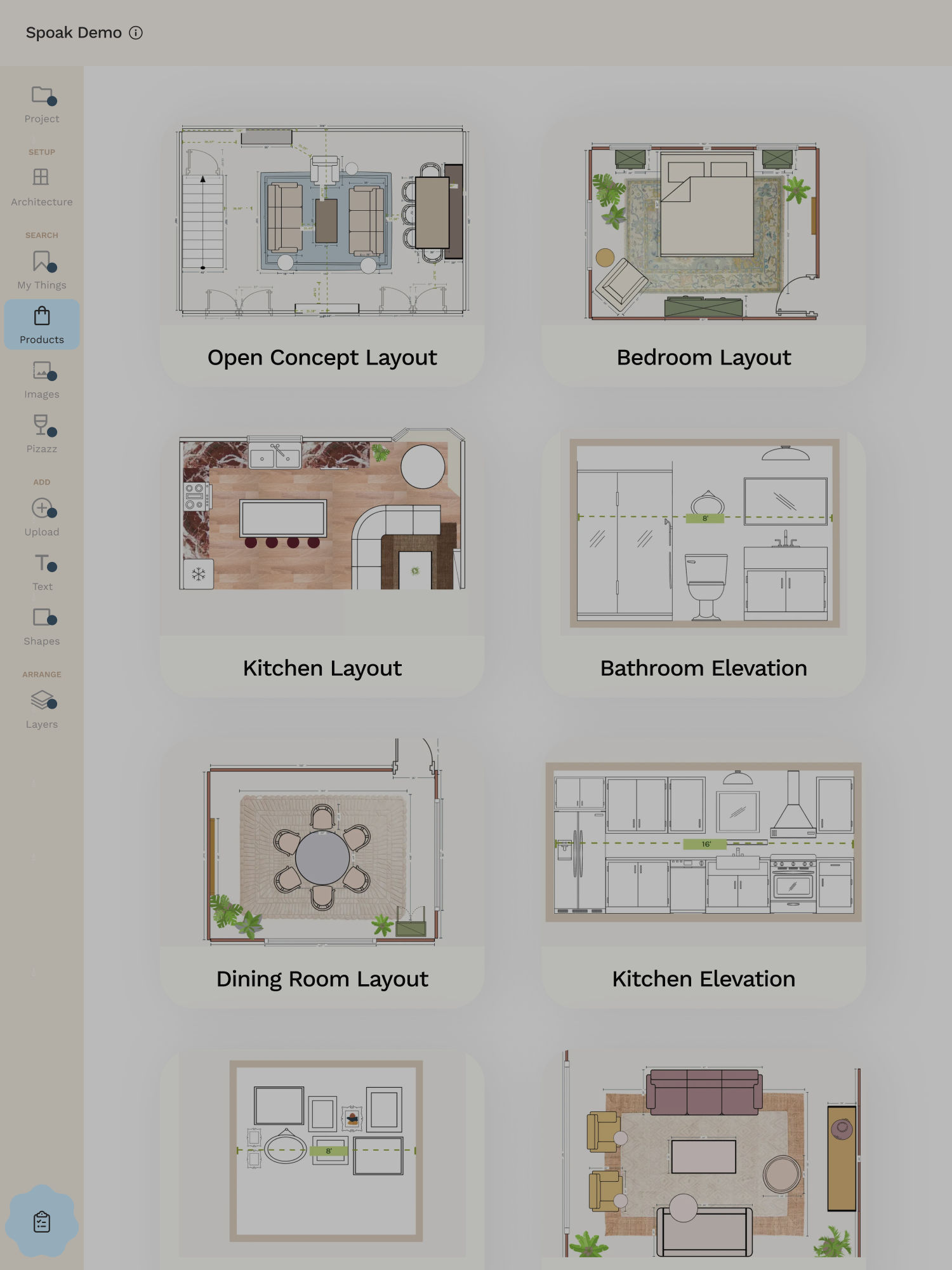
Credit: www.spoak.com
Furniture Arrangement
Designing your kitchen and living room involves arranging furniture to enhance functionality and comfort. Consider open spaces for easy movement. Use cozy seating to create inviting areas for relaxation.
Arranging furniture effectively in your kitchen and living room is more than just placing a couch or a table; it's about creating a harmonious space that feels comfortable and functional. The way you arrange your furniture can significantly impact the room's atmosphere and usability. Whether you're redesigning a small apartment or a spacious house, the right arrangement can make all the difference. Let's dive into some specific strategies to enhance your furniture layout.
Space Maximization
Maximizing space doesn't mean cramming every inch with furniture. Consider using multi-functional pieces like an ottoman that doubles as storage or a foldable dining table. These can provide flexibility in smaller areas without compromising style. Think vertically; use tall bookshelves or wall-mounted cabinets to free up floor space. Even simple changes like moving your couch slightly or adding wall hooks for pots can open up areas you never knew existed.
Flow And Accessibility
Have you ever stubbed your toe on a misplaced chair? It's not just annoying; it's a sign of poor flow. Ensure there is a natural pathway between rooms and furniture. You don't want to zigzag through your living room to reach the kitchen. Arrange seating to encourage conversation, perhaps in a circular or semi-circular pattern. In the kitchen, accessibility means placing frequently used items within arm's reach—think of how often you use that coffee machine! Consider the routines you follow daily. Would rearranging a few items make your morning smoother? By focusing on flow and accessibility, you're creating a space that not only looks good but works well too.
Incorporating Technology
Incorporating technology into your kitchen and living room can enhance functionality. It can also add a modern touch to your home. With advances in smart appliances and integrated systems, transforming your space is easier than ever. These innovations make daily tasks simpler and more efficient. They also create a comfortable and connected environment.
Smart Appliances
Smart appliances bring convenience to your kitchen and living room. Imagine your coffee maker starting before you wake up. Or your oven setting itself for dinner. These appliances connect to your smartphone or home network. This allows you to control them remotely. Energy efficiency is another benefit of smart appliances. They adjust settings to save power, reducing your utility bills.
Integrated Systems
Integrated systems create a seamless environment in your home. They connect various devices and appliances to a central hub. This hub controls lighting, temperature, and entertainment. You can manage everything with a single touch or voice command. Integrated systems enhance security too. They offer features like remote surveillance and smart locks.
Creating A Cohesive Style
Designing a cohesive style for your kitchen and living room enhances harmony. Use matching colors and materials for a seamless look. Align furniture styles to create a unified and inviting space.
Creating a cohesive style in your kitchen and living room enhances harmony. A unified design ensures that both spaces complement each other. It creates a seamless transition from one area to another. Achieving this involves careful consideration of colors, textures, and materials. Let's explore how to design these spaces with a cohesive style.
Matching Aesthetics
Matching aesthetics between the kitchen and living room is crucial. Choose a color palette that flows naturally between the two areas. Neutral tones can create a calm and harmonious atmosphere. Bold colors can add vibrancy and energy. Ensure that furniture styles complement each other. Modern furniture pairs well with sleek kitchen designs. Rustic pieces can enhance a farmhouse kitchen feel. Keep decorative elements consistent in both spaces.
Blending Textures
Blending textures adds depth and interest to your design. Use similar materials in both spaces for continuity. Wood, metal, and glass can work together beautifully. Introduce soft fabrics in both areas for comfort. Textured walls or tiles can add visual appeal. Rugs can tie together textures in the living room. Consider texture in kitchen accessories and living room decor. Mixing textures creates a rich, inviting environment.
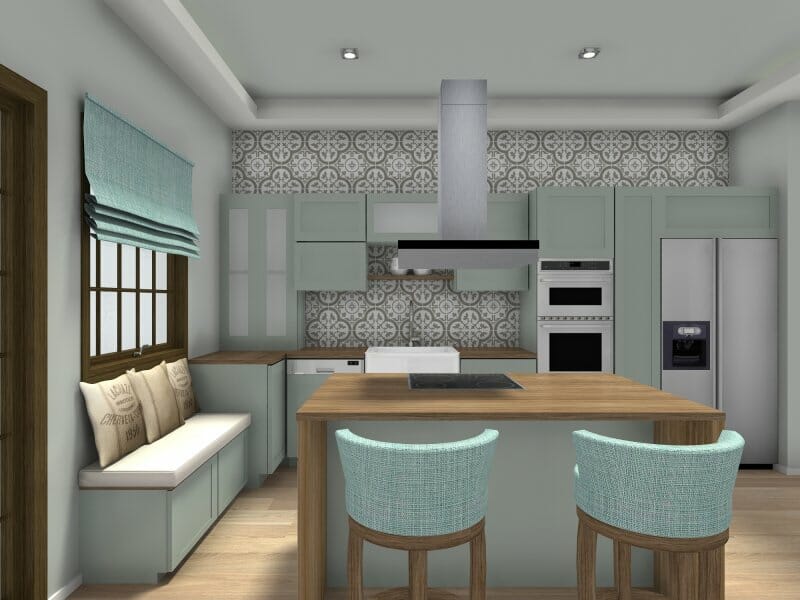
Credit: www.roomsketcher.com
Frequently Asked Questions
What Colors Work Best For Kitchen Design?
Neutral colors like white, gray, and beige create a timeless look. Bold colors such as red or navy can add character. Consider the mood you want to create and the lighting in your space. Light colors make a room feel spacious, while darker shades add warmth.
How Can I Maximize Storage In My Kitchen?
Utilize vertical space with tall cabinets or shelves. Implement pull-out drawers and rotating racks for easy access. Consider custom cabinetry to fit your needs. Add hooks for hanging items and use baskets for organization. Smart storage solutions enhance functionality and aesthetics.
What Are Popular Living Room Layout Ideas?
Open layouts are popular for creating a spacious feel. Consider a sectional sofa for versatility. Arrange furniture to facilitate conversation and flow. Use area rugs to define spaces. Incorporate various seating options and ensure there's ample lighting.
How Do I Create A Cohesive Design?
Choose a consistent color palette and style throughout. Match materials like wood or metal for continuity. Coordinate furniture and decor elements. Balance textures and patterns to maintain harmony. Personalize with unique accessories that reflect your personality.
Conclusion
Creating a harmonious kitchen and living room is achievable. Begin with a clear vision. Choose colors that blend well. Use furniture that suits both spaces. Lighting plays a crucial role. It sets the mood. Keep the design simple yet functional.
Focus on comfort and style. Personal touches make the space yours. Practical storage solutions help reduce clutter. Consider the layout for easy movement. Balance aesthetics with utility. A well-designed space enhances daily life. Enjoy the process. Your home reflects your personality.
Feel proud of the transformation.