Are you tired of your kitchen feeling dim and uninspiring? Imagine transforming it into a bright, welcoming space where you can cook, entertain, and unwind with ease.
The secret lies in the power of recessed lighting. This sleek, unobtrusive lighting option can elevate your kitchen's ambiance and functionality, making it not only a joy to use but also a visual delight. In this guide, you'll discover how to design kitchen recessed lighting that perfectly complements your space and meets your needs.
Whether you're aiming for a modern minimalist look or a warm, cozy atmosphere, the right lighting design can make all the difference. Keep reading to unlock the potential of your kitchen and learn how to create a lighting plan that illuminates your culinary dreams.
Choosing The Right Lighting Type
Choosing the right lighting type for your kitchen recessed lighting can make a world of difference in both functionality and aesthetics. It's not just about brightening up the space; it's about creating the perfect ambiance that suits your cooking and dining needs. Whether you're renovating or building a new kitchen, understanding the options available is crucial.
Led Vs. Halogen
LED lights have become the go-to choice for many homeowners. They are energy-efficient and have a longer lifespan compared to halogen bulbs. Imagine not having to change bulbs frequently and saving on electricity bills. That's the power of LEDs.
On the other hand, halogen lights offer a warmer glow which can enhance the coziness of your kitchen. If you prefer a more traditional feel, halogen might be for you. But remember, they consume more energy and may need replacement sooner.
What matters to you more: saving energy or achieving a certain warmth? Balance the pros and cons before you decide.
Dimmable Options
Dimmable lights are a game-changer in kitchen design. They allow you to adjust the brightness according to your mood or activity. Imagine hosting a dinner with friends and being able to set the perfect lighting for a cozy evening.
Not all recessed lighting comes with dimmable options, so ensure you check the specifications before purchasing. Also, consider compatible dimmer switches to avoid flickering.
Have you ever tried cooking with overly bright or dim lighting? It's not ideal. With dimmable options, you can tailor the light intensity to suit your needs.
Choosing the right type of recessed lighting involves considering both functionality and the atmosphere you want to create. Take a moment to reflect on what suits your lifestyle best. Your kitchen is, after all, the heart of your home.
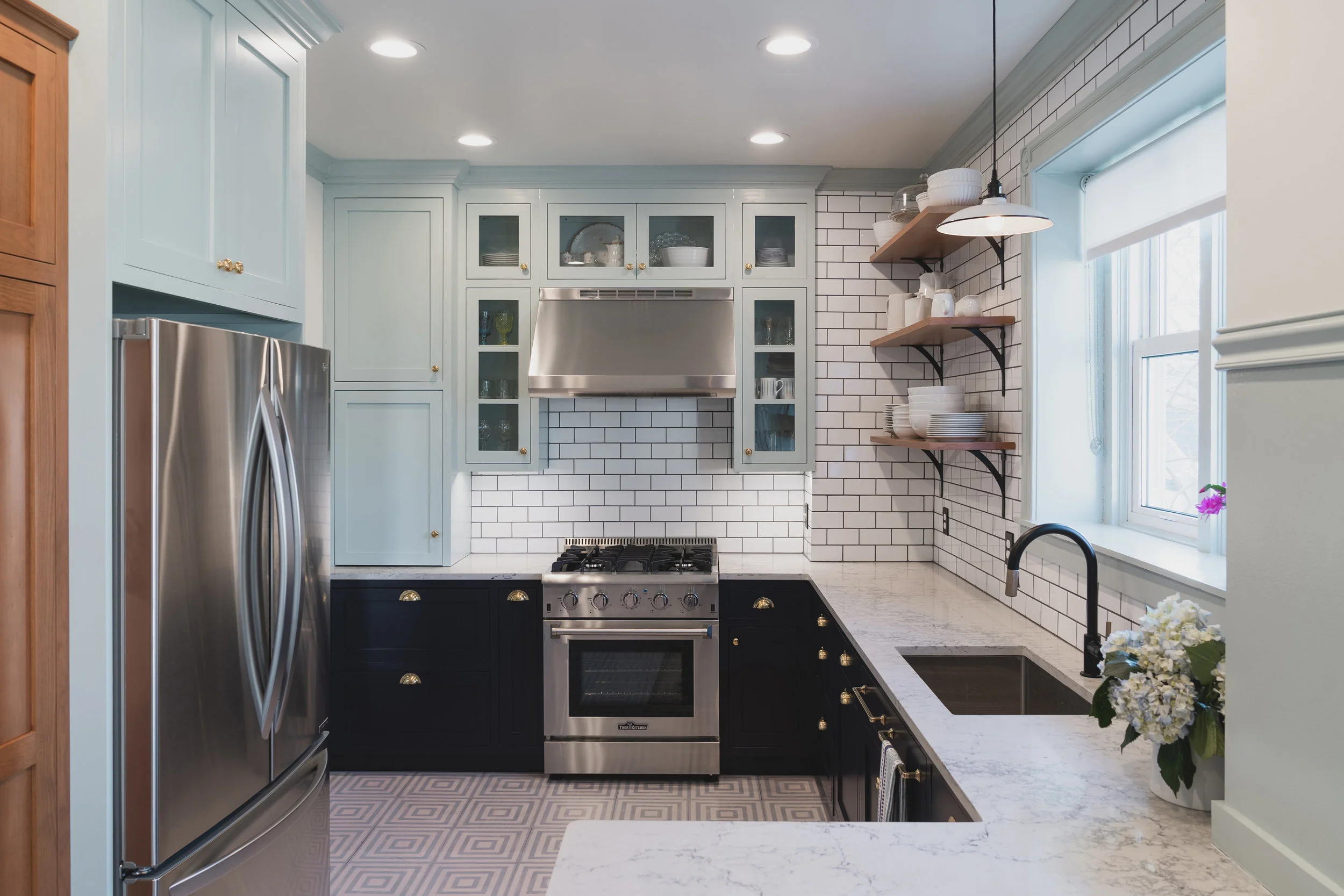
Credit: www.airykitchens.com
Understanding Beam Angles
Understanding beam angles is crucial for effective kitchen recessed lighting design. Beam angles determine the spread of light emitted from a fixture. They influence how well a space is illuminated. Different areas in the kitchen may require various beam angles. This ensures functionality and ambiance blend perfectly.
Narrow Vs. Wide Beam
Narrow beam angles focus light into a specific area. They are ideal for highlighting particular spots. Use them for illuminating countertops or islands. They create a bright, concentrated light source. Narrow beams help in reducing shadows. They enhance visibility in task-oriented areas.
Wide beam angles spread light over a larger area. They are perfect for general lighting needs. Use them to cover larger kitchen spaces evenly. They provide a softer, diffused light. Wide beams are great for creating a warm atmosphere. They ensure the entire room feels inviting.
Adjusting For Task Areas
Different tasks require different lighting levels. Prep areas need bright, focused light. Use narrow beam angles here for clarity. Cooking zones benefit from adjustable lighting. This allows flexibility based on activity. Dining areas need softer, ambient light. Wide beam angles work best for relaxation.
Consider the height of your ceiling. It impacts how light spreads across the room. Taller ceilings may need wider beam angles. Lower ceilings can use narrower beams effectively. Adjust based on the room's layout. This ensures optimal lighting conditions for all tasks.
Placement Strategies
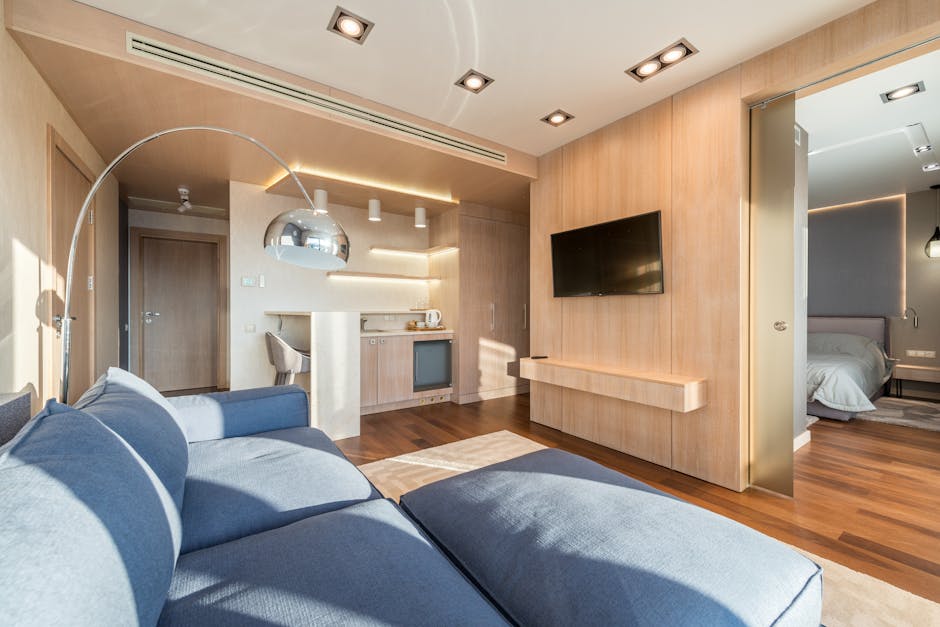
Designing kitchen recessed lighting involves strategic placement to enhance functionality and ambiance. Consider task lighting over counters and islands for focused illumination. Use adjustable fixtures to highlight key areas, ensuring a balanced and inviting space.
Designing kitchen recessed lighting involves more than just picking out stylish fixtures. It’s about understanding how to strategically place those lights to enhance the functionality and beauty of your kitchen. Imagine stepping into your kitchen and being greeted by a warm, inviting glow that highlights the key areas where you cook, dine, and gather. Let’s dive into placement strategies that can transform your kitchen into a more dynamic space.
Spacing Guidelines
Proper spacing of recessed lights is crucial to avoid dark spots and uneven lighting. A good rule of thumb is to space your lights between 4 to 6 feet apart. Consider the height of your ceiling. Higher ceilings might require closer spacing to ensure adequate coverage. Visualize the light spread. Each fixture creates a cone of light that overlaps with others, providing seamless illumination across the room.
Focal Points And Accents
Think about the main areas in your kitchen that need attention. Your stove, island, and sink are prime candidates for focused lighting. Use recessed lights to highlight architectural features or unique design elements like a tiled backsplash or a beautiful countertop. Consider adjustable fixtures. These allow you to direct light towards specific spots, bringing out textures and colors in ways you never thought possible. By applying these placement strategies, you not only illuminate your kitchen but also enhance its aesthetic appeal. Have you ever wondered why some kitchens look more welcoming than others? Sometimes, it’s all about how the lighting creates an atmosphere that draws you in.
Consider Ceiling Height
Ceiling height greatly impacts kitchen recessed lighting design. Higher ceilings require more lights for even illumination. Lower ceilings need fewer lights to avoid overcrowding. Proper placement ensures a bright and functional kitchen space.
Designing kitchen recessed lighting can dramatically enhance the ambiance and functionality of your cooking space. One crucial factor to consider is ceiling height. It affects how light is distributed and determines the size of fixtures you should use. This aspect can often be overlooked, but understanding its importance can make a significant difference in your kitchen lighting design.
Impact On Light Distribution
Ceiling height plays a vital role in how light spreads across your kitchen. A higher ceiling may require more powerful lighting or additional fixtures to ensure even distribution. If your ceiling is lower, you might find that fewer fixtures suffice, but the light could create harsh shadows if not properly placed. Think about how you use your kitchen and where you need the most illumination. Are your countertops well-lit? Is the dining area bright enough? These questions can guide you in deciding the right number and placement of fixtures.
Adjusting Fixture Size
The size of your recessed lighting fixtures should complement your ceiling height. Taller ceilings typically demand larger fixtures to throw enough light across the room. Conversely, smaller fixtures might be more suitable for lower ceilings to avoid overwhelming the space. Consider the aesthetics as well—larger fixtures can make a bold statement, while smaller ones might blend seamlessly into the ceiling. When I redesigned my own kitchen, I opted for medium-sized fixtures to balance functionality with style, proving that thoughtful choices can transform the kitchen experience. Your choices in lighting can make or break the atmosphere in your kitchen. Have you thought about how your ceiling height influences these decisions? Make sure your lighting design doesn’t just serve a purpose but also enhances your kitchen’s overall vibe.
Selecting Trim Styles
Kitchen recessed lighting offers a sleek and modern look. Selecting trim styles plays a crucial role in achieving the desired aesthetic. The trim is the visible part of the fixture, and choosing the right style enhances your kitchen's overall design.
Trim Types And Finishes
Trim types vary greatly, offering different functions and appearances. Baffle trims reduce glare, providing softer light. Reflector trims maximize brightness by reflecting light outward. Adjustable trims allow you to direct light where it's needed. Each type serves a specific purpose in your kitchen.
Finishes also influence how the lighting complements your space. White finishes blend seamlessly with ceilings for a clean look. Nickel and chrome add a touch of elegance and modernity. Bronze or black finishes offer warmth and a rustic feel. The right finish enhances the trim's impact.
Matching Kitchen Decor
Trims should match your kitchen decor for a cohesive appearance. Consider your cabinet and countertop colors. If your kitchen has stainless steel appliances, nickel trims can harmonize well. Wooden cabinets pair nicely with bronze trims. The goal is to create a unified visual experience.
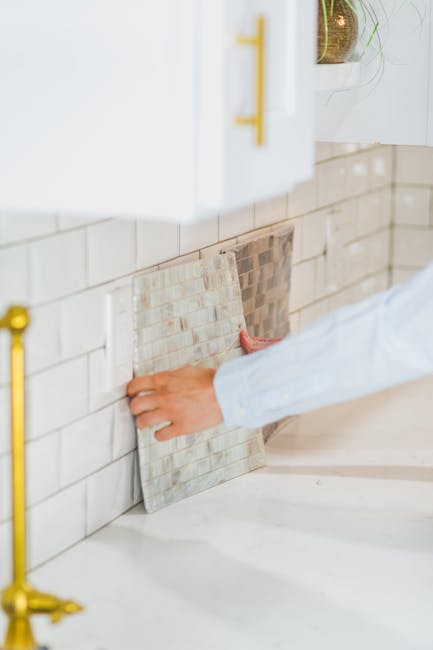
Lighting can highlight specific design elements. Choose trims that accentuate your backsplash or kitchen island. Coordinated trims tie the entire kitchen together, making it look well-planned and stylish.

Credit: diy.stackexchange.com
Incorporating Layered Lighting
Designing kitchen recessed lighting involves balancing task, ambient, and accent lights. Use dimmers for flexibility in brightness levels. Consider LED options for energy efficiency and longevity.
Designing kitchen recessed lighting is more than just picking the right fixtures. It's about creating a dynamic and functional space. Layered lighting is crucial. It combines different light sources to achieve depth and flexibility. This approach enhances the kitchen’s ambiance while providing necessary illumination for various tasks. You can easily elevate your kitchen lighting by thoughtfully combining recessed lights with other light sources. Let's dive into how you can achieve this with pendant and under-cabinet lights.
Combining With Pendant Lights
Recessed lighting provides general illumination, but pendant lights add character. They are perfect for highlighting specific areas like kitchen islands or dining spaces. Imagine the soft glow from pendant lights casting a warm and inviting atmosphere during dinner. Position your pendants at a height that complements your recessed lights without overpowering them. Consider using dimmable options for mood versatility. Mixing pendants with recessed lighting allows you to adjust the ambiance effortlessly. Why not try different pendant designs to see which best suits your kitchen style? This blend not only enhances aesthetics but also increases functionality.
Integrating Under-cabinet Lights
Under-cabinet lighting is essential for task lighting in the kitchen. It illuminates countertops, making meal prep safer and more enjoyable. Have you ever struggled to see while chopping vegetables? Under-cabinet lights, paired with recessed lighting, can solve this problem. They offer focused light right where you need it, eliminating shadows. Choose LED strips or puck lights to complement your recessed fixtures. This combination ensures your kitchen is well-lit without excessive glare. Think about how much easier it will be to cook with clear visibility of your workspace. Layered lighting transforms your kitchen into a versatile and inviting space. By combining recessed lighting with pendant and under-cabinet lights, you create a balanced environment. What could be more satisfying than a kitchen that meets both your practical needs and aesthetic desires?
Energy Efficiency Considerations
Designing kitchen recessed lighting for energy efficiency involves considering bulb type and placement. LED bulbs save energy and last longer. Proper spacing and angles ensure even light distribution.
Designing kitchen recessed lighting involves more than just aesthetics; it's crucial to consider energy efficiency. This not only reduces your carbon footprint but also saves money in the long run. As you plan your kitchen lighting, think about the choices you make today and how they impact your future utility bills.
Choosing Energy Star Products
Opt for Energy Star certified products when selecting your recessed lighting. These products are designed to consume less energy without compromising on performance. They often last longer and shine brighter, making them a smart choice for your kitchen. Imagine the satisfaction of knowing you're contributing to environmental sustainability. An Energy Star certified bulb can use up to 90% less energy than a traditional incandescent bulb. That's a significant saving, especially in a space where lights are frequently used.
Long-term Savings
Investing in energy-efficient lighting can result in substantial long-term savings. While the initial cost might be higher, the reduction in energy bills over time is worth it. It's like planting a seed that grows into a tree of savings. Consider how much time you spend in your kitchen daily. The lights are on for cooking, cleaning, and sometimes even socializing. Every hour of energy-efficient lighting use adds up to noticeable savings at the end of the year. Have you ever calculated how much you spend on electricity annually? Making a switch to energy-efficient lighting can reduce that number significantly. It’s a decision that benefits both your wallet and the planet. By focusing on energy efficiency in your kitchen lighting design, you take a step towards a greener future. What changes can you make today for a brighter, more sustainable tomorrow?
Safety And Installation Tips
Designing kitchen recessed lighting requires careful planning for both safety and effective installation. Ensure proper spacing to avoid shadows. Use fire-rated fixtures for added safety.
Designing your kitchen with recessed lighting can transform it into a welcoming and functional space. However, it's crucial to prioritize safety and proper installation to ensure your kitchen not only looks good but also functions well. Let's dive into some essential tips to keep your kitchen lighting project safe and professional.
Avoiding Electrical Hazards
Safety should be your top priority when dealing with electrical installations. Make sure to turn off the power supply before you start any work. This simple step can prevent potential accidents. Check your existing wiring for wear and tear. Faulty wiring can lead to electrical fires or shocks. If you find anything suspicious, consult a professional. Use the right tools and materials. Cheap or incorrect materials can compromise safety. Invest in high-quality fixtures and wiring to ensure durability and safety.
Hiring Professional Installers
Consider hiring a professional installer if you’re not confident in your skills. Professionals have the expertise to handle complex wiring and installation. A professional can help you adhere to local building codes. This ensures your installation is both safe and compliant. By hiring an expert, you also save time and avoid potential mistakes. Their experience can make the process smoother and more efficient. Have you ever tackled a DIY project and found it more challenging than expected? Sometimes, bringing in the pros can save you from those headaches. What might seem like an additional expense can actually be a wise investment in safety and peace of mind.
Maintenance And Care
Maintaining kitchen recessed lighting ensures a bright and inviting space. Proper care extends the lifespan of your fixtures. It also keeps them looking fresh and clean. Regular maintenance prevents dust buildup and ensures optimal performance. Let's explore how to keep your recessed lighting in top condition.
Cleaning Fixtures
Dust and grease can accumulate on light fixtures over time. Gently wipe the fixtures with a soft, damp cloth. Use a mild detergent if needed. Avoid abrasive cleaners that might damage the surface. Clean the fixtures regularly to maintain their shine and brightness.
Replacing Bulbs
Replacing bulbs is a simple task. First, ensure the power is off to avoid accidents. Gently remove the old bulb by twisting it out. Insert the new bulb carefully and ensure it fits snugly. Use bulbs that match the fixture's wattage requirements. This ensures safety and longevity.

Credit: m.youtube.com
Frequently Asked Questions
What Is Recessed Lighting In Kitchens?
Recessed lighting is installed into the ceiling for a sleek look. It provides ambient and task lighting without taking up space. This style is popular in kitchens for its modern aesthetic and versatility.
How Do I Choose The Right Bulb?
Choosing the right bulb depends on your kitchen's needs. Consider LED bulbs for energy efficiency and longevity. Choose the right brightness and color temperature to match your kitchen's style and function.
How Many Recessed Lights Do I Need?
The number of recessed lights depends on kitchen size and layout. A general rule is one light per 4 to 6 square feet. Consider task areas like counters and islands for focused lighting.
Where Should Recessed Lights Be Placed?
Placement of recessed lights is crucial for effective lighting. Install them over key areas like countertops, islands, and sinks. Space them evenly to avoid shadows and ensure comprehensive coverage.
Conclusion
Designing kitchen recessed lighting doesn't have to be complex. Focus on functionality. Choose energy-efficient bulbs. Consider adjustable fixtures for flexibility. Proper placement is key for balanced illumination. Match your lighting style with kitchen decor. Test different lighting angles. Ensure lights cover all cooking areas.
Avoid harsh shadows. Opt for dimmable options for mood settings. Consult with professionals if needed. Explore online resources for inspiration. Your kitchen deserves perfect lighting. Plan carefully, and enjoy the results. Good lighting enhances kitchen ambiance. It makes cooking and dining more enjoyable.
Brighten your kitchen. Transform your space.