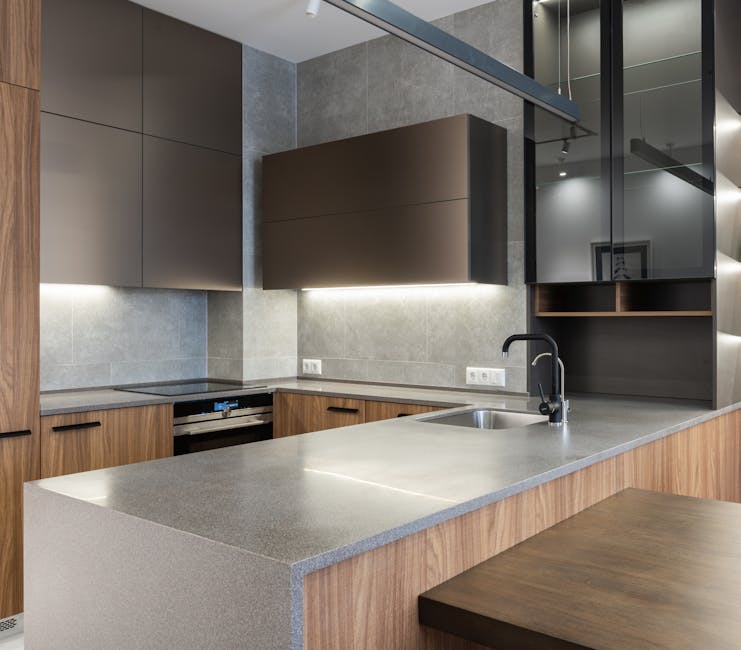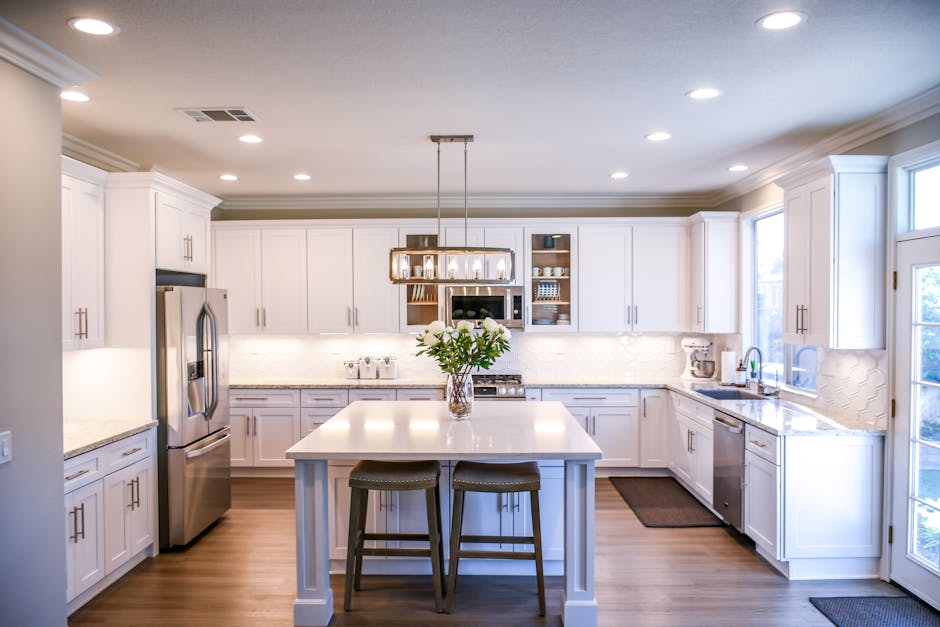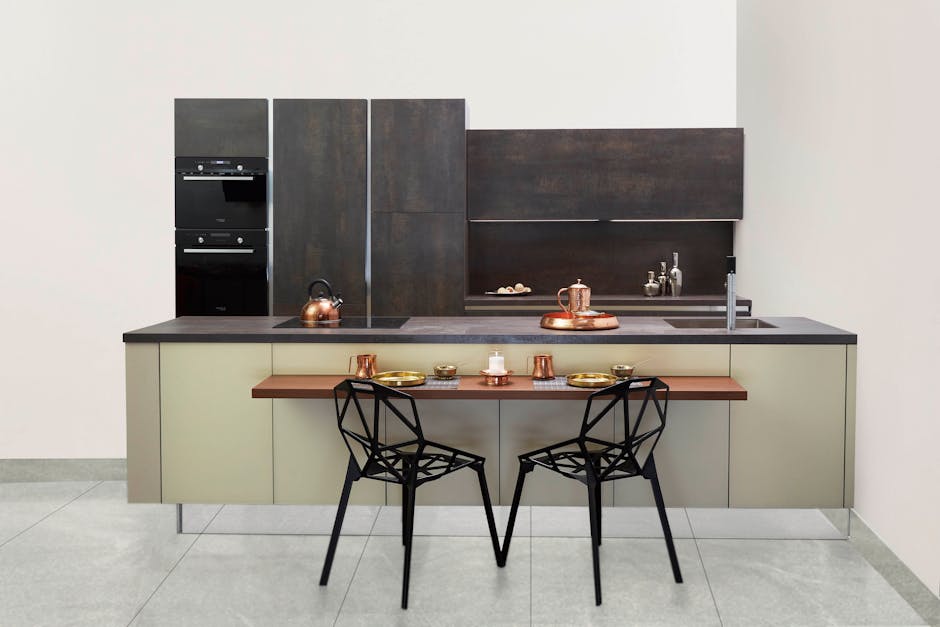

Are you tired of a cluttered kitchen where your appliances feel like they’re playing a game of Tetris? Imagine a kitchen where every appliance fits perfectly, making cooking not just a chore, but a joy.
The way your appliances fit in your kitchen can transform your cooking experience, boosting efficiency and even your mood. This isn’t just about aesthetics; it’s about creating a space that works for you, making your daily routine smoother and more enjoyable.
You deserve a kitchen that feels like it’s made just for you. Ready to discover how to achieve this harmonious balance? Keep reading to uncover tips and tricks that will change the way your kitchen looks and feels.

Credit: vestabul.com
Planning Kitchen Layout
Planning a kitchen layout requires careful thought. It balances functionality with aesthetics. Appliances should fit seamlessly into the space. This ensures efficiency and ease of use. Proper planning avoids clutter and maximizes space. Let’s explore key concepts in kitchen layout design.
Work Triangle Concept
The work triangle is fundamental in kitchen design. It connects the stove, sink, and refrigerator. These are the most used areas. The goal is to minimize movement. Ideally, each side measures between 4 and 9 feet. This creates a compact and efficient workspace. It saves time and reduces effort.
Ergonomic Considerations
Ergonomics enhance comfort and efficiency in the kitchen. Appliances should be at accessible heights. Avoid excessive bending or reaching. Countertops should match user height. This prevents strain during food preparation. Shelves and cabinets should be easy to access. Consider appliance placement carefully. This improves the overall cooking experience.
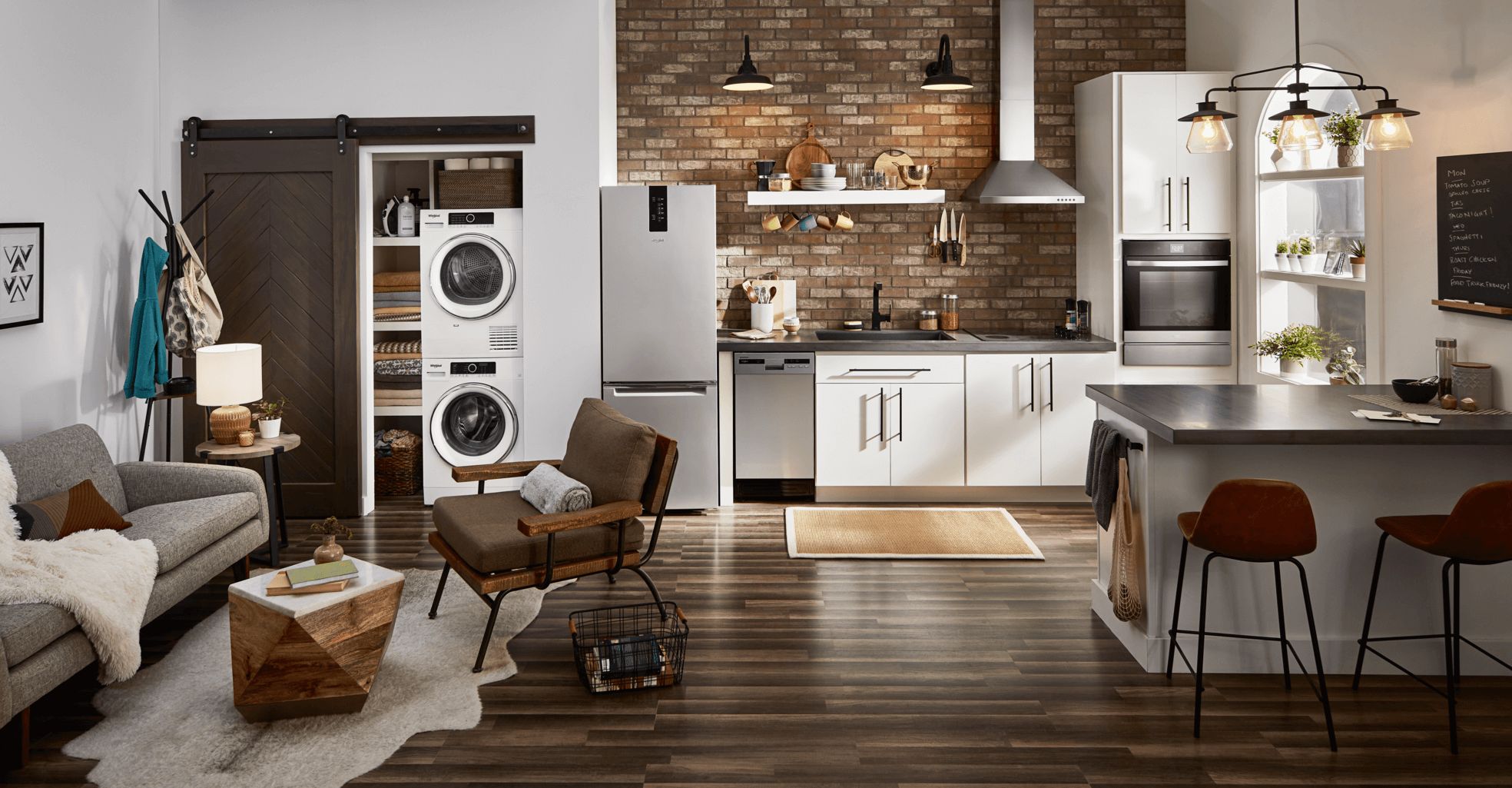
Credit: www.whirlpool.com
Choosing The Right Appliances
Efficient kitchen setups depend on selecting appliances that blend seamlessly with space and style. Compact designs enhance functionality while maintaining aesthetic appeal. Prioritize energy-efficient models that align with your cooking habits and storage needs.
Choosing the right appliances for your kitchen is crucial for creating a functional and pleasant cooking environment. Whether you're a seasoned chef or a busy parent, the appliances you select will impact your daily routine and energy usage. Before you make any decisions, consider how these choices will affect your kitchen's efficiency and your lifestyle.
Size And Capacity
The size and capacity of your kitchen appliances should align with your cooking needs and available space. If you live alone or have a small family, a compact fridge and a two-burner stove might suffice. However, larger families might require a spacious fridge and a full-sized range to handle bigger meals. Measure your kitchen space carefully before purchasing. Picture the layout in your mind: a large oven might look impressive but could make your kitchen feel cramped. Can you still move around comfortably?
Energy Efficiency
Energy efficiency is an important consideration for both the environment and your wallet. Efficient appliances can significantly reduce your energy bills over time. Look for the Energy Star label, which indicates that the appliance meets specific energy-saving standards. Think about your cooking habits. If you frequently use your oven, investing in an energy-efficient model can lead to substantial savings. A friend of mine switched to an energy-efficient dishwasher and noticed a considerable drop in monthly electricity costs. Choosing energy-efficient appliances is not just about cost savings; it's a step towards a more sustainable lifestyle. How much energy do your current appliances consume? Engage with these insights, and you'll find selecting the right appliances becomes a more thoughtful process. The right choices can transform your kitchen into a space that works for you, not against you.
Placement Of Major Appliances
Designing a kitchen involves more than choosing beautiful cabinets and countertops. It's about creating a space that's efficient and comfortable for everyday cooking. The placement of major appliances plays a crucial role in achieving this. You want your kitchen to flow seamlessly, allowing you to move easily between tasks. Let's dive into the specifics of positioning your refrigerator, oven, stove, and dishwasher for optimal functionality and convenience.
Refrigerator Positioning
Your refrigerator is often the busiest appliance in the kitchen. It's where you store fresh ingredients and leftovers, making its location key to a smooth cooking process. Ideally, position it near the entrance of the kitchen. This allows you to quickly unload groceries without weaving through the space.
Think about how often you grab items from the fridge while cooking. Placing it near your prep station or the sink can save you time and steps. If your kitchen layout permits, consider a spot where the doors can open fully without obstruction. Imagine struggling with a fridge door that bumps into a cabinet every time you grab milk for your coffee. Frustrating, right?
Oven And Stove Location
The oven and stove are the heart of cooking operations. You want them centrally located, ideally on the same wall, to create a cohesive cooking area. This placement allows you to move effortlessly from chopping to sautéing. Having the oven close to the stove means you can easily transfer food from one to the other.
Safety is paramount. Ensure there's enough counter space on either side for hot pans and trays. This prevents accidents and gives you room to maneuver when juggling multiple dishes. Ask yourself: Is there enough ventilation to avoid smoke build-up? Proper ventilation keeps your kitchen fresh and inviting.
Dishwasher Accessibility
A dishwasher makes clean-up quick and easy, but only if it's conveniently placed. Position it close to the sink, so you can scrape off plates and load them with minimal mess. Imagine having to cross the kitchen with dripping dishes. Not ideal, right?
Think about the surrounding cabinetry. Can you easily access it without bending or stretching awkwardly? Place it where you can stand comfortably while loading and unloading. Consider a spot with enough space to open the dishwasher door fully, allowing you to load dishes efficiently.
Ultimately, the right placement of appliances can transform your kitchen into a more functional and enjoyable space. As you plan your layout, picture yourself working in the kitchen and consider how each appliance fits into your routine. Your kitchen should be a haven for creativity and efficiency.
Integrating Small Appliances
Small appliances bring convenience and efficiency to the kitchen. They save time and effort. Proper integration of these appliances enhances kitchen functionality. Placement and storage play key roles. It's crucial to maintain a clutter-free space. Let's explore ways to integrate small appliances seamlessly.
Counter Space Optimization
Consider the counter space before placing small appliances. Choose a dedicated spot for each appliance. This prevents overcrowding. Organize appliances by frequency of use. Daily-use items should be easily accessible. Store occasional-use appliances in less prominent spots. This keeps the workspace clear.
Use multi-functional appliances to save space. A toaster oven can replace a toaster and oven. Think creatively about appliance placement. Mount appliances under cabinets. This frees up counter space. Use corner counters for bulky items. Every inch counts in a small kitchen.
Storage Solutions
Effective storage solutions are essential for small appliance integration. Use cabinets with pull-out shelves. These provide easy access to appliances. Consider adding hooks for lightweight appliances. This keeps them off the counter. Install floating shelves above counters. They provide extra storage space.
Use appliance garages. These are enclosed spaces on counters. They hide appliances when not in use. Opt for stackable storage containers. Store small parts of appliances in them. This keeps everything organized. Label storage spaces. This helps in quickly finding appliances.
Design And Aesthetics
Design and aesthetics play a vital role in a kitchen. A well-designed kitchen enhances your home's beauty. The appliances should complement this aesthetic. They need to fit seamlessly into your kitchen's style.
Consider the overall theme. Modern, rustic, or traditional. Each style demands attention to detail. Appliances should not only be functional but also visually pleasing.
Color And Finish Choices
Color and finish choices impact the kitchen's visual appeal. Stainless steel is popular for its sleek look. It matches many kitchen styles. For a cozy feel, choose warm tones.
Match appliance colors with your kitchen's color palette. This creates harmony in your space. Avoid clashing colors. They can make the kitchen look messy.
Blending With Cabinetry
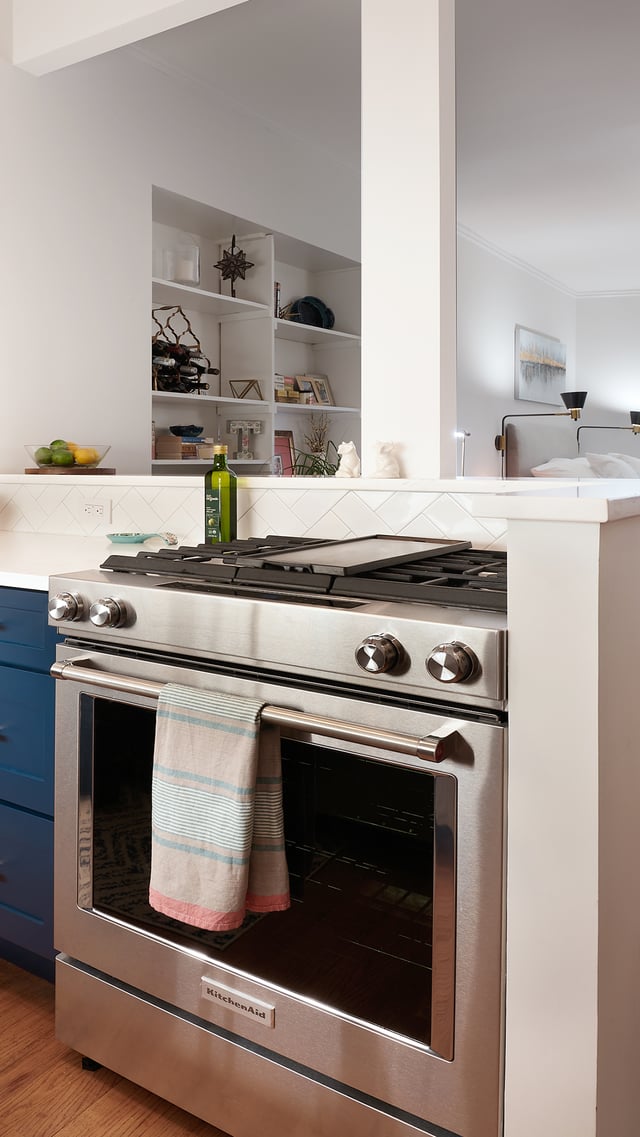
Blending appliances with cabinetry creates a unified look. Built-in appliances are a great option. They fit flush with cabinets. This provides a seamless appearance.
Panel-ready appliances can be customized. They can match cabinet doors. This integration enhances design flow. Your kitchen will look tidy and organized.
Credit: www.blockrenovation.com
Safety And Compliance
Appliances must fit perfectly in the kitchen for safety and compliance. Ensure they do not block pathways or vents. Proper fit prevents accidents and keeps the kitchen safe.
Creating a kitchen that not only looks beautiful but also functions safely is a critical task. Ensuring your appliances fit correctly can prevent accidents and comply with regulations. It's not just about aesthetics; it's about creating a space where you can cook, clean, and entertain without worry. Imagine installing a new oven, only to find out the electrical wiring can't support it. Or, you might have a dishwasher that leaks because the plumbing wasn't set up right. These mishaps can be avoided with a little planning and knowledge about safety and compliance in your kitchen design.
Electrical And Plumbing Requirements
Before you buy any appliance, check the electrical and plumbing setup in your kitchen. It’s crucial that your kitchen's electrical circuits can handle the load of your appliances. Overloading circuits can cause power outages or even electrical fires. Are your outlets properly grounded? This is not only a safety requirement but also a compliance issue. Grounded outlets help prevent electrical shocks, ensuring your safety. When it comes to plumbing, ensure connections are secure to prevent leaks. Leaks can lead to water damage, mold, and expensive repairs.
Ventilation Needs
Proper ventilation is a must in any kitchen. Without it, cooking fumes, smoke, and odors can quickly turn your culinary haven into a nightmare. Ask yourself, is your kitchen equipped to handle smoke and steam from cooking? Range hoods are a great solution, but they need to be installed correctly. Make sure they are vented to the outside to efficiently remove smoke and odors. An improperly vented range hood can lead to a buildup of harmful gases like carbon monoxide. Ventilation is not just for your comfort but also for your health and safety. In designing your kitchen, think of safety and compliance as your roadmap. It's not just about ticking boxes but about creating a space where you feel secure and at ease. What steps will you take to ensure your kitchen is both beautiful and safe?
Expert Insights
Designing a kitchen is more than arranging cabinets and counters. Appliances play a crucial role in the overall function and aesthetics. Experts advise on how appliances should fit, ensuring a seamless blend of style and utility.
Common Mistakes To Avoid
Misjudging appliance sizes is a frequent error. Oversized appliances can crowd a space, making it feel cramped. Not measuring space before purchase leads to fitting issues. Another mistake is ignoring door swings. A fridge door that blocks a pathway can disrupt the flow. Placing appliances too close together might cause congestion. Ensure enough clearance for doors and drawers. Avoid underestimating ventilation needs. Proper airflow prevents overheating.
Future-proofing Your Kitchen
Consider appliances that match long-term needs. Choose energy-efficient models to reduce utility bills. Opt for versatile designs that adapt to evolving technology. Modular appliances offer flexibility for future upgrades. Select timeless styles that won’t age quickly. Keep space for new additions or replacements. Plan for changes in family size or lifestyle. Ensure smart integration with technology. This aids in simplifying daily tasks.
Frequently Asked Questions
How Much Space Is Needed Around Kitchen Appliances?
Ensure at least two inches of space around kitchen appliances for proper ventilation. This prevents overheating and improves efficiency. Adequate space also allows for easy cleaning and maintenance, ensuring longevity.
How To Choose The Right Size Appliances?
Measure your kitchen space before purchasing appliances. Choose sizes that complement your kitchen layout without overcrowding. Consider the dimensions of cabinets and countertops to ensure seamless integration.
Can Appliances Be Installed Next To Each Other?
Yes, but ensure proper spacing for ventilation and maintenance. Some appliances, like ovens, need additional space due to heat. Always consult the manufacturer's guidelines for safe installation distances.
What Is The Ideal Height For Kitchen Appliances?
Install kitchen appliances at a comfortable height for easy access. Typically, ovens are placed at eye level. Dishwashers and microwaves should be easily reachable without bending or stretching too much.
Conclusion
Choosing the right fit for kitchen appliances is vital. It ensures a smooth workflow. Always measure your spaces first. This prevents future hassles and adjustments. Consider each appliance's functionality and placement. It affects your cooking efficiency. A well-planned kitchen saves time and energy.
Remember, balance is key. Too many gadgets can clutter the space. Keep it simple and organized for best results. Consult experts if unsure about arrangements. Their insights can be valuable. With these tips, you can create a functional and stylish kitchen.
Perfect for daily use and gatherings alike. Enjoy your cooking space!