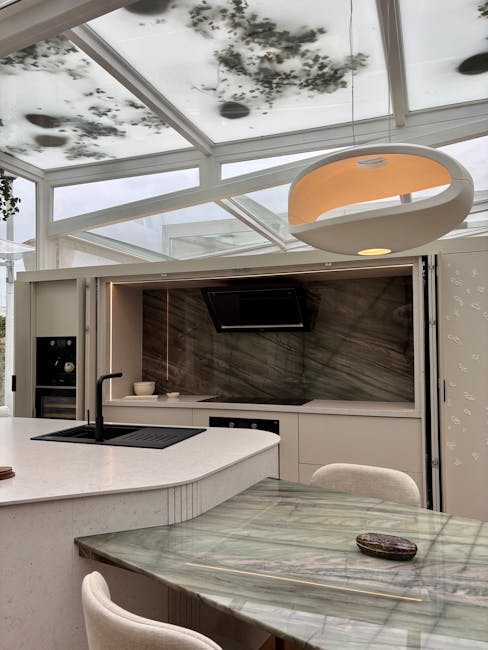
Imagine walking into your kitchen and seeing a stunning island that perfectly matches your style and meets all your functional needs. Designing your own kitchen island might seem like a daunting task, but it's an opportunity to create a space that's uniquely yours.
You have the power to transform your kitchen into the heart of your home, where you can cook, entertain, and connect with loved ones. In this guide, you'll discover simple yet effective steps to design a kitchen island that reflects your personality and enhances your daily life.
Get ready to unlock the secrets to creating a kitchen island that not only looks amazing but also boosts your kitchen's functionality. Keep reading, and you'll find out how to bring your dream kitchen island to life effortlessly.
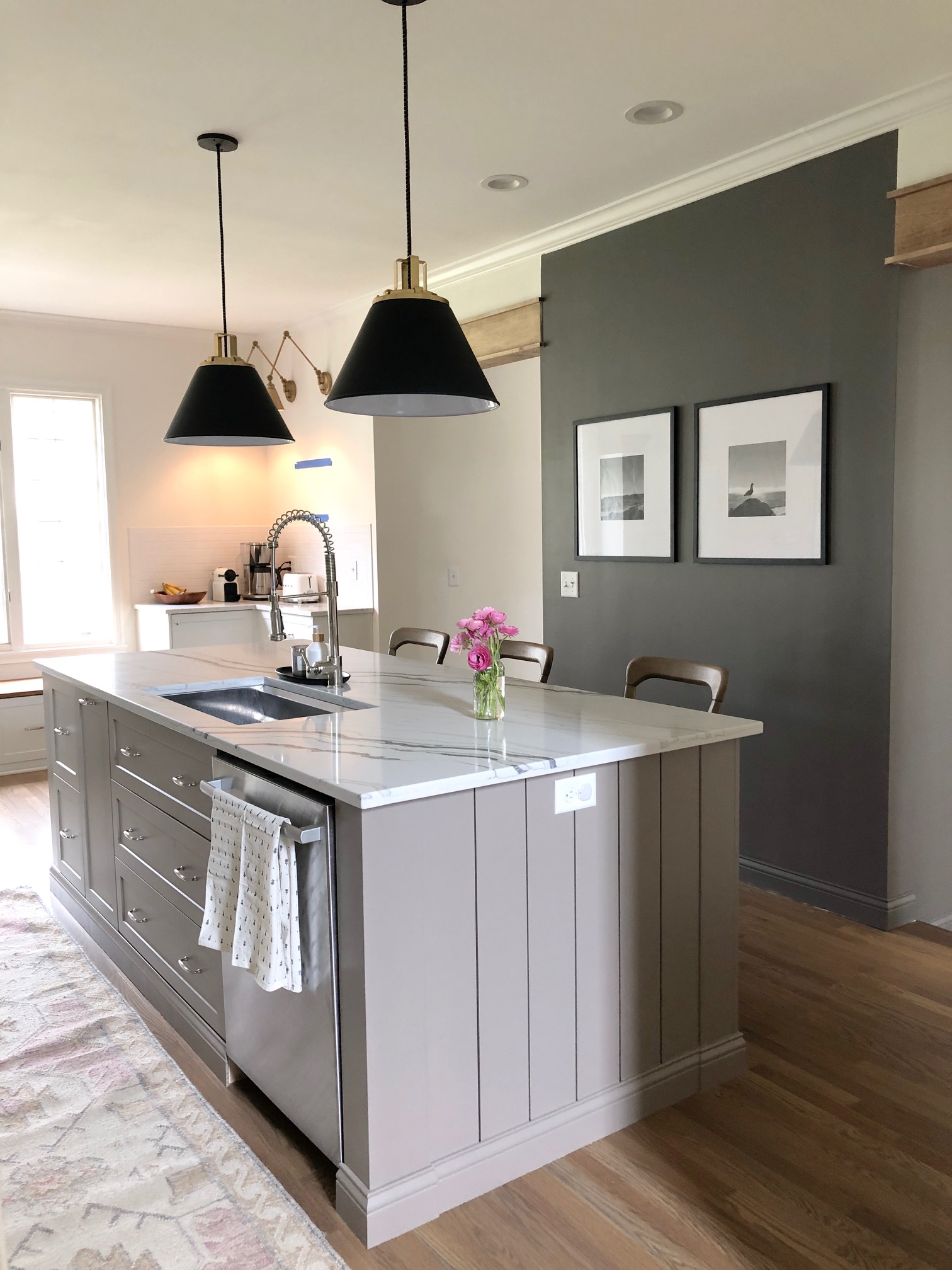
Credit: housewithhome.com
Choosing The Right Size
Designing your own kitchen island can be a fun project. One crucial aspect is choosing the right size. The size of your kitchen island impacts functionality and aesthetics. A well-sized island enhances your kitchen's efficiency, while an oversized one might disrupt the space. Consider these factors to determine the perfect size for your kitchen island.
Measure Your Kitchen Space
Start with measuring your kitchen area. Use a tape measure for accuracy. Note the dimensions of your kitchen floor plan. Consider the space needed for movement around the island. Ensure there is ample room for opening cabinets and appliances.
Consider The Purpose
Think about how you will use the island. Will it be for cooking or dining? Maybe a combination of both. The purpose influences the size and shape. Islands for dining may need extra space for seating. Cooking islands may require more countertop area.
Account For Seating
If your island includes seating, plan for ample space. Each seat needs at least two feet of space. Comfortable seating enhances the usability of your island. Ensure there is enough legroom beneath the countertop.
Balance With Kitchen Layout
Your island should fit harmoniously within the kitchen layout. Avoid overwhelming the space. Consider the placement of other kitchen elements. Ensure the island complements the flow of your kitchen.
Think About Storage Needs
Determine how much storage you need in the island. More storage might require a larger island. Prioritize your storage needs without sacrificing space. Balance storage with functionality.
Selecting The Ideal Shape
Designing your kitchen island is an exciting project. The shape of your island impacts functionality and aesthetics. Choosing the right shape is crucial. It should suit your space and lifestyle. Let's explore some popular shapes.
Rectangular Islands
Rectangular islands are versatile and popular. They fit well in most kitchens. Their long surface offers ample space. You can use them for cooking and dining. With straight lines, they create a sleek look. Consider this shape for larger kitchens.
L-shaped Designs
L-shaped islands add character. They provide a comfortable working area. This shape can define kitchen zones. You might use one side for prep and the other for seating. Ideal for open spaces and corner layouts. Choose this if you want to maximize space.
Circular And Oval Options
Circular and oval islands bring elegance. They soften the room’s appearance. This shape encourages interaction. Everyone faces each other easily. It works well in smaller kitchens. Consider this shape for a unique touch. They enhance the flow of movement.
Material Selection
Choosing the right materials for your kitchen island is crucial. It affects both the look and functionality. The materials you select will influence durability and maintenance. They also impact the overall aesthetic of your kitchen. Consider how you use your kitchen and what fits your style. Explore different options to find the perfect match.
Countertop Materials
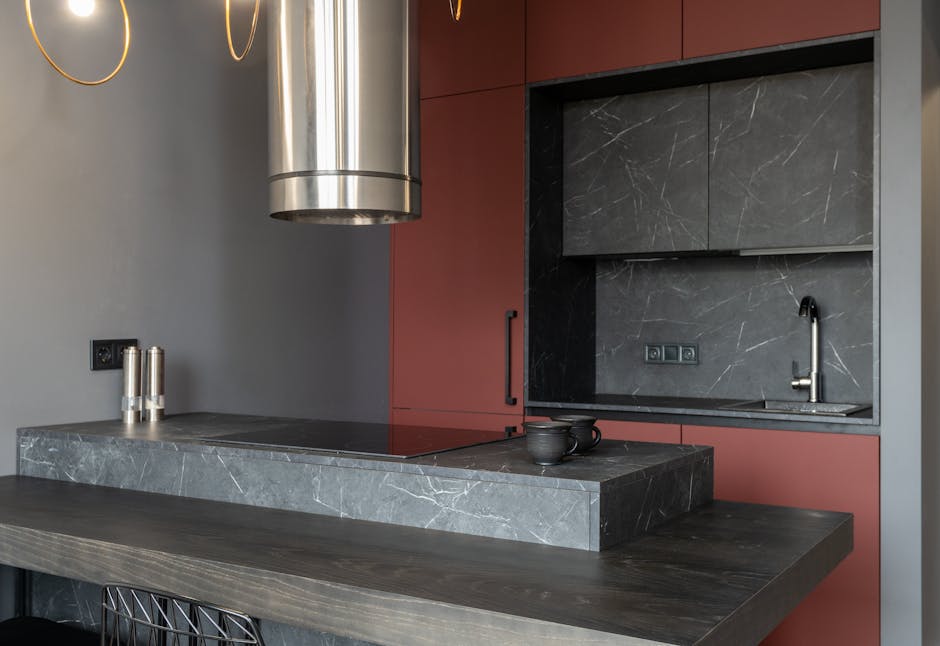
Countertop materials vary widely in texture and cost. Granite offers a classic, durable surface. It is resistant to heat and scratches. Marble is elegant but requires more care. It can stain easily. Quartz provides a non-porous, easy-to-clean surface. It is available in various colors and patterns. Butcher block gives a warm, rustic feel. It needs regular oiling to maintain its beauty.
Base Material Choices
The base of your kitchen island supports the countertop. Wood is a popular choice for bases. It brings warmth and can be painted or stained. Metal bases offer a modern look. They are sturdy and sleek. You can also use reclaimed materials. They add character and are eco-friendly. Consider the weight of the countertop when choosing the base. Ensure it provides adequate support.
Incorporating Functional Features
Designing your own kitchen island is an exciting opportunity. It allows you to customize a central piece of your kitchen. Incorporating functional features ensures your kitchen island is practical and stylish. Focus on elements that enhance usability and meet your daily needs. From clever storage solutions to integrated appliances, a well-designed island can transform your kitchen.
Storage Solutions
Efficient storage is key in a kitchen island. Consider adding deep drawers for pots and pans. Install open shelves for easy access to frequently used items. Include pull-out racks for spices and condiments. Maximize space with built-in cabinets for small appliances. These storage solutions keep your kitchen organized and clutter-free.
Seating Arrangements
Seating turns your kitchen island into a social hub. Choose bar stools for a casual vibe. Ensure there's enough space for each person to sit comfortably. A raised countertop can separate the cooking and dining areas. This setup encourages conversation while meals are prepared. Seating makes your kitchen island a welcoming spot for family and friends.
Appliance Integration
Integrating appliances into your kitchen island boosts functionality. Consider adding a built-in cooktop for extra cooking space. A small sink can aid in meal prep and cleanup. Built-in dishwashers are great for efficiency and convenience. Integrate a wine cooler if you enjoy entertaining guests. These appliances enhance the utility of your kitchen island.
Lighting Considerations
Lighting plays a crucial role in kitchen island design. It enhances functionality and aesthetics. Proper lighting ensures a well-lit space for cooking and socializing. Consider the type of lighting that suits your needs best. Each type serves a unique purpose. Let's explore the essential lighting types for your kitchen island.
Task Lighting
Task lighting focuses on illuminating specific areas. It helps during cooking and food preparation. Pendant lights are a popular choice. They provide direct light over the island. Recessed lighting can also be effective. It offers bright, focused light without clutter.
Ensure task lighting is bright enough. It should reduce shadows and glare. Position lights directly over the workspace. This ensures maximum efficiency. Choose adjustable fixtures for flexibility. They allow you to change light direction as needed.
Ambient And Accent Lighting
Ambient lighting provides overall illumination. It creates a warm and inviting atmosphere. Use ceiling fixtures or track lighting for this purpose. They spread light evenly across the kitchen.
Accent lighting adds visual interest. It highlights specific features. Consider using under-cabinet lights. They emphasize the island's design elements. LED strips are a great option. They are energy-efficient and versatile.
Combine ambient and accent lighting. This creates a balanced look. It ensures your kitchen island is both functional and stylish. Play with different fixtures and placements. This will help achieve the desired ambiance.
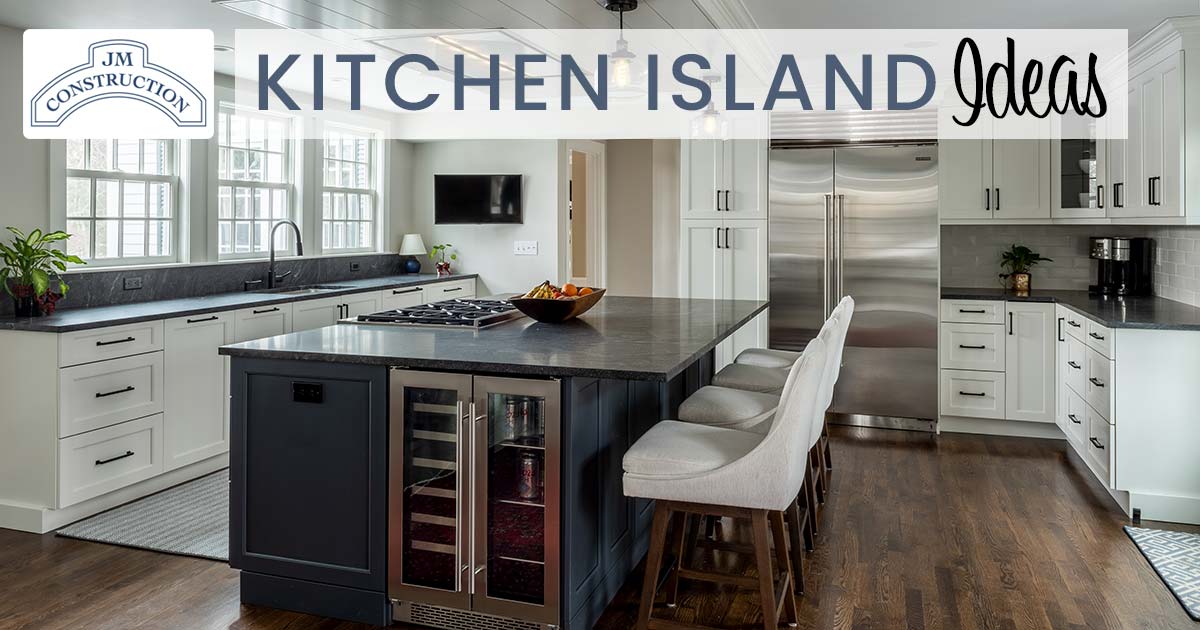
Credit: www.jmconstructionco.com
Color And Finish Selection
Choosing the right color and finish for your kitchen island is key. It affects the overall look and feel of your kitchen space. A well-chosen color can make your kitchen inviting. The right finish adds to the durability and visual appeal. Let's explore how to select colors and finishes that suit your style.
Color Coordination
Start by considering the existing colors in your kitchen. Look at your cabinets, walls, and flooring. Your island should complement these colors. If your kitchen is mostly neutral, add a pop of color. This creates a focal point. Bold colors like navy or forest green can stand out. For a cohesive look, match the island with existing elements.
Light And Space Consideration
Consider the amount of natural light in your kitchen. Dark colors can make a small space feel cramped. Light colors help open up the room. They reflect more light and create an airy feel. If your kitchen is large, you have more flexibility with colors. Choose a darker shade for a dramatic effect.
Finish Options
Finishes affect both style and function. Matte finishes provide a modern look. They also hide fingerprints well. Glossy finishes, on the other hand, reflect more light. This gives a sleek appearance but shows smudges easily. Semi-gloss strikes a balance between the two. It's easier to clean and still stylish.
Matching Your Style
Your personal style should guide your choices. If you prefer a rustic look, consider wood finishes. They add warmth and character. For a contemporary vibe, go for metal finishes. Stainless steel or chrome options are popular. They add a sleek touch to modern kitchens.
Testing Samples
Always test samples before making a final decision. Paint a small section of your island. Observe it at different times of the day. Light changes can affect how colors appear. This ensures you're happy with your choice in all lighting conditions.
Budgeting And Cost Management
Designing your own kitchen island requires careful budgeting and cost management. Identify affordable materials and prioritize essential features. This approach ensures a stylish and functional space without overspending.
Designing your own kitchen island can be an exciting project, but without careful budgeting and cost management, it might quickly turn into a financial headache. Understanding how to allocate your resources effectively will ensure that your vision becomes a reality without breaking the bank.
Understanding Your Budget
Knowing how much you can spend is the first step. Consider what you want in terms of materials, size, and functionality. A friend once shared how she managed to build a stunning island by opting for durable yet affordable materials like butcher block countertops instead of granite. What creative alternatives could fit your budget?
Prioritizing Features
Not every feature is essential. Identify what's most important to you—extra storage, seating, or a built-in sink? My cousin decided to focus on seating for her island, creating a cozy breakfast nook that became the family’s favorite spot. Which feature will make your kitchen island the heart of your home?
Comparing Costs
Create a cost comparison table to evaluate different options. This helps in visualizing where you can cut costs without compromising quality. Consider local suppliers and DIY options to save money. A neighbor saved significantly by sourcing reclaimed wood locally for his kitchen island. Could you find treasures in your own community?
Planning For Unexpected Expenses
Always include a buffer for unforeseen expenses. You might encounter issues like delivery delays or price fluctuations. When I planned my kitchen island, the countertop installation cost was higher than expected, but having a reserve helped me manage it smoothly. Do you have a financial cushion in place?
Tracking Your Spending
Keep a detailed record of all expenses. This will help you stay within budget and identify areas where you might overspend. Use simple tools like spreadsheets or budgeting apps to keep everything organized. How do you plan to monitor your spending effectively? Remember, the key to successfully designing your kitchen island lies in thoughtful budgeting and cost management. With a clear plan, you'll be able to create a space that's both functional and beautiful, without any financial stress.
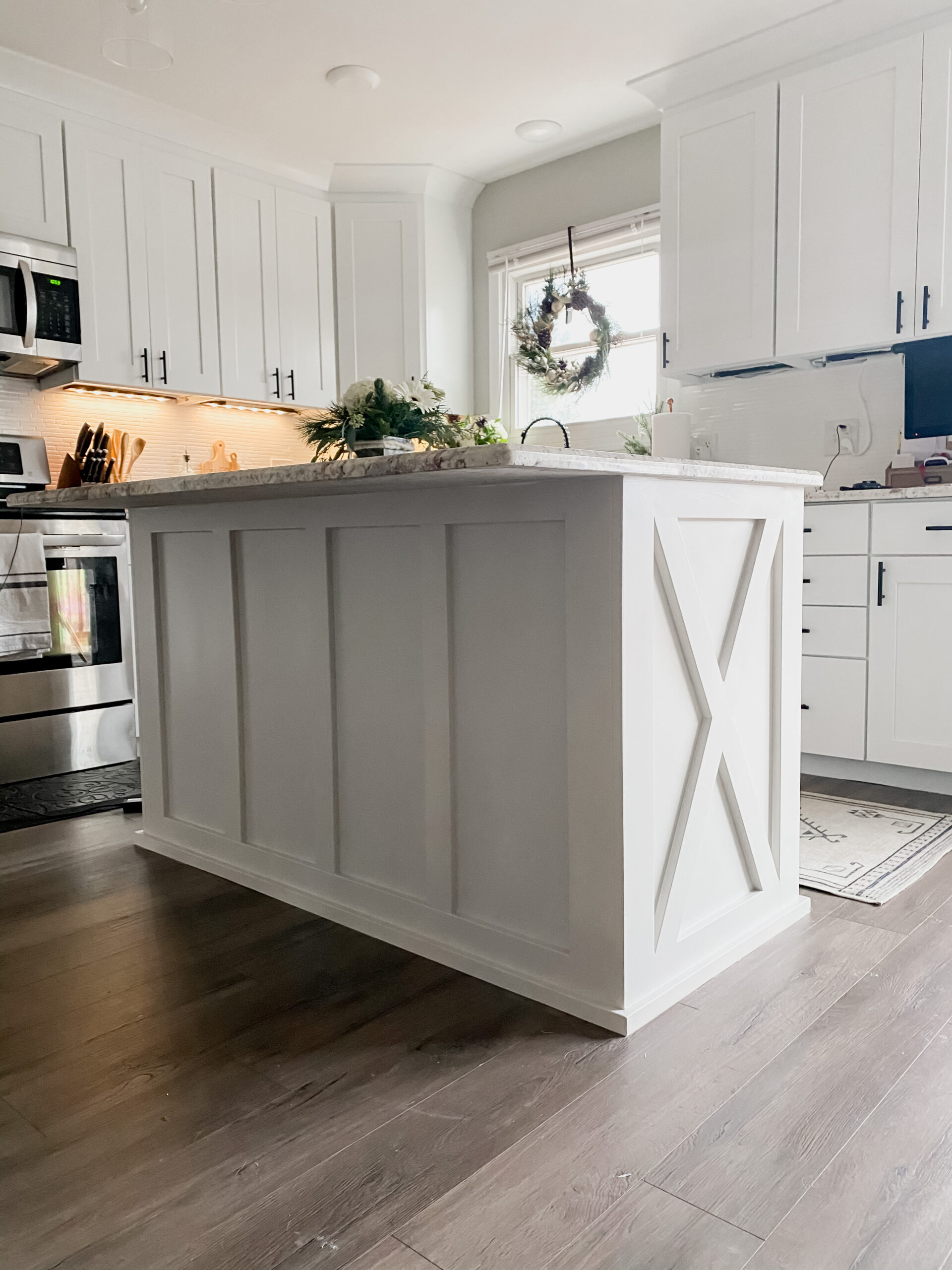
Credit: comestayawhile.com
Hiring Professionals Vs Diy
Designing your own kitchen island can be a rewarding project. But the decision between hiring professionals or doing it yourself is crucial. Each option has its own pros and cons. Understanding these can help you make the right choice for your needs and budget. Let’s explore the differences between hiring professionals and the DIY approach.
Hiring Professionals
Professionals bring expertise and experience to your kitchen island project. They understand design principles and building codes. This ensures your island is both functional and compliant. They can also offer creative solutions you might not consider.
Hiring a professional can save you time and stress. They handle all aspects of the project, from planning to execution. This allows you to focus on other responsibilities. Professionals often have access to high-quality materials and tools. This can result in a more polished final product.
There are costs involved in hiring professionals. However, their expertise can prevent costly mistakes. Also, a professionally built island can add value to your home.
Diy Approach
Doing it yourself offers a sense of accomplishment. You have full control over the design and materials. This allows for complete customization to fit your style. DIY projects often cost less than hiring a professional.
There are many resources available for DIY kitchen islands. Online tutorials and guides can provide step-by-step instructions. These resources make the process more manageable for beginners. With the right tools and patience, you can create a unique kitchen island.
DIY projects can be time-consuming. They require a commitment to learning and doing. Mistakes can happen, leading to additional costs and time. Before starting, assess your skills and confidence level.
Frequently Asked Questions
What Are The Benefits Of A Kitchen Island?
A kitchen island offers extra storage, prep space, and seating. It enhances functionality and aesthetics, making your kitchen more efficient. You can customize it to fit your design and lifestyle needs, adding value to your home.
How Much Space Is Needed For A Kitchen Island?
A kitchen island typically requires at least 36-48 inches of clearance around it. This ensures easy movement and accessibility. Consider your kitchen layout and size to determine the ideal space for your island.
What Materials Are Best For A Kitchen Island?
Popular materials include wood, granite, and quartz. Wood offers warmth and versatility, while granite and quartz provide durability and elegance. Choose materials that align with your kitchen’s style and functionality needs.
Can I Add Seating To My Kitchen Island?
Yes, adding seating to your kitchen island is possible. Consider bar stools or chairs that complement the island’s design. Ensure the seating area is comfortable and accessible, enhancing your kitchen’s social and dining experience.
Conclusion
Designing a kitchen island offers a personal touch. It's where style meets function. Choose materials that match your taste. Focus on space and storage. Ensure there's room to move around. Consider seating options for guests. Lighting is crucial for ambiance and practicality.
Think about colors that enhance your kitchen's look. Keep your budget in mind throughout the process. Your kitchen island can become a centerpiece. Reflects your personality and needs. A well-designed island adds charm to your home. Remember, small details make a big difference.
Enjoy the creativity and satisfaction. Happy designing!