
Have you ever found yourself standing in your kitchen, holding a can of cooking spray and wondering if you really need to use it on your silicone bakeware? You're not alone.
Silicone bakeware has grown in popularity due to its non-stick nature, but the question remains: is cooking spray necessary? This simple query can lead to a series of baking mishaps or triumphs, and understanding the ins and outs can make all the difference in your culinary adventures.
Your choice could affect not only the texture and taste of your baked goods but also the longevity of your silicone pans. Dive into this article to uncover the truth and ensure that your baking experiences are nothing short of perfect.
Silicone Bakeware Basics
Silicone bakeware has gained popularity in kitchens worldwide. Its flexibility and non-stick surface make it a favorite among bakers. Understanding silicone bakeware basics can help enhance your baking experience.
What Is Silicone Bakeware?
Silicone bakeware is made from a rubber-like material. It is crafted from silicon, oxygen, and other elements. This material is heat-resistant and non-toxic. It is safe for baking and cooking needs.
Silicone bakeware comes in various forms. You can find cake pans, muffin molds, and bread loaf pans. It is available in vibrant colors. These add a fun touch to your kitchen.
Benefits Of Using Silicone
Silicone bakeware offers several advantages. It is easy to clean. You can wash it with warm, soapy water. This saves time and effort.
It is flexible and lightweight. You can easily store it in small spaces. It does not dent or rust like metal pans.
Silicone bakeware is versatile. You can use it in the oven, freezer, and microwave. It withstands high and low temperatures.
Food easily releases from silicone surfaces. You often don't need to use cooking spray or oil. This makes it a healthier option for baking.

Credit: www.nytimes.com
Non-stick Properties
Silicone bakeware has become popular due to its non-stick nature. People love it for making baking easier and cleaner. You might wonder if cooking spray is necessary. Let's explore how silicone works to prevent sticking.
How Silicone Prevents Sticking
Silicone has a smooth surface. It does not let baked goods cling to it. This feature is due to its flexible and rubber-like texture. Silicone’s non-stick ability works well without additional grease. Many users find their baked goods slide off easily.
Its heat resistance helps in evenly cooking food. Silicone can handle high temperatures without warping. This property ensures your food cooks uniformly. With silicone, baking becomes a hassle-free task.
Comparing To Traditional Bakeware
Traditional bakeware, like metal and glass, often needs cooking spray. These materials can let food stick, especially without grease. Scraping food off metal pans can be tricky. Glass pans sometimes cause sticking issues too.
Silicone bakeware offers a modern alternative. It eliminates the need for extra oil or spray. Cleaning silicone is simpler. You avoid the residue that metal pans might leave behind. For many, silicone is a game-changer in the kitchen.
Role Of Cooking Spray
Silicone bakeware has gained popularity for its non-stick properties. Yet, some wonder about using cooking spray with it. The role of cooking spray in baking is crucial. It affects the texture and cleanliness of baked goods. Understanding when to use cooking spray can enhance your baking experience.
Purpose Of Cooking Spray
Cooking spray creates a non-stick surface. It prevents food from sticking to bakeware. This ensures easy removal of baked items. It also helps in even baking. The spray forms a thin layer that aids in heat distribution. It keeps the texture of baked goods consistent. Baking becomes less messy with cooking spray.
When To Consider Using Spray
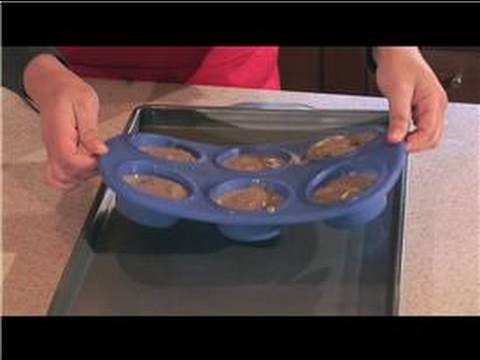
Consider using spray for intricate designs. It helps with detailed silicone molds. For sticky recipes, spray may be helpful. Recipes with high sugar content tend to stick. Cooking spray can make cleaning easier. If your silicone bakeware is older, use spray. Over time, silicone may lose some non-stick properties.
Credit: www.youtube.com
Pros And Cons Of Using Spray
Silicone bakeware has become popular in kitchens worldwide. Many cooks wonder if using cooking spray on it is necessary. Understanding the pros and cons of adding spray can help make the right choice. Let's dive into the advantages and potential drawbacks of using spray on silicone bakeware.
Advantages Of Adding Spray
Adding cooking spray to silicone bakeware makes food release easier. The spray creates a slick surface, reducing the chance of sticking. This is especially helpful for baked goods like cakes and muffins. A quick spray can save time during clean-up. It ensures that baked goods come out smoothly without tearing or crumbling.
Potential Drawbacks
Using spray can leave a residue on silicone bakeware. Over time, this can affect the non-stick properties of the silicone. Some sprays contain chemicals that can alter the taste of food. Frequent use of spray may also lead to a buildup that is hard to clean. This can make the bakeware look worn or dirty.
Tips For Baking With Silicone
Silicone bakeware is non-stick, so cooking spray is often unnecessary. A light spray can be used for extra assurance, especially with intricate designs. Cleaning is easy, making silicone a convenient choice for baking.
Baking with silicone bakeware is like diving into a new world of possibilities. Silicone offers a flexible, non-stick surface that’s great for amateur bakers and seasoned chefs alike. But to get the best results, there are a few tips you should keep in mind. Whether you're crafting a delicate cake or a simple batch of muffins, these insights will help you make the most of your silicone bakeware experience.
Ensuring Easy Release
Do you find your baked goods sticking even with silicone bakeware? You’re not alone. A quick spray of cooking spray can work wonders, especially if your recipe is low in fat. This tiny step ensures that your treats slide out smoothly, without tearing or crumbling. Try experimenting with different types of silicone molds, such as cupcake liners or loaf pans. You might discover that some shapes release baked goods more easily than others. Remember, every mold has its quirks, so it’s all about finding what works best for you.
Cleaning And Maintenance
Cleaning silicone bakeware is a breeze, but there are a few tricks to keep it in top shape. Always let your bakeware cool before washing to prevent warping. Use warm, soapy water and a soft sponge to remove residue. Avoid abrasive cleaners that can scratch the surface. If you notice any lingering odors or stains, a paste of baking soda and water can help lift them away. Do you have a quirky cleaning tip to share? We’d love to hear it! Silicone bakeware is durable, but it’s not invincible. Regularly check for tears or damage, especially if you’re using it frequently. A small investment in care goes a long way to ensuring your bakeware lasts for many baking adventures to come. With these tips, baking with silicone becomes an enjoyable and successful process. What's your next baking project using silicone bakeware?
:max_bytes(150000):strip_icc()/Cheese-DreamsBreakfast-Casserole_Audit1928_Step-02_094-b70aa46ddfd64a0ead264f3cce45dedc.jpg)
Credit: www.southernliving.com
Common Myths
Common myths often surround kitchen tools, especially silicone bakeware. Many believe certain ideas without checking the facts. This leads to confusion about its use. Understanding these myths helps in making informed choices.
Misconceptions About Silicone
Silicone bakeware often seems mysterious. Some think it needs greasing like metal pans. This isn't always true. Silicone is non-stick by nature. Cooking spray is usually not necessary. Yet, many still believe otherwise.
Another myth is about heat resistance. People think silicone can't handle high temperatures. In reality, it's safe for most baking needs. It withstands temperatures up to 500°F. This makes it a reliable choice for ovens.
Debunking Popular Beliefs
Many say silicone absorbs odors and stains easily. This belief is not accurate. Silicone is non-porous. It doesn't absorb smells or colors from food. Proper cleaning keeps it fresh and odor-free.
Some think silicone is unhealthy for cooking. Concerns about chemical leaching are common. Silicone is safe for food use. It doesn’t release harmful substances when heated.
Lastly, there's a belief that silicone is hard to clean. This isn't the case. Silicone is dishwasher safe. It requires less scrubbing than metal bakeware. A simple rinse often does the trick.
Choosing The Right Bakeware
Silicone bakeware often does not require cooking spray due to its non-stick nature. Yet, a light spray can ensure easy release of baked goods. This step is optional and depends on personal preference and the specific recipe.
Choosing the right bakeware is like picking the perfect tool for a job. It can make all the difference between a baking success and a kitchen disaster. With so many options available, it's essential to know what to look for to make baking a breeze.
Factors To Consider
When selecting bakeware, consider the material. Silicone bakeware is popular for its non-stick properties and flexibility. However, it may not always provide the crispness metal pans do. Think about the size and shape of the bakeware. Do you frequently bake loaves of bread, or are cupcakes more your style? Matching your bakeware to your regular recipes ensures the best results. Lastly, consider your storage space. Some bakeware can take up a lot of room. Opting for stackable or foldable options can save space in a small kitchen.
Popular Brands And Options
Silicone bakeware has gained popularity, with brands like Wilton and OXO offering reliable options. Wilton is known for its durable, vibrant products perfect for both beginners and seasoned bakers. For a more budget-friendly choice, consider AmazonBasics. Their silicone bakeware is affordable yet effective, offering a good starting point for those new to silicone. Le Creuset offers premium silicone bakeware for those willing to invest a little more. Their pieces are renowned for their quality and longevity, making them a favorite among professional bakers. Have you ever tried baking with silicone bakeware? If not, it might be time to explore these options and see how they fit into your baking routine.
Frequently Asked Questions
Is Cooking Spray Necessary For Silicone Bakeware?
Silicone bakeware is naturally non-stick, reducing the need for cooking spray. However, using a light spray can ensure easier release. It's particularly useful for intricate designs where batter might stick. Always check the manufacturer's instructions for specific guidance on using sprays with silicone.
Can Cooking Spray Damage Silicone Bakeware?
Cooking spray generally doesn't damage silicone bakeware. However, excessive use can cause residue buildup over time. This might affect the non-stick properties. To maintain your bakeware, clean it thoroughly with warm, soapy water after each use. Avoid using abrasive cleaners which can degrade the silicone surface.
How Do You Clean Silicone Bakeware?
Cleaning silicone bakeware is straightforward. Use warm, soapy water and a soft sponge to remove residue. Avoid abrasive cleaners or scrubbers which can damage the surface. For stubborn stains, a paste of baking soda and water can help. Ensure the bakeware is completely dry before storing to prevent mold growth.
What Are The Benefits Of Silicone Bakeware?
Silicone bakeware offers several benefits. It's non-stick, flexible, and can withstand high temperatures. It’s also easy to store due to its flexibility. Additionally, silicone is dishwasher safe, making cleanup effortless. Its durability means it’s a long-lasting investment for any kitchen, reducing the need for replacements.
Conclusion
Silicone bakeware offers convenience in the kitchen. It often doesn't need cooking spray. Most recipes bake well without it. Silicone's non-stick surface makes cleanup easy. Less mess means more fun baking. Cooking spray can affect the taste. It may leave a sticky residue.
Consider your recipe and bakeware quality. A gentle rinse might be enough. Trust your baking instincts. Silicone bakeware helps keep things simple. Experiment to find what works best for you. Enjoy your baking experience. With silicone, you might skip the spray.
Savor the ease and simplicity of silicone bakeware. Happy baking adventures await!