
Are you dreaming of a kitchen that not only looks stunning but also runs like a well-oiled machine? Upgrading your kitchen appliances could be the key to unlocking a more efficient, enjoyable cooking space.
But how much will it really cost you to make this dream a reality? Understanding the potential investment can be challenging, and that's why you're here. We'll break down the costs associated with upgrading your kitchen appliances, so you can make informed decisions that fit your budget.
Whether you're eyeing a sleek new refrigerator or a powerful oven, we'll help you explore your options without any financial surprises. Stick with us to discover how a smart upgrade can transform your kitchen into the heart of your home.
Assessing Current Appliances
Evaluating the cost of upgrading kitchen appliances involves considering the quality, brand, and efficiency of current models. New appliances can range from a few hundred to several thousand dollars, impacting overall kitchen renovation budgets. Careful assessment helps in choosing options that balance cost with performance and style.
Upgrading your kitchen appliances can transform your cooking space into a modern, efficient hub, but before diving into purchases, assessing your current appliances is crucial. Taking a moment to evaluate what you already have helps you make informed decisions and avoid unnecessary expenses. By understanding your needs and the condition of your existing appliances, you can prioritize upgrades that truly enhance your kitchen experience.
Identifying Needs
Begin by considering what you hope to achieve with new appliances. Are you looking for energy efficiency, more cooking options, or a sleeker design? Perhaps your oven struggles to maintain temperature, or your refrigerator lacks sufficient storage. Knowing what you need simplifies the selection process and ensures you're investing wisely. It's easy to get swayed by the latest models, but focusing on your actual needs can save you time and money.
Evaluating Current Condition
Take a close look at the condition of your current appliances. Are they still performing well, or do they require frequent repairs? Sometimes, a simple fix can extend the life of an appliance, saving you from an immediate upgrade. Inspect for signs of wear and tear, like rust, unusual noises, or inefficiencies in performance. This evaluation helps you decide if an upgrade is necessary or if your current appliance can serve you a little longer. When I upgraded my kitchen, I realized my dishwasher was still efficient and didn't need replacing. This unexpected insight allowed me to allocate funds to a new oven, which made a significant difference in my cooking. What about your appliances? Could a simple repair or maintenance extend their life, or is an upgrade overdue?

Credit: www.ranneyblair.com
Budgeting Basics
Upgrading kitchen appliances costs between $200 and $2,000 per item. Prices vary based on brand and features. Budgeting helps manage expenses efficiently. Prioritize essential upgrades to avoid overspending.
Upgrading kitchen appliances can be a thrilling project that breathes new life into your home, but it's essential to approach this task with a solid budget plan. Understanding the basics of budgeting for your kitchen overhaul can save you from unexpected financial stress and ensure your dreams remain within reach. Let's dive into how you can set a realistic budget and allocate your funds wisely.
Setting A Realistic Budget
Creating a budget starts with knowing what you want and what you can afford. Begin by listing the appliances you need to replace or upgrade. Consider both the essentials and those wish-list items you’ve been eyeing for a while. Next, do your homework. Look up the average prices of these appliances and jot them down. Compare brands, styles, and features to get a better idea of the cost spectrum. Reflect on your finances. How much do you have saved, and what can you realistically spare for this project? Make sure your budget aligns with your financial situation without stretching it thin.
Allocating Funds Wisely
Once you've set a budget, it's time to allocate funds strategically. Prioritize the appliances that will impact your daily life the most. Is your refrigerator on its last legs, or is your oven not heating evenly? List these priorities and assign a portion of your budget to each item. This helps you focus on essentials first, ensuring your kitchen remains functional even if upgrades take longer than planned. Consider setting aside a contingency fund for unexpected expenses. If you’ve ever had a project run over budget, you know surprises can pop up. What if you find a great deal on a high-end appliance? Having some wiggle room lets you make smart choices without guilt. Remember, a well-planned budget keeps your kitchen upgrade on track and makes the process much more enjoyable. What are you waiting for? Dive into your planning and let your kitchen transformation begin!
Cost Of Major Appliances
Upgrading your kitchen appliances can be a worthwhile investment. A modern kitchen not only enhances the aesthetic appeal but also boosts functionality. When planning for an upgrade, consider the cost of major appliances. Each appliance comes with its own price range, features, and benefits.
Refrigerators
Refrigerators are a staple in every kitchen. Prices range from $500 to $3,000. Basic models are affordable. They offer essential cooling functions. High-end models, however, provide advanced features. These include smart technology, larger capacity, and energy efficiency. Choose based on your needs and budget.
Ovens And Stoves
Ovens and stoves are vital for cooking. Basic models start around $400. Premium models can exceed $2,500. Gas stoves are generally cheaper. Electric options might cost more due to technology features. Consider your cooking habits. Choose a model that fits them best.
Dishwashers
Dishwashers save time and water. Basic units are available for $250. High-end dishwashers can cost up to $1,500. Features vary across models. Look for energy efficiency and quiet operation. Some models offer smart technology. They are ideal for tech-savvy users.
Microwaves
Microwaves are convenient for quick cooking. Prices start at $50 for basic models. Advanced models may cost up to $500. Look for features like convection cooking. It offers more versatility. Size and power vary. Choose based on your kitchen space and needs.

Credit: www.ranneyblair.com
Cost Of Small Appliances
Small kitchen appliances enhance daily cooking tasks. They save time and make life easier. Upgrading these items can refresh your kitchen's look. Let's explore the cost of popular small appliances.
Blenders And Mixers
Blenders range from $20 to $150. Basic models cost less, but high-power ones cost more. Mixers start around $30. Stand mixers can exceed $200. Consider features like speed settings and power. Choose based on your needs and budget.
Coffee Makers
Coffee makers vary widely in price. Simple drip makers start at $15. Advanced espresso machines can reach $300. Single-serve brewers are popular. They often cost between $50 and $150. Think about the type of coffee you enjoy. Purchase accordingly.
Toasters And Kettles
Toasters typically cost between $20 and $60. Dual-slot models cost less. Four-slot versions are pricier. Kettles range from $15 to $100. Electric kettles are more expensive. Consider features like temperature control and capacity. Select based on your preferences.
Energy Efficiency Considerations
Upgrading kitchen appliances can reduce energy costs and improve efficiency. Investing in energy-efficient models may cost more initially. Long-term savings on utility bills make it a worthwhile consideration.
Upgrading your kitchen appliances is a significant investment. One crucial factor to consider is energy efficiency. It's not just about helping the environment; it's also about saving money. When you choose energy-efficient appliances, you're looking at long-term benefits that go beyond the initial cost. But how do you ensure you're making the right choice?
Long-term Savings
Energy-efficient appliances might have a higher upfront cost. However, they can save you a lot of money in the long run. Imagine a scenario where your electricity bill drops significantly every month. Those savings add up over time. Consider your refrigerator, an appliance that runs 24/7. A more energy-efficient model can reduce your energy consumption by up to 20%. That translates to hundreds of dollars saved over the appliance's lifespan.
Energy Star Ratings
When shopping for new appliances, check for the Energy Star rating. It's a reliable measure of an appliance's energy efficiency. Appliances with this label meet strict criteria set by the U.S. Environmental Protection Agency. Think about your dishwasher. An Energy Star-rated model uses advanced technology to clean dishes efficiently. It uses less water and energy than older models, which means you'll save on both water and electricity bills. Do you often wonder if your current appliances are costing you more than they should? Take a closer look at those Energy Star ratings. They provide a straightforward way to compare the efficiency of different models. Investing in energy-efficient appliances is not just about making an eco-friendly choice. It's a smart financial decision that pays off in savings and peace of mind. Are your kitchen appliances due for an upgrade? Consider energy efficiency as a top priority to ensure you're making a wise investment.
Installation And Delivery Fees
Considering kitchen upgrades? Installation and delivery fees vary widely. Costs depend on appliance type and service location. Budget wisely for a smooth transition.
Upgrading kitchen appliances can be an exciting venture, transforming your space into a more efficient and stylish area. However, as you embark on this journey, it's essential to factor in the installation and delivery fees. These costs can significantly impact your budget, sometimes catching you off guard if overlooked. Understanding the installation process can help you decide whether to opt for professional services or tackle the task yourself. Let’s explore these options to ensure you’re making the most informed decision.
Professional Installation
Choosing professional installation can save you time and headaches. Experienced technicians ensure your appliances are set up correctly, minimizing the risk of errors that could lead to costly repairs down the line. While professional help might seem pricey, consider the peace of mind it offers. You won’t have to worry about complex connections or delicate adjustments. Typically, installation fees vary based on appliance type and complexity. For instance, installing a built-in oven might cost more than a standalone fridge. Always ask for a detailed quote to avoid unexpected expenses.
Self-installation
Taking the DIY route for installing kitchen appliances might appeal to your adventurous side. It's a chance to roll up your sleeves and save some cash. However, ensure you’re equipped with the right tools and knowledge before diving in. Self-installation can be rewarding, but it demands patience and precision. You’ll need to follow manufacturer guidelines closely to avoid mishaps. Consider the challenges: Are you comfortable handling electrical connections or plumbing adjustments? If not, the potential risks might outweigh the savings. You could end up spending more on repairs if something goes wrong. Whether you opt for professional help or choose to install appliances yourself, weigh the pros and cons carefully. What matters most is ensuring your new kitchen appliances serve you well without unexpected costs. What’s your take on this? Would you prefer the assurance of professional installation, or do you trust your DIY skills?
Financing Options
Upgrading kitchen appliances can be a significant investment. Many people explore financing options to manage costs. Financing helps spread payments over time. This makes upgrades more affordable and less stressful.
In-store Financing
Many stores offer in-store financing for appliances. This option often includes special promotions. Interest rates might be lower than credit cards. Approval is usually quick and easy. Customers can start using new appliances immediately.
Some stores offer zero-interest financing. This is only if paid within a specific period. Always read the terms carefully. Understand all fees and conditions before signing.
Credit Card Payment Plans
Credit cards are a popular choice for financing. Many cards offer reward points or cashback. These benefits can offset the cost of new appliances. Choose a card with a low interest rate. This reduces the total amount paid over time.
Consider cards with promotional offers. Some cards have zero-interest for a limited period. Pay off the balance before this period ends. This avoids high-interest charges.
Credit: kitchencabinetkings.com
Tips For Saving Money
Upgrading kitchen appliances can be expensive. But with smart strategies, you can save money. Here are some tips to help cut costs on your next kitchen upgrade.
Seasonal Sales And Discounts
Watch for seasonal sales to get the best deals. Many stores offer discounts around holidays. Black Friday and Cyber Monday are great times to shop. Summer and year-end clearances also bring prices down. Sign up for store newsletters to get alerts on upcoming sales. Some retailers offer exclusive discounts to subscribers. Timing your purchase can lead to significant savings.
Buying In Bulk
Consider buying appliances in bulk. Retailers often give discounts when you buy multiple items. This can work well if you're upgrading several appliances at once. You might also save on delivery fees. Compare packages from different stores to find the best deals. Check if there are additional warranties or services included. Bulk buying can be a smart choice for a complete kitchen overhaul.
Making The Final Decision
Upgrading kitchen appliances can be daunting. The final decision requires careful thought. Evaluating needs and budget is crucial. You want appliances that last and fit your space.
Balancing Cost And Quality
Choosing new appliances involves balancing cost and quality. Cheaper options might save money now. But they might need replacing sooner. High-quality appliances often have a longer lifespan. They might also save money on energy bills.
Research different brands and models. Read reviews from other buyers. This can help you understand the quality and reliability. Consider warranties as well. A good warranty can save money on repairs.
Future-proofing Your Kitchen
Think about future needs when upgrading. Technology changes quickly. Consider appliances with smart features. They might cost more but offer long-term benefits. Energy-efficient models reduce energy use. This can lower utility bills over time.
Consider the size and layout of your kitchen. Choose appliances that fit the space. This ensures the kitchen remains functional and stylish. Planning ahead helps avoid frequent replacements.
Frequently Asked Questions
What Is The Average Cost To Upgrade Kitchen Appliances?
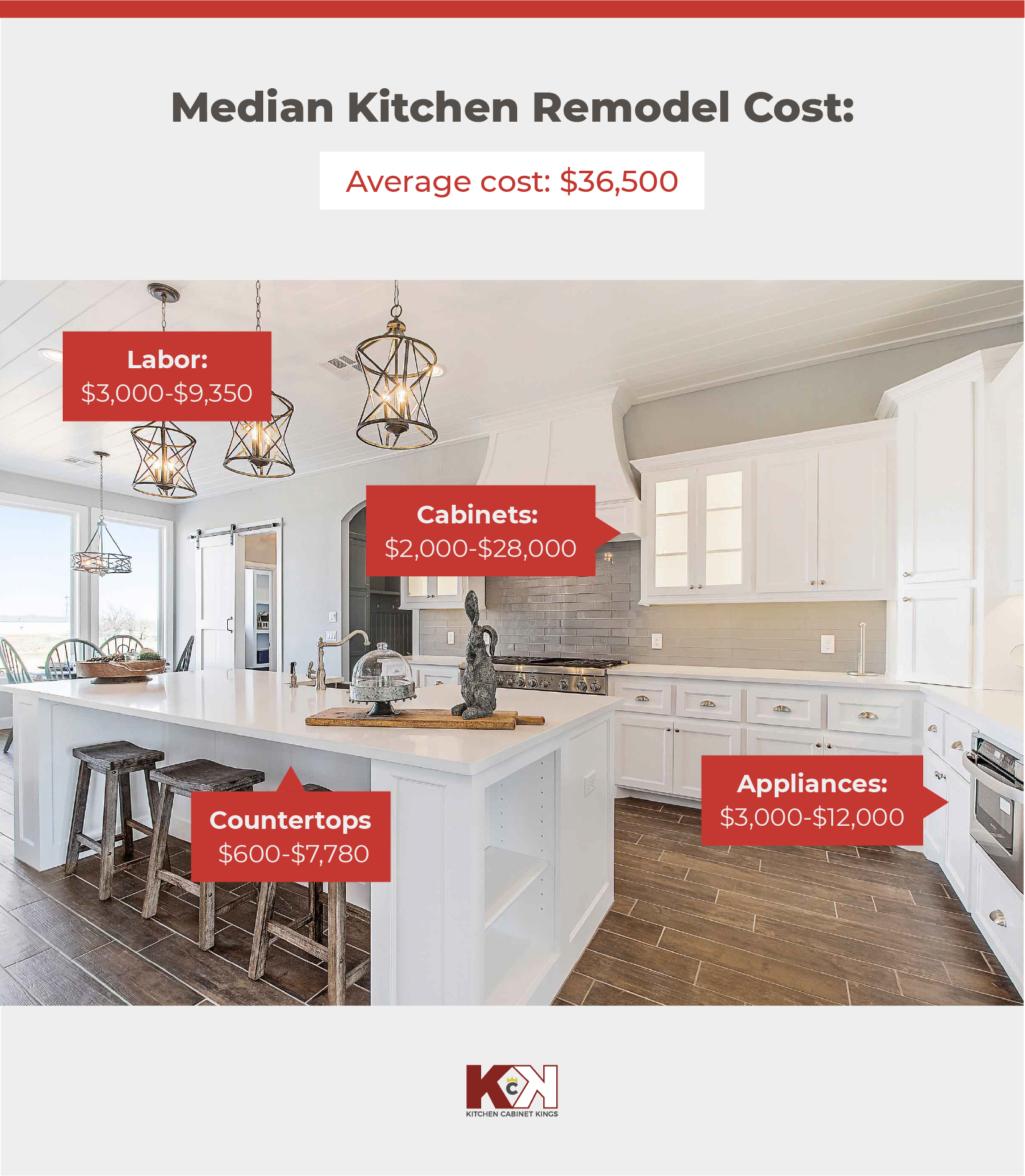
The average cost to upgrade kitchen appliances ranges from $2,000 to $15,000. Costs vary based on appliance type and brand. High-end upgrades may exceed $15,000. Factors such as installation fees and additional features can also impact the total cost. Always compare prices to ensure a budget-friendly upgrade.
Are Energy-efficient Appliances Worth The Investment?
Energy-efficient appliances are worth the investment due to long-term savings. They reduce electricity bills and often have a longer lifespan. Although upfront costs may be higher, rebates and incentives are sometimes available. Consider energy ratings when upgrading to maximize cost-effectiveness and environmental benefits.
How Do I Choose The Right Kitchen Appliances?
Choose kitchen appliances based on your needs, budget, and space. Consider energy efficiency, brand reliability, and warranty options. Assess your cooking habits and kitchen style for compatibility. Read reviews and compare features to make informed decisions. Consulting with professionals can provide additional insights for the best choice.
Can I Upgrade Appliances On A Tight Budget?
Yes, upgrading on a tight budget is possible with strategic planning. Consider refurbished or gently-used appliances. Look for discounts, sales, and online deals. Prioritize essential appliances and stagger purchases over time. Research brands with good performance ratings within your budget range for an economical upgrade.
Conclusion
Upgrading kitchen appliances can fit any budget. It's about smart choices. Consider energy-efficient models for long-term savings. Compare prices online and in-store. Discounts and sales events can help reduce costs. Don't forget installation fees. They can add up quickly. Plan your upgrades based on your needs.
Prioritize essential appliances first. Research can save money and time. With the right approach, you can enhance your kitchen. Enjoy better functionality and style without breaking the bank. Make your kitchen a more enjoyable space.