
Are you planning a kitchen renovation or setting up a new culinary space? One crucial aspect you might be pondering is the number of 15 amp circuits needed for your kitchen appliances.
We often overlook the importance of getting the electrical setup just right. But imagine the frustration of circuit breakers tripping in the middle of cooking your favorite meal. You deserve a kitchen that runs smoothly and efficiently without any electrical hiccups.
Dive into this guide to discover how to power your kitchen appliances effectively, ensuring a seamless cooking experience every time. Let's unravel the mystery behind the circuits and transform your kitchen into a powerhouse of culinary creativity!
Credit: www.jadelearning.com
Kitchen Appliance Power Needs
The kitchen is the heart of many homes. It's where meals are prepared and memories are made. To keep everything running smoothly, understanding power needs is crucial. Kitchen appliances require specific circuits for safe operation. This ensures efficiency and prevents electrical issues.
Understanding Kitchen Appliance Wattage
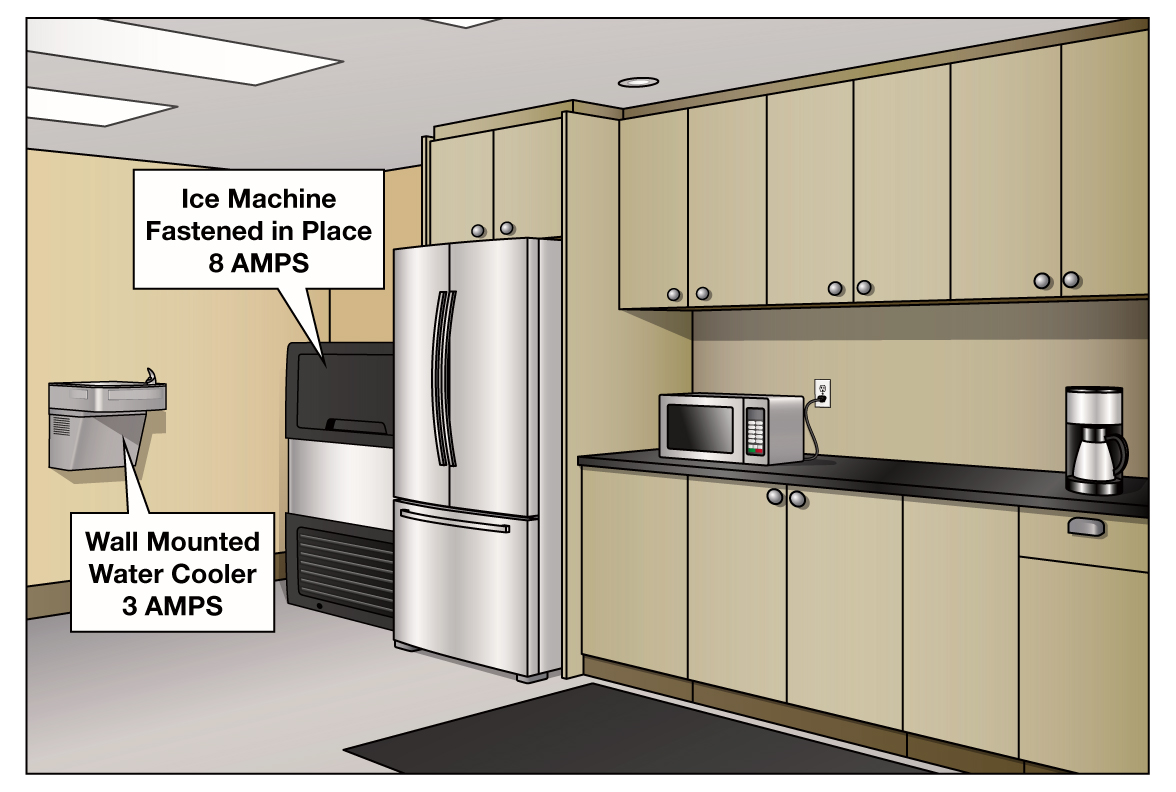
Different appliances have varied wattage needs. A refrigerator might need up to 1200 watts. A microwave can use around 1000 watts. Knowing these numbers helps in planning circuits effectively.
Dedicated Circuits For Safety
Some appliances need their own dedicated circuits. This prevents overloads and potential hazards. For example, the refrigerator should have its own 15-amp circuit. This ensures it runs without interruption.
Group Smaller Appliances Together
Small appliances can share a circuit. Toasters, blenders, and coffee makers often work well together. A single 15-amp circuit can handle them if used one at a time. This strategy optimizes power usage in the kitchen.
Consulting An Electrician
For complex setups, consult a professional. An electrician can assess your kitchen's needs. They ensure safe and efficient circuit configurations. This expertise prevents future electrical problems.
Credit: www.electricallicenserenewal.com
Understanding 15 Amp Circuits
Deciding how many 15 amp circuits you need for kitchen appliances can be confusing. Typically, two circuits are enough for most kitchens. This ensures that appliances like toasters and microwaves function without overloading the circuits.
Understanding 15 Amp Circuits A kitchen is the heart of a home, buzzing with activity and appliances. To keep everything running smoothly, understanding the electrical setup is key. One crucial element is the 15 amp circuit. You might wonder how many of these circuits are needed to power your kitchen appliances efficiently. Let's break it down.
What Is A 15 Amp Circuit?
A 15 amp circuit can handle up to 1,800 watts. It's like having a reliable assistant that ensures your devices run safely without overloading. Think of it as a crucial backbone for your kitchen’s electrical needs, supporting various appliances.
Why Is Understanding Amperage Important?
Understanding amperage helps you avoid blown fuses and circuit overloads. It's about ensuring your appliances have the right support. Imagine running a microwave and a toaster simultaneously. Knowing the limits of your 15 amp circuit prevents unexpected interruptions.
Common Kitchen Appliances Powered By 15 Amp Circuits
Many appliances fit comfortably within a 15 amp circuit’s capacity. Microwaves, coffee makers, and blenders are typical examples. It's surprising how much you can power without taxing your system. However, larger appliances like ovens need their own dedicated circuits.
How Many 15 Amp Circuits Are Ideal?
Having at least two or three 15 amp circuits is often recommended for a well-equipped kitchen. This ensures you can operate multiple appliances without a hitch. Consider your cooking habits and the appliances you use most. More circuits might be needed for gadget-heavy kitchens.
Practical Tips For Managing Kitchen Circuits
Labeling each circuit can save you time and frustration. Imagine quickly knowing which switch controls your fridge versus your dishwasher. Also, consider using energy-efficient appliances to optimize usage. A little planning goes a long way in maintaining a smooth-running kitchen.
Personal Insight: Learning From Experience
I once learned the hard way by overloading a single circuit during a family gathering. The scramble to reset the breaker taught me the importance of proper circuit allocation. It's a lesson that highlights how crucial it is to understand your kitchen’s electrical layout. Are you confident your kitchen circuits can handle your culinary creations? Ensuring you have enough 15 amp circuits might be the difference between seamless cooking and a power outage.
Common Kitchen Appliances And Their Power Usage
Estimating power usage for kitchen appliances helps determine the number of 15 amp circuits needed. Microwaves, refrigerators, and dishwashers typically demand substantial power. Efficient circuit planning ensures safe and optimal use of these common appliances without overloading the electrical system.
Understanding the power usage of common kitchen appliances is crucial when planning the number of 15 amp circuits needed for your kitchen. As you juggle cooking, cleaning, and brewing that perfect cup of coffee, knowing how much electricity each appliance consumes can help you prevent overloads and ensure efficient energy distribution. Let's dive into some of the most frequently used appliances and their typical power requirements.
Refrigerators
Refrigerators are the heartbeat of any kitchen, keeping your food fresh and safe. Most standard refrigerators consume between 500 to 800 watts. Imagine plugging in a new fridge and suddenly realizing your lights dim when it starts up. That's a sign you might need a dedicated circuit. If you're opting for larger models with more features, consider the energy demand and plan accordingly.
Microwaves
Microwaves are a staple for quick meals. They usually require about 800 to 1200 watts. Picture yourself warming up leftovers, but the microwave keeps tripping the circuit. It's likely because it's sharing a circuit with another high-demand appliance. A dedicated circuit can ensure uninterrupted cooking and heating.
Dishwashers
Dishwashers are a blessing after a big family dinner. These appliances often use around 1200 to 1500 watts. Think about the convenience of loading your dishwasher without worrying about an overload. If you frequently use other appliances simultaneously, ensuring your dishwasher has its own circuit could save you from inconvenient resets.
Toasters And Toaster Ovens
Toasters and toaster ovens are ideal for breakfast rushes. They typically use between 800 to 1500 watts. Ever had your toast stop halfway because another appliance started? This is a common issue when circuits are overloaded. A dedicated circuit could mean enjoying your morning toast without a hitch.
Coffee Makers
Coffee makers are essential for many households. They usually draw about 600 to 1200 watts. Picture brewing your morning coffee without worrying about flipping the breaker switch. Consider how often your coffee maker is used alongside other appliances. A dedicated circuit could provide peace of mind and ensure your caffeine fix is uninterrupted. When planning your kitchen circuits, ask yourself: How many appliances do you typically run at once? Could your current setup handle a busy morning? By understanding each appliance's power usage, you can efficiently plan circuits that meet your daily needs without hassle.
Calculating Circuit Requirements
Calculating circuit requirements for kitchen appliances is essential to ensure safety and efficiency. You don't want to be in the middle of cooking a gourmet meal only to have your circuit breaker trip. Understanding how many 15-amp circuits you need can help prevent this frustration. Let's dive into the details.
Power Consumption Calculation
Knowing the power consumption of each appliance is your starting point. Check the labels on your appliances for wattage information. For example, a microwave might use 1200 watts, while a toaster could use 800 watts. Add up the wattage for all appliances you plan to use simultaneously.
Divide this total wattage by the voltage (typically 120 volts in the U.S.) to find the amperage. If your calculated amperage exceeds 15 amps, you need more than one circuit. This simple math can save you from overloading your circuits.
Circuit Load Limitations
15-amp circuits have limitations you need to respect. They can handle up to 1800 watts, but it’s best to keep the load at 80% of capacity. This means you should aim for a maximum of 1440 watts.
Think about your kitchen habits. Do you often use multiple appliances at once? If so, plan for additional circuits. It’s better to have a bit of wiggle room than risk constant tripping.
Consider your future needs too. You might not use a stand mixer now, but if you dream of baking, plan ahead. More circuits can mean more flexibility, allowing you to add new appliances without worry.
Have you ever had to reset your breaker mid-recipe? It's inconvenient and can disrupt your workflow. Proper planning ensures your kitchen operates smoothly, letting you focus on creating culinary masterpieces.
How can you make your kitchen more efficient today? Start by assessing your circuit needs. It's a simple step that can make a big difference.
National Electrical Code Guidelines
The National Electrical Code (NEC) sets the safety standards for electrical installations. These guidelines help ensure safe and efficient electrical systems. In kitchens, where multiple appliances operate, the NEC provides specific guidelines. Understanding these rules helps maintain safety and functionality.
Safety Standards
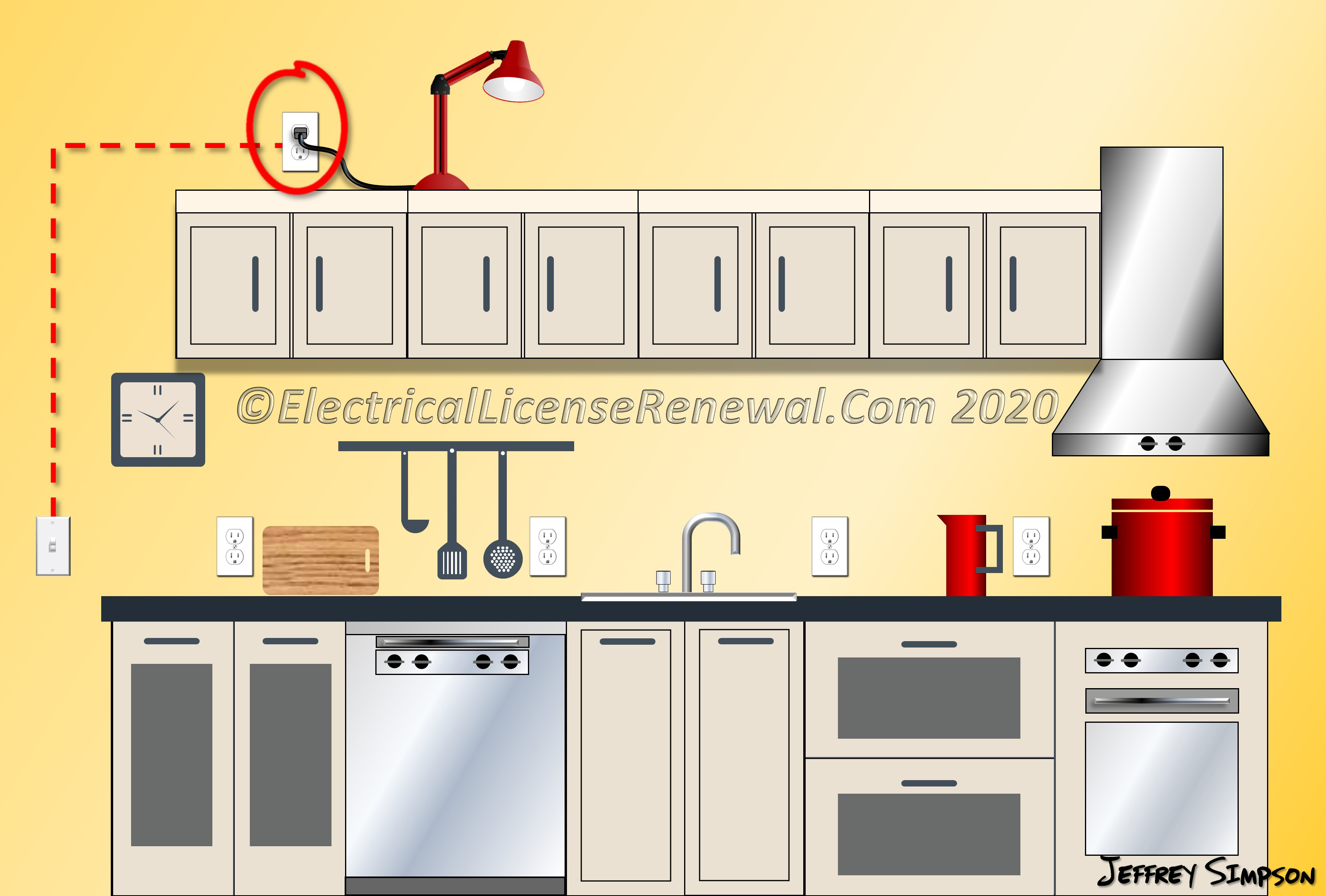
Safety is the top priority in electrical installations. The NEC mandates that kitchen circuits must be grounded. This prevents accidental shocks. Each 15-amp circuit should handle only a specific load. Overloading can cause fires or damage. Ground Fault Circuit Interrupters (GFCIs) are necessary near water sources. They cut power during a fault. This reduces the risk of electrocution.
Recommended Practices
Following NEC guidelines ensures safe kitchen operations. Use separate circuits for high-power appliances. Ovens and refrigerators need dedicated lines. This prevents tripping of circuit breakers. Install multiple 15-amp circuits for small appliances. Coffee makers, toasters, and blenders often run simultaneously. Ensure enough outlets for flexibility. Spread them across different walls. This avoids using extension cords. Always consult a licensed electrician. They ensure compliance with local codes. Regular inspections help identify potential issues early.
:max_bytes(150000):strip_icc()/kitchen-wiring-circuits-1152911-hero-bf47b2b8644d4277a27e01397ee0789f.jpg)
Credit: www.thespruce.com
Planning Kitchen Circuit Layout
Determining the number of 15 amp circuits for kitchen appliances is crucial for safety and efficiency. Typically, kitchens require at least two dedicated circuits for major appliances like refrigerators and microwaves. Additional circuits may be needed for smaller devices such as blenders and coffee makers.
Planning your kitchen circuit layout is crucial for ensuring the smooth operation of your appliances. A well-thought-out plan can prevent electrical overloads and keep your kitchen functioning efficiently. But how do you decide on the right number of 15 amp circuits for your kitchen appliances? Let's dive into the essentials.
Dedicated Circuits
Dedicated circuits are a must for heavy-duty appliances. Think about your refrigerator, microwave, and dishwasher. Each of these should have its own circuit to prevent tripping the breaker. Imagine trying to run a blender while your microwave is heating leftovers. If they're on the same circuit, you might end up in the dark. A dedicated circuit for each major appliance ensures they have enough power to run smoothly. Have you ever noticed your kitchen lights flicker when you turn on the microwave? That's a sign your circuit is overloaded. By assigning dedicated circuits, you can avoid these interruptions and keep everything running smoothly.
General Use Circuits
General use circuits cover your smaller appliances and outlets. These circuits are designed for flexibility and can support multiple devices. Toasters, mixers, and coffee makers can share these circuits without issue. How often do you find yourself juggling plugs to make breakfast? Planning your general use circuits can eliminate this hassle. Consider the layout of your kitchen and where you typically use smaller appliances. Designing your general use circuits with convenience in mind can make your kitchen more user-friendly. You won’t have to worry about unplugging one gadget to use another. It’s all about creating a kitchen that works for you. When planning, keep in mind the National Electrical Code (NEC) recommendations for kitchen circuits. They suggest at least two 20-amp circuits for general use. However, you can opt for 15-amp circuits if your setup is less demanding. Take a moment to think about how you use your kitchen daily. This reflection will guide you in creating a circuit layout that fits your lifestyle and keeps your kitchen humming.
Considerations For Future Appliances
Planning kitchen circuits requires foresight. Anticipate future appliance needs to avoid issues. Adding appliances later can strain circuits. It may even cause electrical hazards.
Think ahead. Modern kitchens often evolve. New gadgets and appliances appear on the market. Be prepared for these changes.
Evaluate Your Cooking Habits
Consider how you cook. Do you use many gadgets? Frequent baking or cooking needs more circuits. Plan circuits based on your kitchen activity.
Research Future Kitchen Trends
New appliances appear regularly. Stay informed about kitchen trends. Research what appliances might become essential. This helps in planning circuits efficiently.
Flexibility In Circuit Design
Design circuits with flexibility in mind. Use separate circuits for large appliances. This ensures space for future additions. Flexibility avoids costly rewiring.
Consult With An Electrician
Professionals offer valuable advice. They understand future needs. An electrician can help design a suitable circuit layout. This ensures safety and efficiency.
Think About Energy Efficiency
Energy-efficient appliances save costs. They also reduce electrical load. Choose efficient models for a sustainable kitchen. This consideration helps in planning circuit needs.
Hiring A Professional Electrician
Installing 15 amp circuits for kitchen appliances is crucial. It ensures safety and efficiency. But, this task requires a skilled hand. That's where hiring a professional electrician becomes essential. A trained electrician provides expertise and peace of mind. They ensure your kitchen's electrical system meets safety standards.
When To Consult
Consult an electrician before starting any kitchen remodel. If you plan to add new appliances, their input is vital. An electrician assesses the current electrical load. They determine if new circuits are needed. This prevents overloading and ensures safety.
What To Expect
A professional electrician performs a thorough assessment. They inspect your kitchen's wiring and panel capacity. After that, they provide a detailed plan. This includes recommendations for the number of circuits required. The electrician will also ensure compliance with local codes.
Frequently Asked Questions
How Many 15 Amp Circuits Are Needed For A Kitchen?
A typical kitchen requires at least two 15 amp circuits. These circuits are essential for small appliances and general kitchen use. However, high-demand kitchens might need more. Always consult a qualified electrician for precise requirements based on your kitchen's layout and appliance needs.
Can I Use A Single Circuit For All Appliances?
Using a single circuit for all appliances is not recommended. Each appliance may require different power levels. Distributing the load across multiple circuits prevents overloading. This ensures safety and efficiency. Always check the manufacturer's guidelines for each appliance's power needs.
What Appliances Need Dedicated Circuits?
Large kitchen appliances like refrigerators and ovens need dedicated circuits. These appliances have high power demands. Dedicated circuits ensure they operate efficiently and safely. Additionally, consult the appliance manual or an electrician to determine specific circuit requirements.
Is It Safe To Install Circuits Myself?
Installing circuits yourself can be dangerous if you're inexperienced. Electrical work requires adherence to safety codes. Mistakes can lead to electrical hazards or inefficiencies. It's best to hire a licensed electrician to ensure safe and compliant installation.
Conclusion
Choosing the right number of 15 amp circuits is crucial for kitchens. It ensures safety and efficiency. Consider the appliance load and layout. Refrigerators, microwaves, and dishwashers have specific needs. Consult an electrician for professional advice. Each appliance may require its own circuit.
Avoid overloading circuits to prevent hazards. Plan carefully for future needs. Kitchens evolve with new gadgets. Proper planning saves time and money. Understanding your kitchen's electrical requirements is key. With the right setup, cooking becomes enjoyable. Safety and functionality go hand in hand.
Keep these tips in mind for a hassle-free kitchen experience.