
Your kitchen is the heart of your home, where meals are crafted and memories are made. But when appliances start showing signs of grime and dirt, it can quickly become a source of frustration and stress.
Imagine the sticky residue on your refrigerator handle or the burnt-on grease in your oven. These eyesores not only affect the appearance of your kitchen but can also impact the functionality and longevity of your appliances. You deserve a kitchen that feels clean and inviting, where every appliance operates smoothly and efficiently.
You'll discover simple, effective methods to clean your kitchen appliances without breaking a sweat. Whether it's your microwave, dishwasher, or coffee maker, we’ve got you covered. With easy-to-follow steps and tips, you'll regain control of your kitchen and feel a sense of accomplishment. By the end of this read, you’ll not only know how to tackle stubborn dirt but also understand the secrets to keeping your appliances looking brand new. Dive in, and let’s transform your kitchen into a pristine space you’ll love spending time in!

Credit: www.tiktok.com
Essential Tools And Materials
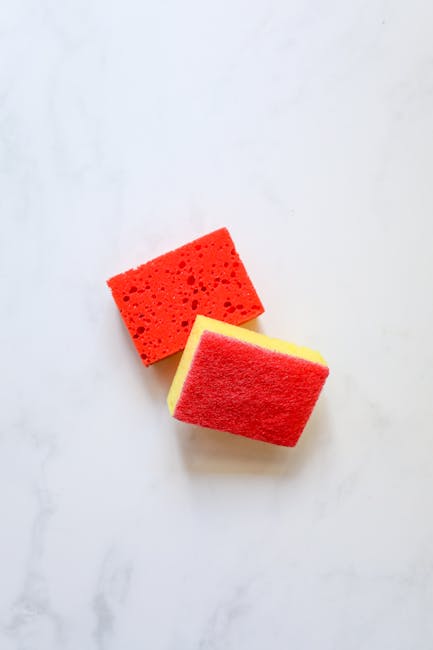
Effective cleaning of kitchen appliances requires essential tools and materials. Use a gentle sponge, soft cloth, and mild detergent for daily maintenance. Baking soda and vinegar tackle stubborn grime, ensuring your appliances stay spotless and efficient.
Keeping your kitchen appliances spotless can seem daunting, but with the right tools and materials, it becomes a manageable task. Imagine the satisfaction of seeing your kitchen gleam after a thorough cleaning session. The key lies in using the right equipment, making the process not only efficient but also less time-consuming. Let’s dive into the essentials that will help you tackle even the grimiest appliances.
1. Microfiber Cloths
Microfiber cloths are a must-have in your cleaning arsenal. They are gentle yet effective at picking up dirt and grime. Unlike regular cloths, they don’t leave lint behind, ensuring a streak-free finish.
2. Baking Soda
This common household item is a powerful cleaning agent. Baking soda can help scrub away stubborn stains without scratching surfaces. It's especially useful for cleaning ovens and microwaves.
3. White Vinegar
White vinegar is a natural disinfectant and deodorizer. Mixing it with water creates a potent cleaning solution. It's excellent for removing grease and odors from your appliances.
4. Soft-bristled Brush
A soft-bristled brush is perfect for getting into those hard-to-reach areas. It can effectively clean the nooks and crannies of blenders and food processors. You’ll be surprised how much hidden grime it can uncover.
5. Dish Soap
Mild dish soap works wonders on greasy surfaces. It breaks down oils and food particles effortlessly. A little goes a long way, so use it sparingly on a damp cloth or sponge.
6. Spray Bottle
A spray bottle is handy for applying cleaning solutions evenly. Fill it with your homemade vinegar solution or any other cleaner. This ensures you use just the right amount without over-saturating.
7. Old Toothbrush
Don’t throw away your old toothbrush just yet. It’s perfect for scrubbing small parts and tight spaces. Its bristles can reach where larger brushes can't, providing a deep clean.
8. Rubber Gloves
Protect your hands with rubber gloves. They keep your skin safe from harsh chemicals and hot water. Plus, they give you a better grip on slippery surfaces.
9. Lemon
Lemon is a natural cleaner and deodorizer. Its acidic nature cuts through grease and leaves a fresh scent. Rubbing a cut lemon on your appliances can remove stains and buildup.
10. Trash Bags
Having trash bags nearby is useful for disposing of debris. Use them to collect crumbs, packaging, and other waste you find during cleaning. This keeps your workspace tidy and organized. Have you ever tried cleaning your appliances with these tools and found it surprisingly easier? With the right equipment, you’re well-prepared to tackle any mess your kitchen throws your way. Do you have a favorite tool or tip that makes cleaning a breeze? Share your thoughts and let's keep our kitchens sparkling together!
Cleaning The Refrigerator
Cleaning a refrigerator involves removing expired items and wiping shelves with warm soapy water. Regular maintenance helps prevent odors and keeps kitchen appliances functioning efficiently. Organize contents by category for easier access and a tidier kitchen space.
Cleaning the refrigerator is essential for a fresh kitchen. It helps maintain food safety and extends the life of the appliance. A clean fridge prevents bad odors and bacteria buildup. Follow these simple steps to achieve a spotless refrigerator.
Defrosting And Emptying
Start by unplugging the refrigerator. Let it defrost if needed. Remove all food items. Place perishable items in a cooler with ice packs. Take out shelves and drawers for easier cleaning. Make sure to check expiry dates on food items. Discard anything old or spoiled. This step creates more space and prevents contamination.
Wiping Shelves And Drawers
Use warm, soapy water to clean shelves and drawers. A gentle scrub helps remove spills and stains. Rinse thoroughly with clean water. Dry them completely with a towel before placing them back. For stubborn stains, make a paste with baking soda and water. Apply, scrub gently, then rinse. Clean the fridge interior with a mild cleaner. Avoid harsh chemicals to keep it food-safe.
Deodorizing Tips
Place an open box of baking soda inside the fridge. It absorbs odors and keeps the fridge smelling fresh. Replace it every three months for best results. Alternatively, use activated charcoal for the same effect. A bowl of coffee grounds also works well to neutralize odors. Add a few drops of vanilla on a cotton ball for a pleasant scent. Keep your fridge smelling fresh and clean.
Degreasing The Oven
Cleaning dirty kitchen appliances starts with degreasing the oven. Regularly wipe surfaces with a damp cloth and baking soda paste. Remove racks and scrub with warm soapy water. This simple routine keeps the oven fresh and ready for cooking.
Cleaning a greasy oven might seem like a daunting task, but with the right approach, it can be surprisingly straightforward. Whether you've recently baked a feast or it's simply time for a deep clean, tackling the oven grime can breathe new life into your kitchen. Let's break down the steps to make your oven sparkle without breaking a sweat.
Removing Racks And Trays
Start by taking out the oven racks and trays. This makes the process simpler and more effective. Soak them in warm, soapy water to loosen the grease. You can even add a little vinegar for an extra cleaning boost. Consider leaving them overnight for stubborn grime.
Selecting The Right Cleaner
Choosing the right cleaner is crucial. You want something powerful enough to cut through the grease but safe for your oven. Look for cleaners specifically designed for ovens, or make a DIY solution with baking soda and water. If you go the DIY route, make a paste and apply it generously inside the oven, avoiding the heating elements.
Self-cleaning Features
Does your oven have a self-cleaning feature? If so, you're in luck. This function heats the oven to a high temperature, burning off residues. Remember to remove any large food particles before starting the cycle. It's a great way to save time, but be sure to ventilate your kitchen well, as it can produce smoke and odors. Consider how much time you spend in your kitchen. Wouldn't it be nice to enjoy a clean, fresh oven without stress? By following these steps, you can transform a chore into a manageable task. How do you clean your oven? Have you tried the self-cleaning feature? Share your experiences in the comments!
Refreshing The Microwave
Microwave cleaning becomes simple with vinegar and water. Steam loosens grime, making wiping easy. Regular cleaning keeps odors away and ensures efficiency.
Refreshing the Microwave Your microwave is a kitchen workhorse, tirelessly heating your leftovers and whipping up quick meals. Over time, it can become a hotspot for spills and splatters, emitting odors and looking less than its best. Refreshing your microwave isn't just about aesthetics; it’s about ensuring your food tastes as it should without any unwanted flavors creeping in.
Steam Cleaning With Vinegar
A simple solution that works wonders is steam cleaning with vinegar. Mix equal parts of water and white vinegar in a microwave-safe bowl. Place it inside your microwave and heat it on high for about five minutes. The steam will loosen stubborn grime, making it easier to wipe away. Once done, let the bowl sit inside for a few minutes. The steam continues to work, softening any remaining residue. Carefully remove the bowl and you’ll find your microwave ready for the next step.
Wiping The Interior
With the steam having done its magic, take a soft cloth or sponge and start wiping the interior. Pay close attention to the corners and edges where food particles tend to hide. If you encounter any stubborn spots, a little baking soda on your cloth can add extra scrubbing power. Avoid using abrasive materials that might scratch the surface. A gentle touch ensures your microwave stays in good condition. This step is all about precision, leaving no spot untouched.
Cleaning The Turntable
Don’t forget about the turntable, which often bears the brunt of spills. Remove it from the microwave and wash it in your sink using warm soapy water. If your turntable is dishwasher safe, you can also run it through a cycle for a thorough clean. Ensure it's completely dry before placing it back. A clean turntable not only looks better but also rotates more smoothly. This final step ensures your microwave is fully refreshed and ready for action. Have you considered how a sparkling microwave can boost your cooking experience? A little effort here pays off with meals that taste better and a kitchen that feels more inviting.
Dishwasher Maintenance
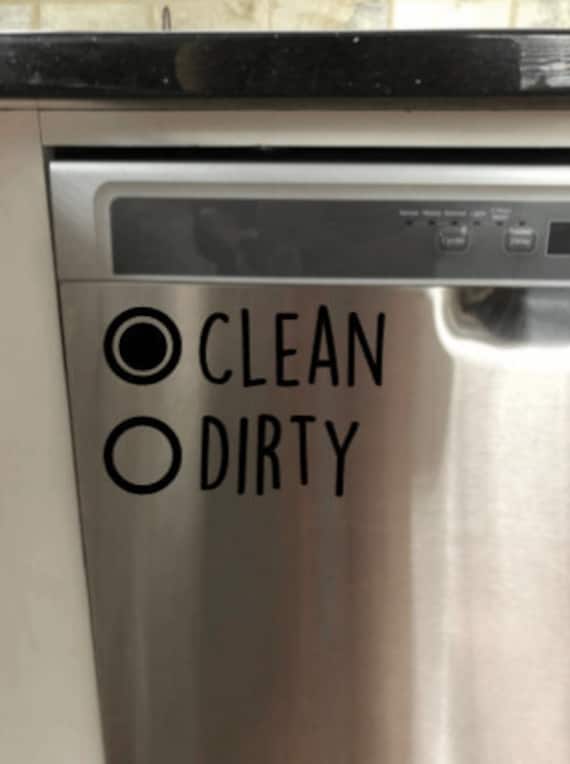
Regular cleaning of your dishwasher ensures it runs efficiently. Remove food debris from the filter. Wipe seals and spray arms with a damp cloth. Use vinegar or baking soda for stubborn stains. This simple maintenance keeps your appliance in top shape and extends its life.
Maintaining your dishwasher might not be at the top of your to-do list, but it's essential for keeping your kitchen running smoothly. A well-maintained dishwasher not only cleans better but also lasts longer. Whether you're tackling the remnants of last night's lasagna or the aftermath of a dinner party, a clean dishwasher is your best ally. Let’s dive into some practical steps to ensure your dishwasher remains in top-notch condition.
Clearing The Filter
The filter in your dishwasher catches food particles and prevents them from redepositing on your clean dishes. Over time, it can become clogged, reducing efficiency. To clear the filter, first locate it at the bottom of the dishwasher. Twist it out, and rinse it under hot water. Tip: If you notice stubborn grime, gently scrub with a soft brush. How often do you check your filter? You might be surprised at the difference a clean filter makes.
Running A Cleaning Cycle
Running a cleaning cycle can do wonders for your dishwasher. It helps eliminate odors and keeps the machine's inner workings free of buildup. Simply add a cup of white vinegar to a dishwasher-safe bowl on the top rack. Run a hot water cycle. Pro tip: Add a sprinkle of baking soda to the bottom of the dishwasher and run a short cycle for extra freshness. Have you noticed how much fresher your dishes smell after this simple step?
Inspecting Spray Arms
The spray arms in your dishwasher distribute water and detergent, ensuring everything gets clean. Over time, they can become blocked with food particles or mineral buildup. Remove the spray arms and check for blockages. If needed, use a toothpick or a small wire to clear the holes. Remember: Regular inspection can prevent larger issues down the line. When was the last time you gave your spray arms a good look? By dedicating a few minutes to these maintenance tasks, you can keep your dishwasher performing at its best. Ready to give your dishwasher a little TLC? Your dishes will thank you!
Credit: www.etsy.com
Polishing The Toaster
Toasters often collect crumbs and stains, needing regular cleaning for better performance. Start by unplugging the appliance and emptying the crumb tray. Wipe the exterior with a damp cloth to remove any grime. Regular maintenance ensures your toaster shines and functions efficiently.
Polishing your toaster might not be at the top of your cleaning list, but it makes a significant difference. A shiny, crumb-free toaster not only looks great but also works efficiently. Imagine the satisfaction of a spotless kitchen appliance that gleams with every use.
Emptying Crumb Tray
Start by unplugging your toaster. Safety first! Locate the crumb tray at the bottom of the toaster. Gently pull it out and empty the crumbs into the trash. This simple step prevents crumbs from burning and creating a burnt smell. Wipe the crumb tray with a damp cloth to remove any stubborn bits. Let it dry completely before reinserting.
Cleaning Interior And Exterior
Once the crumb tray is out, shake the toaster gently over the sink or trash to dislodge any crumbs. This minimizes the mess on your counter. For the interior, use a soft brush to reach inside and sweep away any remaining crumbs. Avoid sticking metal objects inside to prevent damage. Now, focus on the exterior. A damp microfiber cloth works wonders on stainless steel surfaces. Use a mixture of equal parts vinegar and water for a natural shine. Buff with a dry cloth to finish, and your toaster will look as good as new. Have you ever noticed how a clean appliance can brighten up your kitchen? Keep this routine consistent, and you’ll enjoy a more pleasant morning routine with every toast you make.
Sanitizing The Coffee Maker
Regular cleaning of kitchen appliances is crucial. A coffee maker often gathers dirt and bacteria. Simple steps like using vinegar can effectively sanitize it, ensuring your brew is always fresh and safe to drink. Clean appliances lead to better hygiene and taste.
Keeping your coffee maker clean is crucial for both taste and hygiene. A dirty coffee maker can harbor bacteria and leave your morning brew tasting off. Regular sanitization ensures that each cup is fresh and flavorful. With a few simple steps, you can keep your coffee maker in top shape and start your day on the right note. Let's dive into how to properly sanitize your coffee maker, focusing on two key areas: descaling and cleaning.
Descaling With Vinegar
Mineral buildup from hard water can affect your coffee maker's performance. Descaling with vinegar is an effective and affordable way to tackle this issue. To begin, mix equal parts of water and white vinegar. Pour the solution into your coffee maker's water reservoir. Run a brewing cycle without any coffee grounds. This helps break down any mineral deposits lurking inside. Once the cycle is complete, run two more cycles with fresh water. This will rinse out any vinegar residue. You might be surprised at how much this simple step can improve the taste of your coffee.
Cleaning Carafe And Basket
The carafe and basket are often overlooked but are essential to clean regularly. Leftover coffee oils can turn rancid and affect the taste of your brew. Start by washing the carafe and basket with warm, soapy water. Use a soft brush to reach any stubborn stains or residue. Rinse thoroughly to ensure no soap remains. For a deeper clean, you can soak them in a mixture of water and baking soda for about 30 minutes. This will help lift any lingering odors or stains. Dry them completely before reassembling your coffee maker. Have you ever noticed a funky smell from your coffee maker? That might just be your cue to clean these components. Regular maintenance is key to a satisfying coffee experience, so make it a part of your routine.

Credit: www.freepik.com
Removing Stains From Blender
Blenders can stain easily from frequent use. Fruit smoothies, sauces, and soups often leave stubborn marks. Over time, these stains can make the blender look unappealing. Proper cleaning can restore its shine. Follow these steps to remove those pesky stains.
Detaching Blades And Jar
Start by unplugging the blender. Safety first, always. Detach the jar from the base. Twist the blade assembly to remove it. Be careful; blades are sharp. Separate all parts for thorough cleaning. This ensures every spot gets attention.
Using Baking Soda Paste
Create a paste using baking soda and water. Simple, yet effective. Apply this paste to the stained areas. Use a soft brush to scrub gently. Let the paste sit for 10 minutes. This helps lift tough stains. Rinse thoroughly with warm water. Dry each part before reassembling the blender.
Regular Maintenance Tips
Keeping kitchen appliances clean is essential for hygiene. Wipe surfaces with a damp cloth to remove grime. Use vinegar and baking soda for tough stains. Regular cleaning prevents buildup and ensures appliances last longer.
Keeping your kitchen appliances clean is essential for their longevity and efficiency. Regular maintenance can save you time and money in the long run. By incorporating small habits into your routine, you can prevent grime build-up and ensure your appliances run smoothly.
Setting A Cleaning Schedule
Consistency is key to maintaining clean kitchen appliances. Consider creating a simple cleaning schedule that fits your lifestyle. You might clean your coffee maker every Sunday morning or wipe down your refrigerator shelves every other Friday. Begin with small, manageable tasks. For example, dedicate five minutes each day to a specific appliance. This way, cleaning doesn't become overwhelming, and you can tackle it gradually. You could set reminders on your phone or use a calendar to keep track. Once it becomes part of your routine, it will feel less like a chore.
Using Natural Cleaners
Natural cleaners are not only safer for you but also for your appliances. Vinegar, baking soda, and lemon are effective alternatives to harsh chemicals. Vinegar can help remove lime scale from kettles, while baking soda works wonders on tough stains inside your oven. Lemon can be used to cut through grease on stovetops. Experiment with these natural solutions to see what works best for each appliance. Not only are they cost-effective, but they also leave your kitchen smelling fresh. Have you ever tried using vinegar to clean your microwave? Just a bowl of vinegar and water can loosen up stubborn residue, making it easy to wipe away. What other natural cleaners have you found effective for your kitchen appliances? Share your tips and tricks with us!
Frequently Asked Questions
How Often Should I Clean Kitchen Appliances?
Regular cleaning is essential for maintaining kitchen appliances. Aim to clean them at least once a month. Frequent cleaning prevents buildup and extends appliance lifespan. Some appliances may require more frequent cleaning depending on usage. Always refer to the manufacturer's instructions for specific guidance on cleaning frequency.
What Is The Best Cleaner For Kitchen Appliances?
Mild dish soap and warm water are effective for most appliances. Vinegar and baking soda are natural alternatives for tough stains. Avoid using harsh chemicals that can damage surfaces. Always test a small area first before applying any cleaner. For specific products, consult your appliance's manual.
Can I Use Vinegar To Clean All Appliances?
Vinegar is safe for many appliances, but not all. It’s effective for microwaves, kettles, and some refrigerators. Avoid using vinegar on natural stone surfaces or certain dishwashers. Always check the manufacturer's guidelines before using vinegar. For safe cleaning, dilute vinegar with water.
How Do I Remove Grease From Kitchen Appliances?
Use a mixture of baking soda and water to tackle grease. Apply the paste to greasy areas and let it sit. Wipe off with a damp cloth. For tough stains, use a bit of vinegar. Regular cleaning helps prevent grease buildup on appliances.
Conclusion
Cleaning kitchen appliances doesn't have to be hard. Regular upkeep keeps them working well. A clean kitchen is a happy kitchen. Dirt and grime can cause damage over time. Simple cleaning steps help maintain your appliances. Safe and effective methods make the task easier.
Use mild cleaners for a gentle touch. Protect your investments with proper care. A clean space can inspire delicious cooking. Your kitchen deserves the best care. Enjoy the benefits of a fresh and clean kitchen. Keep appliances shining with regular cleaning.
Your efforts will pay off with better performance.