
Are you planning a kitchen makeover or designing a new one? Choosing the right edge style for your countertops can be a game-changer.
It's not just about looks; it’s about functionality and style that fits your lifestyle. Among the myriad of options, the bevel edge stands out, promising a blend of elegance and practicality. But is it the right choice for your kitchen?
You might wonder why the bevel edge is gaining popularity and whether it can enhance your kitchen's overall appeal. You'll discover the secrets behind the bevel edge's rising trend and how it can transform your kitchen into a space that reflects your taste and meets your needs. Keep reading to find out if this stylish edge could be the perfect finishing touch for your dream kitchen.
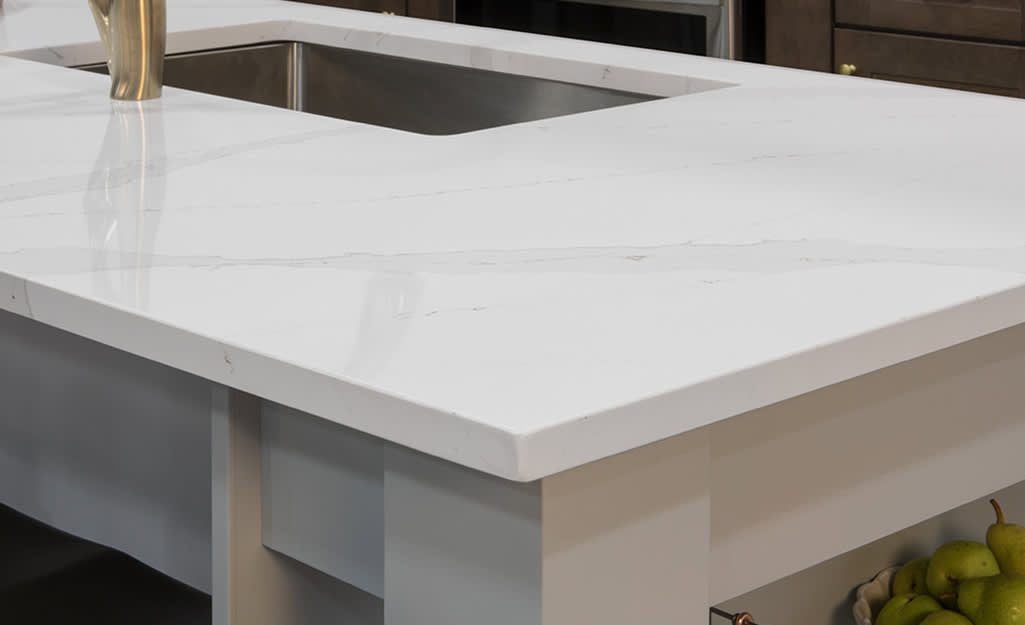
Credit: www.gvdrenovationsinc.com
Bevel Edge Basics
Bevel edges add elegance to kitchen designs. Their subtle slant provides a soft transition between surfaces. They are a popular choice for homeowners seeking style and functionality.
Definition And Characteristics
A bevel edge is a sloped edge at an angle, typically 45 degrees. It softens the look of kitchen countertops and cabinets. This design element reduces sharp corners, enhancing safety and aesthetics.
Bevel edges create a seamless transition. They blend surfaces smoothly, giving a polished appearance. Their design is versatile, fitting both modern and traditional kitchens.
Common Materials And Applications
Bevel edges are often found in stone countertops like granite and marble. They are also popular in wooden cabinetry, adding depth and character. These edges are used in kitchen islands, worktops, and backsplashes.
Materials like laminate and quartz also feature bevel edges. They withstand daily kitchen activities while maintaining their stylish look. Bevel edges enhance both functionality and visual appeal.
Aesthetic Appeal
The aesthetic appeal of a bevel edge in kitchen design captures attention. It offers a sleek and modern touch. This edge style adds visual depth and sophistication. It complements various kitchen themes effortlessly.
Visual Impact In Kitchens
Bevel edges create a striking visual impact in kitchens. They provide a sense of elegance and refinement. This design element makes countertops stand out. It enhances the overall beauty of the space.
The clean lines of a bevel edge draw the eyes. They make the kitchen look spacious and organized. This edge style works well with both modern and traditional settings.
Color And Texture Variations
Bevel edges offer a range of color and texture options. Choose from bold colors for a vibrant look. Opt for subtle shades for a calm ambiance. The texture can be smooth or slightly rugged, adding character.
This variety allows homeowners to personalize their kitchens. It ensures the design matches their taste and style. Bevel edges help create a unique and inviting kitchen atmosphere.
Functional Advantages
When designing your kitchen, considering the functional advantages of a bevel edge might be a game-changer. Whether you’re whipping up a quick breakfast or hosting a dinner party, the details in your kitchen design can make all the difference. A bevel edge not only adds a touch of elegance but also serves practical purposes that could enhance your everyday cooking experiences.
Durability And Maintenance
Bevel edges are crafted to withstand the rigors of daily kitchen use. They are less prone to chipping compared to sharp edges. Imagine the peace of mind knowing your countertops can endure the occasional bump or drop without visible damage.
Maintenance is also a breeze. The angled design minimizes dirt and food accumulation, making cleaning less of a chore. You can simply swipe a cloth along the bevel, keeping your kitchen spotless with minimal effort.
Safety Considerations
Safety is paramount in any kitchen. Bevel edges can reduce the risk of injuries. Their smooth finish decreases the chance of cuts or scrapes if you accidentally brush against the counter.
Think about the young children or pets in your home. Bevel edges are a safer choice, offering peace of mind as they explore the kitchen. Could this be the subtle change that makes your kitchen more family-friendly?
With bevel edges, you’re not just choosing a design; you’re making a practical decision that merges style and functionality effortlessly. How might a simple design choice like this improve your cooking space?
Current Kitchen Trends
In the world of kitchen design, trends are constantly evolving, reflecting a mix of functionality and aesthetics. This year's trends emphasize simplicity, elegance, and practicality. The bevel edge has emerged as a popular choice, aligning with these themes and offering a versatile option that suits various design preferences.
Modern Vs. Traditional Styles
In modern kitchens, clean lines and minimalism are key. A bevel edge fits seamlessly with this style, providing a subtle yet sophisticated transition between surfaces. Its sleek look complements the glossy finishes and neutral palettes often seen in contemporary settings.
Traditional kitchens, on the other hand, embrace warmth and character. The bevel edge adds a touch of elegance to classic wooden cabinets and countertops. It enhances the intricate details that define traditional design, marrying old-world charm with modern sensibilities.
Integration With Contemporary Design
Contemporary design thrives on innovation and adaptability. The bevel edge is celebrated for its ability to blend seamlessly with various materials such as quartz, granite, and marble. This versatility allows it to enhance the overall look without overpowering other elements.
Consider how a bevel edge can be used to create continuity in open-plan spaces. Its subtle profile can help define areas, such as separating the kitchen from the dining room, without disrupting the flow. This subtlety is often what makes the bevel edge a favorite among designers and homeowners alike.
Are you considering a kitchen renovation? Think about how a bevel edge could enhance your space. Whether your style leans modern or traditional, its timeless appeal and functionality make it a worthy addition.
Popularity Factors
Bevel edges in kitchen design have gained popularity recently. Several factors contribute to this trend. From the influence of interior designers to homeowner preferences, bevel edges are making a mark.
Influence Of Interior Designers
Interior designers play a crucial role in setting trends. They often choose bevel edges for their sleek look. Designers appreciate the clean lines and modern appeal. Many showcase bevel edges in magazines and online platforms. This exposure boosts their popularity further.
Homeowner Preferences
Homeowners want stylish and functional kitchens. Bevel edges meet both criteria. They are easy to clean and maintain. The smooth edges prevent dirt buildup. Plus, they add a touch of elegance. Homeowners often opt for this style in renovations.
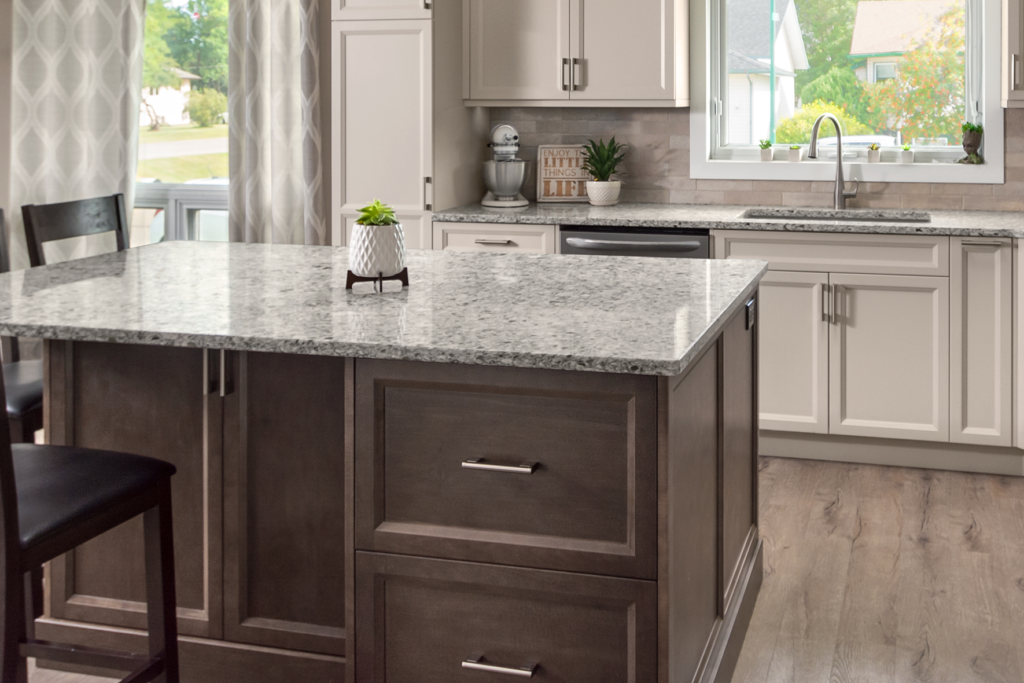
Credit: decorcabinets.com
Comparing Edge Styles
Choosing the right edge style can define your kitchen's look. Each edge style offers unique aesthetics and functionality. Among the variety, the bevel edge stands out for its classic appeal.
Bevel Vs. Other Edges
The bevel edge is known for its angled cut. It adds subtle elegance to countertops. Other popular styles include bullnose and square edges. Bullnose edges have a rounded finish, offering a soft touch. Square edges provide a sleek and modern appearance.
Bevel edges suit both traditional and modern designs. They offer a balance between simplicity and style. Bullnose and square edges cater to specific design preferences. Each style impacts the overall kitchen vibe.
Cost Implications
Bevel edges are often cost-effective. Their simple design requires less material. This makes them affordable for many homeowners. Bullnose edges may cost more due to their rounded shape. Square edges can be budget-friendly but vary with material choice.
Considering cost, bevel edges offer value and style. They enhance kitchen aesthetics without breaking the bank. Understanding these differences helps in making informed decisions.
Future Of Bevel Edges
The future of bevel edges in kitchen design looks promising. This edge style has been a favorite for its sleek appearance. As design trends evolve, bevel edges continue to adapt. They offer a timeless appeal while integrating modern touches. Let's explore what lies ahead for bevel edges.
Emerging Trends
Bevel edges are gaining popularity in minimalist kitchens. Their clean lines fit well with contemporary styles. Designers now experiment with new materials. Glass and metal accents are joining traditional wood and stone. This variety adds unique visual interest.
Color trends are also influencing bevel edges. Darker hues like navy and charcoal are popular choices. These colors offer a bold contrast to light cabinetry. Textured finishes are another emerging trend. They add depth and character to kitchen surfaces.
Sustainability Considerations
Sustainability is a growing concern in design. Bevel edges can support eco-friendly practices. Using sustainable materials like recycled glass is one option. Bamboo is another popular sustainable choice. It grows quickly and is very durable.
Energy-efficient production methods also matter. Choosing manufacturers committed to green practices is important. These efforts help reduce the overall carbon footprint. It’s a win for both style and the planet.
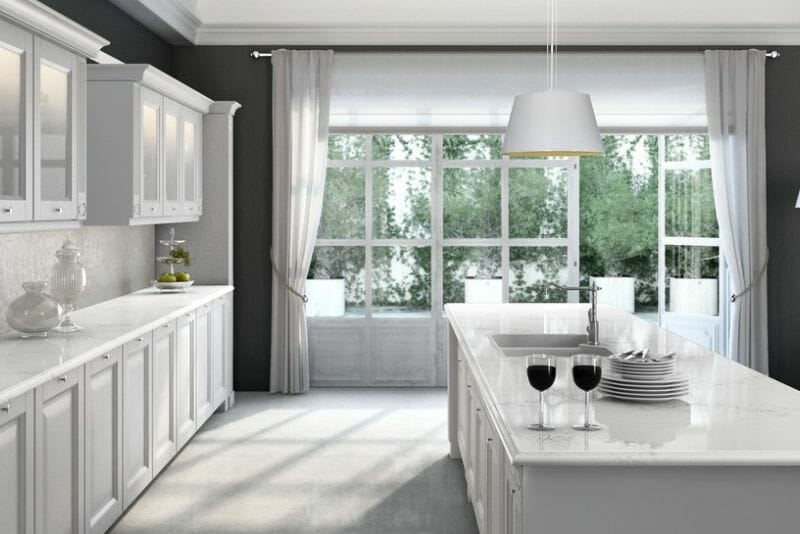
Credit: www.caesarstoneus.com
Frequently Asked Questions
What Is A Bevel Edge In Kitchen Design?
A bevel edge is an angled cut on countertops or cabinetry edges. It adds a sleek, modern look to kitchen surfaces. This design element can enhance the aesthetic appeal of kitchens. Bevel edges are popular for their ability to soften sharp corners and create visual interest.
Why Choose Bevel Edges For Kitchens?
Bevel edges offer a stylish and contemporary appearance. They can make a kitchen look more sophisticated and elegant. This design choice also adds depth and character to surfaces. Additionally, bevel edges are easier to clean compared to sharp edges, reducing dirt accumulation.
Are Bevel Edges Durable In Kitchens?
Yes, bevel edges are durable and practical for kitchen use. They are less prone to chipping compared to sharp edges. The angled design helps distribute impact more evenly. Bevel edges can withstand daily wear and tear, making them a reliable choice for busy kitchens.
How Do Bevel Edges Affect Kitchen Style?
Bevel edges contribute to a modern and polished kitchen style. They create smooth transitions between surfaces, enhancing overall design cohesion. These edges can complement various design themes, from minimalist to traditional. Bevel edges add subtle elegance, elevating kitchen aesthetics effortlessly.
Conclusion
Bevel edges remain a popular choice in kitchen design. They offer elegance and simplicity. Their sleek lines fit modern and traditional styles alike. Easy to clean and maintain, they enhance functionality. Many homeowners prefer them for a polished look. They blend well with various materials.
Wood, stone, or laminate—bevel edges complement them all. They add a subtle charm to countertops. Want a timeless design? Consider bevel edges for your kitchen. Their enduring appeal makes them a wise choice. Whether you’re renovating or building new, bevel edges won't disappoint.
Their popularity endures for a reason.