Have you ever wondered how long your kitchen appliances should last? You might be surprised to learn that holding onto them for too long could be costing you more than you think.
Worn-out appliances not only affect your cooking efficiency but also inflate your energy bills. So, how often should you replace them to ensure peak performance and save money? We’ll break down the lifespan of common kitchen gadgets and give you the signs to look for when it’s time to say goodbye.
Stay tuned to discover how keeping your kitchen up-to-date can actually make your life easier and more cost-effective!
Refrigerators
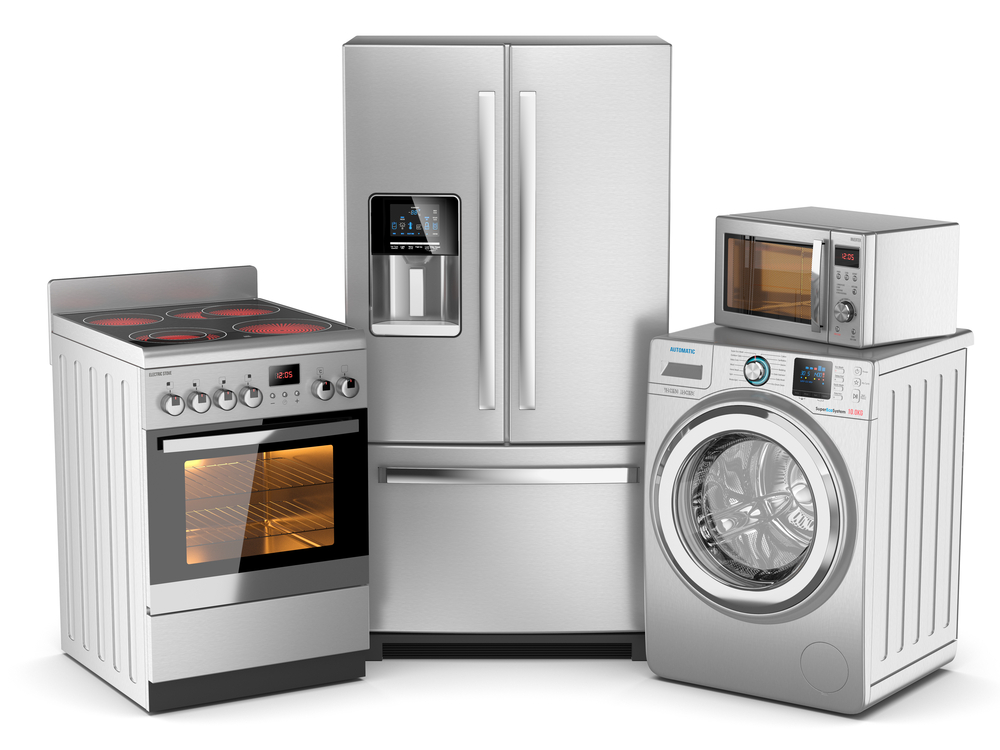
Refrigerators are essential kitchen appliances found in every home. They preserve food and keep it fresh for longer periods. Their functionality and efficiency can decline over time. Knowing when to replace your refrigerator is crucial for optimal performance.
Signs Of Wear And Tear
Watch for unusual noises from the motor. Check for frequent leaks or puddles under the fridge. Warm spots inside indicate cooling issues. Frost buildup can signal a faulty defrost system. Doors not sealing properly increase energy use.
Average Lifespan
Refrigerators generally last between 10 to 20 years. The lifespan depends on usage and maintenance. Regular cleaning and servicing extend their life. Older models may require more frequent repairs. Newer ones often offer better durability.
Energy Efficiency Considerations
Older refrigerators consume more energy. Energy-efficient models reduce electricity bills. Look for the Energy Star label when shopping. Modern designs offer smart features and better insulation. Replacing an old fridge can save money long-term.
Credit: www.knbltd.co.uk
Ovens And Stoves
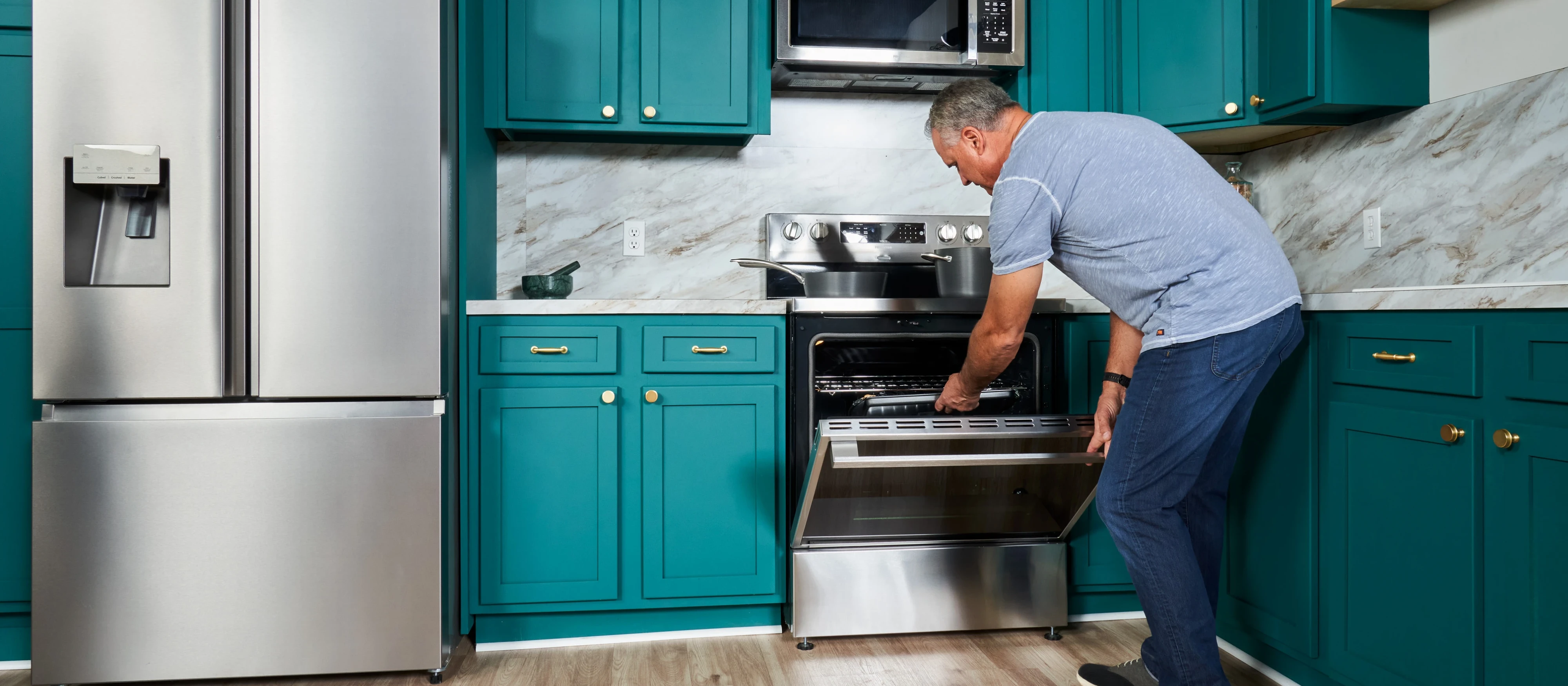
Ovens and stoves are the heart of any kitchen, essential for whipping up everything from quick breakfasts to elaborate dinners. But how often should you consider replacing these vital appliances? Understanding when to replace your oven or stove can save you money and ensure you’re cooking safely and efficiently.
Performance Issues
Does your oven take forever to heat up? Or does your stove struggle to maintain a consistent flame? These are signs of performance issues that may indicate it’s time for a replacement. A slow or inconsistent appliance can be frustrating and can even affect the quality of your meals. Imagine prepping a fancy dinner only to find your oven refuses to heat evenly.
Sometimes, simple repairs can solve these problems, but if you find yourself frequently calling the technician, it's worth considering a replacement. New models are designed for efficiency, ensuring your cooking experience is smooth and reliable.
Safety Concerns
Safety should always be your top priority in the kitchen. Faulty ovens and stoves can be hazardous. Gas leaks, electrical shorts, or malfunctioning burners can pose serious risks. If you smell gas or notice sparks, it’s crucial to address these issues immediately.
A friend once ignored a flickering burner on her stove until it led to a small kitchen fire. Don't wait for a dangerous situation to arise. Regularly check your appliances for wear and tear and prioritize your family's safety by replacing outdated models.
Upgrading To New Technology
Technology evolves rapidly, and kitchen appliances are no exception. New ovens and stoves come with features like smart controls, self-cleaning options, and energy-efficient designs. These upgrades not only enhance your cooking experience but can also reduce your energy bills.
Think about your current cooking habits. Would a smart oven that preheats on command simplify your life? Or perhaps an induction stove that cools down instantly is more suited to your needs. Evaluate how new technology can improve your kitchen routine and decide if it's time for an upgrade.
When did you last evaluate your oven and stove? Are they holding you back or keeping you safe? As you ponder these questions, remember that a well-functioning kitchen is not just about convenience—it's about peace of mind.
Dishwashers
Dishwashers are a staple in modern kitchens, offering the convenience of clean dishes without the hassle of hand washing. But how do you know when it's time for a new one? Understanding common malfunctions, water efficiency improvements, and lifespan expectations can help you decide when to replace your dishwasher.
Common Malfunctions
Dishwashers can experience a range of issues over time. Perhaps you've noticed dishes coming out less clean or your machine making strange noises. These could signal a malfunction. A personal experience I had involved my dishwasher flooding the kitchen floor. It turned out to be a faulty door seal. Identifying and addressing such issues can save you from costly repairs and unnecessary water damage.
Water Efficiency Improvements
Modern dishwashers are significantly more water-efficient than older models. If your dishwasher is over a decade old, it might be using more water than necessary. Upgrading to a newer model can reduce your water bills and benefit the environment. Newer models can use as little as three gallons per cycle compared to older ones that might use up to ten gallons. Ask yourself, is it worth holding onto a machine that’s costing you more in utilities?
Lifespan Expectations
Most dishwashers have a lifespan of about 10 years. If yours is nearing this age and showing signs of wear, it might be time to consider a replacement. A close friend of mine waited until her dishwasher was 15 years old before replacing it, only to discover she had been overpaying for repairs and utilities. Is your dishwasher still performing efficiently, or is it costing you more than it should?
By paying attention to these aspects, you can make an informed decision about when to replace your dishwasher. After all, a well-functioning kitchen appliance is key to a smooth-running home.
Microwaves
Microwaves have become a staple in modern kitchens, offering convenience and speed in meal preparation. Whether you're reheating leftovers or quickly cooking a snack, these handy appliances make life easier. However, like all kitchen gadgets, microwaves don't last forever. Understanding when it's time to replace them can save you from unexpected hassles.
Functionality Decline
Is your microwave taking longer to heat food or failing to produce the results you expect? This could be a sign that its functionality is declining. Over time, the magnetron, which is responsible for producing microwaves, can wear out. You might notice uneven heating or hear strange noises. Pay attention to these signs, as they indicate that your microwave might be nearing the end of its useful life.
Safety Features
Microwaves come equipped with various safety features to protect you and your household. If you notice any broken door seals or issues with the keypad, these could compromise safety. Ensure the appliance shuts off when the door is open and check for any signs of damage. A faulty microwave can pose risks, including radiation leaks. It’s crucial to replace it before these problems escalate.
Replacement Frequency
How often should you replace your microwave? Typically, microwaves last about 7 to 10 years. However, usage frequency and maintenance can impact this timeline. If yours is showing signs of wear or frequent malfunctions, it might be time for a new one. Consider how often you use it and weigh the cost of repairs against buying a new model.
Have you ever had a microwave conk out on you right when you needed it most? It’s frustrating and inconvenient. Keeping an eye on performance can prevent these surprises. Are you noticing any of the signs above in your current microwave? It might be time to start shopping for a replacement. Remember, a well-functioning microwave not only saves you time but also ensures your safety. When was the last time you evaluated your kitchen appliances for efficiency and safety?
Coffee Makers
Coffee makers, like many kitchen appliances, need replacing every 5-10 years. Regular use and maintenance affect their lifespan. Checking for signs like slow brewing or strange noises helps decide when a new one is needed.
Coffee makers are a staple in many kitchens, providing that much-needed caffeine boost to start the day. But have you ever wondered how often you should replace your trusty coffee maker? You might be surprised to learn that these machines don't last forever. Regular use can cause wear and tear, affecting the quality of your brew. Let's dive into when you might need to start considering a replacement.
Brewing Quality Deterioration
Over time, you may notice your coffee doesn't taste as good as it once did. A once vibrant cup can become lackluster. Mineral buildup and worn-out components can be the culprits. Does your coffee suddenly taste bitter or lack the usual aroma? It might be time to evaluate your coffee maker's condition. A drastic change in flavor could be a sign that your machine is on its last legs.
Maintenance Tips
To prolong the life of your coffee maker, regular maintenance is crucial. Clean your machine monthly to prevent scale buildup. Use a mixture of vinegar and water to run a cleaning cycle, then rinse thoroughly with clean water. Always empty the carafe and filter basket after each use. This simple step prevents mold and unpleasant odors. If your coffee maker has a reusable filter, make sure to clean it regularly to keep your brew fresh.
Time For A New Model
Even with diligent maintenance, there comes a time when replacing your coffee maker is the best option. Consider a new model if your machine is over five years old. Technology in coffee making has improved significantly. New models offer features like programmable settings, better energy efficiency, and even smart technology. Is your coffee maker slow or leaking? These are strong indicators that it might be time to invest in a new coffee maker. Investing in a new model could mean better coffee and a more enjoyable morning routine. How's your coffee maker holding up? If it's been a while since you've assessed its performance, it might be worth taking a closer look. After all, your morning cup of coffee deserves the best.
Credit: www.hisense-usa.com
Blenders And Mixers
Kitchen appliances like blenders and mixers usually need replacement every 5-10 years. Regular maintenance helps extend their lifespan, but signs of wear may indicate it's time for an upgrade. Keep an eye on performance and efficiency to ensure your appliances are operating at their best.
Blenders and mixers are essential tools in any kitchen. They make food preparation easier and faster. But like all appliances, they have a limited lifespan. Knowing when to replace them is important. It ensures efficiency and safety in your kitchen.
Motor Performance
The motor is the heart of your blender or mixer. A strong motor ensures smooth operation. Listen for unusual noises during use. Grinding or whining sounds indicate motor issues. A struggling motor can't handle basic tasks. This affects the texture of your mixes. Regular maintenance can extend motor life. But frequent repairs mean it's time for a new appliance.
Blade Sharpness
Sharp blades make blending and mixing efficient. Dull blades struggle with tough ingredients. This leads to uneven textures. Check blades regularly for wear and tear. Replace them if they become dull. Blades should easily cut through fruits and vegetables. If they don't, blending becomes a hassle. Keeping blades sharp is key for optimal performance.
Signs It's Time For A Change
Frequent breakdowns suggest replacement. If repairs are costly, consider a new appliance. Difficulty achieving desired textures is another sign. New models offer improved features and efficiency. Safety concerns arise from faulty wiring or parts. An old appliance may lack safety features. Upgrading ensures safety and better functionality in your kitchen.
Toasters And Toaster Ovens
Toasters and toaster ovens are essential in most kitchens. They make breakfast quick and easy. Over time, these appliances might show signs of wear. Knowing when to replace them ensures safety and efficiency. Let's explore key factors to consider.
Efficiency In Toasting
Toasters should toast evenly. Uneven toasting might mean it's time for a change. A toaster that takes longer to toast uses more energy. This impacts your electricity bill. An efficient toaster saves time and money.
Safety And Electrical Issues
Old toasters can pose safety hazards. They might have frayed cords or sparks. This increases the risk of electrical fires. Regularly check for unusual smells or sounds. These can signal potential dangers.
When To Buy A New One
Toasters typically last 5 to 8 years. Frequent use might shorten this lifespan. Consider a new toaster if repairs are frequent. New models offer better features and improved safety standards.
:max_bytes(150000):strip_icc()/lifespan-of-household-appliances-4158782_final_v3-7b0e2714582145398d1605b3f96cb110.png)
Credit: www.thespruce.com
General Maintenance Tips
Keeping your kitchen appliances in top shape is essential for prolonging their lifespan and ensuring they function efficiently. General maintenance plays a critical role in this process, and it's easier than you might think. By incorporating routine cleaning, regular inspections, and a few other simple habits, you can make sure your appliances serve you well for years to come.
Routine Cleaning
One of the easiest ways to maintain your appliances is through regular cleaning. A clean appliance not only looks good but also works better. Wipe down your refrigerator's shelves and door seals regularly to prevent buildup of grime, which can affect its cooling efficiency.
Consider the microwave. Food splatters can lead to unpleasant odors and reduce its effectiveness. A simple solution is to heat a bowl of water with lemon slices for a few minutes. The steam will loosen any stuck food, making it easy to wipe away.
Don't forget about the dishwasher. Run an empty cycle with vinegar monthly. This helps to dissolve any lingering soap scum and keeps the machine smelling fresh.
Regular Inspections
Regular inspections can prevent small issues from turning into costly repairs. Check your appliances for signs of wear and tear or unusual noises. A rattling sound in your washing machine might indicate a loose drum or a foreign object inside.
Inspect the power cords for fraying or damage. A damaged cord can be a fire hazard and should be replaced immediately. Pay attention to the performance of your appliances. If the oven isn't heating evenly, it might be time to look at the heating elements.
Get into the habit of checking the seals on your refrigerator and freezer. A faulty seal can lead to energy loss and increased electricity bills. You can test this by closing the door on a piece of paper. If it slides out easily, the seal might need replacing.
Extending Appliance Lifespan
Simple habits can significantly extend the lifespan of your appliances. Avoid overloading your washing machine and dishwasher. Overloading can strain the motors and reduce their efficiency.
Use the right detergent and follow the manufacturer's instructions. Using too much detergent can leave residue, affecting performance over time. Unplug small appliances like toasters and mixers when not in use. This not only saves energy but also protects them from power surges.
Consider setting reminders for routine maintenance tasks. Regular oiling of moving parts in some appliances can prevent rust and keep them running smoothly. Have you ever thought about the impact of a well-maintained appliance on your daily life? It saves you money, time, and the hassle of dealing with unexpected breakdowns.
Adopt these simple maintenance tips and enjoy the peace of mind that comes with knowing your kitchen appliances are in their best condition. What other maintenance habits have you found effective? Share your tips and experiences in the comments below!
Frequently Asked Questions
How Often To Replace A Refrigerator?
Refrigerators generally last between 10-20 years. If your fridge is over 15 years old, consider replacement. Efficiency and repair costs are key factors. A newer model can save on energy bills, offering better cooling and storage features.
When To Replace A Microwave?
Microwaves typically last about 9-10 years. If it's over a decade old, replacement might be wise. Frequent repairs, inefficient heating, or outdated technology signal time for an upgrade. New models offer energy savings and enhanced cooking features.
How Long Do Dishwashers Last?
Dishwashers usually have a lifespan of 10 years. If your dishwasher is nearing this age, consider replacing it. Inefficient cleaning, persistent leaks, or noisy operation are signs. Modern dishwashers offer improved efficiency and quieter cycles.
When Should You Replace A Stove?
Stoves can last up to 15 years. Consider replacing if it's over 15 years old. Frequent repairs, uneven heating, or outdated features indicate it’s time. Newer models offer energy efficiency and advanced cooking technology.
Conclusion
Deciding when to replace kitchen appliances can seem tricky. Consider their age, efficiency, and performance. If costs for repairs rise, it might be time. Newer models often save energy and work better. Regular maintenance can extend their life. But, don’t wait too long.
An efficient kitchen is key for smooth cooking. Keeping appliances updated ensures safety and convenience. Make replacements part of your kitchen care routine. This ensures you enjoy a functional, safe, and efficient kitchen space. Stay informed about your appliances' condition.
This helps make smart decisions for your home and budget.