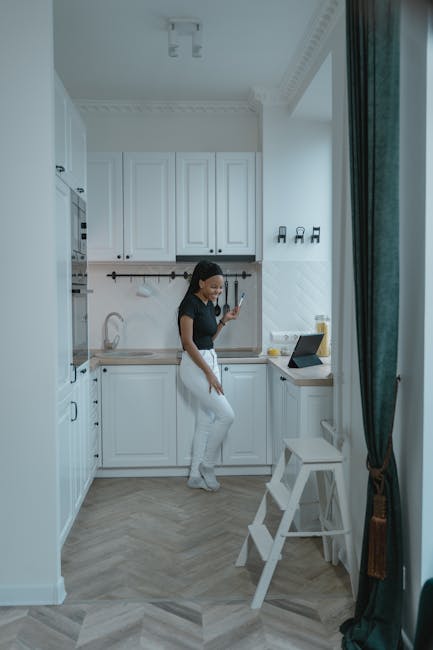
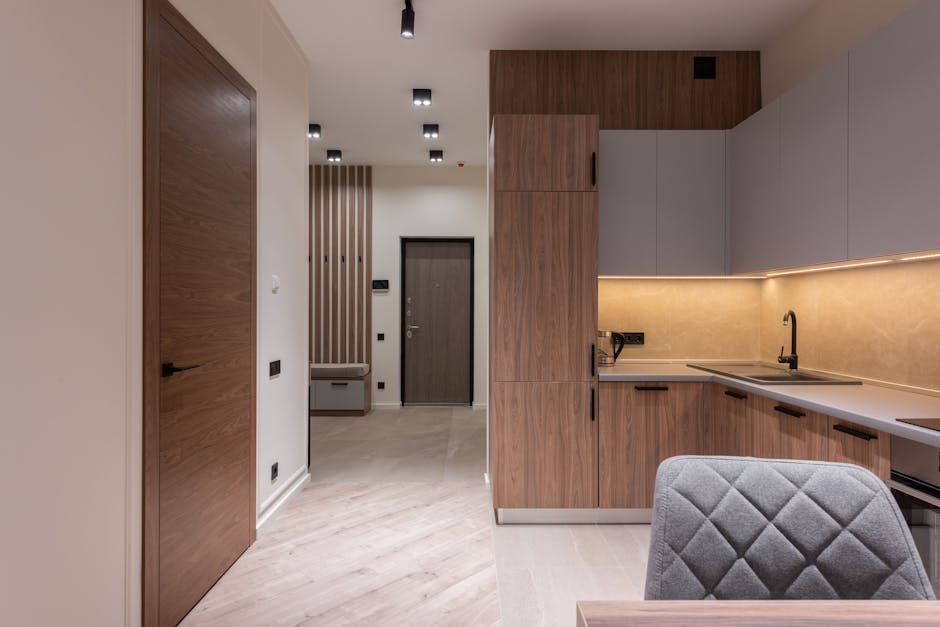
Imagine walking into your kitchen and feeling a sense of calm and inspiration each time. With the right lighting design, this dream can be your reality.
Kitchen lighting is more than just a functional necessity; it's an art that sets the mood, enhances beauty, and boosts efficiency. Whether you're whipping up a quick breakfast or hosting a dinner party, the right lighting can transform your space.
You might wonder, how do you plan such an essential part of your home? In this guide, you'll discover practical tips and creative ideas to illuminate your kitchen beautifully, making it a space where memories are created and cherished. Ready to turn on the light to a brighter kitchen future? Keep reading to unlock the secrets of perfect kitchen lighting design.
Assessing Your Space
Start by evaluating your kitchen's layout and natural light sources. Determine areas needing brighter illumination. Consider task lighting for workspaces, ambient lighting for overall brightness, and accent lighting for style.
Assessing Your Space is the first step in creating a kitchen lighting design that truly enhances your cooking and dining experience. Your kitchen is a unique space, and understanding its layout and key areas is crucial for effective lighting. You don't want to end up with shadows where you need light or excessive brightness where it's not necessary. By carefully evaluating your kitchen's layout and identifying key areas, you can tailor your lighting to fit your needs perfectly.
Evaluating Kitchen Layout
Start by considering the layout of your kitchen. Is it a compact galley style, a spacious open-plan, or perhaps a cozy U-shape? Each layout presents different challenges and opportunities for lighting. For a galley kitchen, you'll need to think about how to maximize light in a narrow space. Use under-cabinet lighting to illuminate work surfaces without cluttering the area. In an open-plan kitchen, consider how lighting can divide the space into functional zones. Pendant lights over the island can add style and function, creating a distinct cooking area from the dining space.
Identifying Key Areas
Once you've evaluated the layout, identify the key areas in your kitchen that require focused lighting. Think about where you spend most of your time. Is it the island, the sink, or perhaps the stove? For task lighting, prioritize areas like countertops where you'll be chopping and preparing food. Bright, direct lighting helps you see clearly and work safely. Consider ambient lighting for dining areas. You want a warm, inviting glow that complements your meals and conversations. Ask yourself: How can you make each area of your kitchen more functional with lighting? What mood do you want to set in your dining space? By focusing on these questions, you can create a kitchen lighting design that is both practical and aesthetically pleasing.
Types Of Kitchen Lighting
Planning kitchen lighting involves combining ambient, task, and accent lights. Ambient lights provide overall illumination. Task lighting focuses on areas like counters for cooking. Accent lighting highlights design features, enhancing aesthetics. Properly blending these types ensures functionality and creates a welcoming atmosphere.
Planning your kitchen lighting design can be a fun and rewarding process. Choosing the right types of kitchen lighting can transform your space from a mere cooking area to a welcoming and functional environment. Lighting isn't just about illumination; it's about creating mood, functionality, and style. You need to know how different types of lighting work together to create the perfect balance. Let's dive into the three main types of kitchen lighting: ambient, task, and accent lighting.
Ambient Lighting Options
Ambient lighting is the general illumination for your kitchen. It sets the tone and fills the room with light. Consider overhead fixtures like pendant lights or chandeliers. They can add style while providing ample light. Recessed lights are another option. They’re perfect for a modern look and can be evenly spaced for consistent light coverage. Think about how much natural light your kitchen gets. It can influence your choice of ambient lighting.
Task Lighting Choices
Task lighting is all about functionality. It’s designed to help you perform specific tasks like chopping vegetables or reading recipes. Under-cabinet lights are a popular choice. They brighten up your countertops without taking up space. Consider adjustable track lights. They can be directed to illuminate specific work areas. Do you find yourself squinting while cooking? Task lighting can be your lifesaver.
Accent Lighting Ideas
Accent lighting adds personality and flair to your kitchen. It’s meant to highlight features like artwork, architectural details, or beautiful cabinetry. LED strip lights can be used to emphasize cabinet interiors or shelves. Think about pendant lights over a breakfast bar. They not only add style but also draw attention to a specific area. Have you ever noticed how lighting can change the mood of a room? Accent lighting is your tool for creating drama and focus. When you plan your kitchen lighting, consider how each type can complement the others. How can you use lighting to reflect your personality? The right mix of lighting can make your kitchen a truly delightful space.
Choosing The Right Fixtures
Selecting suitable fixtures is crucial for effective kitchen lighting design. Balance task, ambient, and accent lighting to create a welcoming space. Consider fixture size, style, and placement to enhance functionality and aesthetics.
Choosing the right fixtures for your kitchen lighting is more than just picking something that looks good. It's about creating a space where you feel comfortable and can work efficiently. The right lighting can transform your kitchen, making it both functional and inviting. But how do you choose the right fixtures?
Pendant Lights
Pendant lights are a popular choice for many kitchens. They can add a touch of elegance and style. Think about how they can illuminate your island or dining area. You might have seen pendant lights in a friend’s kitchen and admired how they create a warm, inviting glow. They work well in small spaces and can be a statement piece in larger kitchens. Consider the height and size to ensure they don’t overpower your space.
Recessed Lighting
Recessed lighting is practical and efficient. It offers a clean, modern look without distracting from your decor. Have you ever tried cooking with shadows cast by poorly placed lights? Recessed lighting can solve that problem, providing even illumination across your workspace. These fixtures are ideal for those who prefer minimalism or have a small kitchen where every inch counts. Ensure they're spaced correctly to avoid dark spots.
Under Cabinet Lights
Under cabinet lights can be a game-changer for your kitchen. They provide direct light to your countertops, perfect for food prep. Imagine slicing veggies with a spotlight on your cutting board, making every chop precise. These lights can also create a cozy ambiance when overhead lights are too harsh. They’re a practical addition that can highlight your backsplash or enhance the overall mood. Look for LED options for energy efficiency. Choosing the right fixtures involves thinking about how you use your kitchen. Do you cook frequently, entertain guests, or enjoy quiet dinners? Each fixture serves a purpose and can enhance your daily activities. What do you want your kitchen to say about you?
Lighting Placement Strategies
Kitchen lighting plays a crucial role in creating a functional space. Proper lighting placement ensures every corner of your kitchen is well-lit. Strategic lighting can enhance functionality and aesthetics. Let's explore some effective lighting placement strategies.
Layering Light Sources
Layering involves using different types of lights together. Combine ambient, task, and accent lighting for a balanced effect. Ambient lighting provides general illumination. Recessed lights or ceiling fixtures work well for this layer. Task lighting focuses on areas where you perform specific tasks. Under-cabinet lights offer focused illumination for countertops. Accent lighting highlights architectural features or decor. Consider pendant lights above an island for visual interest.
Highlighting Work Zones
Each work zone needs adequate lighting. The sink, stove, and prep areas are key zones. Install bright task lighting over the sink. Pendant lights or track lighting suit this purpose. Above the stove, consider a range hood with integrated lights. LED strip lights under cabinets illuminate prep zones efficiently. Ensure the lighting is bright and shadow-free for safety.
Enhancing Dining Areas
The dining area benefits from warm, inviting lighting. Install a dimmable chandelier or pendant light above the table. This creates an intimate atmosphere for meals. Wall sconces can add additional warmth and style. Balance the light to avoid harsh shadows. Consider using bulbs with a warm color temperature. This enhances the cozy ambiance during dining moments.
Energy Efficiency Tips
Planning kitchen lighting involves more than just choosing fixtures. Energy efficiency is key. It saves money and reduces environmental impact. Efficient lighting improves the kitchen's function and feel. There are simple ways to achieve energy-efficient lighting. Explore LED lighting benefits and smart systems to create an eco-friendly kitchen.
Led Lighting Benefits
LED lights use less electricity than traditional bulbs. They have a longer lifespan, reducing replacement costs. LEDs emit less heat, keeping your kitchen cooler. They offer a variety of brightness options. This flexibility enhances kitchen tasks and ambiance. LEDs are available in different colors to match your decor.
Smart Lighting Systems
Smart lighting systems adapt to your needs. Control them with your phone or voice commands. They allow scheduling and dimming for energy savings. Motion sensors ensure lights turn off when not needed. This reduces energy waste. Integrating smart systems enhances convenience and efficiency.
Balancing Style And Function
Designing kitchen lighting requires a blend of style and practicality. Combine ambient, task, and accent lighting to enhance functionality. Choose fixtures that complement your kitchen's aesthetic while ensuring proper illumination for cooking and dining activities.
When planning kitchen lighting, the challenge is balancing style with function. You want your kitchen to look inviting and modern, but it also needs to be practical for cooking and other tasks. Consider your kitchen's layout and your lifestyle needs. Have you ever found yourself squinting at a recipe under dim lights? That's a sign your lighting needs a rethink.
Matching Fixtures To Decor
Choosing light fixtures that complement your kitchen's decor is crucial. Think about the colors and materials used in your kitchen. Do you have sleek stainless steel appliances? Consider matching with metallic pendant lights. If your kitchen leans towards rustic charm, wooden or copper fixtures might be more fitting. Don't be afraid to mix and match styles. A modern fixture can add a fresh twist to a traditional kitchen. Think outside the box. How would a vintage chandelier look over your dining area?
Prioritizing Practicality
Functionality should never be compromised for style. Consider task lighting for areas where precision is key, like your countertops. Under-cabinet lights can illuminate your workspace effectively. Think about your daily routines. Do you need adjustable lighting for different times of the day? Dimmers can add flexibility, allowing you to switch from bright morning light to cozy evening ambiance. Ask yourself: Are your lights versatile enough for your needs? A well-thought-out lighting plan can transform your kitchen from a simple cooking space into a hub of activity and enjoyment.
Common Mistakes To Avoid
Planning kitchen lighting can be tricky. A well-lit kitchen is important for both function and style. Yet, many people make mistakes that affect the outcome. Understanding these errors can help in creating a better kitchen environment. Let's explore common pitfalls in kitchen lighting design.
Overlooking Shadow Areas
Shadows can ruin a kitchen's look and feel. Many people place lights without thinking about shadows. This mistake leaves work areas dim and hard to use. Consider where shadows might fall. Place lights to reduce these dark spots. Use under-cabinet lights to brighten countertops. This ensures all areas are well-lit and functional.
Ignoring Dimmer Options
Dimmer switches add flexibility to kitchen lighting. They let you control light levels for different tasks. Many people forget about dimmers, missing out on this benefit. Bright lights are good for cooking, while soft lights are nice for dining. Installing dimmers allows for easy adjustments. This small addition enhances the kitchen's atmosphere.
Budget-friendly Solutions
Planning kitchen lighting doesn't have to be expensive. Affordable solutions can create a bright, functional space. You can achieve this with the right fixtures and easy installations. Let's explore budget-friendly options to light up your kitchen effectively.
Affordable Fixture Options
Start with LED bulbs. They save energy and last long. Choose pendant lights for style and function. They are cost-effective and modern. Track lighting is another great choice. It provides flexibility and focused light. Under-cabinet lights can brighten dark corners. They are inexpensive and easy to install. Consider using recessed lights. They offer a clean look without taking up space. Mixing these options can balance style and cost.
Diy Installation Tips
Installing lights yourself saves money. Always turn off power before starting. Use a voltage tester for safety. Follow instructions carefully for each fixture. Gather all needed tools in advance. A screwdriver and wire strippers are often required. Ensure fixtures are secure to avoid accidents. Check all connections twice to ensure safety. Testing lights before finishing is crucial. This ensures everything works perfectly. Learn basic electrical safety for peace of mind. With these tips, DIY lighting becomes simple and affordable.
Frequently Asked Questions
What Are The Best Kitchen Lighting Options?
The best kitchen lighting options include task lighting, ambient lighting, and accent lighting. Task lighting helps with cooking and cleaning. Ambient lighting provides overall illumination, while accent lighting highlights features. Combining these types creates a functional and aesthetically pleasing kitchen environment.
How Do I Choose Kitchen Lighting Fixtures?
Choose kitchen lighting fixtures based on functionality, style, and energy efficiency. Consider LED lights for energy savings. Match fixtures to your kitchen's design theme. Ensure enough light for tasks and ambient needs. Mixing different fixtures can add depth and character.
How Can I Create A Layered Kitchen Lighting Design?
Create layered kitchen lighting by combining ambient, task, and accent lights. Ambient lights illuminate the entire space. Task lights focus on work areas, while accent lights highlight features. Using dimmers allows flexibility in lighting levels, enhancing mood and functionality.
Why Is Kitchen Lighting Important?
Kitchen lighting is important for safety, functionality, and aesthetics. Proper lighting helps prevent accidents during cooking. It enhances visibility for tasks like cleaning. Well-chosen lighting fixtures can complement your kitchen's design, creating a welcoming atmosphere.
Conclusion
Designing kitchen lighting enhances both function and style. Prioritize layers of light. Task lighting over counters boosts efficiency. Ambient lighting creates a welcoming space. Accent lighting highlights features like artwork or cabinets. Choose energy-efficient bulbs to save electricity. Adjustable lights offer flexibility for different activities.
Remember, proper lighting makes cooking safer and more enjoyable. Plan carefully, considering both design and practicality. Your kitchen lighting should reflect your needs and taste. Enjoy creating a warm and inviting space for family and friends. Good lighting transforms your kitchen into a vibrant, lively hub of your home.