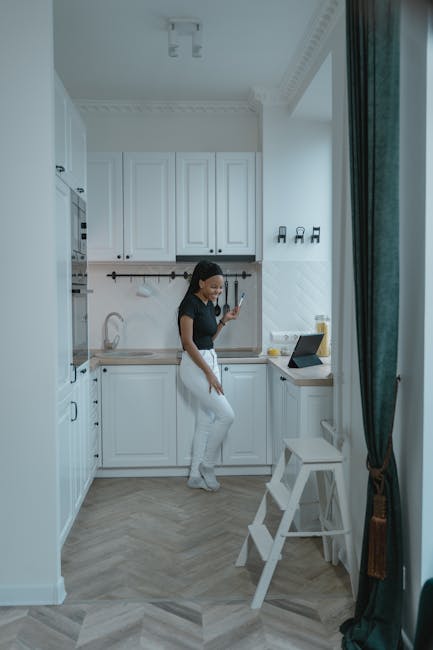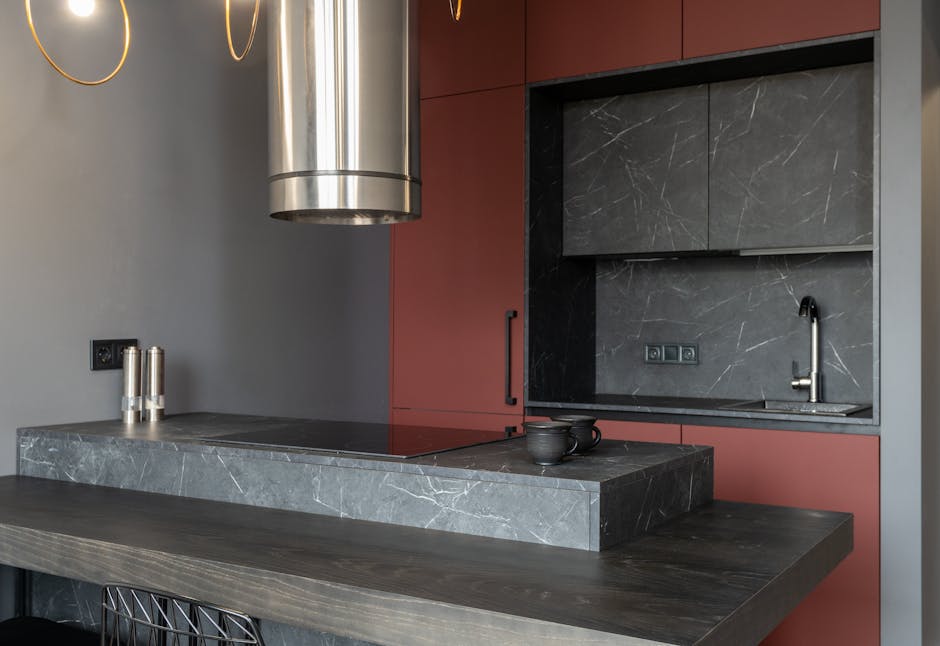
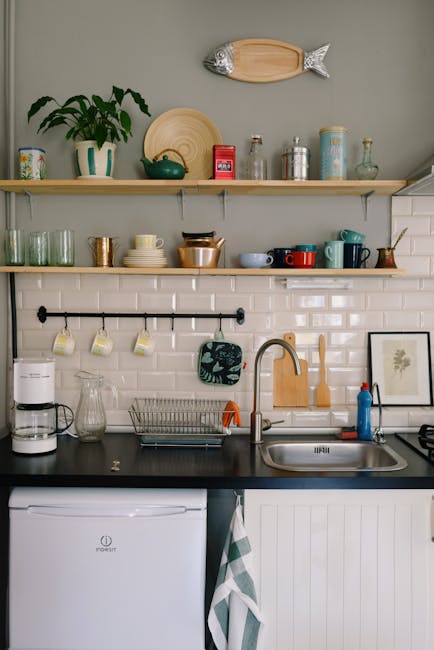
Imagine stepping into a kitchen that not only meets your culinary needs but also feels like the heart of your home. It's where you whip up meals, share laughter with loved ones, and perhaps even find a little peace in the chaos of life.
A well-designed kitchen isn't just about aesthetics; it's about creating a space that works for you. But what are the essential elements that transform a regular kitchen into a functional masterpiece? We'll explore the must-haves in kitchen design that can elevate your cooking space from ordinary to extraordinary.
Whether you're planning a renovation or simply dreaming of a future upgrade, these insights will ensure your kitchen is both practical and beautiful. Ready to discover the secrets to a perfect kitchen? Let's dive in and transform your culinary dreams into reality.
Ergonomic Layout
Designing a kitchen with an ergonomic layout enhances comfort and efficiency. This layout reduces unnecessary movement, making cooking and cleaning a breeze. It focuses on ease of use, minimizing strain during daily tasks. A well-thought-out ergonomic kitchen layout can significantly improve your cooking experience.
Work Triangle Concept
The work triangle concept is a cornerstone of ergonomic kitchen design. It connects the stove, sink, and refrigerator in a triangle layout. This arrangement minimizes steps between these key areas. It ensures a smooth flow of movement while cooking. The idea is to keep these points close, but not too cramped.
Zoning For Efficiency
Zoning organizes the kitchen into specific areas based on tasks. This means placing related items together. For example, store pots near the stove. Keep plates close to the dishwasher. This thoughtful arrangement saves time and energy. It allows for a more seamless cooking process.
Quality Materials
Quality materials are essential in kitchen design. They ensure durability and enhance aesthetics. Choosing the right materials can make a kitchen last longer. It also makes daily tasks easier and more enjoyable. Quality materials can withstand wear and tear. They offer both functionality and style. Investing in quality materials is a smart choice for any homeowner.
Durable Countertops
Countertops face daily use. They need to be strong and durable. Granite and quartz are popular choices. They resist scratches and stains. These materials offer a sleek look. They also add value to the home. Solid surfaces are easy to clean. This makes them ideal for busy kitchens.
Resilient Flooring
Kitchen floors endure heavy traffic. They must be resilient and long-lasting. Vinyl and ceramic tiles are excellent options. They resist moisture and are easy to maintain. These materials offer various designs. They can match any kitchen style. Hardwood flooring is also a timeless choice. It provides warmth and elegance.
Smart Storage Solutions
Efficient kitchen design demands smart storage solutions to keep everything organized. Utilize pull-out drawers and hanging racks to maximize space. This ensures easy access to utensils and ingredients, making cooking a breeze.
Smart storage solutions can transform your kitchen space. They maximize functionality. They keep everything organized. With clever designs, every inch of space is optimized. This allows for easy access and reduces clutter. Smart storage ensures your kitchen stays tidy and efficient. Here are a few must-have storage solutions.
Pull-out Drawers
Pull-out drawers are a must-have. They provide easy access to items. You can reach the back without straining. They keep pots, pans, and utensils organized. These drawers make cooking a breeze. They save time and reduce effort.
Vertical Storage Options
Vertical storage is perfect for small kitchens. It uses wall space efficiently. Shelves can store spices, jars, and dishes. Hooks can hold mugs and utensils. Vertical solutions keep counters clear. They make your kitchen feel spacious.
Efficient Appliances
Modern kitchens benefit from efficient appliances. These essentials save time and energy. Choose energy-saving refrigerators, dishwashers, and ovens. Smart features enhance functionality. Sleek designs complement any style. Transform your kitchen with smart choices.
Designing a kitchen isn't just about aesthetics; it's about creating a space that works for you. Efficient appliances play a crucial role in achieving this. They not only save you time but also reduce energy consumption, making your kitchen more sustainable and cost-effective. Let's dive into some must-have features in efficient appliances that can transform your cooking space.
Energy-efficient Models
Choosing energy-efficient models can make a significant difference in your home's energy bills. Modern appliances come with energy ratings that help you understand their efficiency. Look for appliances with ENERGY STAR labels, which indicate they meet strict energy performance standards. Imagine reducing your electricity bill just by swapping out your old fridge for a new, energy-saving one. It's a win-win for both your wallet and the environment. Plus, these appliances often come with smart technology that optimizes their performance and further cuts down energy use.
Built-in Versatility
Versatility in kitchen appliances means more than just multifunctionality. It's about having equipment that adapts to your cooking style and needs. Take ovens with built-in air fryers or microwaves that double as convection ovens—these are perfect examples of versatile appliances. Having such appliances can save you space and money, eliminating the need for multiple gadgets. My friend recently upgraded her kitchen with a versatile cooktop that features interchangeable griddles and grills. She now enjoys a seamless cooking experience without cluttering her counters. Are your current appliances meeting your needs, or is it time for an upgrade? Investing in efficient appliances is a step towards a more functional and enjoyable kitchen. Consider what features would make your cooking routine smoother and more sustainable. Your future self will thank you for making the smart choice today.
Lighting Design
Lighting design in kitchens is crucial for functionality and style. It enhances the overall mood and makes tasks easier. A well-lit kitchen improves safety and aesthetics. Let's explore essential lighting types that elevate your kitchen.
Task Lighting
Task lighting provides focused light where it is needed most. It is perfect for countertops, where food preparation happens. Under-cabinet lights are ideal for this purpose. They illuminate workspaces without shadows. Pendant lights work well over islands and breakfast bars. Choose adjustable fixtures for flexibility. Task lighting ensures you see clearly while cooking.
Ambient Lighting
Ambient lighting creates a warm, inviting atmosphere. It fills the kitchen with soft, even light. Ceiling fixtures like chandeliers or recessed lights suit this need. Dimmers add control to adjust brightness. Ambient lighting is the foundation of your kitchen's illumination. It provides comfort and enhances the room's ambiance. A well-designed ambient light scheme welcomes guests and family.
Ventilation Systems
Ventilation systems are the unsung heroes of kitchen design. They ensure your cooking space remains fresh, clean, and free from odors. A well-designed ventilation system can transform your kitchen experience, making it both functional and inviting.
Range Hoods
Range hoods are essential for removing smoke and steam from your kitchen. They come in various styles and sizes, like wall-mounted, under-cabinet, and island hoods. Choosing the right type depends on your kitchen layout and cooking habits.
Consider a range hood with a powerful fan and adjustable speed settings. This allows you to control the airflow based on your cooking needs. Imagine sautéing garlic without your kitchen smelling like it for days!
Think about the aesthetic appeal as well. A stylish range hood can become a focal point in your kitchen, adding both functionality and design flair.
Air Circulation
Proper air circulation is crucial for maintaining a fresh kitchen environment. It helps in dispersing heat and odors quickly, ensuring your kitchen remains comfortable.
Fans or windows strategically placed can drastically improve air flow. If you've ever felt suffocated in a kitchen during a cooking marathon, you'll understand the importance of good air circulation.
Have you considered the impact of cooking odors on your home's overall ambiance? Efficient air circulation can prevent them from spreading throughout your house.
Think about how air circulation influences your cooking experience. A well-ventilated kitchen can make cooking more enjoyable and less stressful.
Are you maximizing the potential of your kitchen's ventilation system? Evaluate your current setup and see if these must-haves can make a difference.
Safety Features
Essential safety features in kitchen design include slip-resistant flooring and strategically placed smoke detectors. Childproof locks on cabinets ensure safety for families with young children. Proper ventilation reduces risks from smoke and gases.
Designing a kitchen is not just about aesthetics and functionality; it's also about ensuring safety for everyone in the household. A well-thought-out kitchen design incorporates essential safety features that protect you and your loved ones from potential hazards. From preventing slips to keeping little fingers safe, these features are crucial for a worry-free cooking environment.
Childproofing Elements
In homes with young children, childproofing the kitchen is a top priority. You might think an organized kitchen is enough, but curious toddlers can reach surprising heights and open cabinets with ease. Installing safety latches on drawers and cabinets can prevent them from accessing harmful items like sharp utensils or cleaning products. Consider using stove knob covers to stop tiny hands from turning on burners. It's a simple step that can avert accidents and give you peace of mind. Do you remember a time when you turned your back for just a second, only to find your child reaching for something dangerous? These small changes can make all the difference.
Slip-resistant Surfaces
Kitchens can become slippery with spills or during mopping, increasing the risk of falls. Choosing slip-resistant flooring materials like textured tiles or vinyl can help mitigate this risk. A floor that provides good traction, even when wet, is a smart investment in your family's safety. Area rugs with non-slip backing can add style while preventing slips. However, ensure they are placed away from high-traffic zones to avoid tripping hazards. Have you ever experienced that heart-stopping moment when you nearly slipped? A thoughtful floor choice can prevent those scares. Ensuring your kitchen is safe doesn't have to be overwhelming. What changes can you make today to enhance safety in your kitchen design?
Aesthetic Appeal
Creating a kitchen that marries functionality with aesthetic appeal is crucial. A visually pleasing kitchen enhances the cooking experience. It reflects personal style and comfort. Simple design choices can transform a space. Let's explore some essential elements that boost a kitchen's aesthetic appeal.
Color Schemes
Choosing the right color scheme sets the mood. Neutral tones offer calmness and elegance. Bright colors add energy and vibrancy. Consider the size of your kitchen when selecting colors. Light colors can make small spaces feel larger. Dark hues provide a cozy, intimate vibe. Balance is key. Too many colors can overwhelm. Stick to a main color with one or two accents.
Decorative Accents
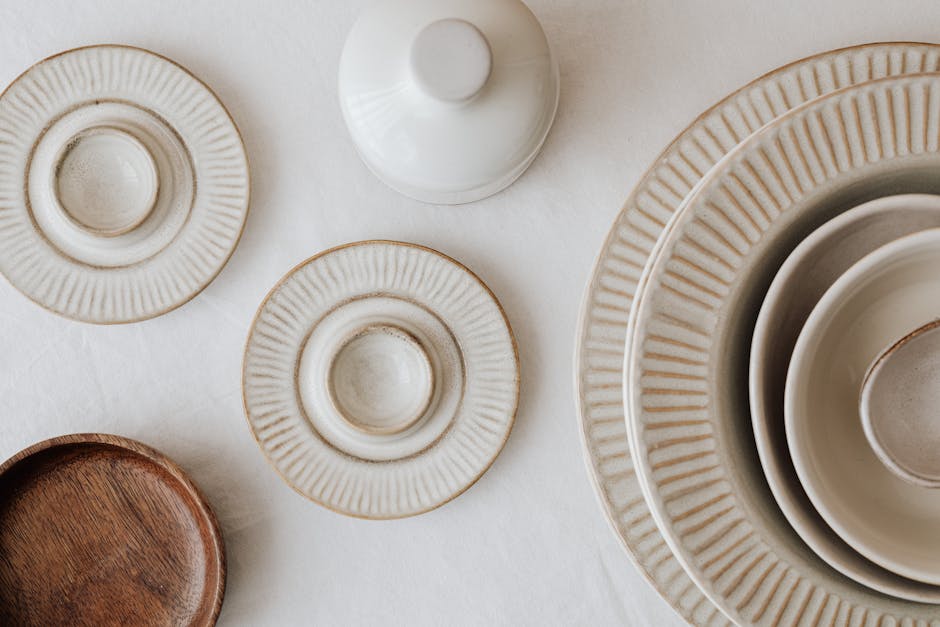
Decorative accents personalize your kitchen. They add charm and character. Think about art, vases, or decorative bowls. Place items that reflect your personality. Open shelves can display your favorite pieces. Choose accents that complement your color scheme. Use textures like wood or metal to add depth. Simple touches can create a welcoming atmosphere. Keep it clutter-free to maintain visual appeal.
Sustainable Choices
Creating a sustainable kitchen benefits the planet and your home. Adopting eco-friendly choices reduces waste and conserves resources. Let's explore some key sustainable elements for kitchen design.
Eco-friendly Materials
Choose materials that are renewable and recyclable. Bamboo and recycled wood are excellent options. They add a natural touch and have a lower environmental impact. Consider countertops made of recycled glass. They provide a unique look and are durable.
Use non-toxic finishes on cabinets and furniture. This ensures better indoor air quality. Opt for paints with low or zero volatile organic compounds. These choices create a healthier kitchen space.
Water-saving Fixtures
Install fixtures that use less water without compromising performance. Low-flow faucets and aerators reduce water usage significantly. They maintain strong water pressure while saving water.
Consider a dual-flush toilet for the kitchen area. It offers different flushing options for liquids and solids. This can save gallons of water every day. Choose dishwashers with high energy and water efficiency ratings. These appliances use less water and energy per load.
Frequently Asked Questions
What Are Essential Kitchen Design Elements?
Essential kitchen design elements include efficient layout, ample storage, quality lighting, and durable surfaces. Consider functionality and aesthetics to create a space that is both practical and visually appealing. Prioritize organization with cabinets and drawers while ensuring easy access to appliances and utensils.
How Can Lighting Enhance Kitchen Design?
Lighting enhances kitchen design by improving visibility and creating ambiance. Use layered lighting, including task, accent, and ambient lighting. Proper lighting highlights features and ensures safety, especially for cooking and food preparation areas. Choose fixtures that complement the design style for a cohesive look.
Why Is Storage Important In A Kitchen?
Storage is important in a kitchen to keep it organized and clutter-free. Adequate storage solutions allow easy access to utensils and appliances. Consider cabinets, shelves, and drawers that maximize space. Efficient storage contributes to a functional and aesthetically pleasing kitchen environment.
How Do Materials Impact Kitchen Design?
Materials impact kitchen design by influencing durability and style. Choose materials that are easy to clean and maintain. Durable countertops, backsplashes, and flooring enhance functionality and longevity. Opt for materials that complement the overall aesthetic, ensuring a cohesive and appealing kitchen design.
Conclusion
A well-designed kitchen boosts both function and style. Key elements matter. Think about lighting, storage, and layout. Choose durable materials for longevity. Prioritize comfort and ease of use. Colors and finishes should reflect your taste. Appliances need careful selection for efficiency.
A smart kitchen design enhances daily life. It also adds value to your home. Remember, even small changes can make a big impact. So, focus on what truly works for you. A thoughtful design ensures a kitchen you’ll love for years.