
Imagine walking into your commercial kitchen and being greeted by the sparkle of spotless surfaces and the fresh scent of cleanliness. Feels like a dream, right?
But achieving this requires more than just daily tidying up. It demands a thorough, deep clean. You might be wondering, how often should your commercial kitchen be deep cleaned to maintain that pristine condition and ensure the safety and satisfaction of your patrons?
In this blog post, we’ll dive into the essential factors that determine the frequency of deep cleaning in a commercial kitchen. You'll discover the secrets to not only meeting health regulations but also creating an inviting atmosphere that keeps customers coming back. Stick with us, and you'll uncover the keys to keeping your kitchen in top shape, protecting your brand’s reputation, and ultimately boosting your bottom line. Ready to transform your kitchen into a beacon of hygiene and efficiency? Let's get started.
Importance Of Deep Cleaning
Deep cleaning a commercial kitchen is not just a routine task; it's a crucial step in maintaining a safe and efficient environment. The importance of deep cleaning goes beyond aesthetics. It plays a significant role in health, safety, and compliance. Think about the last time you walked into a restaurant kitchen. Did you notice how spotless everything was? That level of cleanliness doesn't happen by accident; it requires regular and thorough cleaning.
Importance Of Health And Safety
Deep cleaning significantly reduces the risk of foodborne illnesses. A clean kitchen minimizes bacteria and germs that can contaminate food. You wouldn't want your customers to fall sick, would you? Regular deep cleaning ensures that all surfaces, equipment, and utensils are sanitized and safe. This practice protects both your staff and patrons from potential health hazards.
Compliance With Regulations
Health inspections can be stressful. Wouldn't it be easier if you knew your kitchen was always inspection-ready? Regulations demand high standards of cleanliness. Deep cleaning ensures you meet these requirements consistently. It prevents costly fines and reputational damage associated with non-compliance. Imagine the peace of mind knowing you're always prepared for an unexpected inspection.
Prolonging Equipment Lifespan
Your kitchen equipment is a significant investment. Regular deep cleaning extends its lifespan. Grease and grime buildup can lead to equipment malfunction. Keeping everything clean prevents unnecessary wear and tear. This saves you from frequent repairs or replacements, helping you manage costs effectively.
Enhancing Efficiency
A clean kitchen is an efficient kitchen. Staff can work better when everything is spotless and organized. Imagine trying to cook in a cluttered, dirty space. It's frustrating, right? Deep cleaning helps maintain order and reduces clutter, allowing for smoother operations. It boosts morale and productivity, leading to better service delivery.
Building Customer Trust
Customers notice cleanliness. A well-maintained kitchen builds trust and confidence in your brand. Would you eat in a place that looks unkempt and dirty? The impression of a clean kitchen extends to the dining area, enhancing customer satisfaction. When customers trust your establishment, they're likely to return and recommend it to others.
How often do you deep clean your commercial kitchen? If you're not doing it regularly, consider the impact on health, compliance, equipment, efficiency, and customer trust. Deep cleaning isn't just a chore; it's an investment in your business's success.

Credit: www.sparklymaidmiami.com
Health And Safety Regulations
Maintaining a clean commercial kitchen is not just about appearances; it's crucial for health and safety. Regulations exist to protect both employees and customers from foodborne illnesses and accidents. These standards dictate how often deep cleaning should occur, ensuring that kitchens remain safe and hygienic.
Understanding Health And Safety Regulations
Health and safety regulations for commercial kitchens are designed to prevent contamination and ensure food safety. These rules require regular deep cleaning to eliminate harmful bacteria and reduce the risk of food poisoning.
Compliance with these regulations means understanding the specific requirements in your area. Local health departments often provide guidelines on cleaning frequency and procedures.
Why Regular Deep Cleaning Matters
Regular deep cleaning is essential to comply with health regulations. It involves more than just wiping surfaces; it includes cleaning areas that are often overlooked, such as behind appliances and inside ventilation systems.
Neglecting deep cleaning can lead to health violations and fines. It's not just about avoiding penalties; it's about ensuring a safe environment for everyone.
Setting Up A Cleaning Schedule
Creating a cleaning schedule helps you stay on top of health regulations. Your schedule should include daily, weekly, and monthly tasks to ensure thorough cleaning.
A well-planned schedule not only keeps your kitchen compliant but also improves efficiency. It allows staff to know exactly what needs to be done and when.
Practical Tips For Compliance
- Train Your Staff:Proper training ensures everyone understands the importance of cleaning.
- Use Checklists:Checklists are a practical tool to ensure no area is overlooked during cleaning.
- Invest in Quality Supplies:Quality cleaning supplies make the job easier and more effective.
Personal Experience: Learning The Hard Way
Once, I managed a kitchen that overlooked deep cleaning behind large appliances. We were flagged during a health inspection and had to scramble to comply with regulations. This taught me the importance of regular deep cleaning and the need for a solid plan.
Engaging Your Staff
How do you motivate your staff to follow cleaning protocols diligently? Incentives and clear communication can make a big difference in their engagement.
Consider holding regular meetings to discuss cleaning standards and reward teams for maintaining compliance. It's a simple way to ensure everyone is invested in keeping the kitchen safe.
Final Thoughts
Are you confident that your kitchen meets health and safety regulations? Taking proactive steps to ensure regular deep cleaning is vital.
Remember, a clean kitchen isn't just about compliance; it's about providing a safe space for everyone who walks through your doors.
Factors Influencing Cleaning Frequency
Commercial kitchens need deep cleaning regularly. Factors like kitchen size, food type, and usage frequency matter. High-traffic kitchens might need weekly cleaning, while smaller ones require monthly attention.
Understanding how often a commercial kitchen should be deep cleaned can be a bit tricky. Several factors come into play when deciding the cleaning frequency. Knowing these factors helps maintain a safe and efficient kitchen environment. Let's dive into the key elements that can influence how often you need to roll up your sleeves and get scrubbing.
Type Of Cuisine
The type of cuisine your kitchen serves plays a significant role in determining cleaning frequency. If your menu includes greasy foods like fried chicken or bacon, you'll likely find grease buildup happening faster. A personal experience from my friend's BBQ restaurant taught me that the more oil you use, the more often you'll need to deep clean. Less greasy cuisines might allow for less frequent deep cleaning, but don't let that be an excuse to slack off.
Volume Of Business
High-volume kitchens need more frequent deep cleaning. If your restaurant is bustling with activity, expect spills, splatters, and debris to accumulate rapidly. Picture a busy Friday night; each dish adds to the chaos. Regular customers can mean regular messes, so adjust your cleaning schedule accordingly. A quieter spot might get away with less frequent cleaning, but it's essential to remain vigilant.
Kitchen Layout And Equipment
How your kitchen is set up can impact cleaning needs. Tight spaces and complex equipment designs can hide dirt and grease, making them harder to clean. When I worked in a compact kitchen, we found that corners and crannies were grease magnets. On the other hand, open layouts with easy-access equipment might require less frequent deep cleaning. Consider whether your layout makes cleaning easy or challenging—this should guide your cleaning schedule. Every kitchen is unique, and so are its cleaning needs. How often do you think your kitchen should be deep cleaned based on these factors? Don't just guess—let these insights guide you to ensure your kitchen stays spotless and safe.
Recommended Cleaning Schedules
Maintaining a clean commercial kitchen is crucial for health and safety. A structured cleaning schedule ensures hygiene and efficiency. Regular cleaning prevents the build-up of grime and bacteria. Adhering to recommended cleaning schedules keeps equipment in top condition. This also reduces the risk of health code violations.
Daily Cleaning Tasks
Daily tasks keep the kitchen running smoothly. Wipe down all surfaces. Clean grills, fryers, and ovens. Sweep and mop floors to remove debris. Sanitize cutting boards and utensils. Empty trash bins and replace liners. Ensure sinks are scrubbed and disinfected. This routine prevents cross-contamination and ensures food safety.
Weekly Cleaning Tasks
Weekly cleaning targets deeper areas. Clean refrigerators and freezers. Remove expired items and wipe shelves. Scrub hood filters and vents. Check for grease build-up. Wash walls and doors to remove splatters. Polish stainless steel surfaces. Inspect and clean light fixtures. Keep your kitchen sparkling.
Monthly Deep Cleaning Tasks
Monthly tasks require more effort. Empty and clean entire storage areas. Deep clean ovens, including racks and trays. Descale coffee machines and kettles. Inspect and clean exhaust fans. Check for pest infestations. Clean and sanitize drains to prevent clogs. This deep cleaning ensures a safe environment.
Signs Your Kitchen Needs A Deep Clean
A commercial kitchen must maintain high standards of cleanliness. Regular cleaning keeps the environment safe and healthy. Sometimes, a deep clean is needed to meet these standards. But how do you know when it's time? Certain signs indicate your kitchen requires a deep clean. Let's explore these signs.
Unpleasant Odors Linger
Notice a persistent smell in your kitchen? This could be a sign. Odors often come from grease build-up or hidden food debris. A deep clean can eliminate these odors.
Grease And Grime Buildup
Grease is common in commercial kitchens. Over time, it can build up on surfaces. Check walls, floors, and appliances. If they feel sticky, it's time for a deep clean.
Visible Mold Or Mildew
Mold and mildew are health hazards. They thrive in damp areas. Look under sinks and in corners. Spot any mold? A deep cleaning session is necessary.
Clogged Drains And Slow Water Flow
Water should flow smoothly in your kitchen. Slow drainage can signal a problem. Food particles and grease may clog pipes. A deep clean can help clear them.
Decline In Equipment Performance
Kitchen equipment should work efficiently. Notice a change in performance? Grease and dirt might be affecting the machinery. Deep cleaning can restore functionality.
Employee Or Customer Complaints
Complaints can point to a problem. Listen to staff and customers. If they mention cleanliness issues, act quickly. A deep clean can address concerns and improve satisfaction.
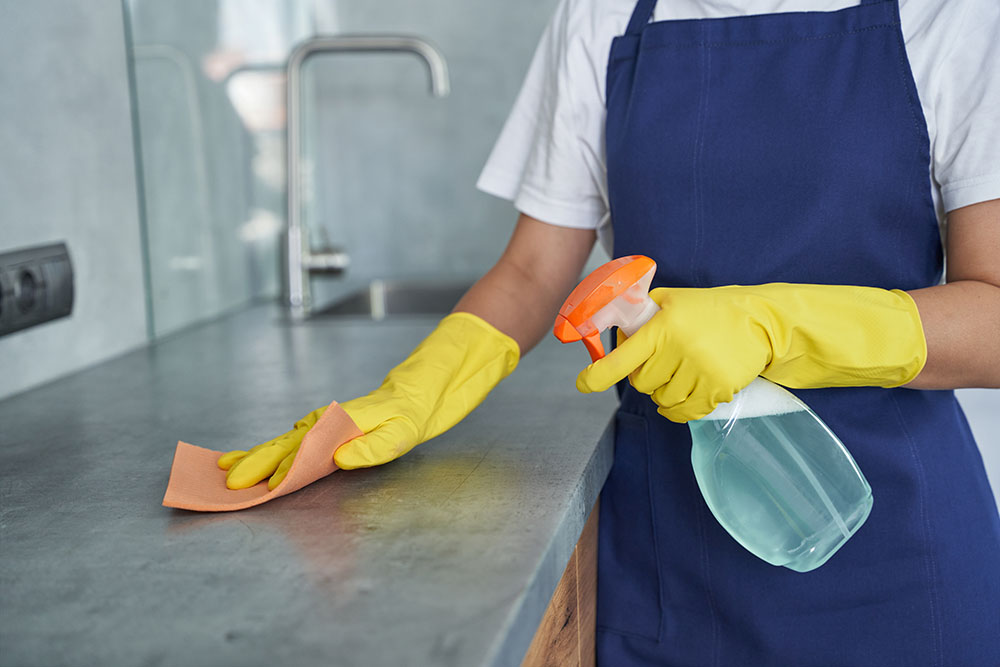
Credit: www.icecleaning.co.uk
Choosing Professional Cleaning Services
Commercial kitchens need deep cleaning regularly to ensure safety and hygiene. Most experts recommend a deep clean every three months. This helps maintain equipment efficiency and prevents health violations.
Maintaining a spotless commercial kitchen is not just about aesthetics; it's about safety and hygiene. Deep cleaning can be a daunting task, which is why many businesses turn to professional cleaning services. But how do you determine if this is the right choice for your kitchen?
Benefits Of Hiring Professionals
Hiring professionals for your kitchen's deep cleaning can save you time and stress. Professionals bring specialized equipment and cleaning agents that ensure a thorough job. They know which areas are often overlooked and understand health regulations, minimizing your risk of compliance issues. Do you ever find it hard to reach those nooks and crannies? Professionals don't just clean what you can see; they tackle hidden grime and grease. Their expertise can extend the life of your kitchen equipment, saving you money in the long run.
How To Select A Cleaning Company
Choosing the right cleaning company is crucial for optimal results. Start by checking reviews and asking for recommendations from other businesses. A company with a strong reputation is more likely to provide quality service. Consider the company's experience in the industry. Are they familiar with the specific needs of commercial kitchens? Ask about their cleaning process and products to ensure they align with your kitchen's needs and safety standards. Request a detailed quote. A good company will offer a transparent pricing structure with no hidden fees. By taking these steps, you can ensure your kitchen remains a safe and efficient space for your culinary creations. Have you ever thought about what it takes to keep your kitchen running smoothly? Choosing the right cleaning service could be a game-changer for your business.
Diy Deep Cleaning Tips
Commercial kitchens require deep cleaning every three months. Regular cleaning prevents grease buildup and ensures food safety. Schedule professional services for thorough cleaning.
Keeping a commercial kitchen spotless is not just about maintaining appearances—it's crucial for health and safety. If you’re considering doing a deep clean yourself, you might wonder where to start. Here are some DIY deep cleaning tips to help you tackle the task efficiently and effectively.
Essential Tools And Supplies
Before you roll up your sleeves, gather all necessary tools and supplies. A sturdy pair of gloves and a face mask are a must for protection. Equip yourself with scrub brushes, microfiber cloths, and a heavy-duty vacuum. Cleaning agents are crucial. Use food-safe degreasers and sanitizers. Ensure you have a mop and a bucket handy for floor cleaning. Having these supplies ready makes the process smoother and less stressful.
Step-by-step Cleaning Process
Start by organizing your cleaning tasks. Divide the kitchen into sections—prep areas, cooking stations, and storage. This approach ensures nothing is overlooked. Begin with the dirtiest areas first. Scrub down cooktops and ovens with a degreaser. Don’t forget the hoods and filters; they catch a lot of grime. Cleaning them not only improves hygiene but also enhances ventilation. Move to the prep areas. Wipe down surfaces with a sanitizer. Pay close attention to corners and crevices. They often hide dirt and bacteria. Finish with the floors. Sweep and then mop with a disinfectant solution. Remember, a clean floor reduces slip hazards and keeps the entire kitchen fresh. How do you feel about tackling such a task? It can be rewarding to see your kitchen shine. Just remember, regular deep cleaning keeps your kitchen safe and efficient. Are you ready to give your kitchen the care it deserves?
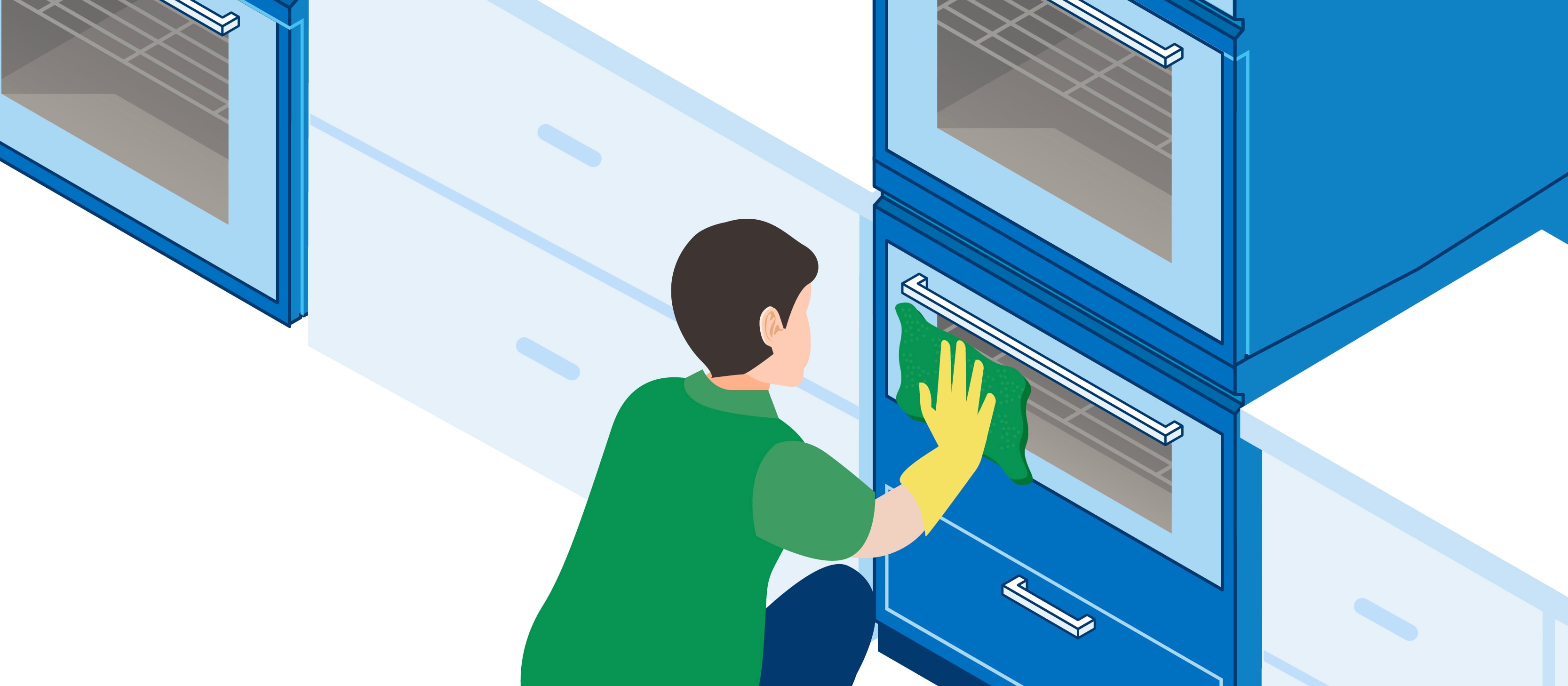
Credit: www.torkglobal.com
Maintaining Cleanliness Standards
Keeping a commercial kitchen clean is essential. It ensures health and safety. Regular cleaning prevents contamination and foodborne illnesses. A clean kitchen also maintains a good reputation. Customers trust places with high cleanliness standards. Deep cleaning goes beyond daily tasks. It involves thorough cleaning of all areas. This includes hard-to-reach spots. Let's explore how to maintain these standards effectively.
Staff Training And Responsibilities
Well-trained staff know what to clean and how to clean it. Training helps them understand the importance of cleanliness. It should cover cleaning techniques and equipment use. Each team member should know their duties. Assign specific tasks to avoid confusion. Regularly update training sessions. New methods and regulations often arise. Make cleanliness a team responsibility. Everyone should feel involved and accountable.
Implementing A Cleaning Checklist
A cleaning checklist ensures nothing is missed. It provides a clear plan for staff. Checklists should include daily, weekly, and monthly tasks. Daily tasks might include wiping surfaces. Weekly tasks could involve cleaning ovens. Monthly tasks may cover deep cleaning behind appliances. Make the checklist visible to all staff. Review it regularly for updates. A checklist keeps the cleaning process organized and efficient.
Frequently Asked Questions
How Often Should A Kitchen Be Deep Cleaned?
A commercial kitchen should be deep cleaned monthly. This ensures compliance with health standards and prolongs equipment life. Regular deep cleaning helps prevent food contamination and pest infestations. Each kitchen may have specific needs, so assess high-traffic areas and adjust frequency accordingly.
What Areas Require Regular Deep Cleaning?
High-traffic areas like ovens, grills, and ventilation systems need regular attention. These areas accumulate grease and debris quickly. Regular cleaning minimizes fire hazards and ensures efficient operation. Follow manufacturer guidelines for equipment-specific cleaning tasks and prioritize hygiene and safety.
Why Is Deep Cleaning Essential In Kitchens?
Deep cleaning removes stubborn residues and bacteria. It ensures a hygienic food preparation environment and prevents health violations. Regular cleaning improves air quality and equipment performance. It also safeguards your reputation and customer trust. Prioritize deep cleaning to maintain high operational standards.
Can Professional Cleaners Improve Kitchen Hygiene?
Yes, professional cleaners specialize in thorough kitchen cleaning. They use industry-grade products and techniques for effective results. Hiring professionals ensures compliance with health codes and reduces staff workload. They can identify overlooked areas, enhancing overall kitchen safety and cleanliness.
Conclusion
Deep cleaning a commercial kitchen is crucial for safety and hygiene. Regular cleaning prevents bacteria buildup and ensures equipment longevity. Aim to deep clean at least once a month. High-traffic kitchens may need more frequent cleaning. Always prioritize cleanliness to protect your customers and staff.
A clean kitchen means better food quality and fewer health risks. Invest in proper cleaning schedules to maintain standards. Keep your kitchen clean and efficient. Regular checks and balances help in maintaining a pristine environment. Remember, a clean kitchen is a successful one.
Cleanliness should always be a top priority.