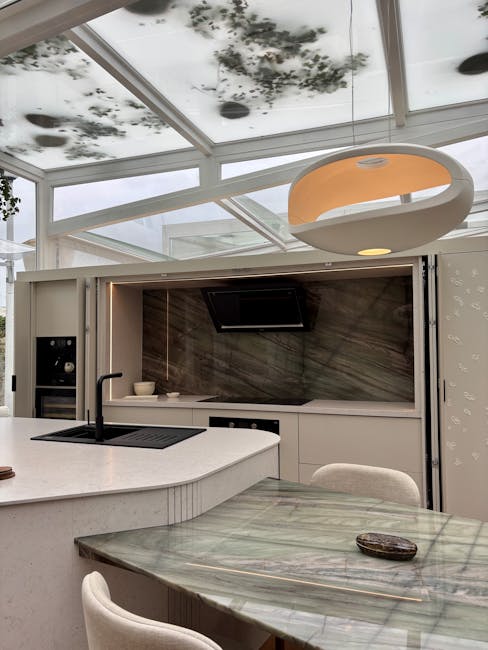
Imagine walking into your kitchen and feeling an instant sense of joy and efficiency. This is the magic of a well-designed kitchen layout.
If you’ve ever found yourself juggling pots and pans while trying to navigate a cramped or chaotic kitchen, it's time for a change. Designing your kitchen layout is not just about aesthetics; it's about creating a space that works for you and your lifestyle.
Whether you’re a culinary novice or a seasoned chef, the right layout can transform your cooking experience. In this guide, you'll discover the secrets to designing a kitchen that not only looks stunning but also functions seamlessly. We'll explore practical tips and tricks that cater to your needs, helping you to create a kitchen that is both beautiful and efficient. So, get ready to unlock the potential of your kitchen and turn it into the heart of your home. Keep reading to find out how you can achieve the perfect balance of form and function in your kitchen design.
Assessing Your Space
Designing a kitchen layout begins with understanding your space. This step is crucial for creating a functional and beautiful kitchen. Proper assessment ensures that your design fits well and meets your needs. Let's explore how to assess your kitchen space effectively.
Measuring Dimensions
Start by measuring your kitchen's length and width. Record these measurements accurately. Use a tape measure for precision. Note the height of the walls. Include doorways and windows in your measurements. This helps in planning the placement of cabinets and appliances.
Identifying Structural Constraints
Examine your kitchen for structural constraints. Look for walls that cannot be moved. Identify support beams and columns. These elements limit layout changes. Plan around these constraints for a seamless design. Consider the placement of plumbing and electrical outlets.
Evaluating Natural Light
Observe the natural light in your kitchen. Note where the sunlight enters. This affects the brightness and warmth of your space. Decide where to place windows or skylights. Natural light enhances the ambiance. It also reduces the need for artificial lighting.
Choosing A Layout Style
Designing your kitchen layout is crucial for functionality and aesthetics. Choosing the right style can make all the difference. Each layout style offers unique benefits. Let’s explore popular options to find the best fit for your space.
Galley Kitchen Layout
The galley kitchen layout is efficient for small spaces. It features two parallel counters. This design maximizes storage and workspace. Movement between areas is simple. It's ideal for one or two cooks. Small kitchens benefit from its compactness. Cabinets and appliances line both walls. This setup provides lots of storage.
L-shaped Kitchen Layout
The L-shaped kitchen layout is versatile and spacious. Counters form an 'L' shape. This layout fits in corner spaces. It allows for flexible cooking zones. There's room for dining or additional seating. It’s great for open floor plans. Two adjacent walls provide ample counter space. This style encourages social interaction.
U-shaped Kitchen Layout
The U-shaped kitchen layout offers abundant counter space. It wraps around three walls. This design is ideal for large families. It supports multiple cooking zones. Storage space is plentiful. Cooks enjoy easy access to everything. This layout creates a cozy cooking nook. It works well in larger areas.
Open Concept Kitchen
The open concept kitchen promotes interaction. It connects with living spaces. This layout is airy and spacious. Walls are minimized for better flow. Natural light fills the area. It’s perfect for entertaining guests. You can cook and socialize simultaneously. Open shelving enhances the visual appeal. This style suits modern homes.
Optimizing Work Zones
Optimizing work zones in your kitchen layout is crucial for efficiency. A well-planned kitchen can save time and effort during meal preparation. It ensures everything is within easy reach and minimizes unnecessary movement. Let's explore some key concepts to help you design an effective kitchen layout.
The Work Triangle Principle
The work triangle principle is foundational in kitchen design. It connects the sink, stove, and refrigerator. Ideally, these three areas form a triangle. This arrangement reduces walking distance between tasks. It streamlines cooking and cleaning processes. Ensure each side of the triangle is between 4 and 9 feet. This provides a balance between space and accessibility.
Efficient Storage Solutions
Efficient storage is essential for a functional kitchen. Cabinets should be within easy reach. Use pull-out shelves for better accessibility. Consider vertical storage to maximize space. Store frequently used items in accessible places. This reduces time spent searching for utensils and ingredients. Organize items logically for a smoother workflow.
Placement Of Appliances
Placement of appliances affects kitchen efficiency. Place the refrigerator near the kitchen entrance. This allows easy access for unloading groceries. The stove should be central for cooking convenience. Keep the dishwasher close to the sink for easy dishwashing. Ensure there's ample counter space near each appliance. This supports meal preparation and cleanup.
Selecting Materials And Finishes
Choosing the right materials and finishes can shape your kitchen’s style and functionality. Cabinets, countertops, and floors should complement each other. Durable materials are essential for long-lasting use. Consider easy-to-clean surfaces for a practical and welcoming kitchen space.
Selecting the right materials and finishes for your kitchen can transform the space. Materials and finishes define the kitchen's look and functionality. They impact durability and maintenance. Choosing wisely enhances both style and utility.
Countertop Options
Countertops are the workhorses of your kitchen. Granite offers a timeless look and is very durable. It's resistant to heat and scratches. Quartz provides a sleek, modern finish and is easy to maintain. It's non-porous, which means fewer stains. Laminate is budget-friendly and comes in various colors and patterns. It's lightweight and easy to install.
Cabinet Styles
Cabinets define the kitchen's personality. Shaker cabinets are simple and versatile. They fit both modern and traditional kitchens. Flat-panel cabinets offer a clean, minimalist look. They suit contemporary designs. Glass-front cabinets add elegance and showcase your dishware. They also make small kitchens feel larger.
Flooring Choices
Kitchen flooring needs to be durable and easy to clean. Hardwood brings warmth and beauty. It's long-lasting and can be refinished. Tile is water-resistant and comes in many styles. It's perfect for busy kitchens. Vinyl is cost-effective and soft underfoot. It mimics the look of wood or stone.
Incorporating Modern Technology
Explore modern technology to enhance your kitchen layout. Smart appliances and efficient designs simplify cooking and storage. Digital planners help visualize and organize spaces for a functional kitchen.
Designing a kitchen layout involves more than just arranging cabinets and appliances. Today’s kitchens are smart, efficient, and sustainable, thanks to modern technology. Embracing these advancements can transform your kitchen into a functional and futuristic space. Let's dive into how you can add modern technology into your kitchen design.
Smart Appliances
Smart appliances can make your kitchen more efficient and user-friendly. Imagine a refrigerator that notifies you when you’re out of milk, or an oven that you can preheat from your smartphone. These appliances save time and reduce hassle. Consider investing in a smart assistant to manage tasks with voice commands. You can set timers, convert measurements, or even find recipes hands-free. This adds convenience and streamlines your cooking process. Think about your lifestyle. If you love coffee, a smart coffee maker can brew your perfect cup as soon as you wake up. Tailor the technology to fit your daily routine.
Lighting Innovations
Lighting plays a crucial role in your kitchen’s ambiance and functionality. With smart lighting, you can adjust brightness and color to suit different times of the day or occasions. This flexibility enhances both cooking and dining experiences. Consider installing under-cabinet LED lights. These provide focused illumination on countertops, making food preparation easier. Plus, they add a sleek, modern look to your kitchen. Motion-sensor lights are a great addition for energy efficiency. They automatically turn on when you enter the room and off when you leave. This feature is especially useful if you often have your hands full.
Sustainable Solutions
Integrating sustainable technology helps the environment and can save you money. Energy-efficient appliances consume less electricity, lowering your utility bills. Look for the Energy Star label to ensure you’re choosing the best options. Consider a water-saving dishwasher or faucet. These innovations reduce water usage without compromising performance. It’s a small change that makes a big difference over time. Think about the materials you use in your kitchen. Opt for sustainable options like bamboo flooring or recycled glass countertops. These choices contribute to a more eco-friendly home and add unique character to your space. Incorporating modern technology in your kitchen design can seem overwhelming. But with these practical tips, you can create a space that's efficient, beautiful, and future-ready. What's your vision for a tech-savvy kitchen?
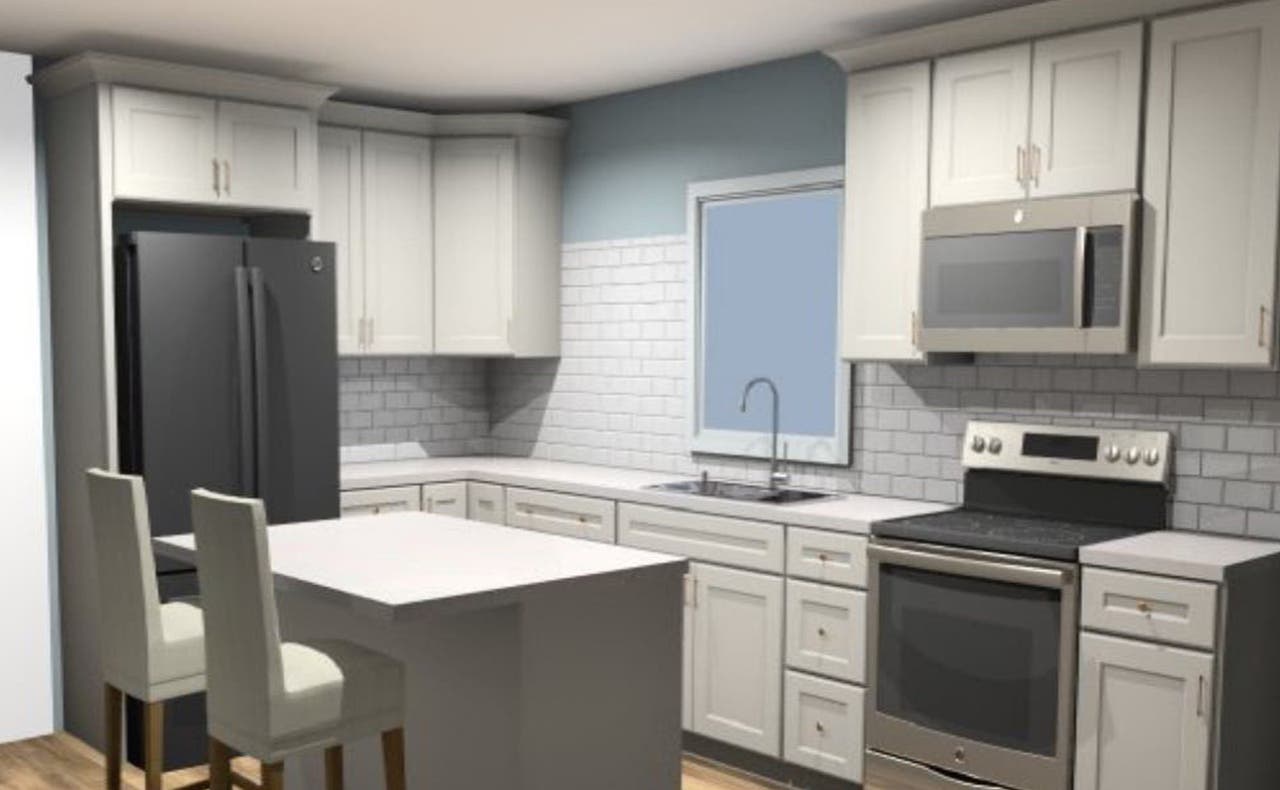
Credit: www.cabinets.com
Creating A Budget Plan
Crafting a kitchen layout involves thoughtful planning to match your needs and space. Allocate funds wisely for cabinets, appliances, and lighting. A clear budget ensures every element fits perfectly into your dream kitchen design.
Designing your kitchen layout can be an exciting journey, but creating a budget plan is crucial for a smooth process. It's easy to get carried away with all the beautiful options available, but a well-thought-out budget will keep your project on track. Let's break down how you can estimate costs, prioritize features, and maintain financial flexibility as you embark on your kitchen design adventure.
Cost Estimation
First, it's essential to get a clear idea of how much your kitchen renovation might cost. Consider the size of your kitchen and the scale of your project. Are you planning a complete overhaul or just a few updates? Gather quotes from different contractors and suppliers. Compare prices for appliances, materials, and labor. Create a simple table to track these estimates. This will help you visualize where your money will go and identify areas where you might save. Here's a quick idea: allocate a percentage of your budget to each aspect of the project. For example, dedicate 40% to cabinets and storage, 20% to appliances, and so on. This provides a structured approach and ensures no element is overlooked.
Prioritizing Features
With a clear cost estimation in hand, it’s time to prioritize. Ask yourself: What features are most important to you? Do you dream of a spacious island, or is top-notch lighting a must? List all potential features and rank them based on necessity and personal preference. This helps in making informed decisions if adjustments are needed later. Remember my friend who prioritized an expensive countertop? She had to cut back on lighting, which she later regretted. Let your priorities guide your spending choices.
Financial Flexibility
Having a budget doesn’t mean being rigid. Allow some room for unexpected expenses. A good rule of thumb is to set aside 10% of your budget for surprises. Think about this: what if you come across a unique tile that perfectly matches your vision but wasn’t part of the original plan? Financial flexibility lets you make those spontaneous decisions without stress. Keep revisiting your budget as the project progresses. This ensures you’re on track and allows adjustments where necessary. Remember, a flexible budget is a stress-free budget. Creating a budget plan isn't just about numbers; it's about crafting a space that fits your lifestyle and dreams. Are you ready to start designing your dream kitchen?
Consulting With Professionals
Designing your kitchen layout can be both exciting and overwhelming. Consulting with professionals can transform your vision into reality, ensuring you make the most of your space. Collaborating with experts not only saves time but also helps avoid costly mistakes. Let's explore how working with professionals can streamline your kitchen design process.
Hiring A Kitchen Designer
Engaging a kitchen designer brings a wealth of experience to your project. They understand the nuances of space planning and can offer creative solutions tailored to your needs. A designer can turn your list of must-haves into a cohesive plan that maximizes functionality and style.
Think about what you want from your kitchen. Is it a space for family gatherings or culinary adventures? A designer can help you prioritize these elements, ensuring your kitchen meets your lifestyle needs.
Hiring a designer might seem like an extra expense, but it often pays for itself through increased efficiency and a kitchen that genuinely suits you. Are you willing to invest in peace of mind and a polished outcome?
Collaborating With Contractors
Contractors bring your kitchen design to life, handling the practical aspects of construction. It's crucial to establish clear communication from the start. Share your vision and any constraints you might have, such as budget or timing.
Regular check-ins with your contractor can prevent misunderstandings and keep the project on track. Have you considered how often you want updates on the progress? This keeps you informed and involved without overwhelming you.
Building a relationship with your contractor can lead to smoother project execution. Are you prepared to work as a team to achieve your dream kitchen?
Seeking Expert Opinions
Sometimes, a second opinion can shed light on overlooked details. Consulting with multiple professionals offers varied perspectives that can refine your design. Have you thought about seeking advice from a trusted friend who recently renovated their kitchen?
Expert opinions can also highlight potential issues before they become problems. This foresight can save time and resources, ensuring a smoother renovation process. Are you open to feedback that might alter your initial plans?
Incorporating expert advice helps you create a kitchen that’s not only beautiful but also practical and enduring. Are you ready to welcome insights that enhance your space?
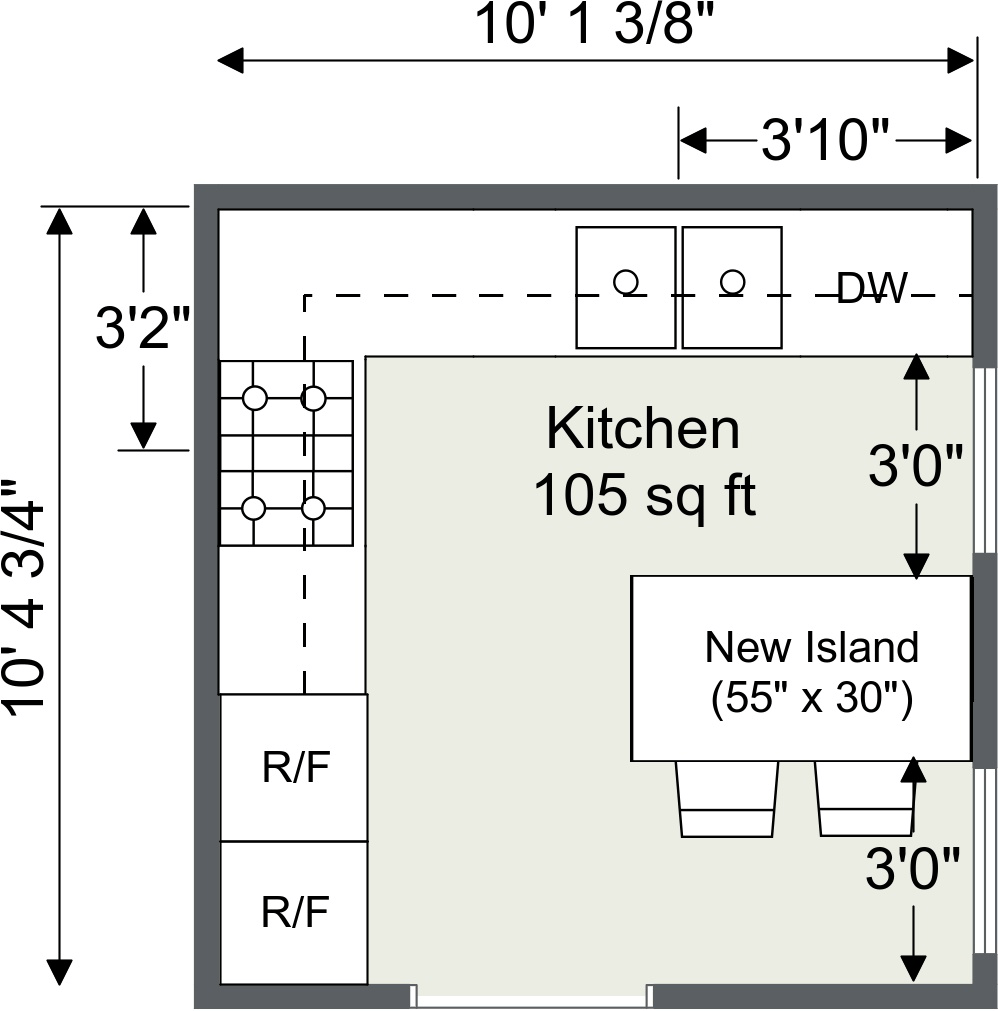
Credit: www.roomsketcher.com
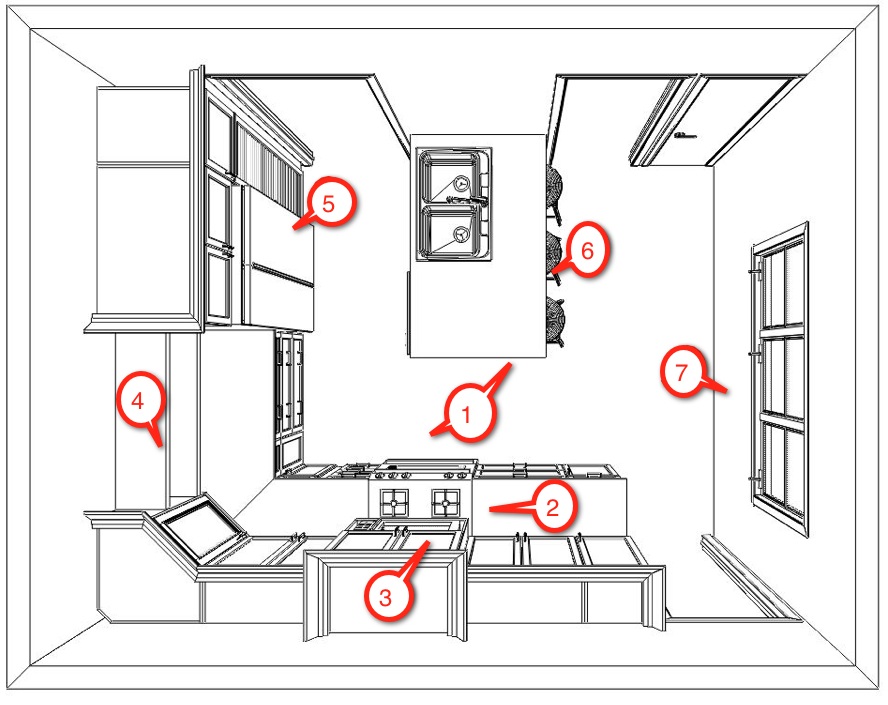
Credit: therenoprojects.com
Frequently Asked Questions
What Is The Best Kitchen Layout Design?
The best kitchen layout depends on your space and needs. Popular choices include L-shaped, U-shaped, and galley designs. Consider workflow efficiency, storage options, and appliances. Analyze your cooking habits and space constraints to determine the ideal layout for your kitchen.
How Can I Maximize Kitchen Space?
To maximize kitchen space, use vertical storage solutions like shelves and cabinets. Consider pull-out drawers and corner cabinets for efficient usage. Incorporate a kitchen island for extra workspace. Optimize appliance placement to create a functional workflow, ensuring every inch of space is utilized effectively.
What Are Key Elements Of Kitchen Design?
Key elements include workflow efficiency, storage solutions, lighting, and aesthetic appeal. Focus on the kitchen triangle—sink, stove, fridge—for smooth movement. Prioritize ample storage with cabinets and drawers. Use proper lighting for functionality and ambiance. Choose materials and colors that reflect your style.
How Do I Choose Kitchen Colors?
Choose kitchen colors based on your style and space. Light colors make small kitchens feel spacious, while dark hues add drama to larger areas. Consider neutral tones for versatility. Add pops of color with accessories or wall accents to create a lively and inviting atmosphere.
Conclusion
Designing your kitchen layout can be simple and fun. Focus on functionality. Keep pathways clear and appliances accessible. Think about your cooking habits and storage needs. Choose a style that matches your taste. Consider lighting and ventilation for a comfortable space.
Small tweaks can make big differences. Consult a professional if needed. Enjoy the process and create a kitchen you'll love. Remember, it's your space. Make it work for you. Happy designing!