
Designing a kitchen can feel like a daunting task, especially when you want every detail to be just right. But what if you could transform this overwhelming project into an exciting and rewarding experience?
Imagine stepping into a kitchen that reflects your style and meets your needs perfectly. Whether you love cooking elaborate meals or prefer quick snacks, the design of your kitchen plays a crucial role in enhancing your daily life. In this guide, we'll break down the process into simple steps, making it easy for you to create a space that combines function and beauty.
By the end of this article, you'll have the confidence and knowledge to start designing the kitchen of your dreams. So, grab a cup of coffee, relax, and let's explore how to design a kitchen that feels just right for you.
Assessing Your Needs
Designing a kitchen begins with understanding your needs. Assessing your lifestyle and preferences helps create a space that serves you well. Consider the way you cook, who shares your space, and how much storage you need. These factors form the foundation for your kitchen design.
Identifying Your Cooking Habits
Think about your cooking style. Do you love experimenting with new recipes? Or prefer quick and simple meals? Consider how often you cook and the appliances you use most. A frequent baker might need extra counter space. A fan of stir-fries might prioritize a powerful stovetop. These habits shape your kitchen layout.
Considering Family Size
The number of people using the kitchen influences its design. A large family requires more space for seating and meal prep. A single person or couple might prefer a cozy and compact space. Consider how many people cook together. Design for comfort and accessibility.
Storage Requirements
Assess what you need to store. Large families might need more cabinets and pantry space. Minimalists might prefer a sleek, uncluttered look. Consider your cookware, utensils, and food items. Smart storage solutions keep everything organized and within reach.
Budget Planning
Designing a kitchen can be exciting, but budgeting is essential. Planning your budget ensures you don't overspend. It helps you achieve your dream kitchen without financial stress. A well-thought-out budget keeps everything on track. Let's explore how to plan your budget efficiently.
Estimating Costs
Start by listing all potential expenses. Include appliances, cabinets, and countertops. Don't forget labor costs and permits. Research average prices in your area. This helps you understand what to expect. Consider potential surprises like plumbing or electrical updates. Having a detailed list helps in estimating the total cost.
Prioritizing Features
Identify must-have features versus optional ones. Essential items should take priority. Focus on functionality first. Quality over quantity is key. Consider what you use most in the kitchen. Invest more in durable items that last longer. This saves money in the long run.
Exploring Financing Options
Not everyone can pay upfront. Explore financing options that suit your needs. Home improvement loans are popular. Check if your bank offers favorable terms. Some stores offer payment plans. Compare interest rates and repayment terms. Choose the option that fits your budget best.
Choosing A Layout
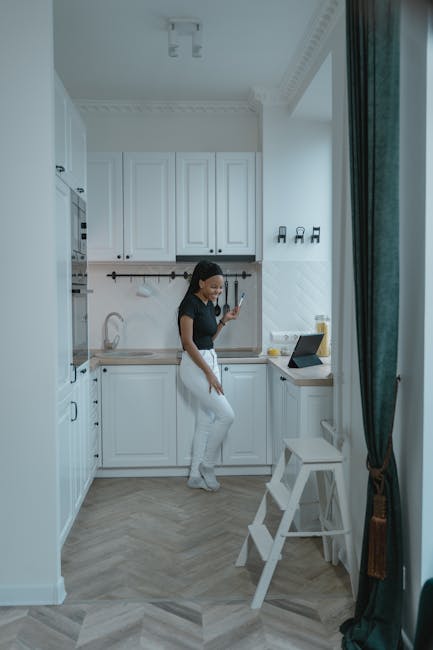
Designing a kitchen begins with choosing a layout that fits your space and lifestyle. Consider the kitchen triangle for efficient movement between stove, sink, and refrigerator. Make sure the layout allows for ample storage and counter space.
Designing a kitchen involves several important decisions. Choosing a layout is one of the most crucial. The right layout makes your kitchen efficient and functional. It affects how you move and work in the space. Let's dive into how to choose the best kitchen layout.
Understanding Kitchen Work Zones
Think of your kitchen as a series of work zones. These zones include food preparation, cooking, and cleaning areas. Each zone has its own purpose. Organizing them properly ensures smooth workflow. Consider where you store food, where you cook, and where you clean. Place related items near each zone. This reduces unnecessary movement.
Exploring Different Layouts
Several common kitchen layouts exist. Each has unique benefits. The one-wall layout suits small spaces. It lines up all appliances and cabinets on one wall. The galley layout features two parallel walls. It's efficient for small kitchens. The L-shaped layout works well in medium-sized kitchens. It provides ample counter space. U-shaped kitchens offer plenty of storage and work areas. They fit larger kitchens. Finally, an island layout adds extra workspace and seating.
Maximizing Space Efficiency
Maximizing space is vital in any kitchen. Use vertical space for storage. Install shelves or cabinets up to the ceiling. Choose multi-purpose furniture. A table can double as a prep area. Opt for pull-out storage solutions. These keep items accessible and organized. Consider the lighting. Proper lighting enhances both functionality and ambiance. It makes the kitchen feel more spacious. Each decision should support a clutter-free environment.
Selecting Materials
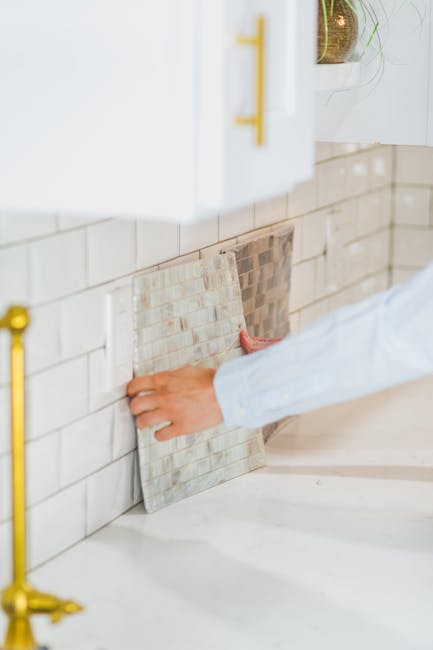
Choosing the right materials shapes your kitchen's style and functionality. Wood cabinets bring warmth. Quartz countertops offer durability and easy cleaning. Tiles or hardwood on the floor can add texture and elegance. Each choice impacts the kitchen's look and feel.
Designing a kitchen is an exciting journey filled with endless possibilities. One of the most crucial parts of this process is selecting the right materials. The choices you make can significantly impact both the functionality and aesthetic of your kitchen. Whether you're a seasoned home renovator or a first-time designer, understanding different material options is vital. Let's dive into the essentials for countertops, cabinets, and flooring.
Countertop Options
Choosing the right countertop can transform the look and feel of your kitchen. Granite and quartz are popular choices for their durability and sleek appearance. They are resistant to scratches and heat, making them practical for busy kitchens. If you're looking for something unique, consider butcher block or concrete. Butcher block offers a warm, natural look that's perfect for rustic or farmhouse-style kitchens. Concrete, while industrial in appearance, can be customized with colors and textures. Think about how you use your kitchen. Do you need a surface that can withstand heavy cooking and spills? Or do you prioritize style and uniqueness? Your answers will guide your decision.
Cabinet Materials
Cabinets are the backbone of your kitchen's storage and style. Solid wood cabinets, like oak or maple, provide a classic and timeless look. They are sturdy and can be refinished if you want a change in the future. For a more budget-friendly option, consider laminate or veneer cabinets. These materials offer a wide range of colors and patterns. While they might not have the same durability as solid wood, they can still offer a stylish appearance. Think about your lifestyle. Are you someone who frequently updates your home decor? Or do you prefer a lasting design? Your lifestyle will help determine the best cabinet material for your kitchen.
Flooring Choices
The kitchen floor is a high-traffic area that needs to be both durable and attractive. Tile flooring is a popular choice because it is water-resistant and easy to clean. It comes in a variety of styles and can mimic the look of wood or stone. Hardwood floors add warmth and elegance, making them a great choice for open-plan homes. While they require more maintenance, they offer a timeless appeal that many homeowners love. Vinyl and laminate flooring offer cost-effective and versatile options. They can replicate the look of more expensive materials while being easier to maintain. Consider the level of foot traffic in your kitchen. Do you have pets or young children? Durability and ease of cleaning might be your top priorities. Selecting the right materials for your kitchen design can seem overwhelming, but it's all about finding the perfect balance between style, functionality, and budget. Which material speaks to you and your lifestyle?
Lighting And Ventilation
Designing a kitchen requires careful attention to lighting and ventilation. Bright lighting enhances visibility for cooking tasks, while proper ventilation eliminates odors and maintains air quality. Prioritizing these elements creates a comfortable and functional kitchen environment.
Designing a kitchen goes beyond choosing cabinets and countertops. Lighting and ventilation play crucial roles in creating a functional and enjoyable space. A well-lit and well-ventilated kitchen enhances the cooking experience and adds to the overall ambiance. Consider how these elements can transform your kitchen into the heart of your home.
Task Lighting Solutions
Task lighting is essential for food preparation areas. You need bright, focused light that eliminates shadows where you chop, cook, and clean. Install under-cabinet lights to illuminate countertops or pendant lights above an island for direct lighting. Don't overlook adjustable lighting fixtures; they can help you direct light exactly where you need it most.
Ambient Lighting Ideas
Ambient lighting provides a soft, overall illumination that fills the room. Think about recessed ceiling lights or a central fixture like a chandelier for a touch of elegance. Dimmers are a great addition, allowing you to control the mood. Imagine hosting a dinner party and lowering the lights for a cozy atmosphere.
Ventilation Systems
Good ventilation is vital to remove cooking odors and maintain air quality. Consider a range hood with adequate suction power that matches your cooking style. If you often fry or cook aromatic dishes, a powerful hood is a necessity. Don't forget window ventilation; it's a simple and effective way to freshen the air naturally. Have you ever cooked a big meal and found the kitchen filled with smoke or lingering smells? Effective ventilation can prevent this, keeping your kitchen fresh and inviting. What lighting and ventilation upgrades are you considering for your kitchen? Share your thoughts in the comments!

Credit: www.andacademy.com
Appliance Selection
Designing a kitchen involves several important decisions. One of the crucial aspects is appliance selection. Appliances not only impact the functionality but also the overall aesthetic of your kitchen. Choosing the right appliances ensures efficiency and harmony in design. Let's explore the key factors in appliance selection.
Evaluating Energy Efficiency
Energy-efficient appliances reduce electricity costs. Look for appliances with high energy ratings. Consider models that use less water. Efficient appliances also contribute to a greener environment.
Choosing Essential Appliances
Select appliances based on your cooking habits. A refrigerator is a must-have. Decide on the size and features you need. A stove and oven are essential for cooking meals. Consider a microwave for quick heating. A dishwasher saves time and water.
Fitting Appliances Into Design
Integrate appliances seamlessly into your kitchen layout. Measure the space accurately before purchasing. Ensure appliances match your kitchen style. Stainless steel offers a modern look. Consider built-in appliances for a streamlined appearance.
Color And Style
Choosing the right colors can shape your kitchen's mood. Light shades make it feel larger and bright. Dark colors add depth and elegance. Mix textures and materials for style. Wood, metal, and glass bring a unique look. Personal touches complete the design.
Designing a kitchen is an exciting journey, especially when it comes to choosing the right color and style. This is where your personality shines through, making your kitchen not just a functional space, but a reflection of who you are. It's about finding a balance between what's trendy and what feels like home to you.
Choosing A Color Palette
The color palette sets the tone for your entire kitchen. Think about what kind of atmosphere you want to create. Do you prefer a calm, soothing space, or something vibrant and energizing? Consider using soft, neutral tones if you want a timeless look. These colors provide a clean backdrop and allow you to play with accessories and textiles. On the other hand, bold colors like navy blue or emerald green can add a touch of elegance and drama. Play around with color swatches. Hold them up against your walls and cabinets to see how they look in different lighting. Remember, the right color can make your kitchen feel larger or cozier.
Incorporating Design Trends
Keeping up with design trends can breathe new life into your kitchen. But remember, trends come and go. Choose elements that you love and that will stand the test of time. Open shelving is currently popular and can give your kitchen a modern look. It’s a great way to display your favorite dishes or cookbooks, adding both style and functionality. Matte finishes and mixed metals are also trending. Mixing different metals like brass and stainless steel can add depth to your kitchen design. However, ensure they complement each other to avoid clashing.
Personalizing The Space
Your kitchen should feel like yours. Personal touches make a house a home and your kitchen is no exception. Consider adding family photos or a chalkboard wall for your grocery lists and inspirational quotes. These little details can make your kitchen feel warm and welcoming. Think about what you love. Do you have a collection of vintage teacups? Display them proudly. Do you love to cook? Ensure you have ample space for your spices and utensils. Ask yourself, what makes you happy when you walk into your kitchen? Your answer should guide your design choices. Remember, designing a kitchen is about creating a space that feels right for you. Let your personality guide you, and enjoy the process of making your kitchen a place you love to be.
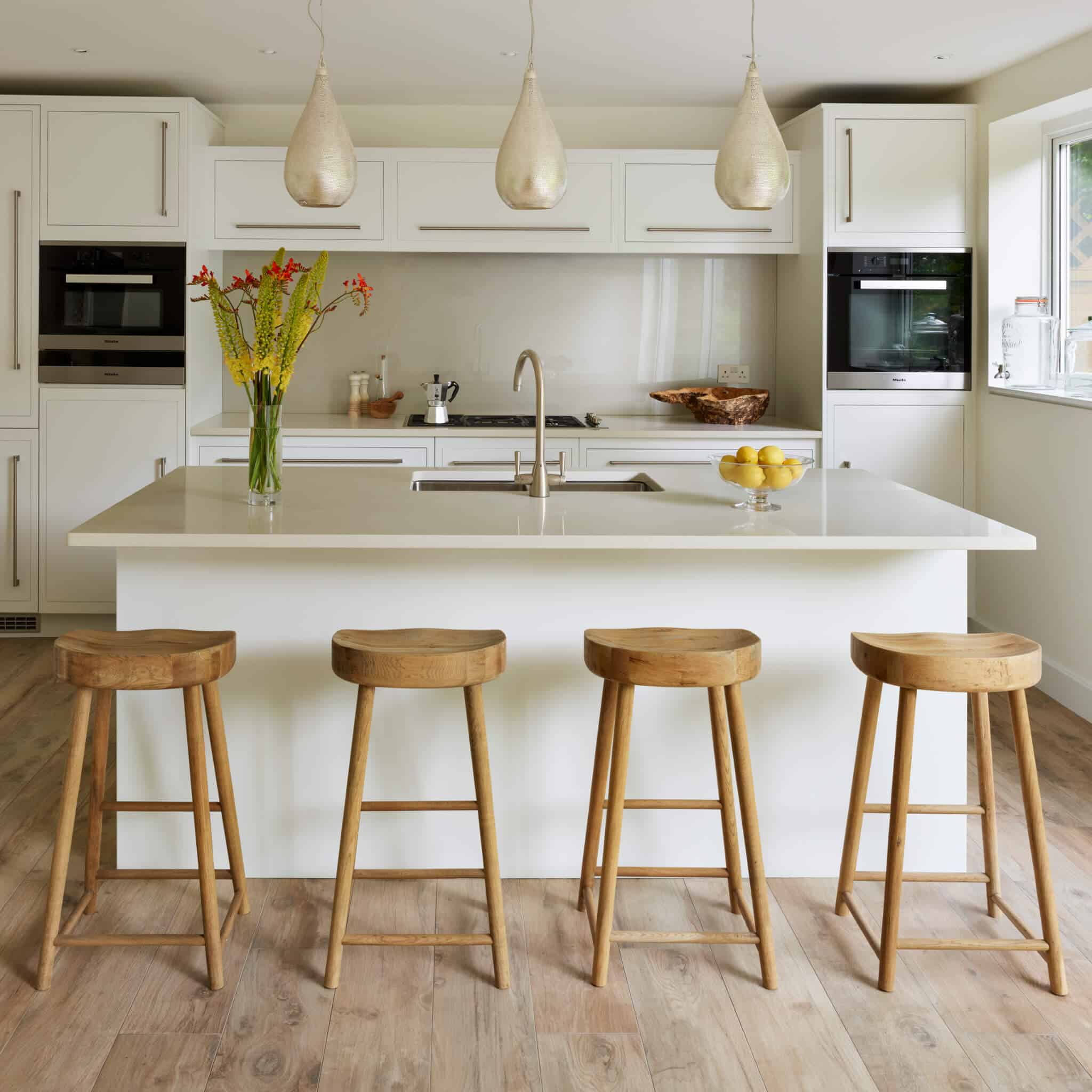
Credit: www.harveyjones.com
Hiring Professionals
Designing a kitchen becomes easier with professional help. Experts ensure efficient use of space and a stylish look. Their guidance helps you choose the best materials and layout for your needs.
Designing a kitchen can be an exciting yet challenging task. Hiring professionals can make the process smoother and more efficient. They bring expertise and experience to the table, ensuring your kitchen not only looks great but also functions well. But how do you find the right people to help you create your dream kitchen?
Finding A Kitchen Designer
When looking for a kitchen designer, start by asking friends or family for recommendations. They might have worked with someone who did a fantastic job. Check online reviews and portfolios to see if their style matches what you envision for your space. It's crucial to meet with potential designers to discuss your needs and budget. Ask about their previous projects and how they handle challenges. A good designer should listen to your ideas and offer practical solutions. Would you prefer a contemporary look or a more traditional feel? Your designer should be able to adapt to your preferences.
Working With Contractors
Contractors are essential for bringing your kitchen design to life. It's important to find a contractor who has experience with kitchens specifically. They need to understand the complexities of plumbing, electrical work, and installation. Schedule a meeting to discuss your project in detail. Provide them with your design plans and ask for a timeline. A reliable contractor will be transparent about costs and any potential issues that might arise. Have you considered how long you'll need to live without a functioning kitchen? Planning ahead can ease the transition.
Coordinating With Suppliers
Suppliers play a critical role in delivering the materials needed for your kitchen. Whether it's cabinets, countertops, or appliances, having the right supplier ensures quality. You might want to work with a supplier recommended by your designer or contractor. Reach out to suppliers to inquire about their products and delivery schedules. Ensure they can meet your timelines and budget. Are there specific brands or materials you prefer? Communicate clearly to avoid misunderstandings and delays. Building a good relationship with your suppliers can lead to better deals and service.
Diy Considerations
Designing a kitchen involves careful planning. Start by measuring your space and sketching a layout. Consider storage needs and appliance placement. Choose durable materials for countertops and flooring. Lighting plays a key role; opt for bright, energy-efficient options. Balance functionality with style for a space that suits your needs.
Designing your kitchen can be a thrilling endeavor, especially when you decide to take the DIY route. The thought of crafting a space that resonates with your personal style and creativity can be incredibly rewarding. However, DIY kitchen design comes with its own set of challenges that require careful planning and realistic assessment of your skills. Let's dive into the crucial aspects you should consider before embarking on this exciting project.
Assessing Skills And Abilities
Start by honestly evaluating your DIY skills. Have you tackled similar projects before? Do you feel comfortable using tools like saws, drills, and measuring tapes? Consider if you can handle tasks such as tiling, plumbing, or cabinetry. If your experience is limited, no need to worry. YouTube tutorials can be invaluable. They can guide you step-by-step through many processes. But remember, it's crucial to know when to call in a professional for more complex tasks.
Planning For Diy Projects
Create a detailed plan outlining each step of your kitchen design. What materials will you need? How much time will each task take? Organize tasks in a logical sequence. Break down the project into manageable chunks. This prevents feeling overwhelmed. Start with simpler tasks to build confidence. As you progress, tackle more challenging parts.
Avoiding Common Pitfalls
One common mistake is underestimating costs. Always budget for unexpected expenses. It's better to overestimate than to run out of funds midway. Another pitfall is skipping the measuring step. Accurate measurements are crucial. Even a small error can lead to big problems later. Double-check measurements before making cuts or purchases. Ask yourself, are you prepared for the commitment? DIY projects can be time-consuming. It's essential to maintain your enthusiasm throughout. After all, the joy of seeing your vision come to life is worth the effort.
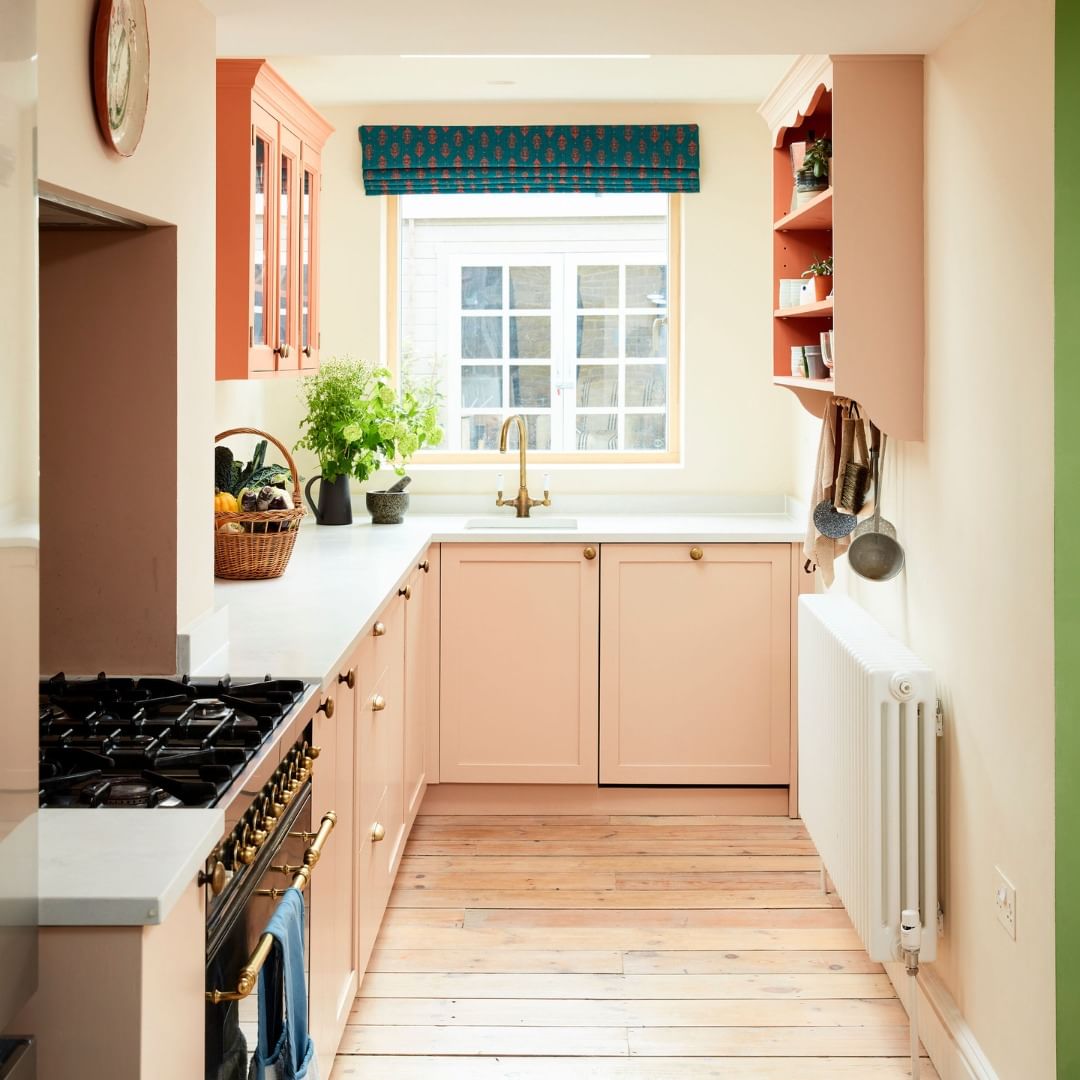
Credit: www.nakedkitchens.com
Frequently Asked Questions
How Do I Start Designing My Kitchen?
Begin by assessing your space and needs. Determine the kitchen layout that suits your lifestyle. Consider the workflow, storage options, and appliances. Create a mood board with color schemes, materials, and finishes. Consult with professionals for insights. Planning is crucial for an efficient and aesthetically pleasing kitchen.
What Are Popular Kitchen Design Styles?
Popular styles include modern, traditional, and farmhouse. Modern kitchens feature sleek lines and minimalistic design. Traditional kitchens emphasize classic elements and wood finishes. Farmhouse kitchens are cozy and rustic, with natural materials. Explore each style to find the one that reflects your personal taste and complements your home.
How Can I Maximize Kitchen Storage?
Maximize storage by utilizing vertical space with cabinets and shelves. Incorporate pull-out drawers and organizers for easy access. Use corner cabinets and lazy Susans to utilize awkward spaces. Install hooks for hanging pots and pans. Efficient storage solutions enhance functionality and keep your kitchen organized.
What Are Essential Kitchen Appliances?
Essential appliances include a refrigerator, stove, and microwave. A dishwasher and range hood improve functionality. Consider adding a coffee maker and toaster for convenience. Choose appliances that fit your space and lifestyle. Energy-efficient models can save money and reduce environmental impact.
Conclusion
Designing a kitchen can feel overwhelming. Start with a clear plan. Consider your needs and lifestyle. Choose a layout that maximizes space and efficiency. Select materials and colors that fit your style. Lighting is crucial; it enhances functionality and mood.
Ensure sufficient storage for a clutter-free space. Don’t forget the small details; they add personality. Test different arrangements before finalizing. Remember, your kitchen should reflect you. It’s not just a cooking area; it’s the heart of your home. With careful planning, you can create a kitchen that’s both beautiful and practical.
Happy designing!