
Imagine walking into your kitchen and being greeted by a space that not only looks pristine but is also a safe haven for preparing meals. Achieving this isn't just about aesthetics; it's about ensuring your health and well-being.
Your kitchen is the heart of your home, where you create delicious meals and memories. However, it's also a place that can harbor bacteria and germs if not maintained properly. You might be wondering which areas need your attention the most.
Are you focusing on the right spots, or are there crucial areas you might be overlooking? In this guide, we’ll uncover the essential parts of your kitchen that need regular cleaning and disinfecting. This isn't just about keeping things tidy; it's about protecting your family’s health. Dive in to discover how a few simple habits can transform your kitchen into a truly clean and safe environment. Your peace of mind is just a read away!
High-touch Surfaces
High-touch surfaces in your kitchen are like silent sentinels; they witness every meal prep, snack raid, and family dinner. They are the areas you and your loved ones interact with most, which makes them prime spots for germs. Regular cleaning and disinfecting of these surfaces isn't just a chore; it's a necessity. But which surfaces require your attention most? Let's dive into the essentials.
Countertops
Your countertops endure a lot. They are the stage for chopping veggies, kneading dough, and serving meals. Imagine how many times a day you touch them. Each touch is an opportunity for germs to spread. Cleaning with soap and water is a good start, but a regular disinfectant routine is crucial. Keep a spray bottle of disinfectant handy and make it a habit to wipe down after each major kitchen session. It’s a quick task that can save you from a potential health hazard.
Cabinet Handles
When was the last time you cleaned your cabinet handles? These small fixtures may not be in the spotlight, but they play a big role in your kitchen hygiene. Think about how often you open and close cabinets throughout the day. Every touch transfers whatever is on your hands onto the handles. Use a disinfectant wipe or a spray to clean them frequently. It’s a small effort with a big payoff in keeping your kitchen safe.
Light Switches
Light switches are often overlooked in the cleaning process. Yet, they are touched multiple times a day, sometimes with hands full of food or other kitchen messes. It's easy to forget them, but they can accumulate germs just like any other surface. Keep a habit of wiping them down with a disinfectant cloth. Why not add it to your weekly cleaning routine? You’ll be surprised at how much cleaner your kitchen feels with just this simple act.
Are there other high-touch surfaces you might be neglecting? Take a moment to look around your kitchen and identify those spots. You might discover a few more areas that could use a regular cleaning. What small changes can you make today to create a healthier kitchen environment?

Credit: www.sterlingcleaningnyc.com
Appliances Maintenance
Keep kitchen appliances clean to ensure a healthy environment. Regularly disinfect countertops, cutting boards, and sinks. Clean the refrigerator and microwave to prevent bacteria buildup.
Maintaining your kitchen appliances is crucial for a clean and efficient cooking space. But let's be honest, how often do you think about the germs lurking on your refrigerator handle or the grime in your microwave? Regular cleaning and disinfecting of these appliances not only prolong their lifespan but also keep your kitchen healthy. Here’s a rundown of what you should focus on to keep your appliances in tip-top shape.
Refrigerator
The refrigerator is the heart of the kitchen, but it can also be a breeding ground for bacteria if not cleaned regularly. Wipe down the shelves and drawers weekly with a mixture of warm water and vinegar. This helps eliminate spills that can lead to mold. Don't forget the door seals. These can trap crumbs and spills, compromising the fridge's efficiency. A quick scrub with a toothbrush can do wonders. Ask yourself, when was the last time you cleaned under the refrigerator? Dust can affect its performance, so make it a habit to vacuum underneath every few months.
Microwave
The microwave is one of the most used kitchen appliances. Food splatters happen easily, so cleaning it is essential. Place a cup of water with lemon slices inside and heat it up until it steams. This loosens grime, making it easier to wipe clean. Pay attention to the turntable and the interior walls. They can harbor remnants that cause odors. A simple wipe with a damp cloth can make a huge difference. And if you spill something, clean it immediately. This prevents the buildup of tough stains and keeps your microwave smelling fresh.
Dishwasher
Your dishwasher cleans your dishes, but how often do you clean your dishwasher? Run an empty cycle with vinegar once a month. It helps to remove residue and keeps the machine running smoothly. Check the filter regularly. Bits of food can clog it, affecting the dishwasher’s performance. Remove and rinse it under hot water to ensure it's clean. Ever thought about the dishwasher's door edges? These can accumulate grime and should be wiped down frequently. Maintaining these small areas can significantly impact the efficiency of your dishwasher. Regular maintenance of these appliances can save you from future headaches. What steps will you take to make your kitchen a cleaner place?
Cooking Tools
Cutting boards, knives, and countertops require regular cleaning and disinfection. Sponges and dishcloths also need frequent sanitization to prevent bacteria buildup. Pay attention to these essential kitchen tools to maintain a hygienic cooking environment.
Cooking tools are the backbone of any kitchen, and keeping them clean is crucial for both food safety and longevity. If you've ever chopped veggies on a cutting board only to find yesterday's garlic still lingering, you know the importance of regular cleaning. But which tools should you focus on, and how often?
Cutting Boards
Cutting boards are a hotbed for bacteria, especially after cutting raw meat or fish. It's essential to wash them immediately with hot, soapy water. Consider using a solution of one part vinegar to four parts water for a natural disinfectant. If you have wooden boards, avoid soaking them; instead, scrub and dry them thoroughly.
Utensils
Your everyday utensils like spatulas, tongs, and whisks need attention too. After each use, wash them with hot, soapy water to prevent food residue from hardening. For deeper cleaning, consider running them through the dishwasher if they are dishwasher-safe. Pay special attention to seams and joints where grime can accumulate unnoticed.
Pots And Pans
Pots and pans can be tricky, especially if they're non-stick or cast iron. Regular washing with dish soap and warm water is a must. Avoid using metal scrubbers on non-stick surfaces to prevent damage. For stubborn grime, let them soak in a mixture of baking soda and water before scrubbing gently. Have you ever thought about how these simple habits can extend the life of your kitchen tools? Regular cleaning not only protects you from harmful bacteria but also preserves the quality and performance of your tools. Next time you're in the kitchen, take a moment to think about the cleaning routine for your trusty cooking companions.
Credit: www.cdc.gov
Cleaning Supplies Care
Regular cleaning and disinfecting in the kitchen is crucial for health safety. Pay attention to countertops, cutting boards, and refrigerator handles. These areas often gather harmful bacteria and require frequent sanitizing to ensure a hygienic space for food preparation.
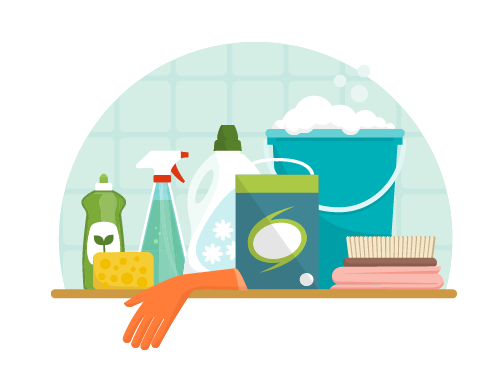
Maintaining a clean kitchen is essential for a healthy home, and taking care of your cleaning supplies is a crucial part of that process. You might not think about it often, but the tools you use to clean can quickly become breeding grounds for bacteria. By giving your cleaning supplies the attention they deserve, you ensure they remain effective and safe to use.
Sponges
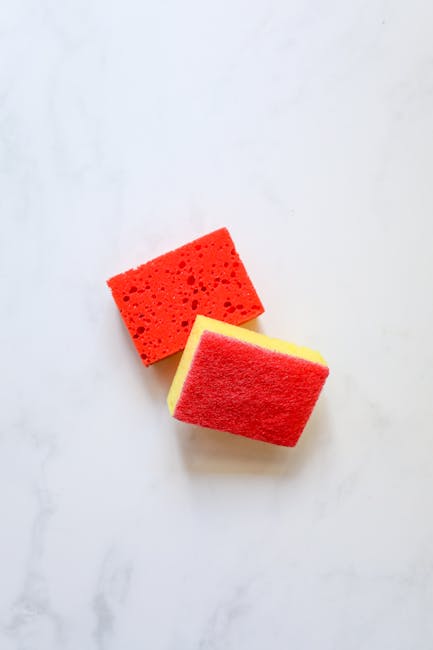
Sponges are the unsung heroes of the kitchen but can harbor more germs than a toilet seat. To keep them fresh, rinse thoroughly after each use and let them dry in a well-ventilated area. Consider microwaving a damp sponge for one minute or soaking it in a bleach solution weekly to kill bacteria.
Dishcloths
Dishcloths are versatile but can quickly become smelly if neglected. Rotate them daily and wash them in hot water to eliminate germs. A simple habit of tossing them in the laundry after each use can make a big difference in maintaining cleanliness.
Cleaning Brushes
Cleaning brushes scrub away grime effectively but require regular care to stay hygienic. Rinse your brushes after each use and allow them to air dry completely. Occasionally, soak them in soapy water or a vinegar solution to remove any stubborn residues and bacteria. Have you ever considered how often you clean the tools that clean your kitchen? Taking the time to care for your cleaning supplies not only extends their life but also makes your kitchen a safer place. What small changes can you make today to ensure your kitchen stays sparkling and germ-free?
Garbage And Recycling
Regular cleaning of kitchen surfaces prevents germs. Focus on countertops, handles, and cutting boards. Disinfect these areas often.
Keeping your kitchen clean and hygienic is essential. One of the most overlooked areas is garbage and recycling. These spots can quickly become breeding grounds for bacteria and bad odors if not maintained. It's easy to forget them, but regular cleaning and disinfecting are crucial. Let's dive into how you can keep your trash cans and recycling bins spotless.
Trash Cans
Trash cans are often the dirtiest part of the kitchen. They collect all kinds of waste, from food scraps to packaging. Over time, they can accumulate grime and bacteria. To keep your trash can clean, make it a habit to wipe down the exterior and interior with a disinfectant weekly. If you notice any spills or leaks, clean them immediately to prevent odors. Use a liner to catch any mess and change it regularly. Think about the last time you cleaned your trash can. Was it longer ago than you thought? Regular cleaning can help prevent unpleasant surprises.
Recycling Bins
Recycling bins are another area that can easily get neglected. Since they often contain items with food residues, they can become smelly and attract pests. Rinse out containers before placing them in the bin to minimize this risk. Every couple of weeks, give your recycling bin a good scrub with soap and water. This will prevent buildup and keep it smelling fresh. Ask yourself, how often do you touch your recycling bin without thinking about the germs on it? Regular cleaning ensures it's as hygienic as it can be. By paying attention to your garbage and recycling areas, you're taking a big step in maintaining a cleaner kitchen. Next time you're tidying up, remember these spots deserve your attention too. Your nose and your health will thank you!

Credit: www.everydayhealth.com
Food Safety Measures
Maintaining a clean kitchen is crucial for food safety. Regular cleaning and disinfecting prevent foodborne illnesses. Understanding what to clean helps protect your health. Focus on key areas to ensure safe food handling.
Fresh Produce
Fresh produce often carries bacteria and dirt. Rinse fruits and vegetables under cold water. Scrub with a clean brush to remove surface residues. Dry them with a paper towel to reduce moisture. Disinfect countertops before placing produce. This reduces contamination risks and ensures safety.
Meat And Poultry
Meat and poultry require careful handling. Use separate cutting boards for raw meats. Wash hands thoroughly after touching raw meat. Clean and disinfect surfaces immediately. Store meats at the correct temperature to prevent spoilage. Cook to the recommended temperature to kill harmful bacteria.
Frequently Asked Questions
What Kitchen Surfaces Need Regular Cleaning?
Kitchen surfaces that require regular cleaning include countertops, cutting boards, and sinks. These areas are prone to bacteria buildup due to food preparation. Regular cleaning helps prevent cross-contamination and ensures a safe cooking environment. Use appropriate cleaning products to effectively disinfect these surfaces.
How Often Should Kitchen Appliances Be Disinfected?
Kitchen appliances, such as refrigerators, microwaves, and ovens, should be disinfected weekly. Regular disinfection prevents the spread of germs and helps maintain appliance efficiency. Pay special attention to handles and buttons, which are frequently touched. Clean these areas with suitable disinfectants.
Why Is Sink Disinfection Important In Kitchens?
Sink disinfection is crucial because sinks harbor bacteria from food and dirty dishes. Regular disinfection prevents germ buildup and helps maintain a hygienic kitchen environment. Use disinfectant sprays or wipes to clean sink surfaces effectively. Pay attention to faucet handles as well.
What Tools Are Essential For Kitchen Cleaning?
Essential tools for kitchen cleaning include disinfectant sprays, microfiber cloths, and scrubbing brushes. These tools help remove dirt and bacteria efficiently. Microfiber cloths are great for wiping surfaces without leaving residue. Use brushes for scrubbing stubborn stains on countertops and appliances.
Conclusion
Regular cleaning keeps your kitchen safe and hygienic. Focus on high-touch areas like countertops, cutting boards, and handles. Germs love these spots. Don't forget the sink and faucets. They see a lot of action. Wipe down your appliances often. Fridges and microwaves can harbor bacteria.
Use proper cleaning agents. They make a difference in germ control. Clean sponges and cloths regularly. They can spread germs too. A tidy kitchen means healthier meals. It also promotes a pleasant cooking experience. Keep up with these tasks. Your kitchen will thank you.