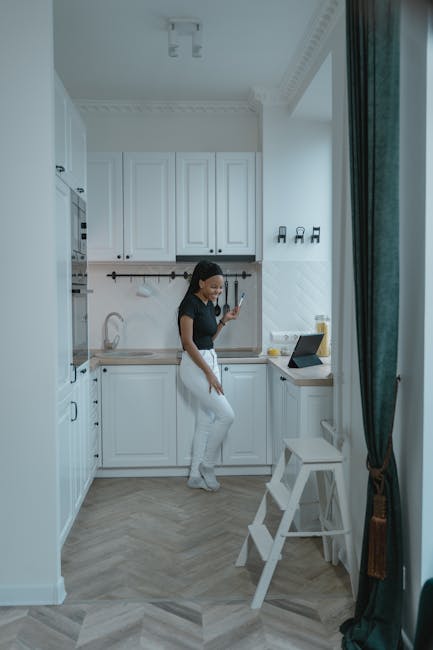

Imagine transforming the way you cook and entertain by embracing a design concept that breaks the traditional kitchen mold. Welcome to the world of dirty kitchen design, where practicality meets innovation, and style harmoniously blends with function.
Have you ever felt limited by the confines of your current kitchen layout? Or perhaps you've struggled with maintaining the perfect balance between a clean cooking space and a bustling area for culinary creativity? You're not alone. Dirty kitchen design offers a solution that might just be the game-changer you've been searching for.
You'll discover how dirty kitchen design can revolutionize your cooking experience. We'll delve into the key features that set it apart, and how it can enhance both the aesthetics and efficiency of your home. You'll learn why more and more homeowners are opting for this unique approach and how it can cater to your specific needs. So, if you're ready to explore a kitchen concept that breaks the mold, keeps your main kitchen pristine, and amplifies your cooking potential, read on to uncover the exciting possibilities of dirty kitchen design.
Dirty Kitchen Design Basics
When you hear the term "dirty kitchen," your mind might wander to messy countertops and unwashed dishes. But in the world of design, a dirty kitchen is a practical space often separated from the main kitchen. It's designed to handle heavy-duty cooking tasks that might generate smoke, odor, and mess. If you're contemplating adding a dirty kitchen to your home, understanding the basics is crucial.
Functional Layout
The layout of a dirty kitchen should prioritize efficiency. You want to have easy access to cooking essentials without cluttering the space. Consider a U-shaped or L-shaped layout, which provides ample counter space and allows you to move easily between tasks. Think about where you'll place the stove, sink, and refrigerator to maximize workflow.
Durable Materials
Durability is key in a dirty kitchen. The materials you choose should withstand high heat, moisture, and frequent use. Opt for stainless steel or granite countertops for their resilience. Use tiles or concrete for flooring as they are easy to clean and maintain. What materials have you found work best in high-traffic areas?
Ventilation And Exhaust
Proper ventilation is essential to prevent the accumulation of smoke and odors. Install a powerful exhaust fan or range hood to keep the air fresh. Consider windows or vents that can be opened to let in fresh air. Have you ever experienced cooking in a space with poor ventilation? It can be unbearable!
Storage Solutions
Storage is vital to maintain order. Use cabinets and shelves to store pots, pans, and utensils. Consider open shelving for easy access to frequently used items. Hooks and pegboards can keep tools organized. How do you keep your kitchen clutter-free?
Lighting Choices
Effective lighting enhances visibility and adds ambiance. Use bright overhead lights to illuminate the entire space. Task lighting near the stove and countertop can help with precision tasks. Have you noticed how lighting can transform a room’s atmosphere?
Creating a dirty kitchen can be an exciting project that adds functionality to your home. With the right design choices, you can have a space that makes cooking more enjoyable and less of a chore. What are your thoughts on having a separate space for serious cooking tasks?
Features Of A Dirty Kitchen
The concept of a dirty kitchen has become popular in modern homes. It serves as a functional space separate from the main kitchen. This area focuses on practicality and efficiency. Let's explore some key features that define a dirty kitchen.
Robust Materials
Dirty kitchens use strong and durable materials. Stainless steel is common for countertops and sinks. It resists stains and is easy to clean. Concrete floors are also popular. They can withstand heavy usage and are easy to maintain. These materials help the kitchen endure frequent cooking activities.
Efficient Layouts
Layout plays a crucial role in dirty kitchen design. Every inch serves a purpose. The stove, sink, and fridge are often close together. This reduces unnecessary movement during cooking. An open design allows for easy access to all areas. The layout enhances workflow, making cooking tasks quicker and simpler.
Functional Storage
Storage solutions are vital in a dirty kitchen. Cabinets and shelves store utensils and ingredients. Open shelving offers quick access to frequently used items. Hooks on walls hold pots and pans, freeing up counter space. These smart storage options keep the kitchen organized and efficient.
Bold Design Elements
Bold design elements in a dirty kitchen bring style and function together. This design prioritizes raw materials and creative layouts. It embraces a unique charm that transforms any cooking area. People love the aesthetic of industrial elements, open shelves, and mixed textures. These features create a space that feels both modern and inviting.
Industrial Aesthetics
Industrial aesthetics focus on raw and unfinished materials. Think exposed brick, metal beams, and concrete floors. These elements give a kitchen a rugged yet stylish look. They create a backdrop that is both eye-catching and practical. It's a design that feels both new and timeless.
Open Shelving
Open shelving offers both function and style. It makes kitchen essentials easy to reach. It also provides a chance to display beautiful dishware. Open shelves create a sense of space and openness. They are perfect for those who love a clean and organized look.
Mixed Textures
Mixing textures adds depth and interest to the kitchen. Combining wood, metal, and stone creates a dynamic feel. Each texture contrasts yet complements the others. This mix creates a balanced and engaging environment. It's a simple way to add character to any kitchen design.

Credit: www.pinterest.com
Practical Benefits
Dirty kitchen designs offer numerous practical benefits for homeowners. These designs focus on functionality and efficiency. They cater to those who love a clean and organized main kitchen. A dirty kitchen serves as a secondary space for messier tasks. This allows the main kitchen to remain spotless. Below are some practical benefits of adopting a dirty kitchen design.
Easy Maintenance
A dirty kitchen design simplifies cleaning tasks significantly. Spills and splatters are expected here. This space often features materials that are easy to wipe down. Less time spent on cleaning means more time for cooking. An easy-to-maintain kitchen reduces stress and keeps the space tidy.
Enhanced Durability
Materials used in dirty kitchens are often more durable. These materials withstand heat, moisture, and heavy use. Stainless steel, concrete, and robust tiles are common choices. Durability ensures the kitchen lasts longer with minimal repairs. Strong materials also add value to your home.
Space Optimization
Dirty kitchens maximize space through clever design. They often feature additional storage options. This helps keep the main kitchen clutter-free. Using a separate space for heavy-duty cooking keeps your home organized. Space optimization leads to a more efficient cooking process. A well-organized kitchen makes meal preparation enjoyable.
Inspiration From Global Designs
Dirty kitchen design embraces functionality and practicality, often showcasing rustic elements. It highlights spacious layouts for cooking and cleaning. This design focuses on easy maintenance and durability, making it ideal for busy households.
Designing a kitchen that embodies the concept of a "Dirty Kitchen" involves drawing inspiration from diverse cultures around the globe. These global designs bring unique flavors and functionalities to your kitchen space, making it not only efficient but also aesthetically pleasing. Let’s look at how different parts of the world influence this intriguing kitchen style.
Asian Influence
Asian kitchens are known for their efficient use of space and functionality. They often include open shelving and hanging racks to maximize storage. You might consider integrating bamboo or wooden elements, which are staples in Asian design, to bring warmth and nature into your kitchen. One standout feature is the use of sliding doors or partitions. These allow you to easily separate cooking areas from dining spaces, maintaining cleanliness while still being versatile. Have you ever thought about how these simple design choices could make your kitchen more functional?
European Flair
European kitchens often mix elegance with practicality. Think of sleek countertops paired with vintage-inspired fixtures. A touch of European flair in your dirty kitchen design can add a sophisticated edge. Consider using materials like marble or granite for surfaces, which are both durable and stylish. Incorporating modern appliances while maintaining a rustic charm can be your key takeaway from European designs. This balance of old and new is what makes these kitchens timeless.
American Ingenuity
American kitchen design is all about innovation and adaptability. Open-plan layouts are a hallmark, allowing for a seamless flow between cooking and living spaces. This design ethos can be especially beneficial in a dirty kitchen, where space optimization is crucial. Incorporate islands or peninsulas to create additional workspace and storage. American kitchens often feature multifunctional furniture, like tables that double as storage units. Does your kitchen allow for such creative solutions to maximize its functionality? By considering these global influences, you can create a dirty kitchen that is not only practical but also a reflection of your personal style. Each culture offers unique insights that can transform your kitchen into a space that truly works for you.

Credit: www.pinterest.com
Incorporating Sustainability
Incorporating sustainability into dirty kitchen design benefits both people and the planet. This approach focuses on using resources wisely and reducing environmental impact. By choosing sustainable options, you create a kitchen that is both functional and eco-friendly.
Eco-friendly Materials
Using eco-friendly materials helps reduce harm to nature. Bamboo, recycled glass, and reclaimed wood are great choices. These materials offer durability while being kind to the environment. They also add a unique touch to your kitchen space.
Energy Efficiency
Energy-efficient appliances save electricity and lower utility bills. Choose LED lighting for better energy use. Energy Star-rated appliances consume less power, making them a smart choice for sustainable kitchens. Proper insulation also helps maintain temperature, reducing energy needs.
Waste Reduction
Reducing waste is key to sustainable living. Composting kitchen scraps turns waste into valuable soil. Use reusable containers instead of single-use plastics to minimize trash. A well-organized recycling system helps sort materials efficiently, cutting down on landfill waste.
Personalizing Your Dirty Kitchen
Personalizing your dirty kitchen can transform it from a functional space into a reflection of your style. Adding your touch to the design makes everyday cooking more enjoyable and perhaps even a bit inspiring. Who knew that a dirty kitchen could be the canvas for your creative expression?
Color Schemes
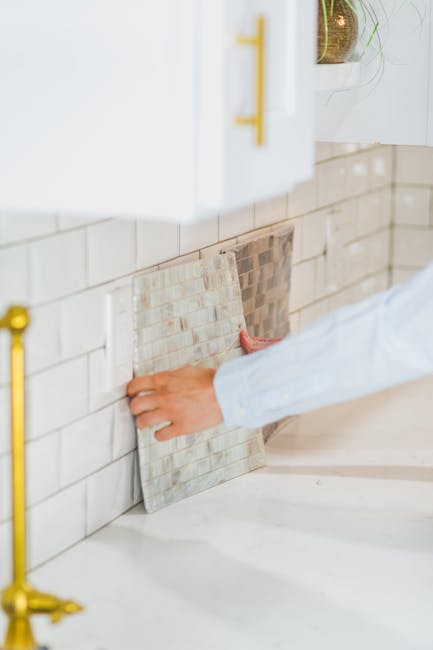
Your dirty kitchen doesn't need to be dull. Consider using vibrant colors that spark joy or neutral tones for a calming effect. I once opted for a bold red backsplash that instantly made my kitchen feel lively and energetic.
Think about how different colors influence your mood. Do you prefer something energetic like orange or calming like blue? The choice is yours, and it can make all the difference in how you feel when whipping up a meal.
Unique Fixtures
Fixtures can be the jewelry of your dirty kitchen. Look for options that are both functional and stylish. Imagine having a vintage faucet that adds a touch of nostalgia every time you use it.
Explore different materials like brass or stainless steel for fixtures that stand out. Are there designs that speak to you on a personal level? Unique fixtures can turn a simple kitchen into a conversation starter.
Custom Decor
Decor isn't just about aesthetics; it's about personal storytelling. Consider adding framed photos or artwork that resonates with you. I added a chalkboard wall for jotting down recipes and grocery lists—it quickly became a family favorite.
Think about items that hold sentimental value. Would a hand-painted ceramic dish remind you of a special trip? Custom decor can breathe life into your kitchen and make it uniquely yours.
As you personalize your dirty kitchen, remember it's your space to experiment and enjoy. What design choices will make you smile each time you step into your culinary corner? Your creativity is the limit!

Credit: www.facebook.com
Challenges And Considerations
Designing a dirty kitchen involves various challenges, including proper ventilation and durable materials for easy cleaning. Considerations also include efficient space utilization to accommodate cooking equipment and ensure safety while handling food.
Creating a dirty kitchen design can be an exciting yet challenging endeavor. It's a space where you can freely handle messy cooking tasks, but it also comes with its own set of hurdles. From fitting everything into a limited area to ensuring it remains budget-friendly, there are several considerations to keep in mind. As you embark on designing your dirty kitchen, you'll need to balance aesthetics with practicality, ensuring it complements your main kitchen while serving its purpose effectively.
Space Constraints
Space can be a significant obstacle. Often, dirty kitchens are tucked away in smaller areas, making every inch precious. You might be tempted to pack in as much as possible, but overcrowding can lead to inefficiency. Think about how you use the space. Would a compact countertop suffice, or do you need more room? Prioritize essential appliances and storage that support your cooking habits.
Budgeting
Budgeting can make or break your dirty kitchen plans. While it's tempting to splurge on high-end materials and gadgets, it's crucial to keep costs in check. Assess your priorities. Do you need that expensive range hood, or could a more affordable option do the job? Allocate your budget wisely, focusing on durability and utility.
Balancing Style And Function
Finding the right mix of style and function is often a juggling act. You want your dirty kitchen to be visually appealing, yet it must withstand daily wear and tear. Think about the materials you choose. Stainless steel countertops might be practical but lack warmth. Can you add color through cabinets or backsplashes? Consider your lifestyle—if you entertain often, a stylish yet functional setup can enhance your kitchen experience. Have you ever faced these challenges when setting up a kitchen space? How did you address them? Your experience could offer valuable insights for others navigating the same journey.
Frequently Asked Questions
What Is A Dirty Kitchen Design?
A dirty kitchen design separates cooking from the main kitchen, often outdoors or in a separate room. It helps keep the main kitchen clean by handling messy tasks like deep-frying and grilling. This design is popular in Southeast Asia, enhancing home hygiene and efficiency.
How Does A Dirty Kitchen Differ From A Regular Kitchen?
A dirty kitchen is separate from the main kitchen and focuses on messier cooking tasks. It includes heavy-duty appliances and ventilation, minimizing odors and mess. Regular kitchens are more integrated into the home's living space, emphasizing aesthetics and daily meal preparation.
Why Are Dirty Kitchens Popular In Southeast Asia?
Dirty kitchens are popular in Southeast Asia due to cultural cooking practices involving strong flavors and spices. They help manage odors and keep the main kitchen clean. This design adapts to tropical climates, providing efficient ventilation and space for elaborate meal preparations.
What Are The Key Features Of A Dirty Kitchen?
Key features of a dirty kitchen include robust appliances, ample ventilation, and durable surfaces. They often have outdoor access and are designed for heavy cooking tasks. This setup minimizes mess in the main kitchen, improving home cleanliness and cooking efficiency.
Conclusion
Dirty kitchen design offers a practical solution for messy cooking. It separates heavy cooking from the main kitchen area. This keeps your home cleaner and more organized. A dirty kitchen helps manage smoke, odors, and spills effectively. It's a smart choice for families who cook often.
Designing one can save time and effort in cleaning. You enjoy cooking without worrying about the mess. Consider a dirty kitchen for a more efficient home. It's a simple, yet effective addition. Perfect for busy households. A functional choice that truly makes sense.